Article
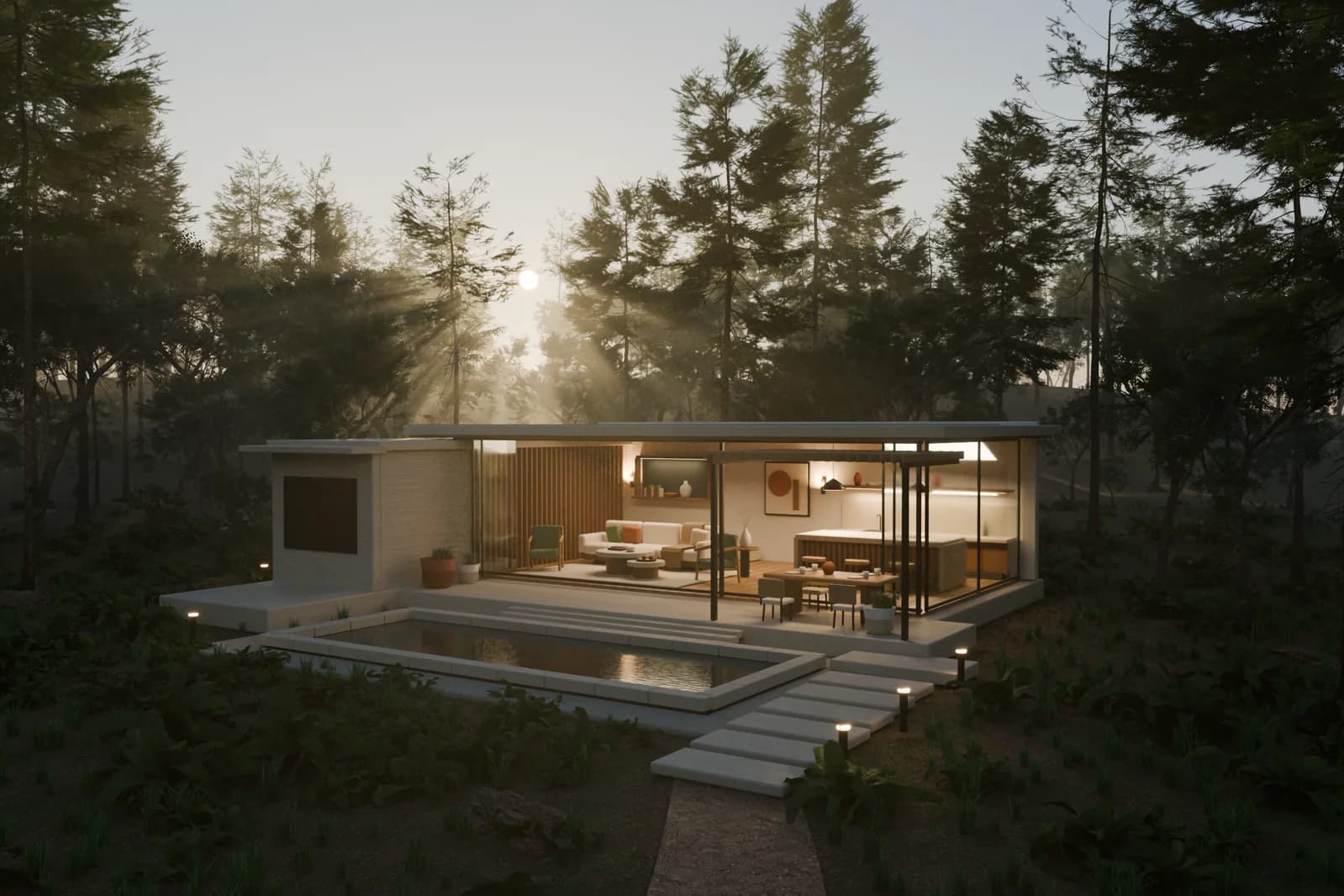
Text-to-image diffusion models have quietly become one of the fastest-moving interfaces between architects and their own imaginations. Where the early conversations around AI in architecture often focused on automation and efficiency, a different question is now surfacing.
What happens when we intentionally give up a degree of control to a machine and design in collaboration with it? In his upcoming PAACADEMY workshop, Generative Architectural Thinking with Midjourney, designer and educator Joshua Vermillion treats Midjourney not as a rendering tool but as a creative partner, one that surfaces unexpected spatial ideas in a fraction of the time traditional workflows demand.
From Rendering Engine to Creative Partner
For most architects trained in CAD or parametric environments, the instinct is to control every variable. Dimensions, materials, light angles, and view parameters. Diffusion models resist that instinct. They operate on probability, not precision. What they return is often unexpected, and that is precisely the point.
Vermillion's workshop is built on this distinction. Rather than using Midjourney to illustrate a design that has already been decided, participants are taught to use it upstream, in the brainstorming phase, where rapid non-deterministic outputs can open doors that traditional sketching and modeling tend to close. The workshop frames this shift as an expansion of the architect's creative vocabulary, not a replacement for it.
This reframing matters. In the past two years, AI-generated imagery has moved from novelty to a production tool across architectural practice. Studios increasingly use it for concept development, client presentations, material exploration, and atmospheric studies. But the methodology has lagged behind the tool's adoption. How to actually think with a generative model, not just prompt it, remains an open question for most practitioners.
Four Themes: Materials, Space, Form, and Time
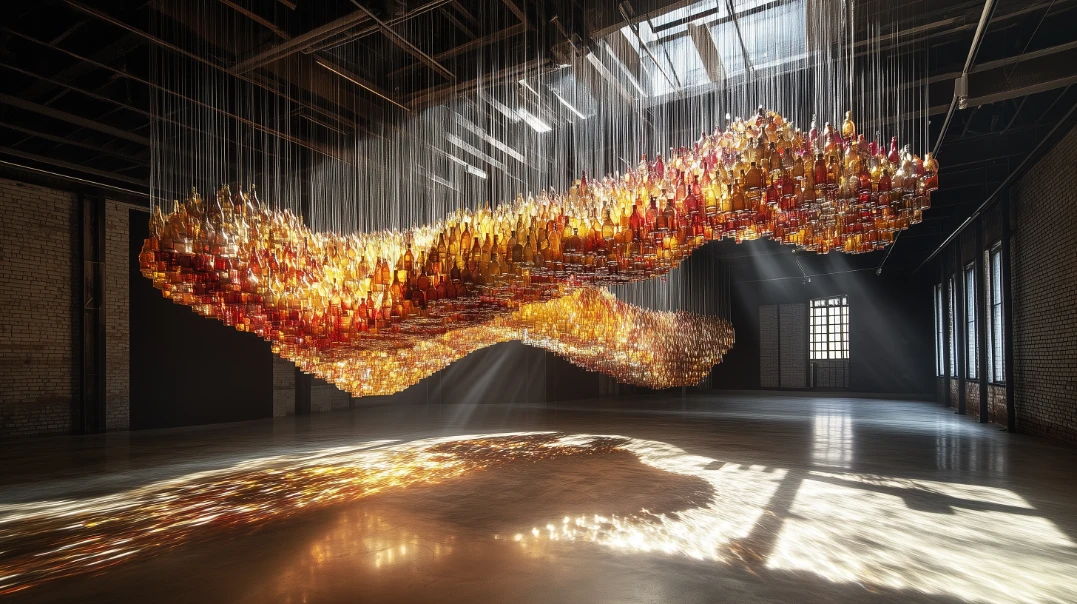
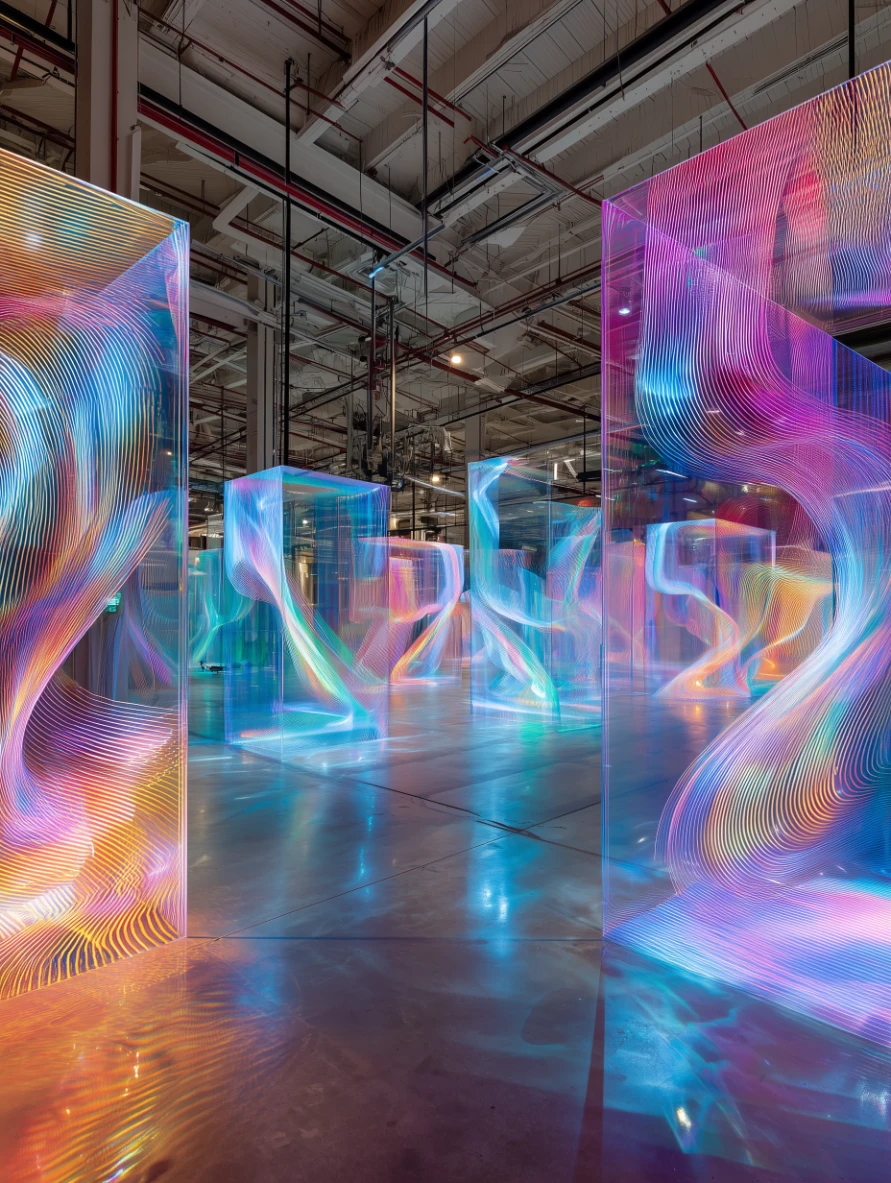
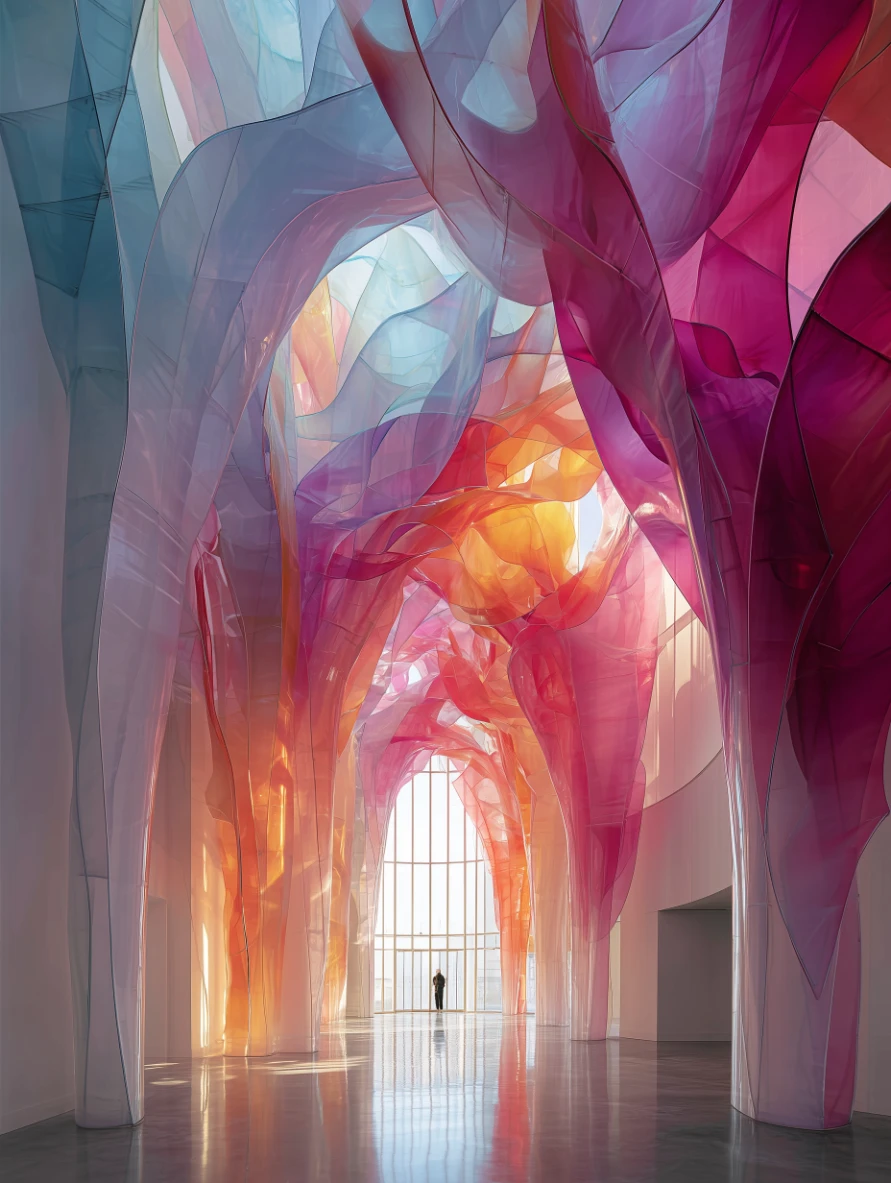
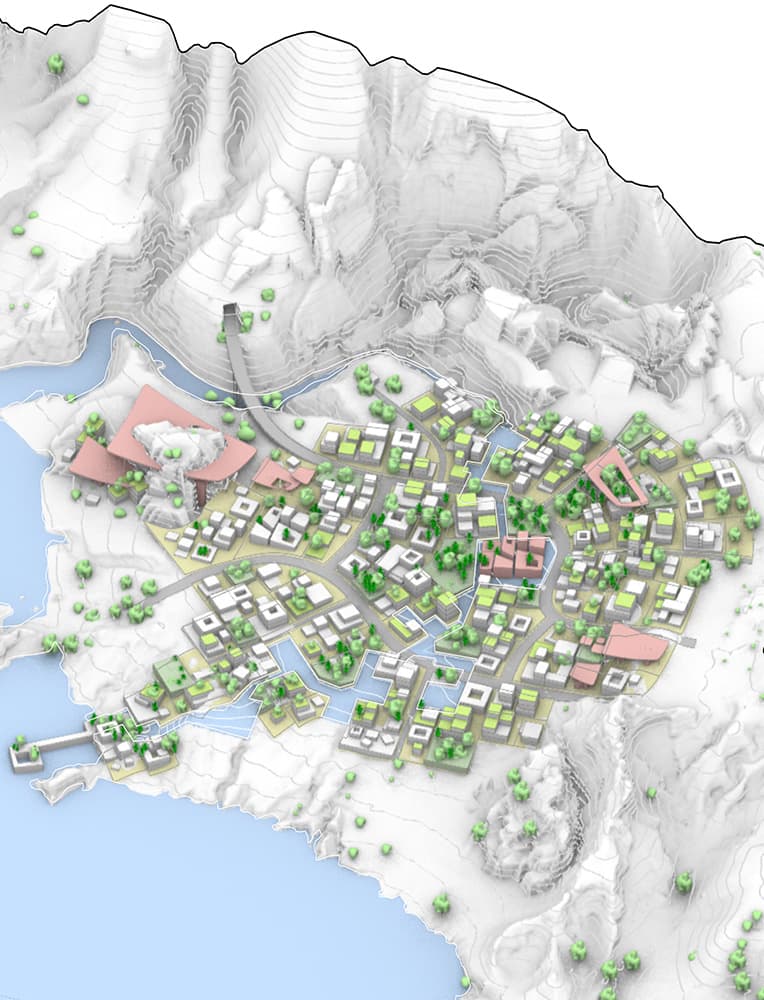
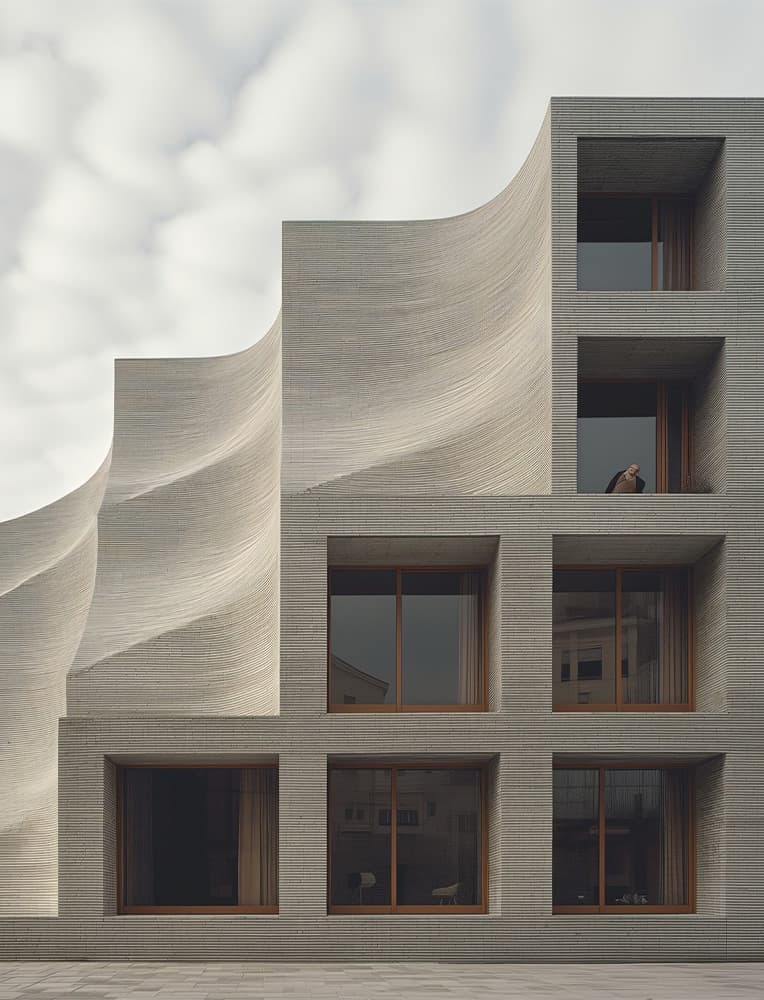
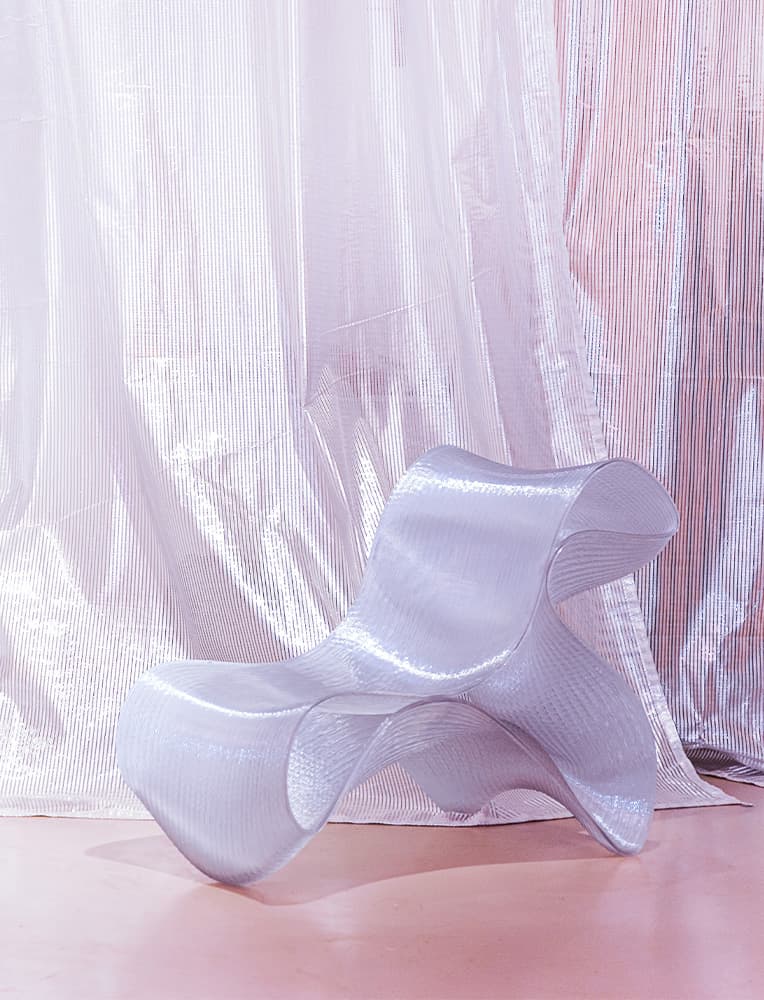
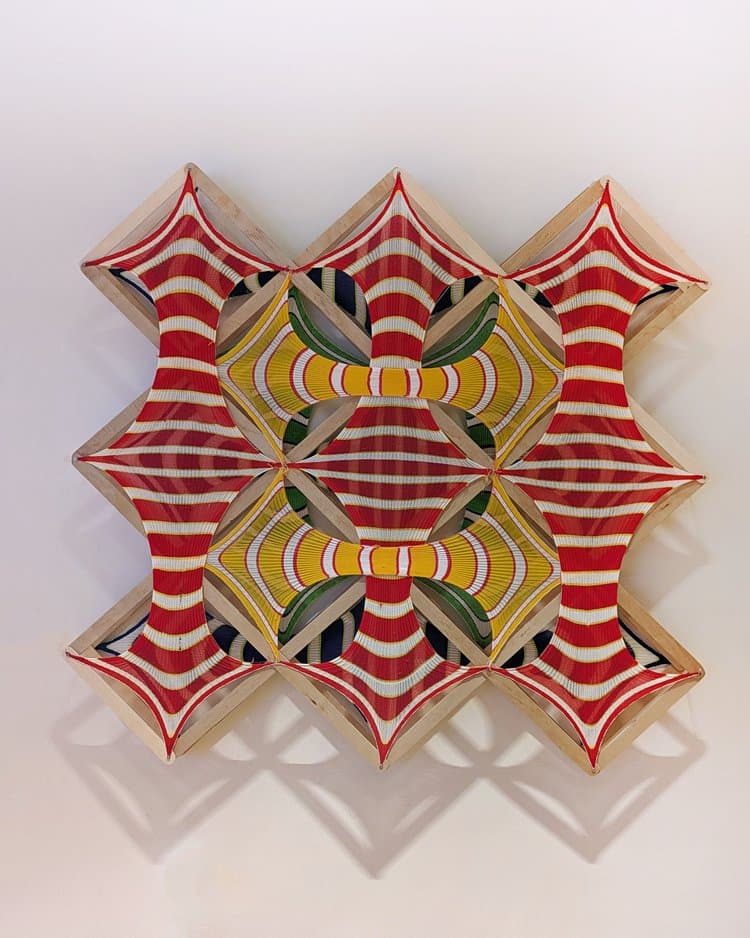
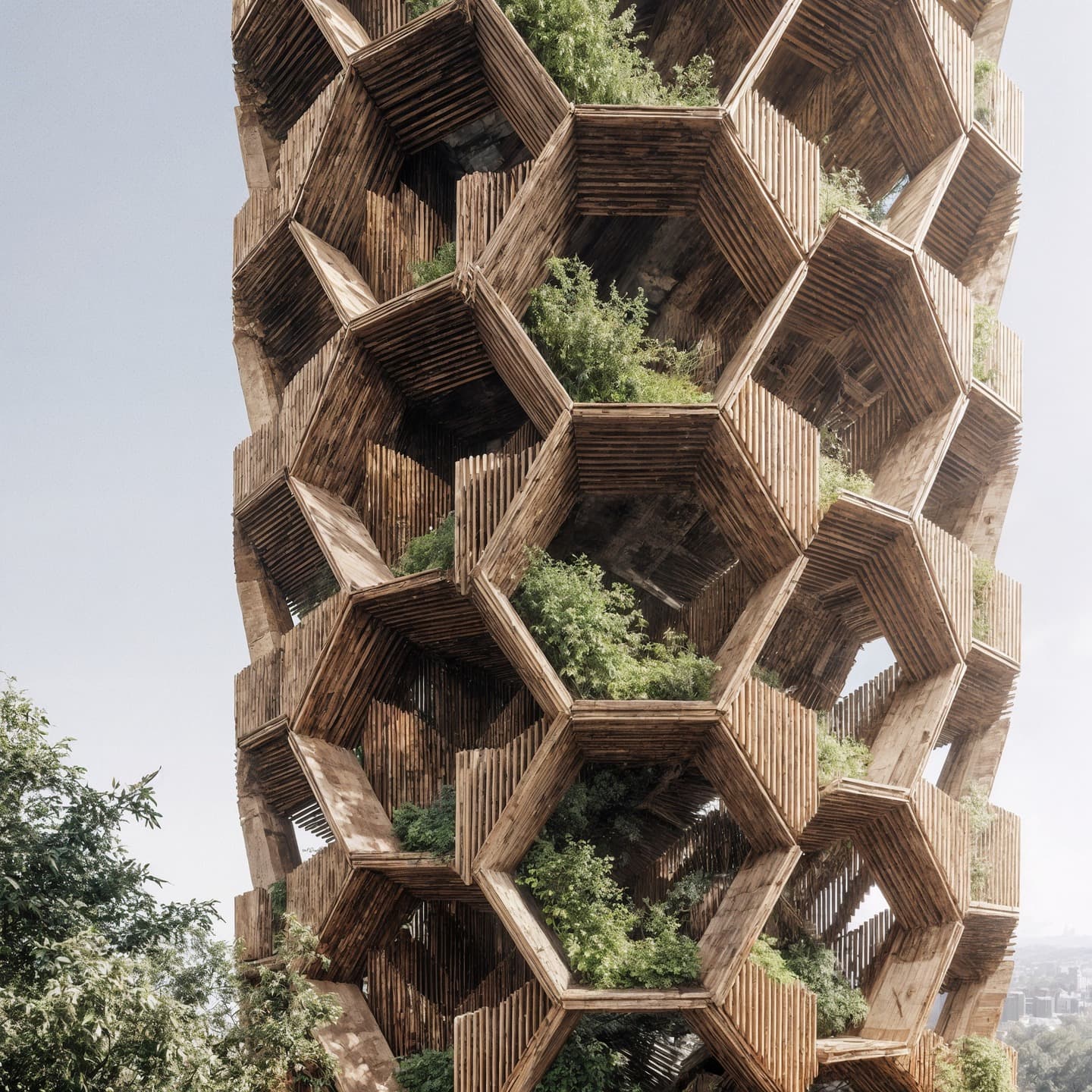
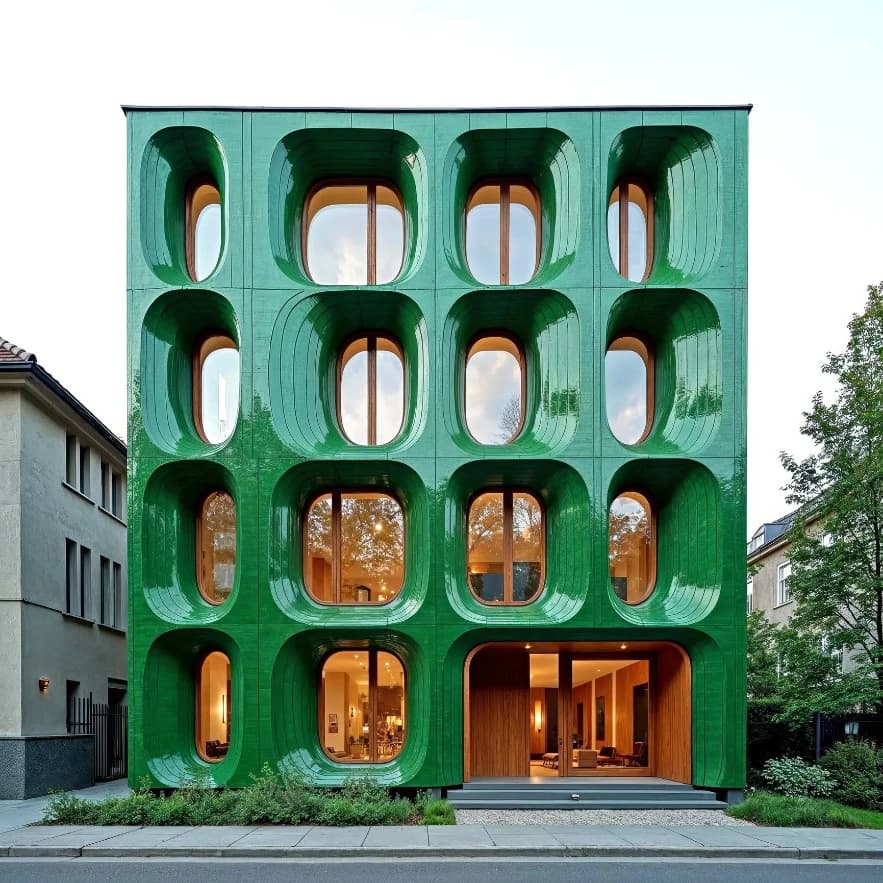
The workshop organizes its two days around four thematic investigations: material effects, spatial effects, formal vocabularies, and time-based outputs. Each theme follows an Information, Demonstration, Application sequence. The architect learns the underlying mechanics of the tool, sees it applied in real time, and then produces their own brainstorming matrix or storyboard.
Day one focuses on the foundations of prompting (both text and image prompts) and the advanced parameters that shape Midjourney's outputs. This is the scaffolding on which the rest of the workshop is built. Participants move quickly from writing their first prompts to exploring material and spatial effects through rapid iteration.
Day two introduces fine-tuning with custom mood boards, Omni References for storyboard continuity, and image-to-video generation. The ability to produce short architectural videos from still outputs is a relatively new capability for Midjourney users. The workshop treats it not as a separate discipline but as an extension of the same generative logic. If materials, spaces, and forms can be generated non- deterministically, so can sequences of time.
The Happy Accident as Design Method
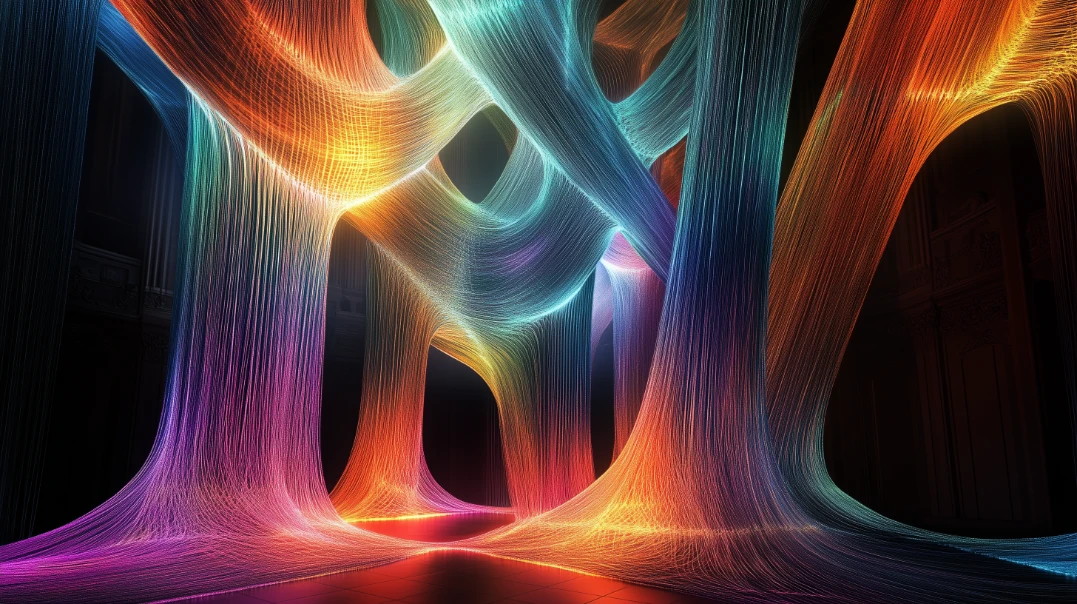
One of the most distinctive positions in the workshop is its embrace of the unexpected. Vermillion's methodology explicitly names the counter-intuitive, the uncanny, and the happy accident as legitimate design outputs. These are not errors to be corrected, but outputs to be studied.
In traditional architectural production, every deviation from intent is typically smoothed out before it reaches a presentation deck. In generative workflows, that deviation is often where the most interesting ideas live. A prompt that returns something you didn't expect, a lighting condition that renders in a way you hadn't considered, a material quality that feels impossible but reads as coherent. These are treated as prompts for further design thinking, not mistakes.
This shift in methodology echoes a longer lineage in architectural education, from Bernard Tschumi's programmed disjunctions to more recent work on indeterminacy as a generative strategy. What Midjourney offers is a way to operationalize that approach at speed, generating hundreds of variations in the time a traditional sketch would take.
Who the Workshop Is For
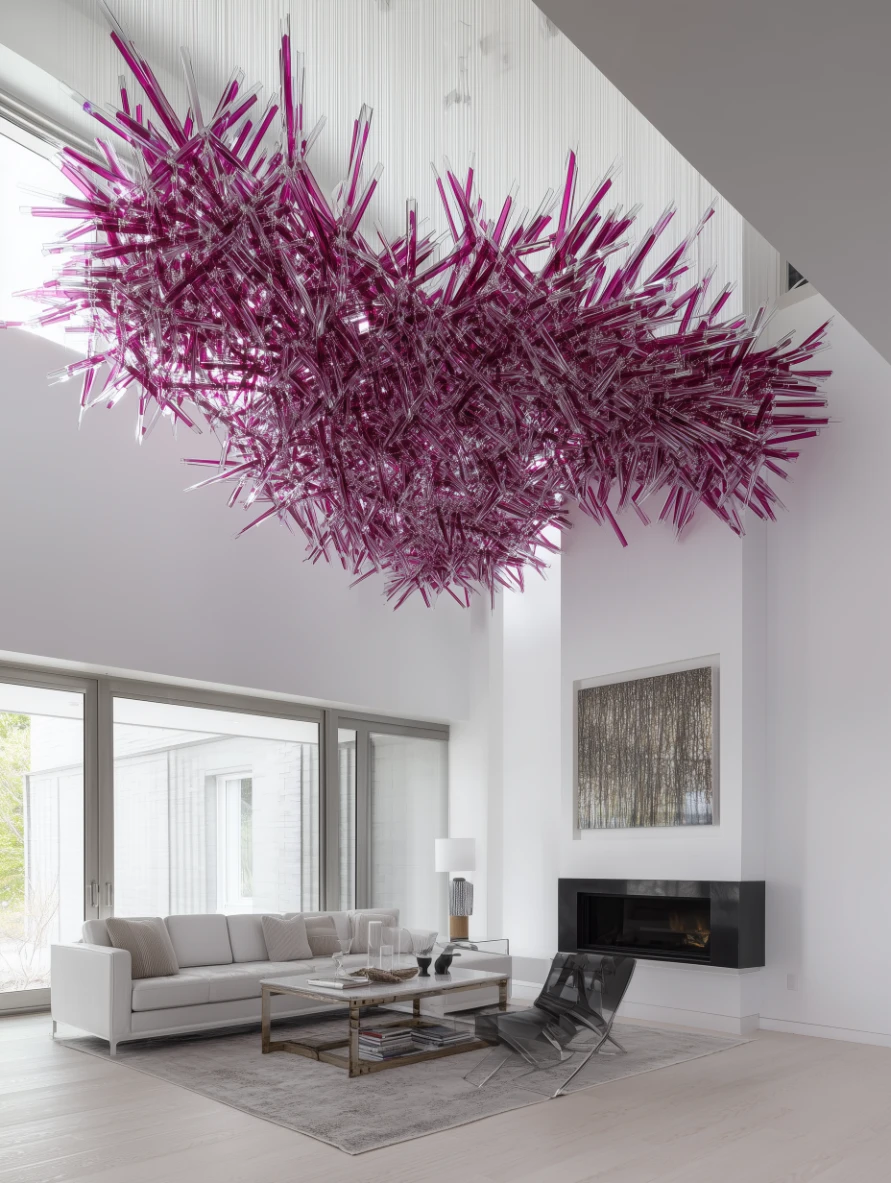
The workshop is designed for architects, designers, and students who want to integrate generative AI into their creative process, regardless of their prior experience with Midjourney. Participants who are new to diffusion models will learn prompting foundations.
Those with existing experience will move into advanced territory around custom mood boards, image prompting, and video generation. Joshua Vermillion brings substantial depth to the subject. An award-winning designer and professor at the UNLV School of Architecture, his work spans artificial intelligence, machine learning, computational design, digital fabrication, and robotics. His collaborations include the first AI/photography hybrid fashion magazine cover and editorial for Harper's BAZAAR, and creative research contributions with Samsung, Microsoft, Jaguar Land Rover, ELLE Décor, Sony Music, and Architectural Digest.
He has co-edited two books and presented peer-reviewed research internationally. This is practical expertise. The workshop reflects that. Participants leave not just with generated images, but with storyboards documenting their own AI-augmented workflows, which they can take back into their studios and adapt to real project work.
Why This Conversation Matters Now
The architectural industry is in the middle of its most significant workflow shift in two decades. Where BIM reshaped documentation and delivery in the 2000s, generative AI is reshaping the earliest stages of the design process. The studios that are adapting fastest are not the ones using AI to replace human judgment, but the ones using it to expand the range of ideas a single architect can meaningfully explore in a week.
Workshops like this one exist because the field is moving faster than conventional education can accommodate. Architects learning Midjourney in 2026 will be using it for concept presentations, material studies, client pitches, and early massing, all within the next project cycle. The gap between capability and methodology is closing, and the discipline is better for it.
What Vermillion's workshop offers is a clear, hands-on entry into that shift. Not AI as spectacle, not AI as shortcut, but AI as collaborator, operating within a structured architectural methodology. For practitioners looking to move from experimenting with prompts to integrating generative thinking into their actual design process, that distinction is the most important one.
Workshop Details
Generative Architectural Thinking with Midjourney is a two-day workshop held on Zoom on April 25 and 26, 2026, led by Joshua Vermillion. Participants learn text and image prompting for Midjourney, advanced parameter customization, mood board fine-tuning, and image-to-video generation. The workshop uses Midjourney and Manus AI.
Full details and registration: paacademy.com/course/generative-architectural-thinking-with-midjourney

.jpg&w=3840&q=75)

_22f146.webp&w=3840&q=75)

.webp&w=3840&q=75)