.webp&w=3840&q=75)
Article
Reverse Modeling: AI-Inspired Architecture was an intensive two-day PAACADEMY workshop exploring how AI-generated concepts can be transformed into precise 3D models and refined architectural visualizations. Bridging MidJourney, Rhino SubD, and Krea’s Nano Banana engine, the workshop demonstrated how designers can move from speculative AI imagery toward controlled, editable geometry. With professional insights from MVRDV’s design workflow, where rapid ideation, SubD precision, and AI-enhanced visualization increasingly interact, the sessions framed AI not as an endpoint but as a catalyst in a larger architectural process.
Throughout the workshop, participants learned to read AI images analytically, reconstruct them with architectural clarity, and visualize them with atmospheric depth. The methodology emphasized iteration, reasoning, and intentional design decisions over surface-level aesthetics.
AI Ideation: From Conceptual Spark to Architectural Clarity
.webp)
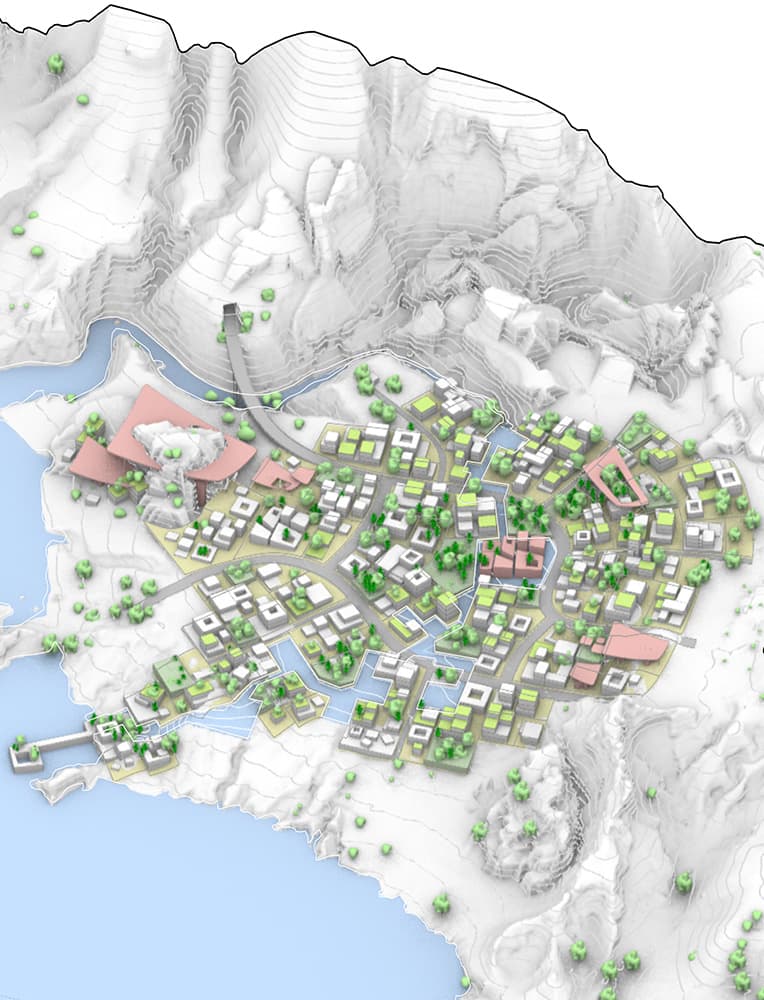
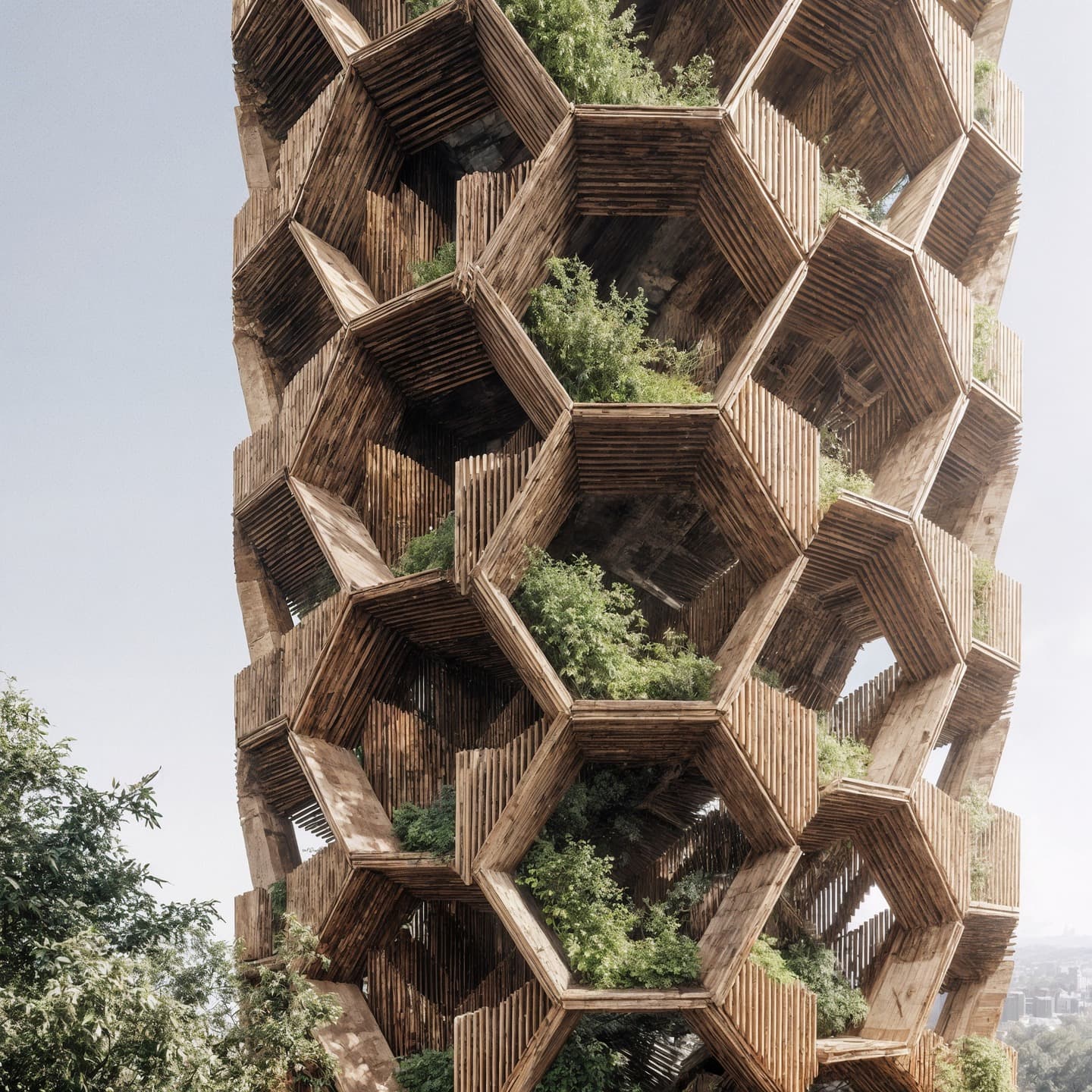
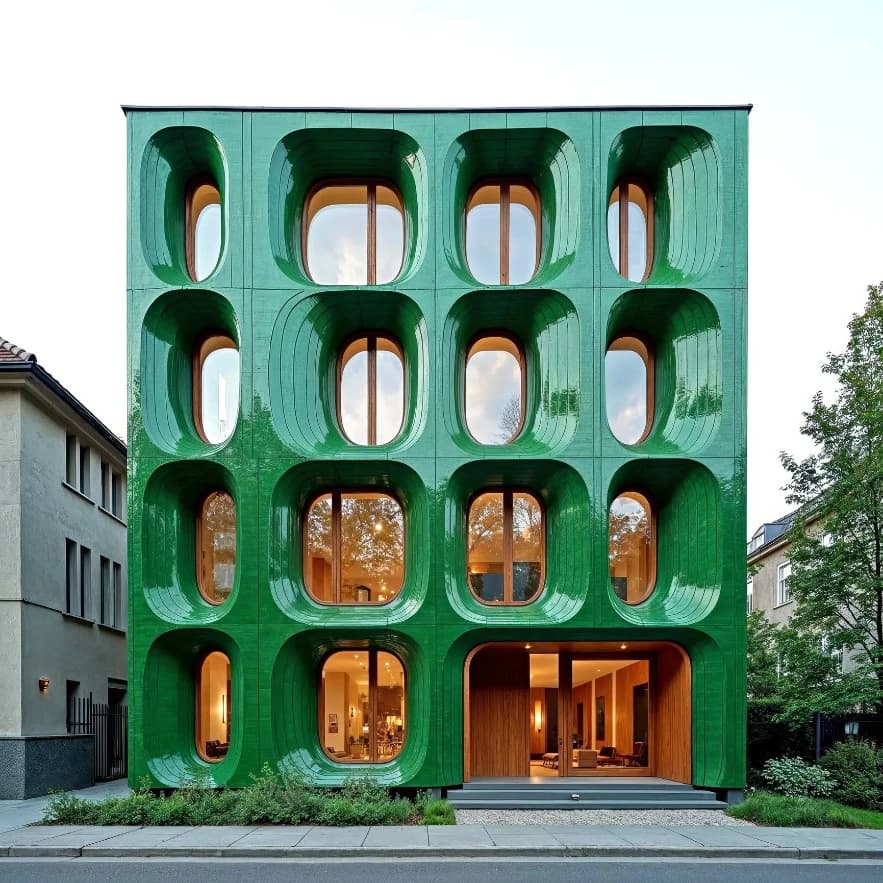
Day 1 began with generating and refining architectural ideas through MidJourney. Instructors guided participants through prompting strategies, remix tools, and image-based conditioning, methods commonly used within forward-thinking offices like MVRDV to accelerate early ideation. Rather than perfecting a single output, the workshop encouraged broad exploration, with each variation mapped across a shared Miro board to track conceptual evolution.
A central lesson was learning to “read” AI images the way a designer reads a sketch: identifying massing cues, structural hierarchies, and spatial behavior hidden within the generated visuals. By focusing on architectural legibility, participants identified which concepts were strong enough to transition into SubD modeling on Day 2.
SubD Modeling: Translating AI Intent into Constructible Geometry
.webp)
Day 2 shifted the workflow from image to model. Using Rhino SubD, instructors demonstrated how to reverse-engineer AI-generated forms into editable 3D geometry, an approach closely aligned with modeling strategies used at MVRDV for developing fluid or experimental massings.
Participants learned how to establish clean topology, manage edge flow, sculpt continuous surfaces, and refine models based on the AI-derived reference. SubD techniques enabled fast adjustments, organic shaping, and geometric precision, transforming loose AI speculation into a coherent architectural object.
By the end of the session, attendees had produced fully navigable SubD models ready for atmospheric visualization.
Visualization with Nano Banana: Atmosphere, Material, and Context
.webp)
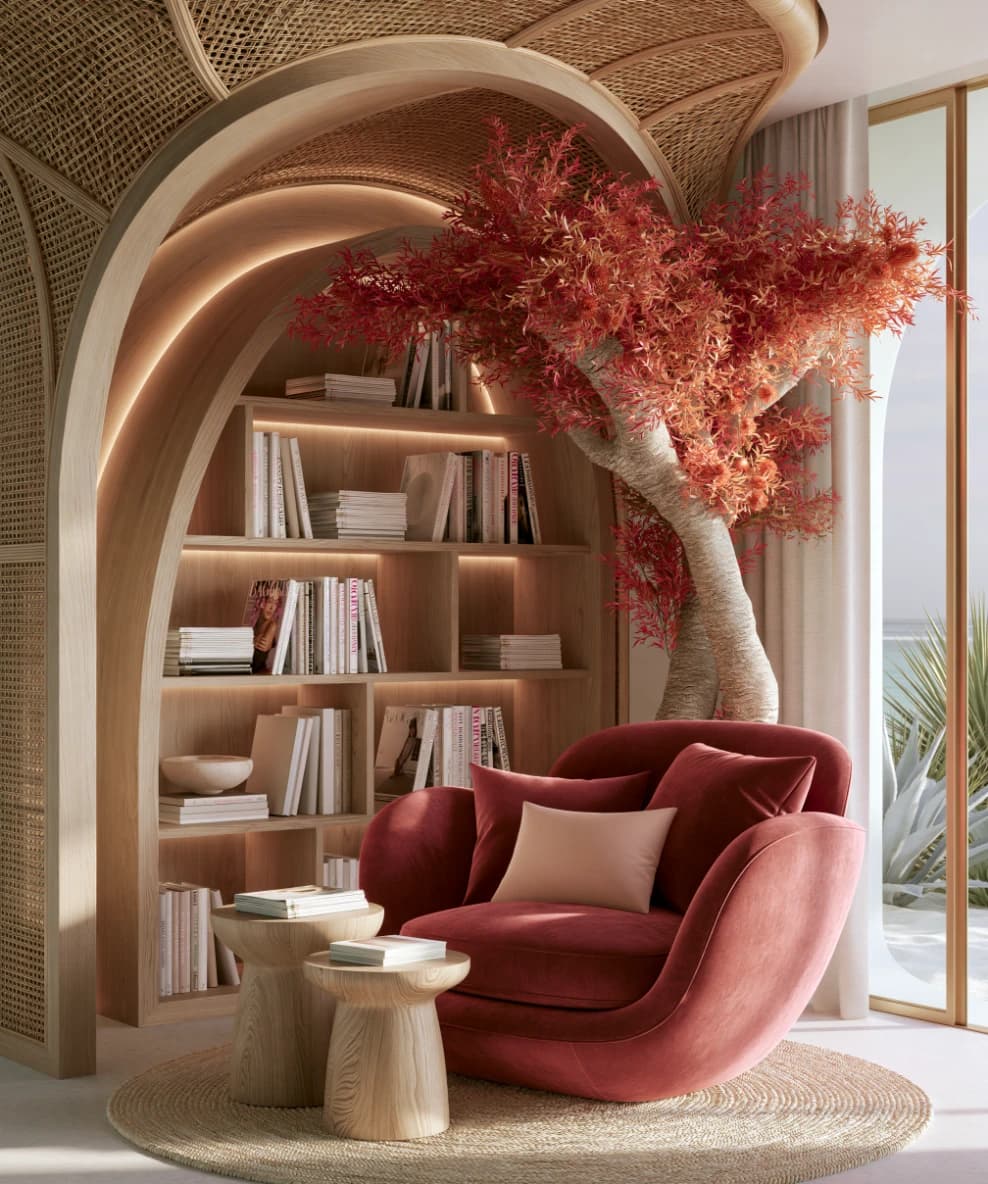
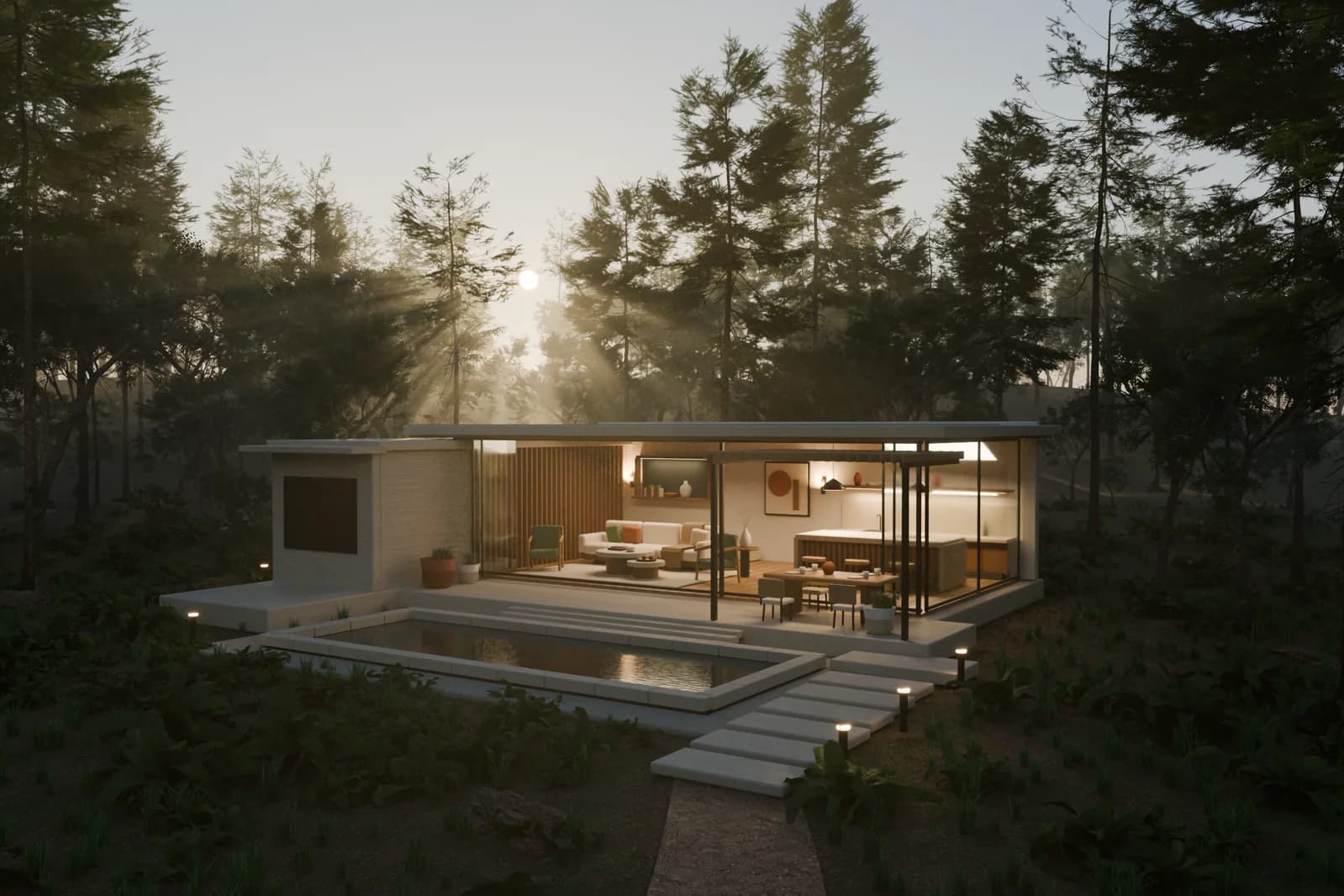
The workshop concluded with a visualization inside Krea’s Nano Banana environment. By feeding snapshots of their Rhino models into the system, participants generated contextualized images that preserved geometric intent while allowing for expressive atmospheres, daylight, night scenes, environmental mood, urban context, or natural surroundings.
Instructors illustrated how MVRDV-like workflows use such tools for quick environmental studies, contextual storytelling, and design communication. Nano Banana’s multimodal setup allowed participants to adjust lighting, push material qualities, and experiment with mood while maintaining control over form.
The result was a series of polished architectural visuals grounded in both AI creativity and precise modeling.
A New Workflow for AI-Assisted Architecture
.webp)
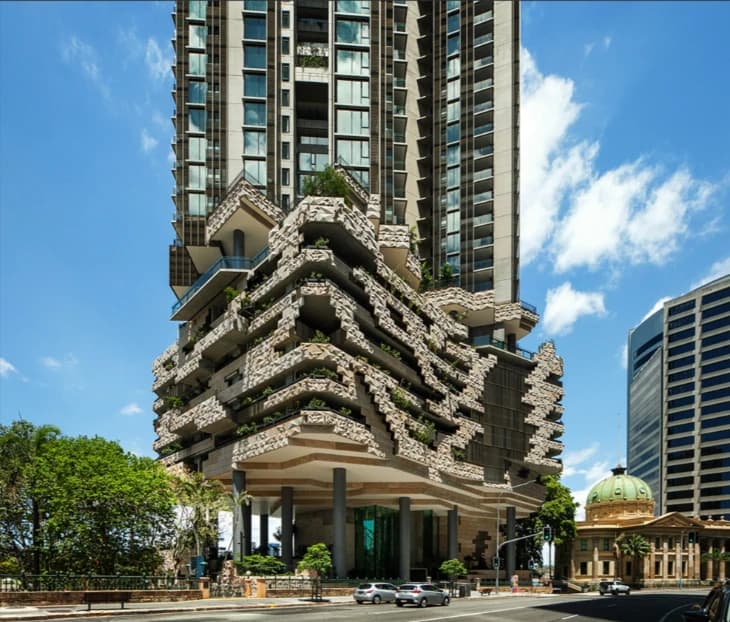
Across both days, Reverse Modeling: AI-Inspired Architecture revealed a new hybrid design workflow, one where AI sparks ideas, SubD modeling structures them, and visualization tools articulate their atmosphere. The workshop encouraged participants to treat AI as a collaborator rather than a shortcut, rebuilding concepts with intention and architectural rigor.
As tools evolve, this workflow echoes the practices emerging in forward-thinking studios like MVRDV, where designers combine generative intelligence, manual craft, and iterative refinement to shape the next generation of architectural expression.
Join the experience! Discover PAACADEMY’s upcoming workshops and stay at the forefront of design and technology.

.jpg&w=3840&q=75)