_22f146.webp&w=3840&q=75)
Article
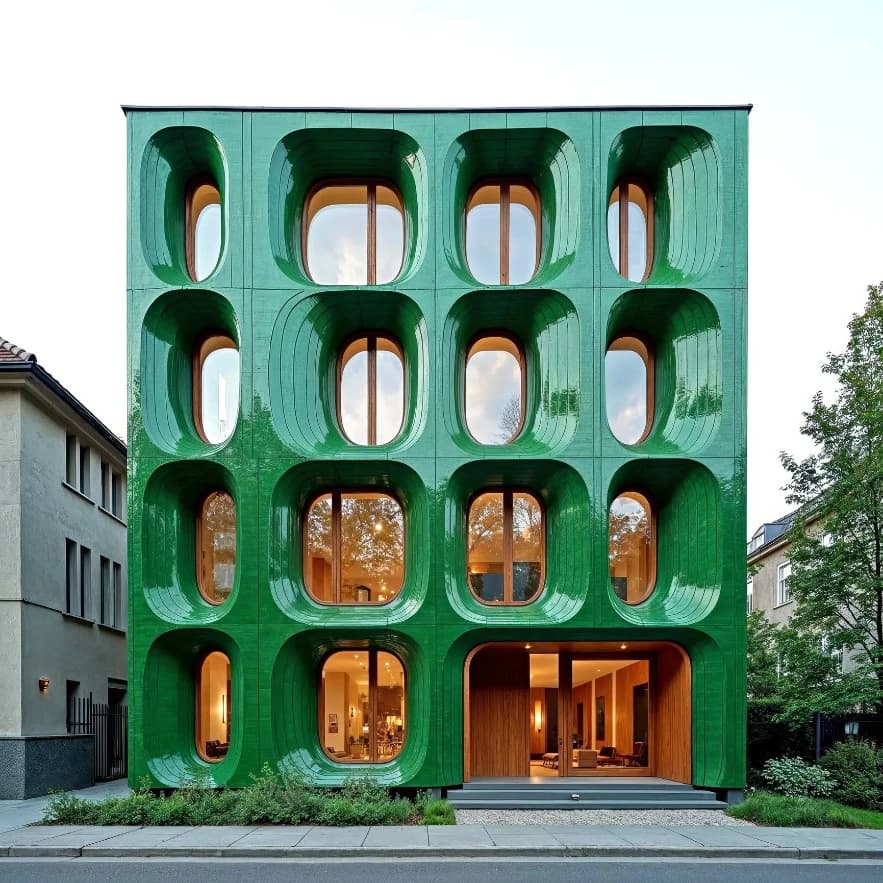
Architectural design nowadays increasingly relies on computation and generative intelligence to balance human ideas with machine logic, material constraints, and site conditions. The work of Kedar Undale exemplifies this systems-driven approach, positioning computation not as representation but as a mode of architectural thinking.
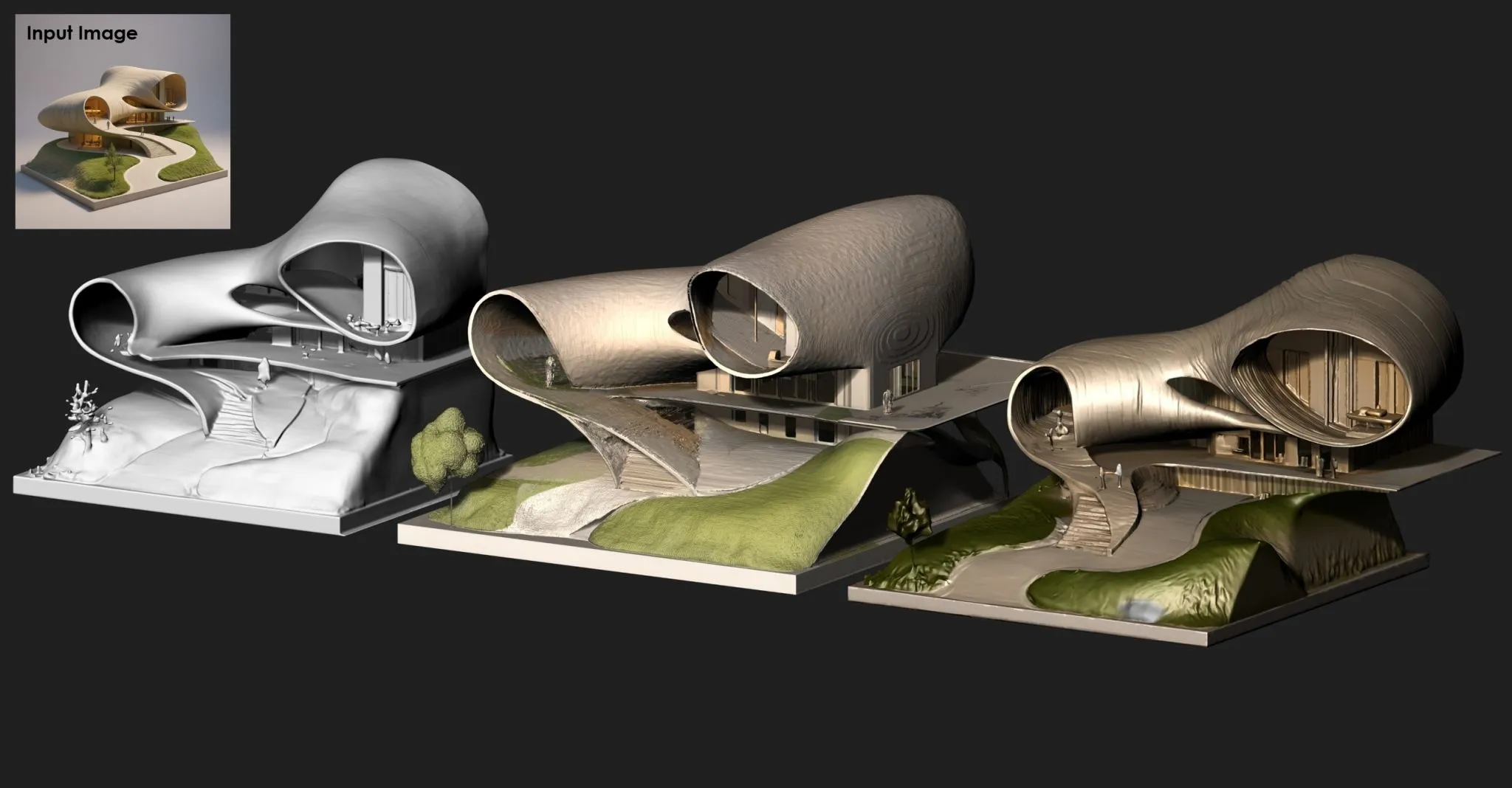
He is an architect, designer, and educator whose practice spans parametric design, computational systems, generative AI, and digital fabrication. Across his professional projects, research experiments, and teaching, Undale transforms designer intent into buildable structures, façade systems, interactive installations, and visualizations by bridging computation with real-world architecture.
Academic Foundations in Parametric and Computational Design
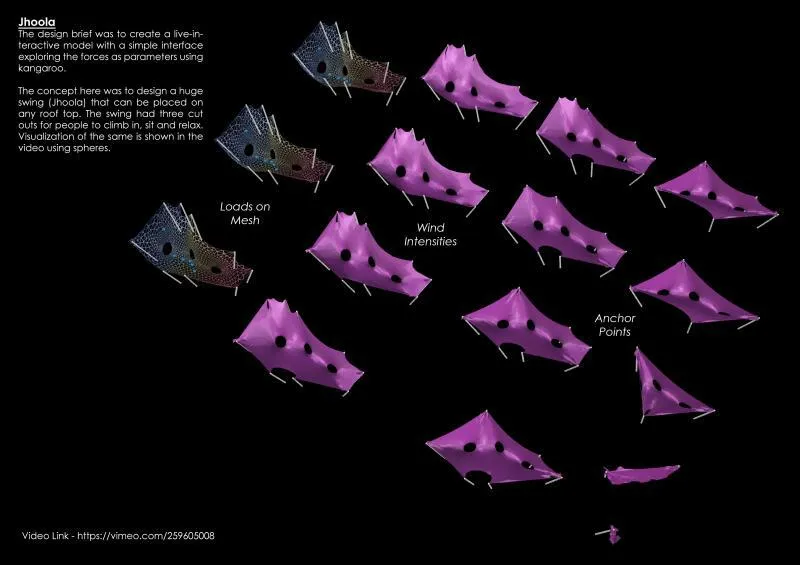
Kedar Undale’s approach to design is strongly shaped by his academic training in computational and parametric systems. He completed his master’s degree in Advanced Architecture at IAAC Barcelona, where his studies focused on computational design, digital fabrication, sensor-based systems, and immersive technologies like virtual and augmented reality. One of his academic projects, Jhoola, explored force-driven design using Kangaroo, resulting in a large interactive rooftop swing that responds to structural forces through a simple interface and installs across different rooftops.
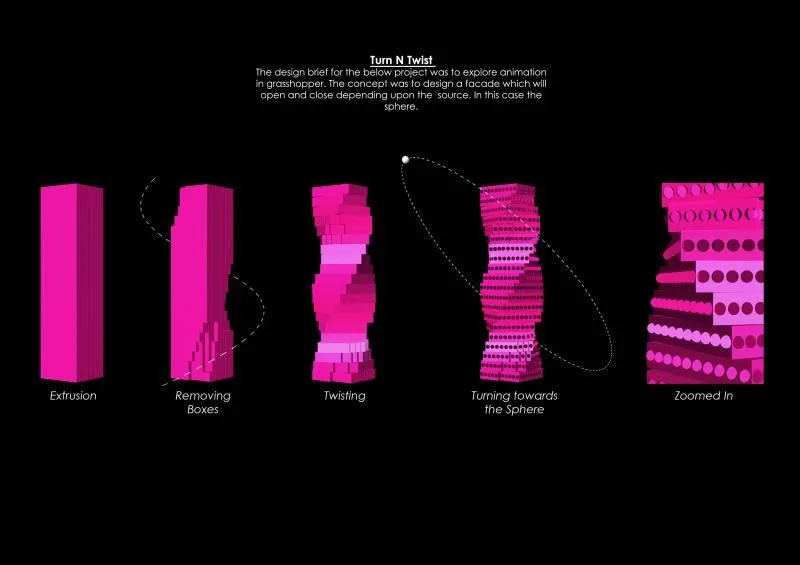
Another project, Turn N Twist, focused on parametric facades and used animation logic inside Grasshopper to drive opening and closing movements. Although the projects vary in scale and context, they share a common design approach that relies on computational systems and digital fabrication to develop concepts, solve problems, and execute technical details.
Kedar Undale Design Studio
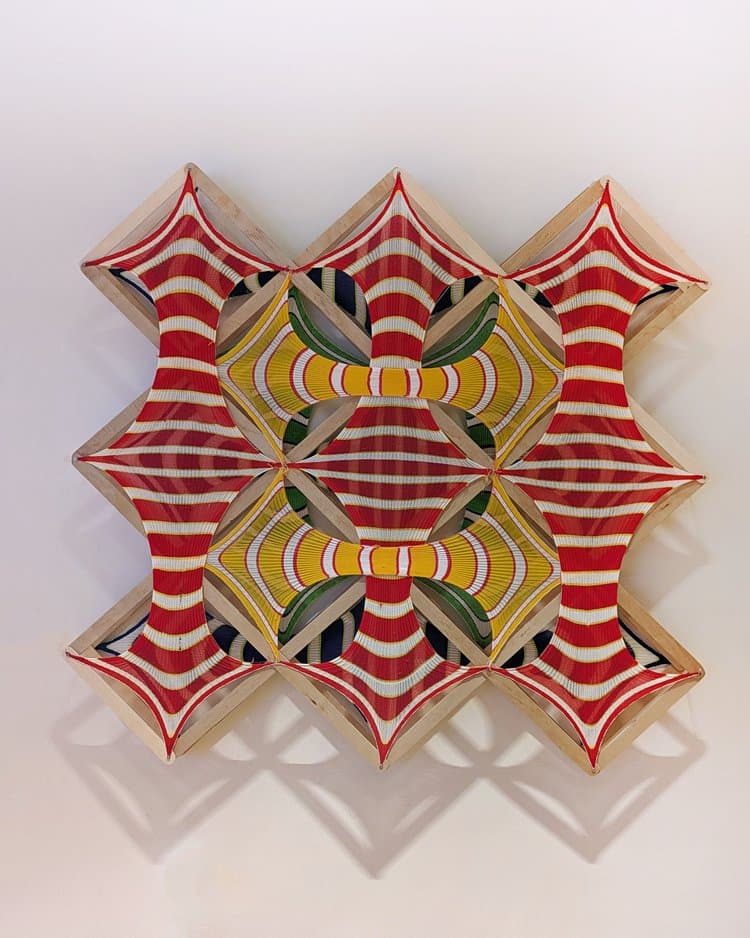
Kedar Undale also leads Kedar Undale Design Studio, which specializes in consulting, teaching, and parametric design. The studio works across furniture, industrial, and architectural projects, providing parametric design solutions. Recent work from the studio includes music visualization for Joshua Dowling (UK), digital fabrication workshops at Fab City in Belgaum, parametric jalli designs in Bijapur, and complete working drawings for a wedding hall in Chikodi.
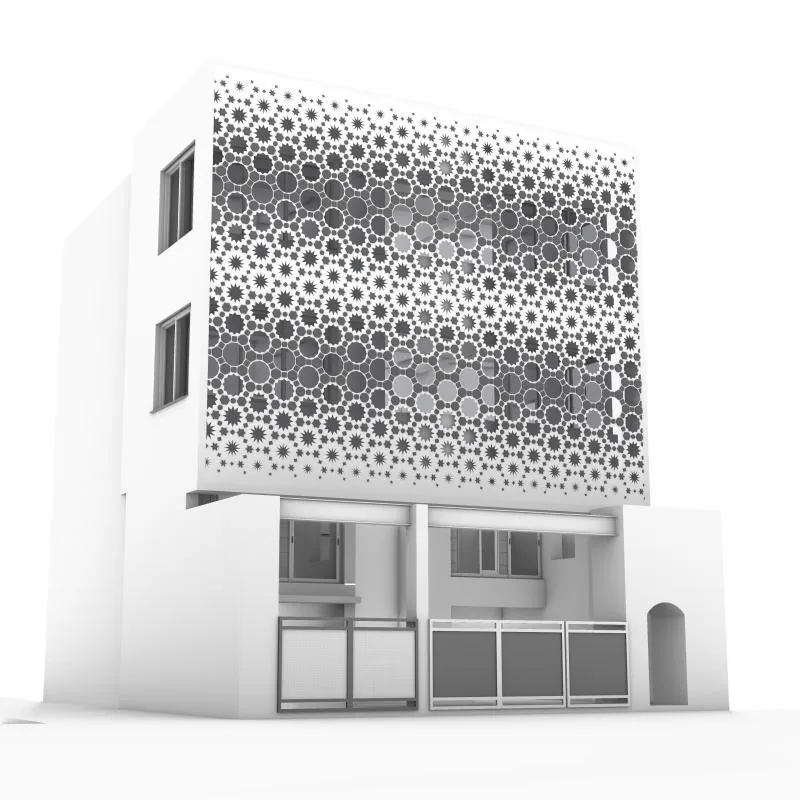
To support this workflow, Undale toolkit includes Rhino 3D and Grasshopper 3D for parametric modeling, SubD modeling, and ComfyUI with ControlNet for AI-assisted visualization. He complements this workflow with CNC milling, laser cutting, and 3D printing to implement site-integrated designs.
Computational Learning into Professional Practice
This computational way of thinking is directly reflected in Undale’s professional work. As a computational designer at Partisans in Toronto, his responsibilities included surface rationalization for high-rise buildings, panel segmentation strategies, and Grasshopper scripting within DFMA-based workflows.
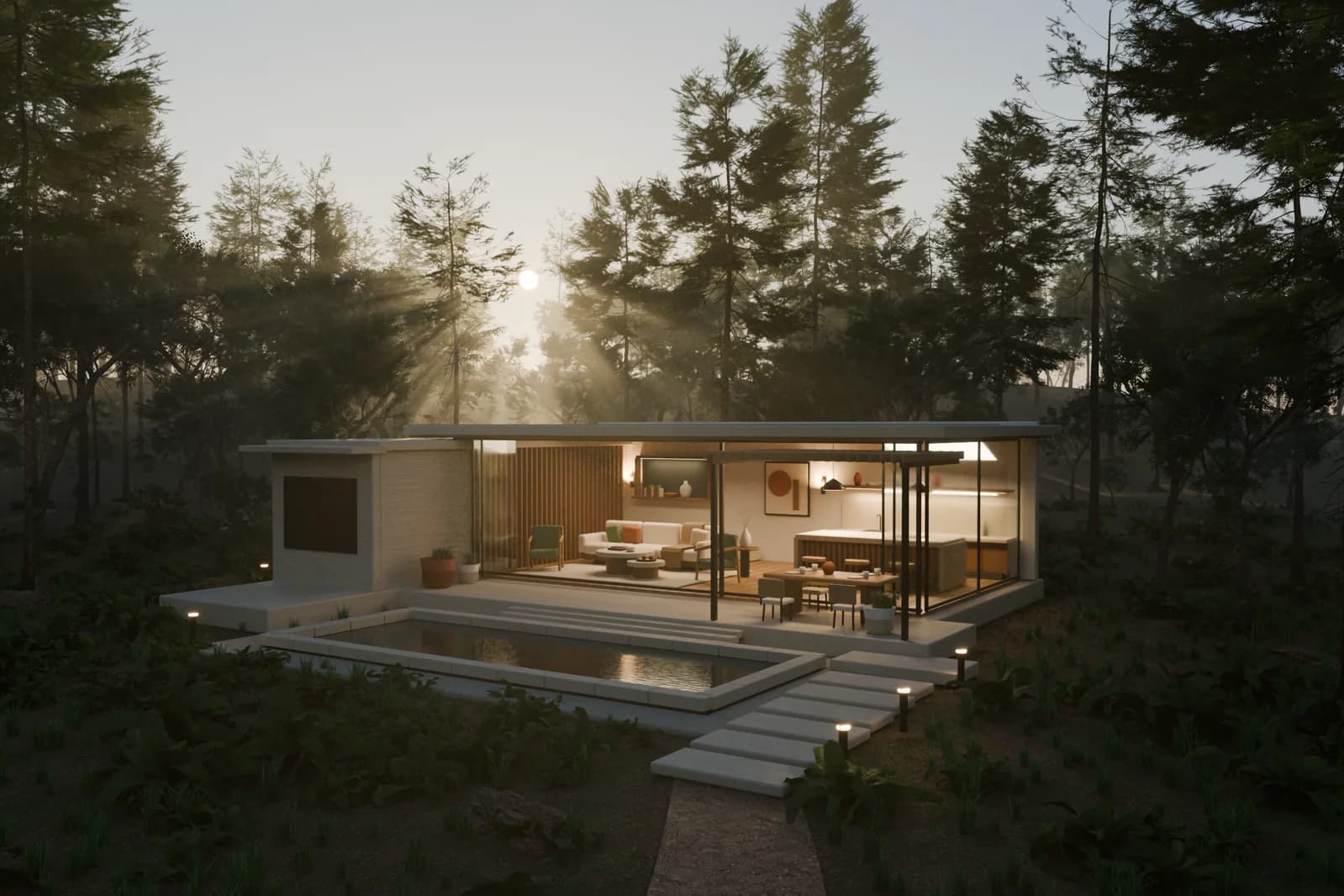
Undale’s work shows that generative logic informs design exploration and also the development of architectural systems ready for construction. He also helped design a boathouse, dining pavilion, and sauna bench in Ontario using SubD modeling in Rhino while carefully coordinating with building codes, bylaws, spatial constraints, and structural documents.
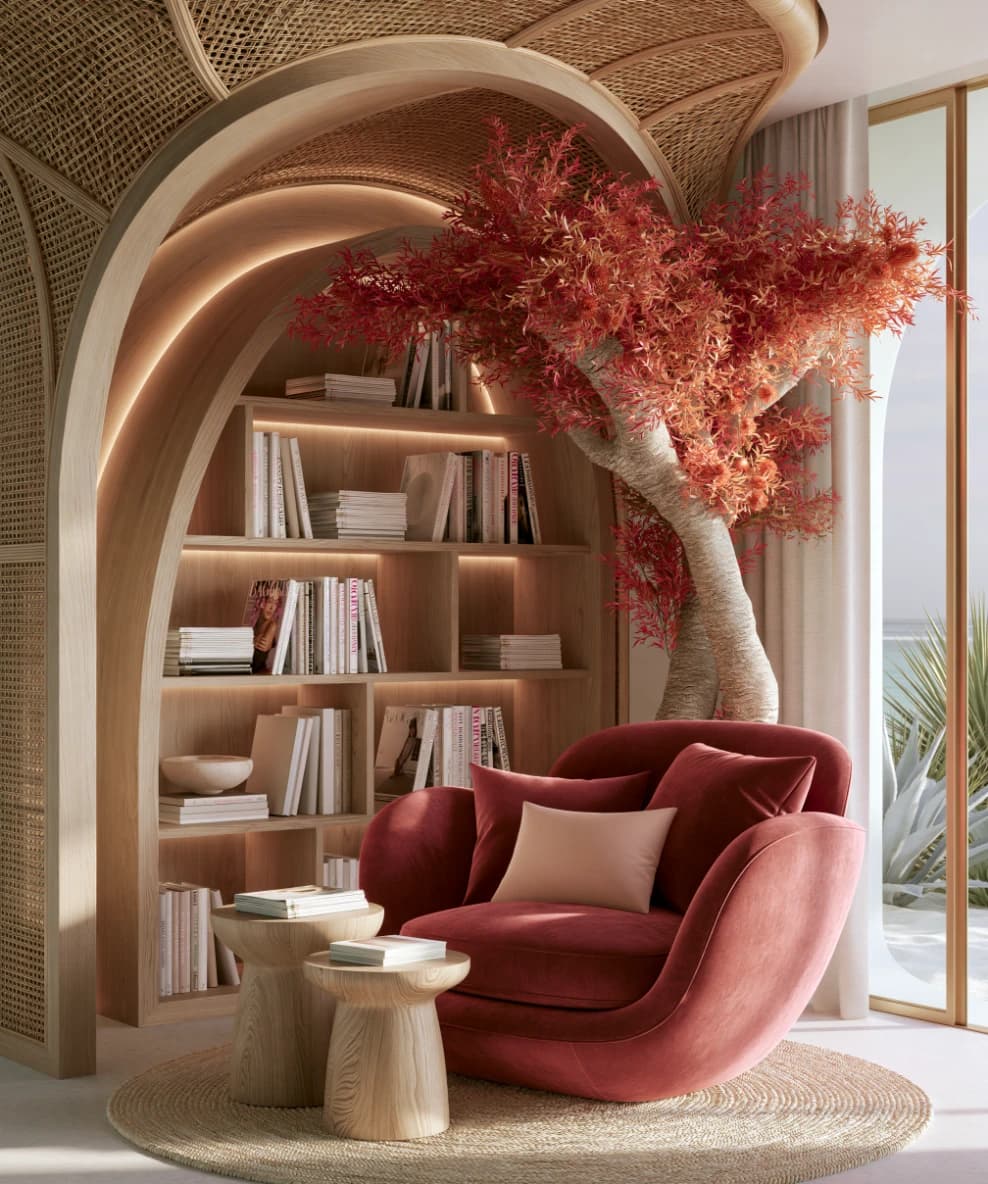
Alongside architectural practice, Undale works as a freelance AI engineer with Madespace.ai, where he develops ComfyUI-based workflows for an interior design application. His work focuses on improving rendering speed, visual accuracy, workflow stability, and building new features for future product development. This experience strengthens his ability to combine computational logic with AI-driven systems in practical design environments.
Using Generative AI in Architectural Visualization
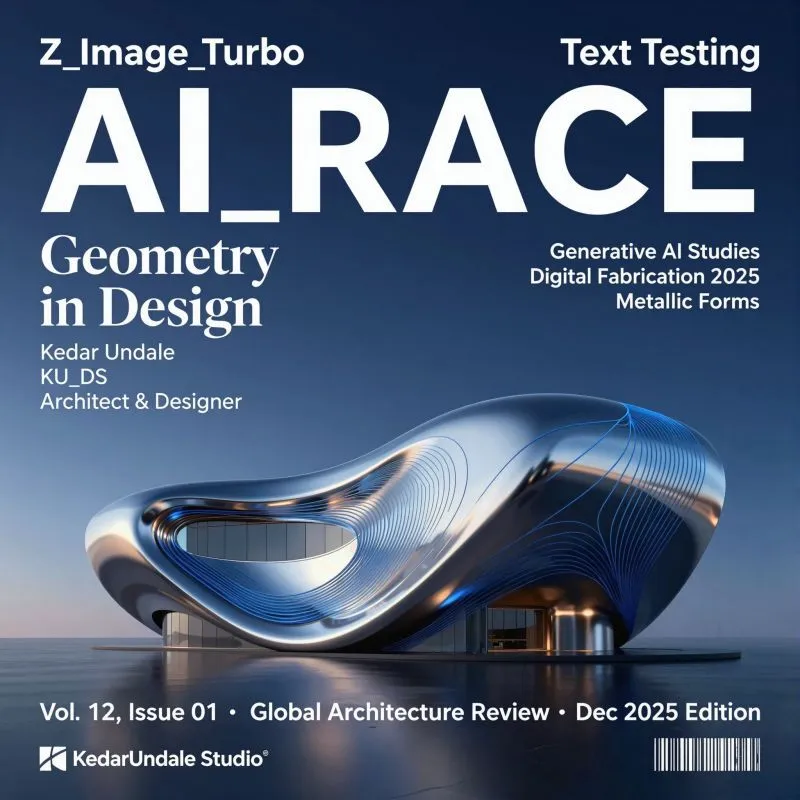
Kedar Undale's work focuses on how generative AI works in architectural representation and visualization workflows. In his Text Testing with Z Image Turbo project, he created an architectural magazine cover titled "AI RACE" to evaluate an open-source model's ability to create photorealistic architecture using structured text.
The resulting image shows a metallic residence form with sweeping curving geometry, reflective surfaces, and a parametric facade against a smooth blue gradient background. The experiment showed that the model could produce photorealistic architectural imagery with correct text layout and visual hierarchy in very few attempts, suggesting that smaller AI models can be effective for architectural visualization.
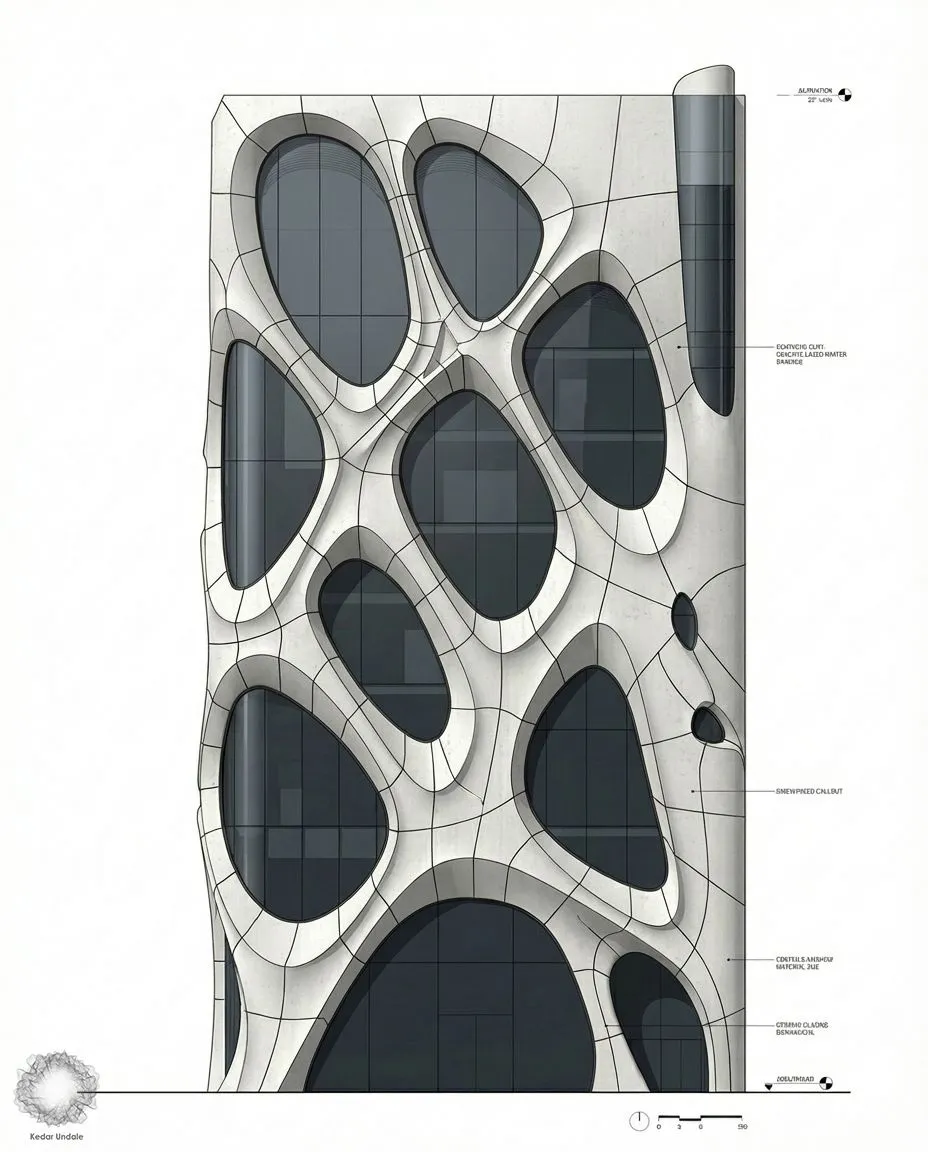
Another experiment, Nano Banana Pro x Façade Paneling, explored whether AI could predict façade panel layouts on complex geometries. The results showed that panel seams adapted well to curved surfaces and window openings, although issues related to clustering and constructibility remained. But this shows a diminishing gap between AI visualization and implementation-ready architectural workflows.
Using Computational Systems to Visualize Intangible Forces
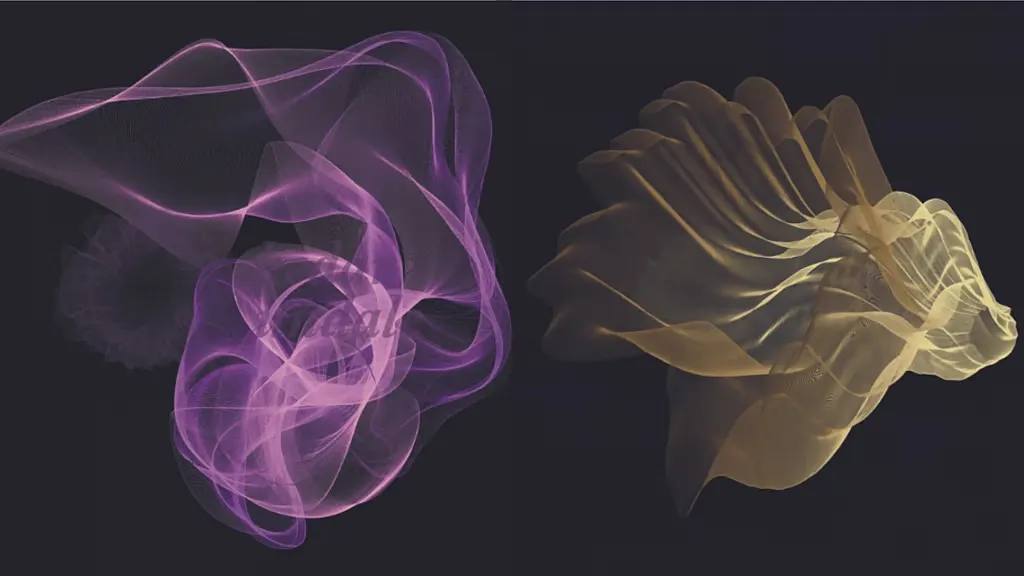
Beyond form and visualization, Undale’s work explores how computational systems can translate intangible forces into architectural form. He explored translating intangible elements such as sound, wind, and gravity into architectural form through computational methods as seen in projects like Shimmer, tonesInscribed, and redMusic. He also experiments with image-based parametric transformations to study how patterns and geometries react to different inputs.
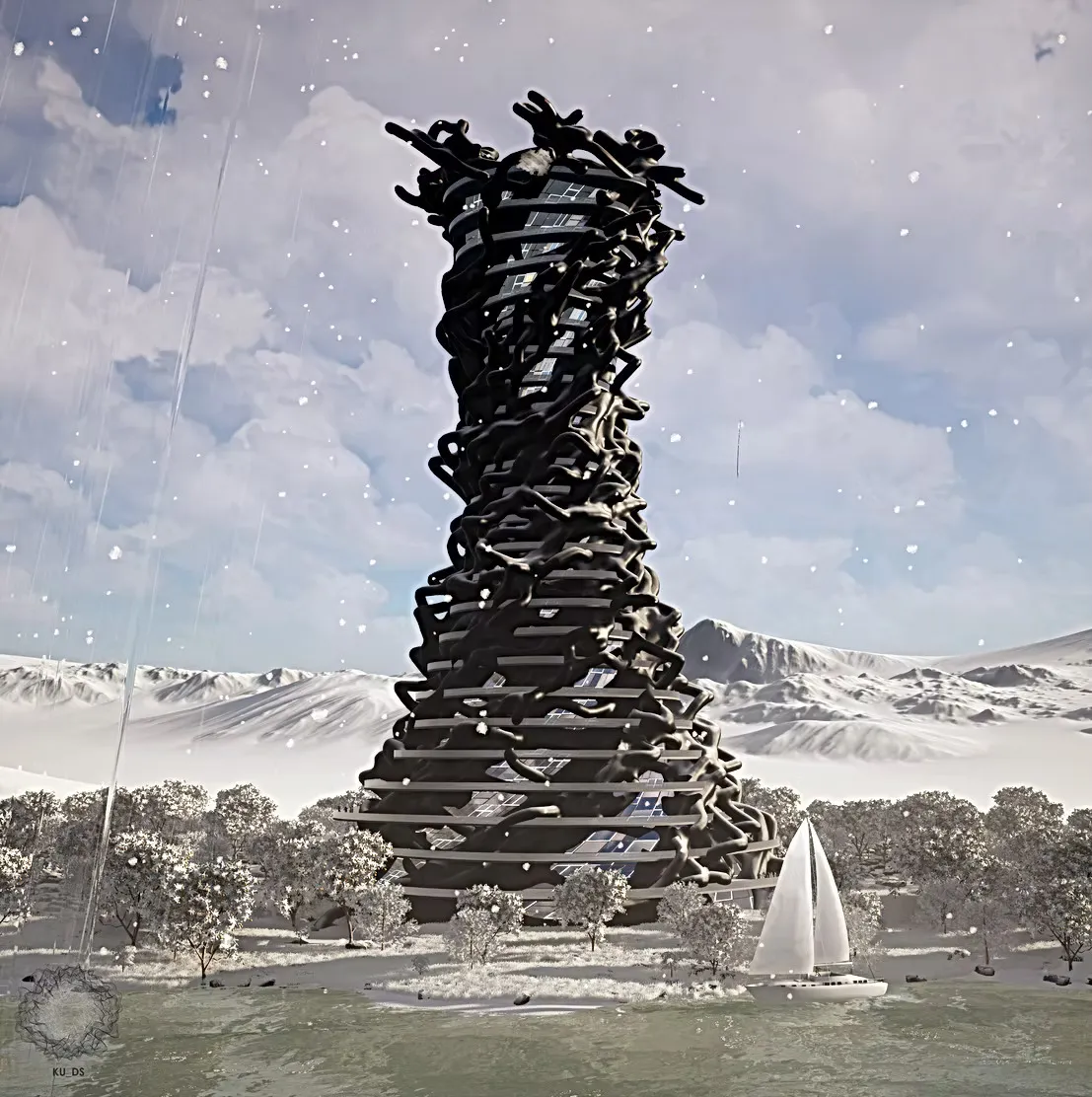
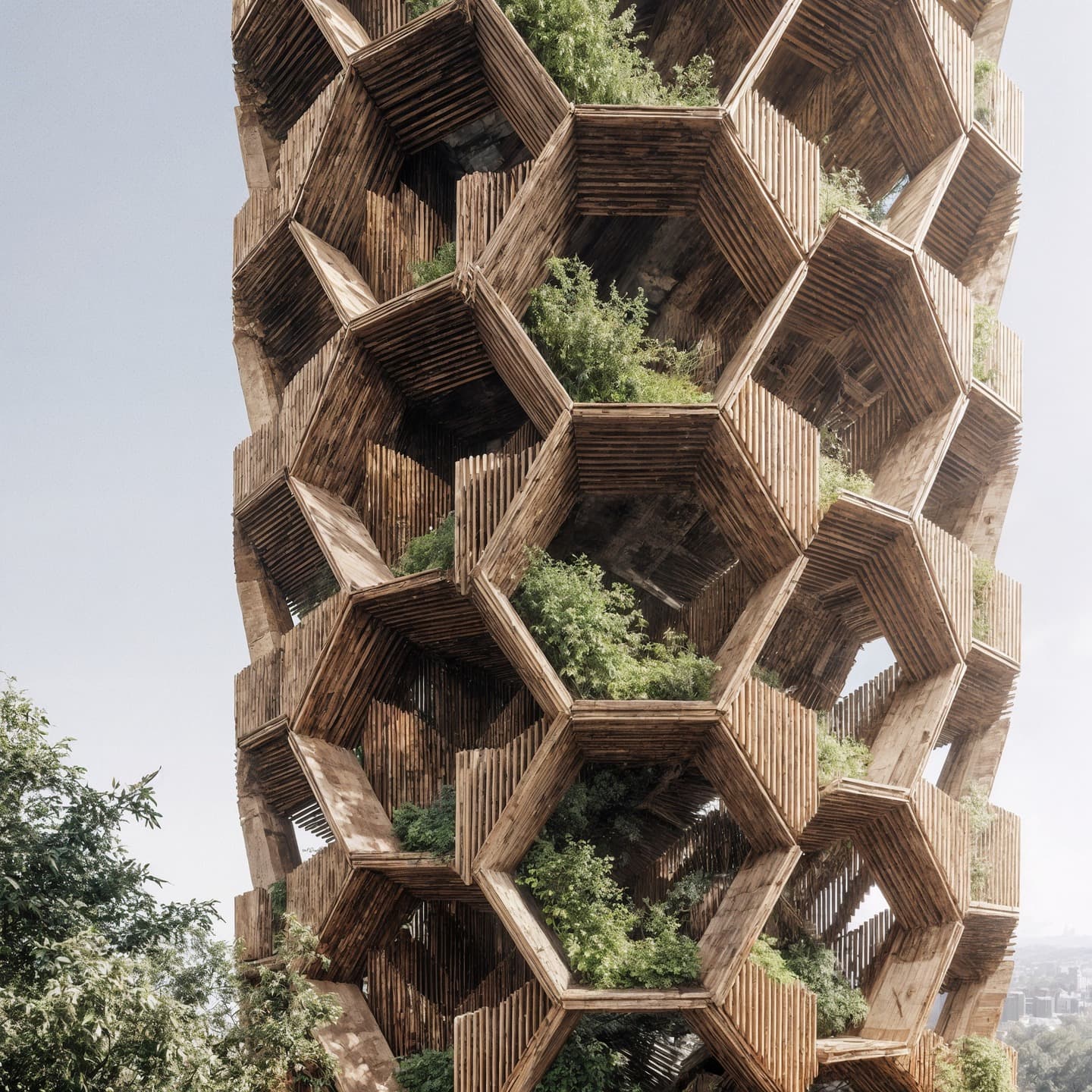
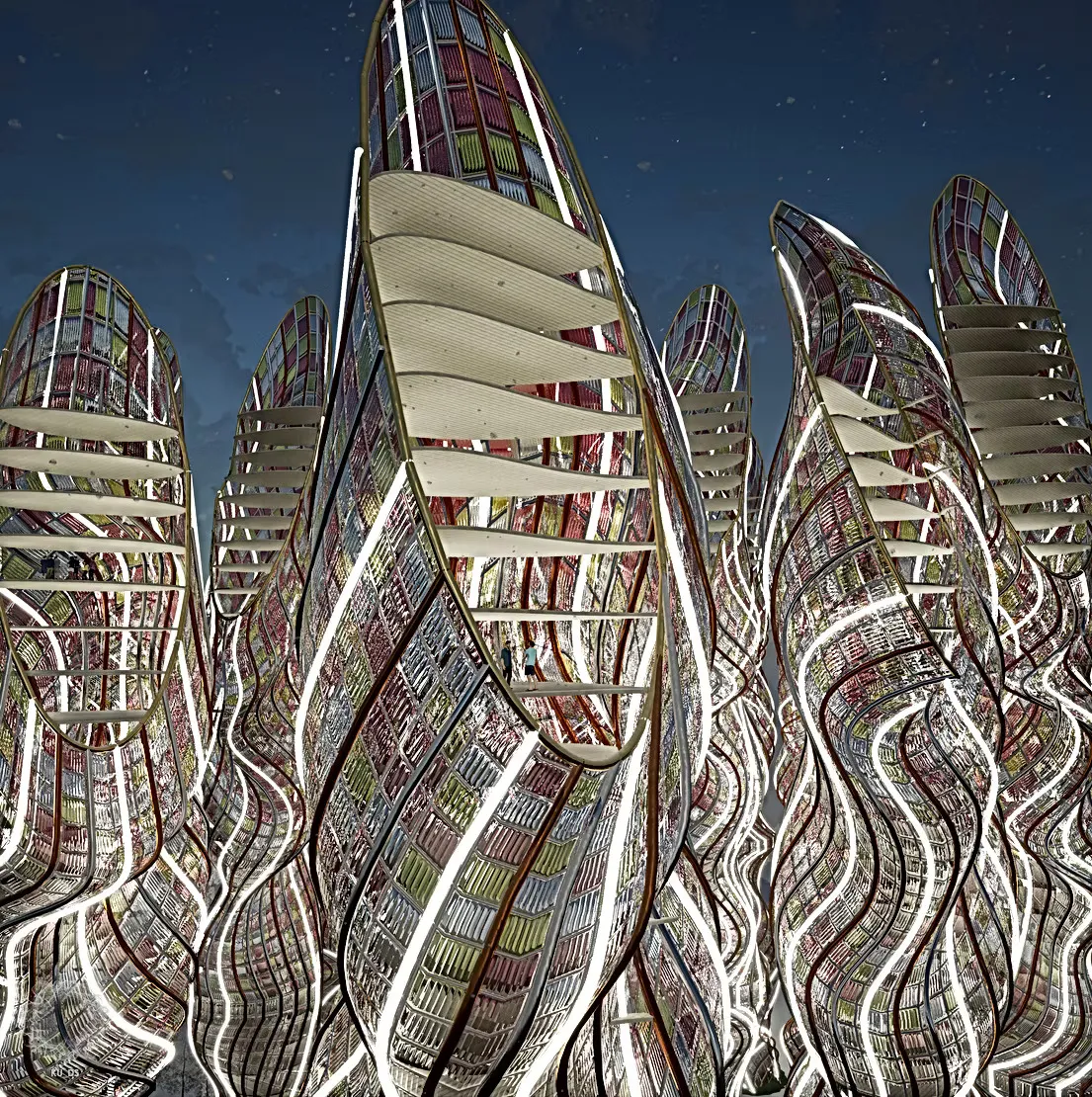
In the Parasite Invasion project, Undale used agent-based systems to generate tentacle-like geometries on a speculative offshore tower. Here, 1,000 computational agents emerge from the ground and connect to points across the structure, demonstrating how emergent behavior can shape building form using Grasshopper3D scripting and Twinmotion visualization.
Kedar Undale’s Teaching and Design Workflow
Undale has over five years of teaching experience at institutions including CEPT University, DigitalFUTURES, InterAccess Canada, Unitedworld Institute of Design, and PAACADEMY. He teaches parametric thinking as a design approach, showing how computational systems and AI interpret sketches, depth maps, and geometric signals through tools such as ComfyUI, ControlNet, and IPAdapter.
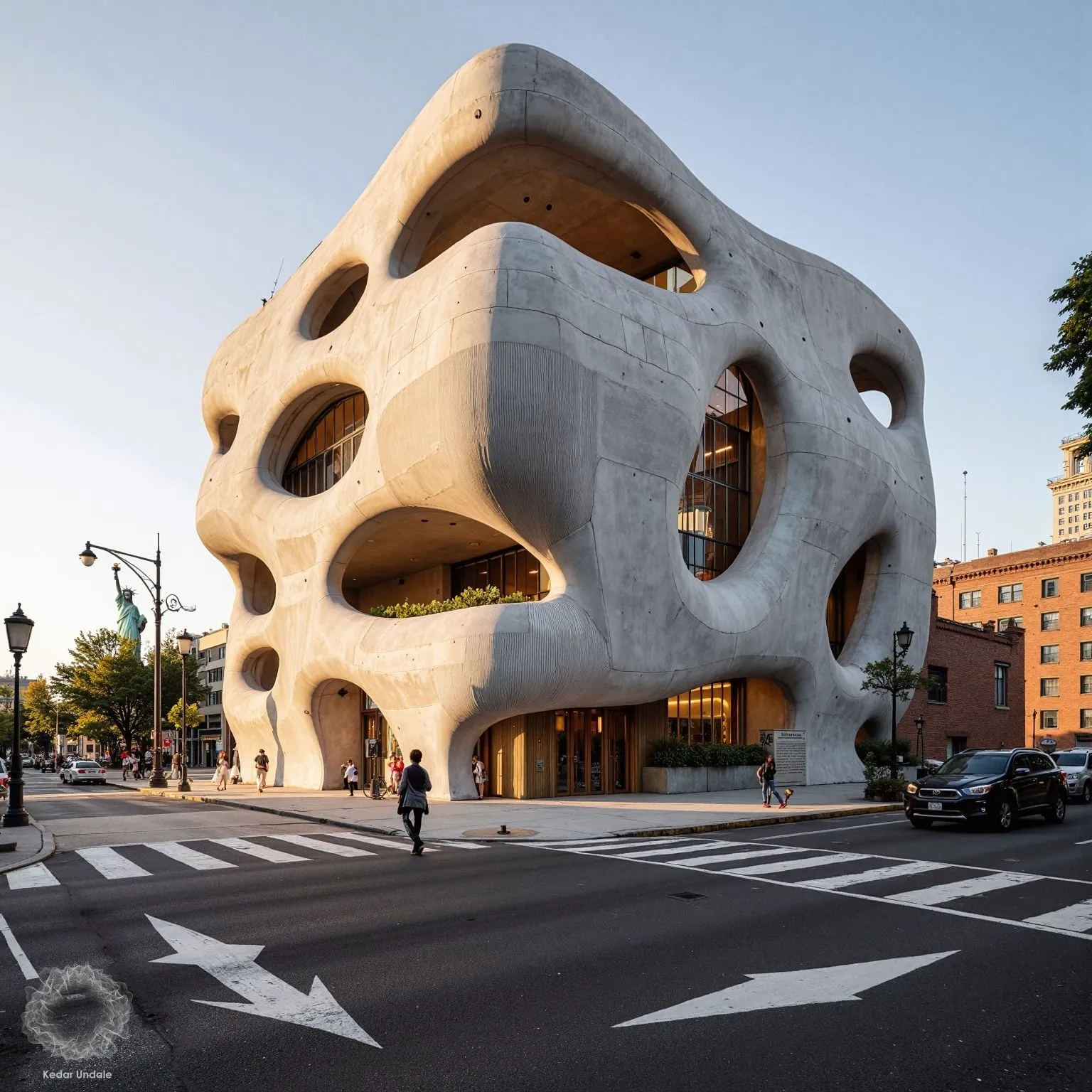
If his design philosophy sparks your curiosity, you can check out Kedar’s upcoming PAACADEMY workshop AI & Parametric Negotiation 2.0 , on January 3–4, 2026. He shows how parametric systems and AI transform abstract pattern animations into architectural renderings using Rhino3D, Grasshopper3D, and ComfyUI with AI models like Flux, SDXL, and Gemini 2.5. Moving beyond a command-based workflow, you’ll learn to balance your design intent with AI interpretation and step confidently into the parametric world.
Kedar Undale uses parametric scripts, AI models, and computational tools across architecture, visualization, and education. As an educator, he helps architects and designers develop parametric thinking while applying computational concepts like façade logic, agent-based systems, and data-driven transformations to buildable design solutions.

.jpg&w=3840&q=75)