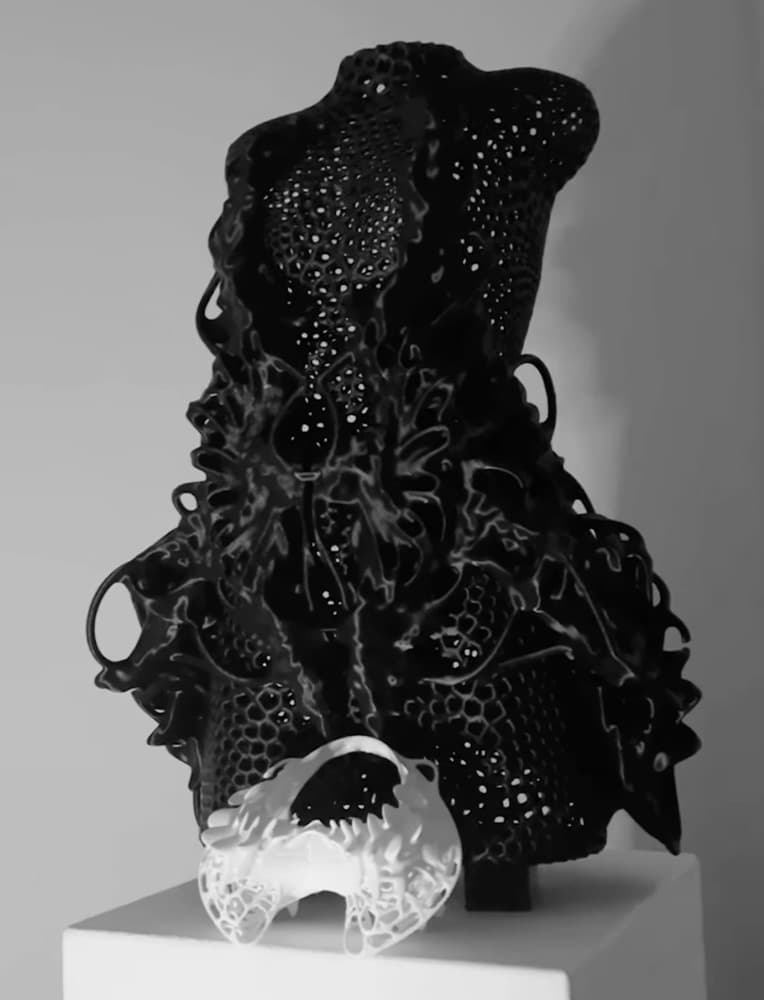
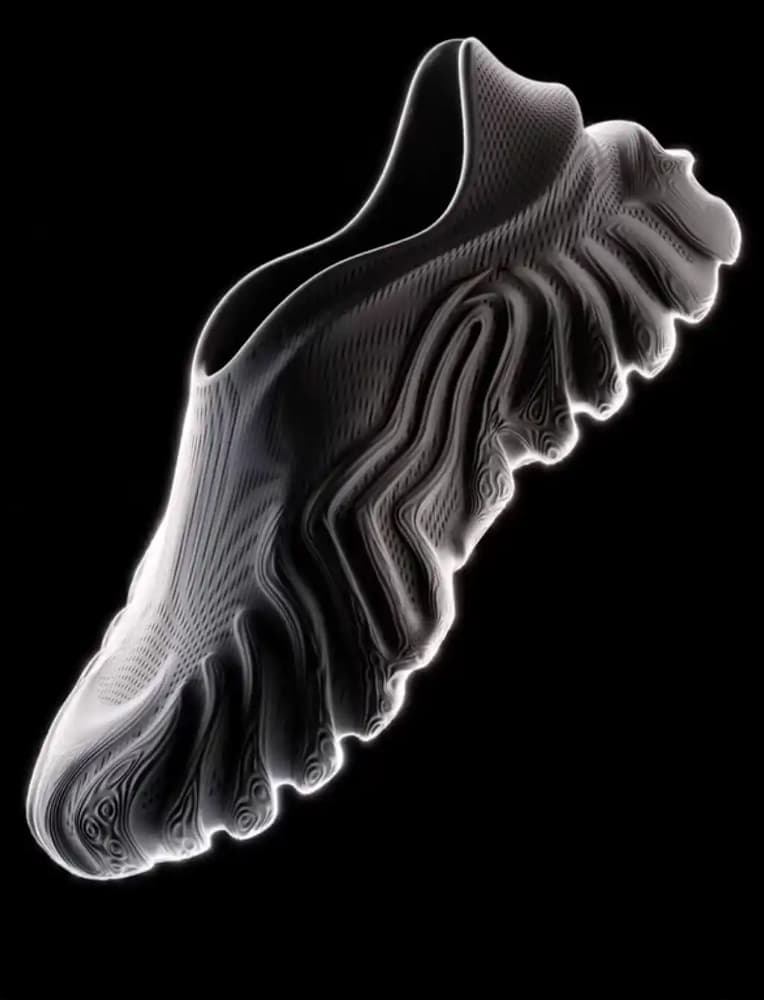
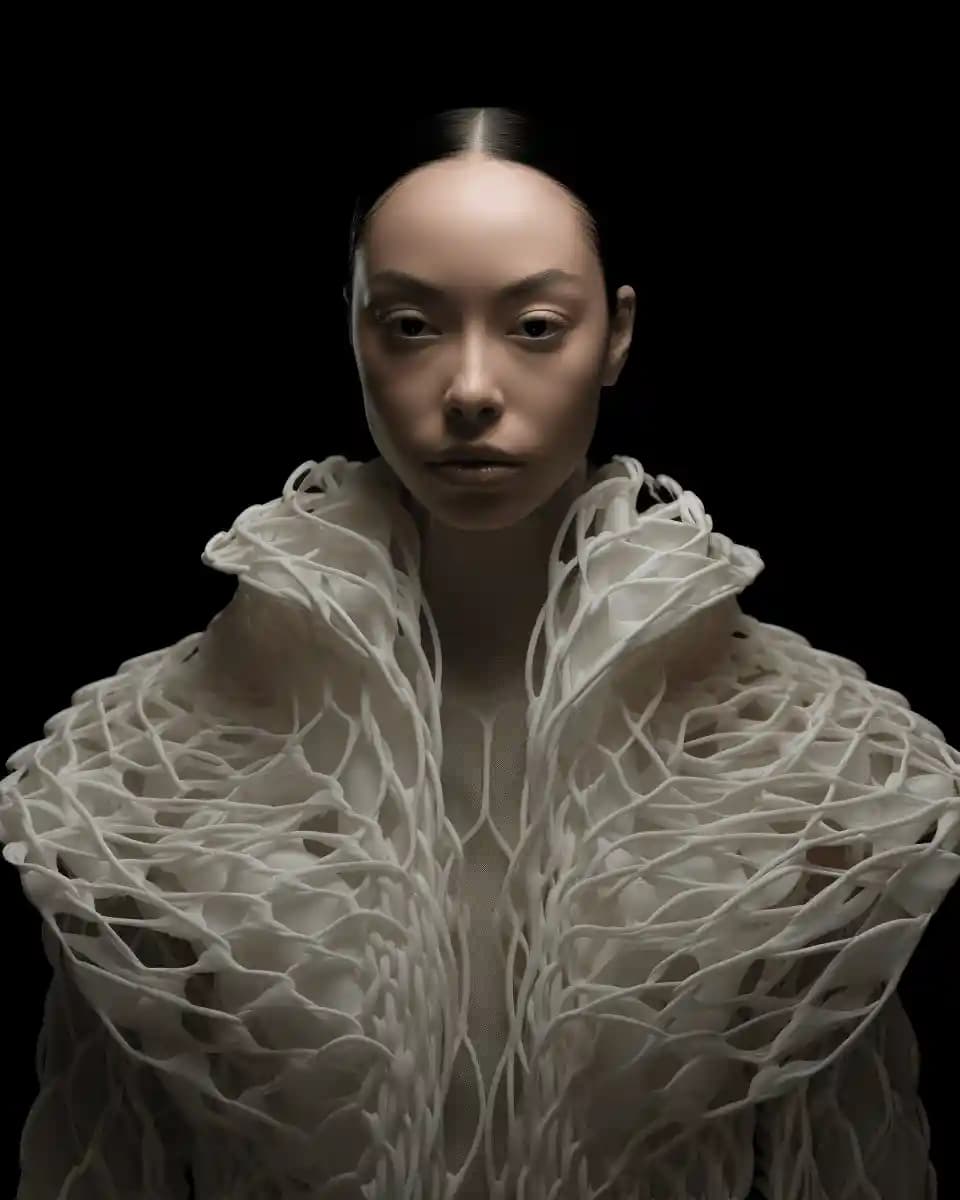
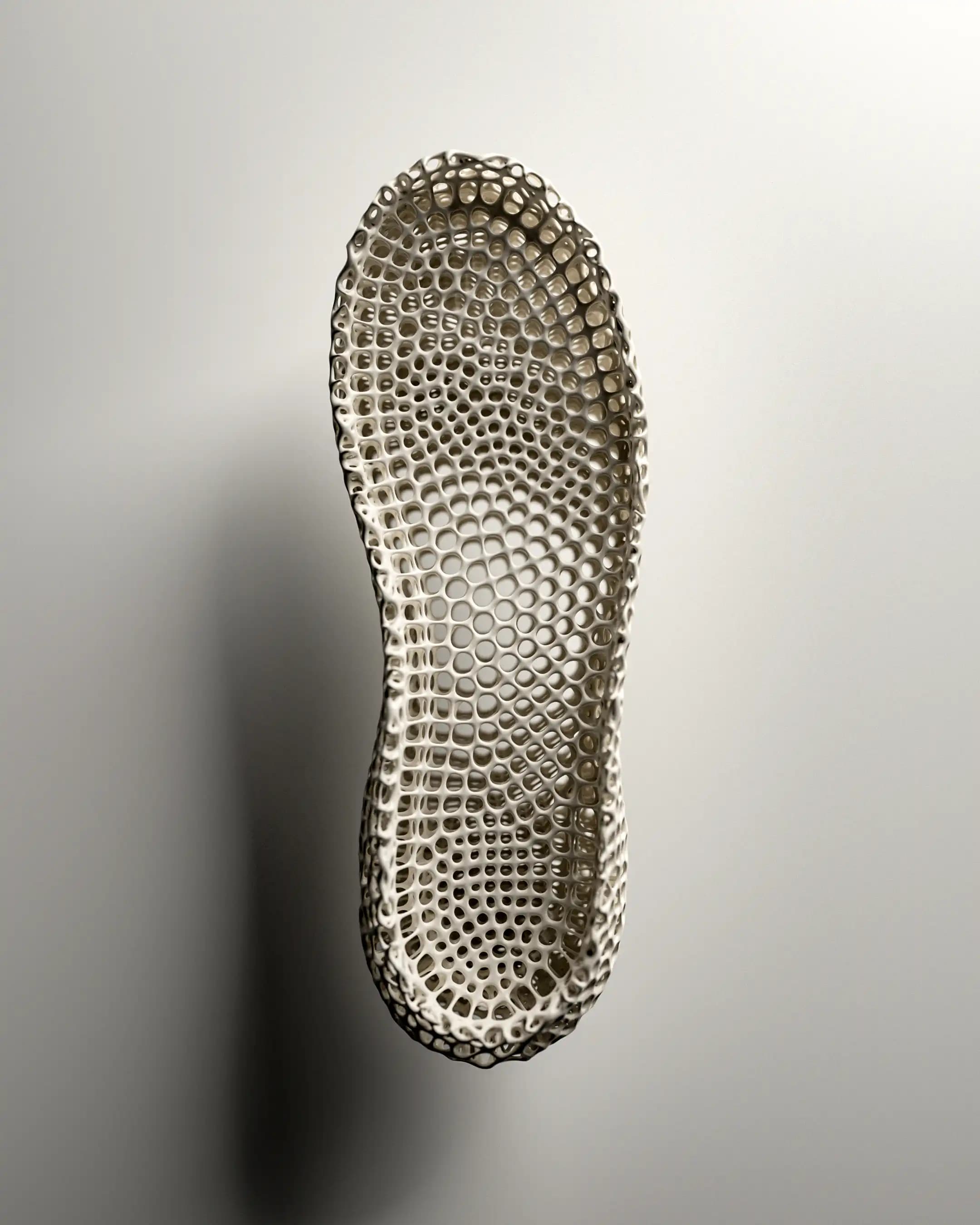
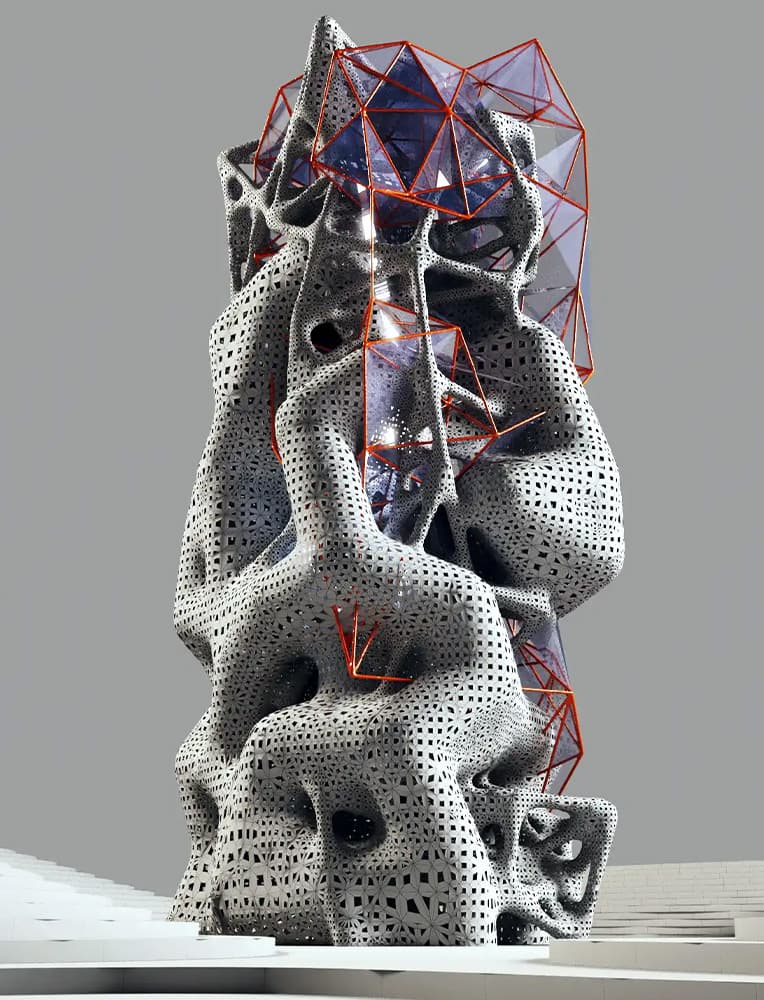
This workshop is structured as a two-day progression from small-scale computational ornament to larger body-driven garment systems. It combines short lectures, live Rhino/Grasshopper demonstrations, follow-along workflows, and a homework prompt for the first night that prepares students for the second day.
Day 1 focuses on jewelry-scale pattern logic. Students will build a small parametric module and learn how to repeat, array, morph, and control it across curves or surfaces. This smaller scale gives students a clear and manageable entry point into computational design before expanding into more complex body-based systems.
Between sessions, students will refine their module or pattern system by adjusting its silhouette, spacing, density, thickness, and overall design language. The goal is not to complete a final project, but to prepare a personal computational element that can be reused on Day 2.
Day 2 focuses on garment-scale application. Students will learn how to bring their module into a body-based workflow using scans, garment regions, curves, surfaces, twisted box mapping, and parametric pattern placement. The course will also introduce segmentation, unrolling, flattening, and flexible fabrication logic so students understand how digital garment systems can be prepared for physical development.
By the end of the workshop, students will understand how one computational detail can scale from ornament to accessory to garment structure.
- Jewelry Pattern Thinking
Learn how to create jewelry components and patterns that can become the foundation for larger fashion and body systems. - Patterning and Variation
Control repetition, density, spacing, orientation, and scale using arrays, attractors, graph mappers, and curve-based systems. - Body-Driven Design
Use body scans and anatomical regions to guide the placement and behavior of computational patterns. - Accessory and Garment Applications
Apply module systems to bracelets, collars, necklaces, shoulder pieces, sleeves, bodice panels, corset sections, and sculptural wearables. - Mapping Geometry Around the Body
Learn how to place curves, surfaces, repeated components, and pattern systems onto body-based garment regions. - Rhino, Grasshopper, and SubD Workflows
Combine Rhino modeling, Grasshopper systems, twisted box mapping, and SubD techniques for wearable form generation. - Segmentation and Flat Pattern Logic
Divide 3D garment systems into panels or components that can be flattened, printed, cut, or assembled. - Flexible Fabrication Awareness
Understand design considerations for TPU, flexible resin, lattices, hinges, perforations, textile attachments, and hybrid construction.
Program:
Day 1 - Jewelry-Scale Pattern Systems
Designing the Module, Pattern, and Ornament Logic
Introduction: From Ornament to Garment
- Instructor introduction and overview of relevant wearable, jewelry, and garment work
- Overview of the workflow:
Jewelry Module → Pattern System → Body Mapping → Garment Structure
- Explanation of the course thesis:
Dynamic wearables can move between ornament, accessory, and garment when they are built as adaptable parametric systems.
Building a Jewelry-Scale Module
- Introduction to small-scale parametric design logic
- Designing a simple module that can become:
- a pattern
- tile
- curve system
- surface detail
- Rhino modeling techniques:
- curves
- surfaces
- SubD forms
- simple solids
- Grasshopper setup:
- sliders
- parameters
- controllable proportions
- repeatable geometry
Patterning, Arrays, and Variation
- Turning a single module into a repeatable system
- Creating arrays along curves and surfaces
- Using Graph Mapper to control variation
- Using attractors to control:
- scale
- density
- spacing
- height
- thickness
Mapping Modules onto Jewelry and Accessory Forms
- Applying the pattern to smaller wearable forms:
- bracelet
- cuff
- collar
- necklace
- pendant surface
- Introduction to twisted box mapping and morphing logic
- Understanding orientation, spacing, deformation, and pattern direction
- End-of-day homework:
- Refine your module or pattern system
- create 2–3 variations
- Choose one version to bring into the garment workflow on Day 2
Day 2 - Garment-Scale Body Systems
Scaling Jewelry Logic into Body-Based Fashion Structures
Body Scan Setup and Garment Region Design
- Importing or referencing a body scan/mannequin
- Reading the body as a design environment
- Using curves to define seams, boundaries, gesture lines, and structural paths
Mapping Jewelry Patterns onto the Body
- Bringing the Day 1 jewelry-scale pattern into a garment-scale workflow
- Placing modules across body-based curves or surfaces
- Using attractors and graph mappers to control density and scale across the body
Garment Form Development and Surface Control
- Developing the mapped system into a larger garment structure
- Rhino and Grasshopper methods for:
- curve networks
- contour systems
- ribs
- lattices
- surface subdivision
- modular panel systems
- SubD modeling for soft body-adjacent garment volumes
Segmentation, Flattening Logic, and Fabrication-Aware CAD
- Dividing garment systems into printable or cuttable panels
- Preparing geometry for unrolling, flattening, or a 2D layout
- Brief overview of flexible fabrication logic:
- TPU
- flexible resin
- printed panels
- lattice flexibility
- hybrid textile attachments
- Closing demonstration:
- show how the Day 1 jewelry module updates the Day 2 garment system when parameters change