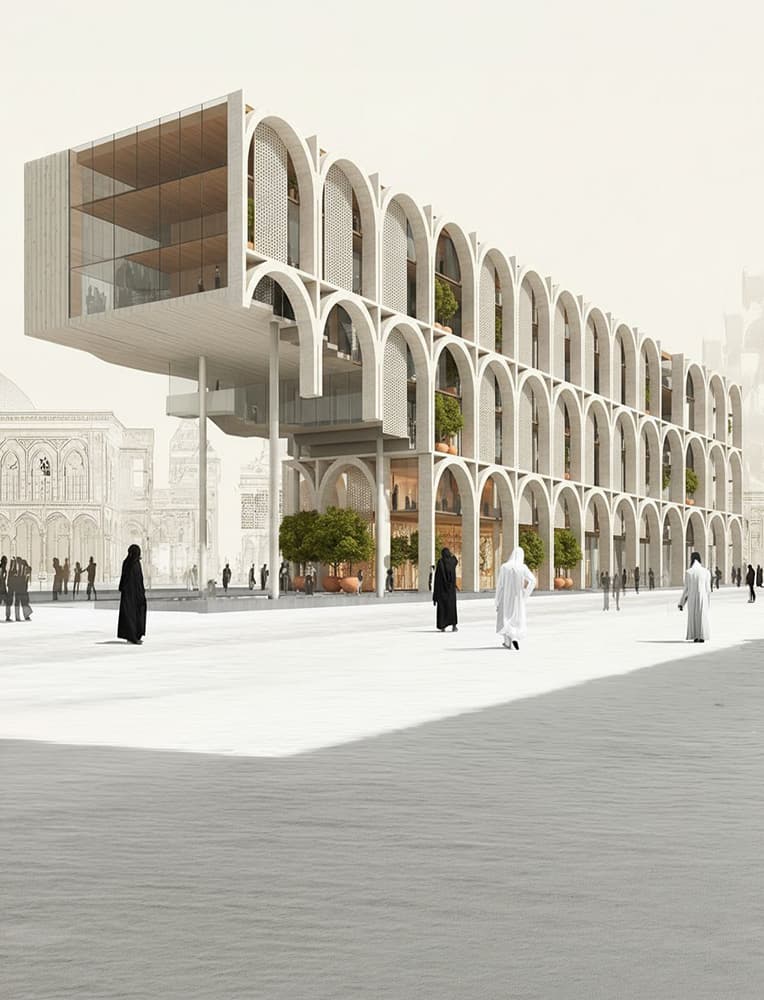
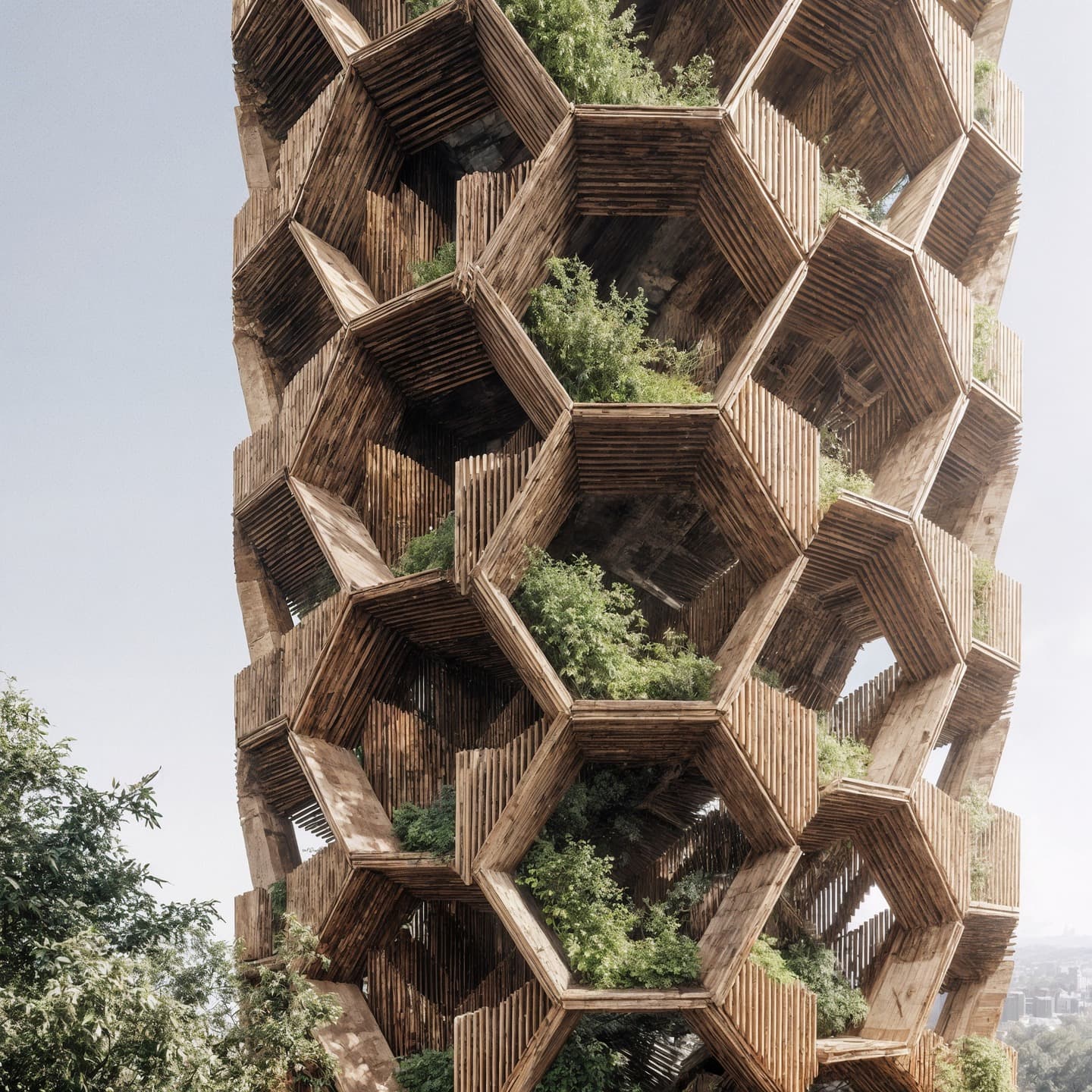
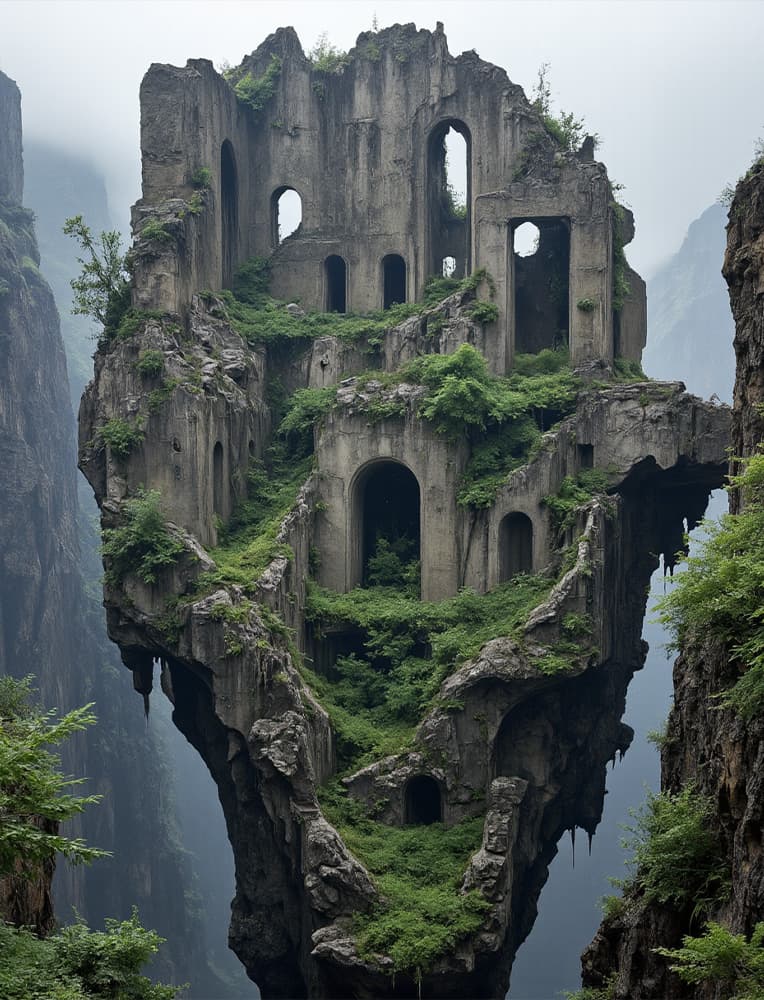
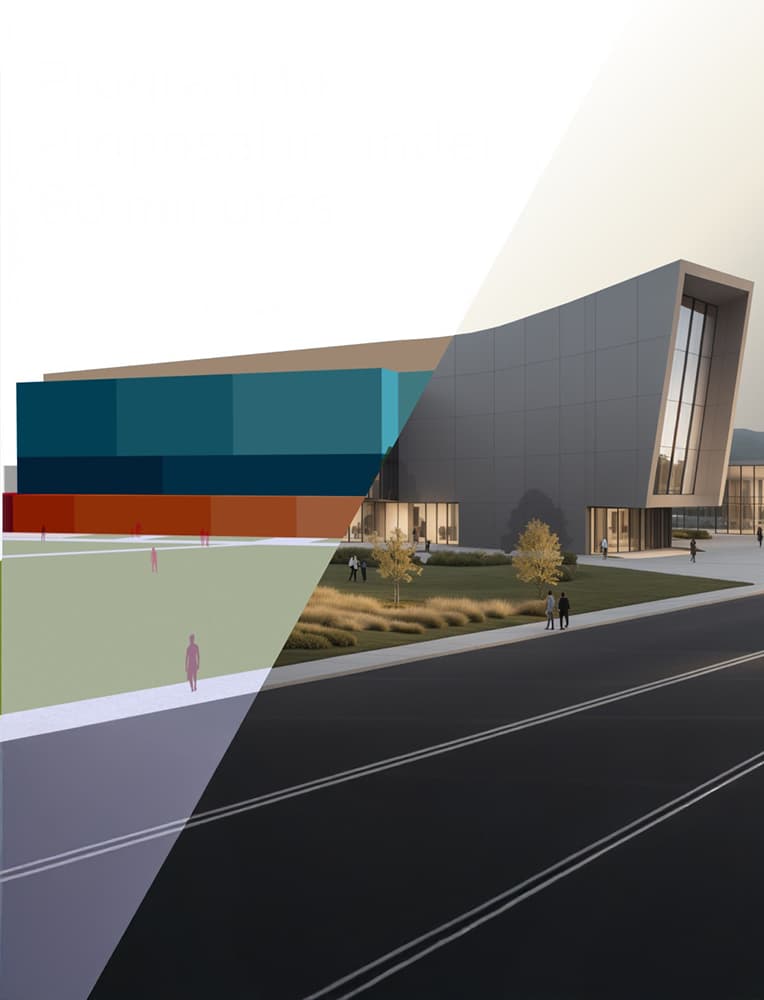
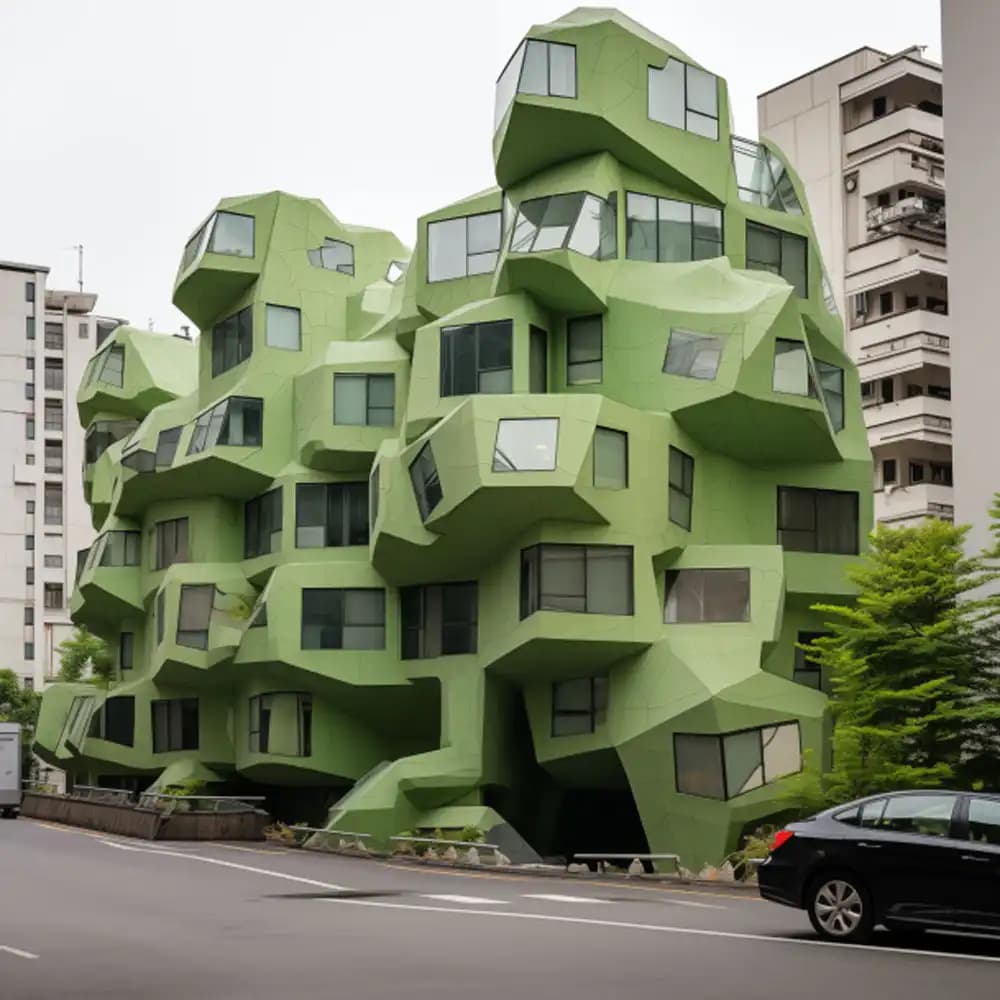
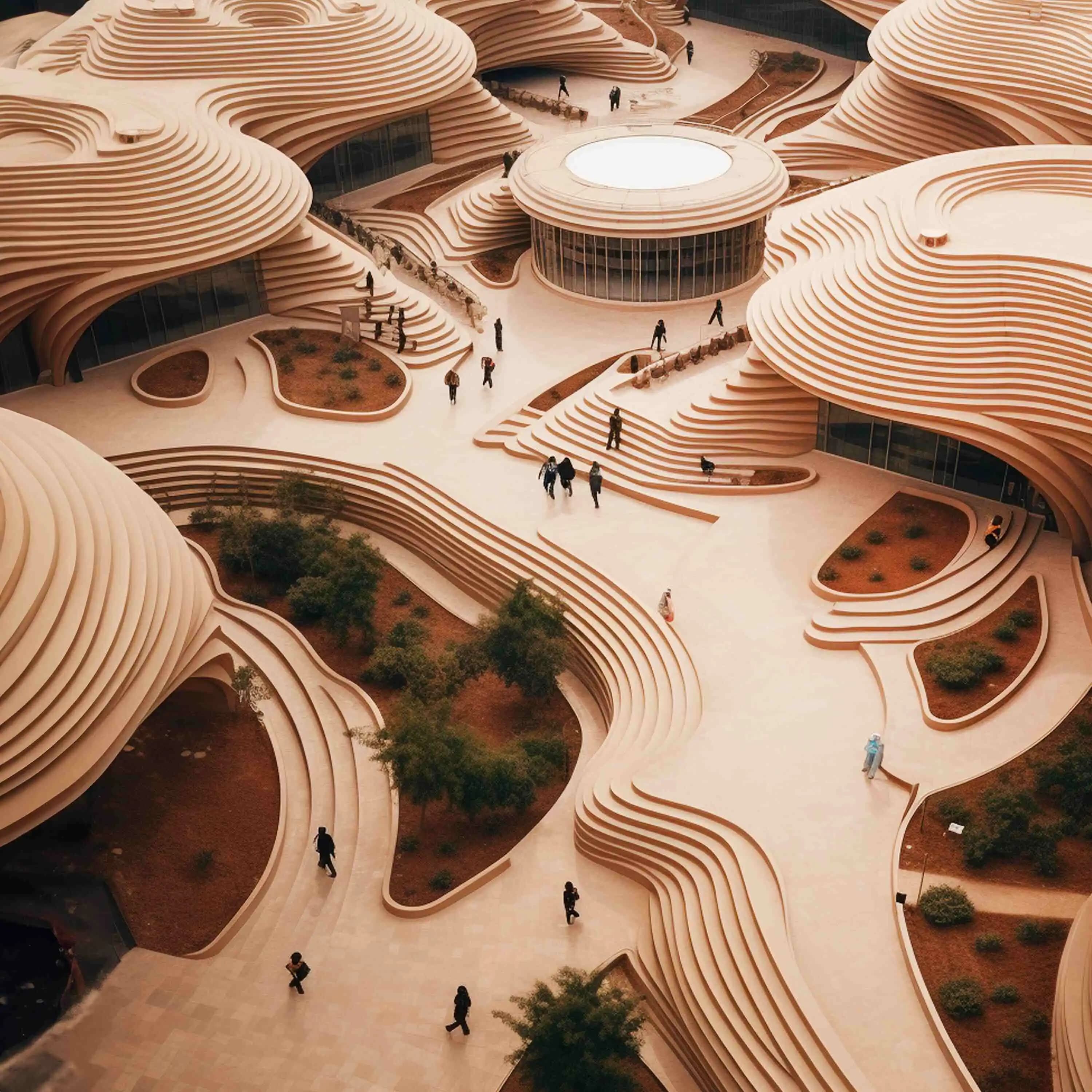
In this workshop, we will focus on using AI as a practical, controllable tool across two distinct stages of the architectural design process: early-stage ideation and architectural visualization.
The first part explores how to analyze buildings through their physical characteristics—such as massing, openings, and structural conditions—rather than simply their style. You will translate these observations into Midjourney prompts to generate unexpected mutations and critically select design possibilities against a brief.
Once a direction is established, the workflow shifts purely to visualization. Starting from an established 3D model view, you will use Nano Banana Pro and Kling to develop accurate architectural images and animations. You will learn to maintain strict control over the original massing and proportions while freely refining materials, lighting, camera angles, and context.
This workshop is intended for architects, designers, and students interested in incorporating generative AI into their workflows. Participants should have a basic understanding of architectural design and visual communication.
Scope
The workshop combines theoretical explanations, demonstrations, and practical exercises across two complementary workflows. Each part begins by introducing a specific design problem and the role of AI in solving it.
Chapter 1: AI-Assisted Ideation Participants will study selected buildings, identify their architectural anatomy, and translate physical elements into prompts. Using single-source and multi-reference workflows in Midjourney, you will generate variations. The emphasis is on critical evaluation—identifying what makes an option successful and carrying those elements forward—rather than simply generating a high quantity of images.
Chapter 2: Visualization & Animation Focusing purely on representation, participants will begin with a 3D model view. Using Nano Banana Pro, you will produce accurate images where massing and proportions remain fixed, while materials, lighting, and context are refined. The final approved still will then be developed into a short architectural animation using Kling.
Program
Day 1: Midjourney – Ideation, Mutation & Selection
- Analyze architectural references through physical elements and structural anatomy.
- Extract key characteristics: massing, openings, materiality, recesses, and terraces.
- Translate visual observations into precise Midjourney prompts.
- Generate design variations using single-source and multi-reference workflows.
- Explore unexpected massing, façade, and spatial possibilities.
- Evaluate generated options against a design brief and select a clear design direction.
Day 2: Nano Banana Pro & Kling – Visualization & Animation
- Establish a 3D model view as the strict base for visualization.
- Generate accurate architectural images that rigorously preserve massing, openings, and proportions.
- Explore controlled changes to materials, lighting, seasons, camera, people, and context.
- Refine and approve a final, high-quality architectural still image.
- Transform the approved visualization into a short architectural animation using Kling.
- Explore cinematic sequences (approach, orbit, interior movement, light changes) while maintaining the original design.