



 Bruno PirroOct 13, 20265.0out of 5
A great lecture, with essencial points Important points for understand how architecture impact different places and how to think in different environments,
We value your privacy.
We use strictly-necessary cookies to keep you signed in and the service operational, and analytics cookies to understand how the site is used. With your consent, we also use preference and marketing cookies. You can change your choice anytime; see our Cookie Policy or Privacy Policy.
2.jpg&w=3840&q=75)
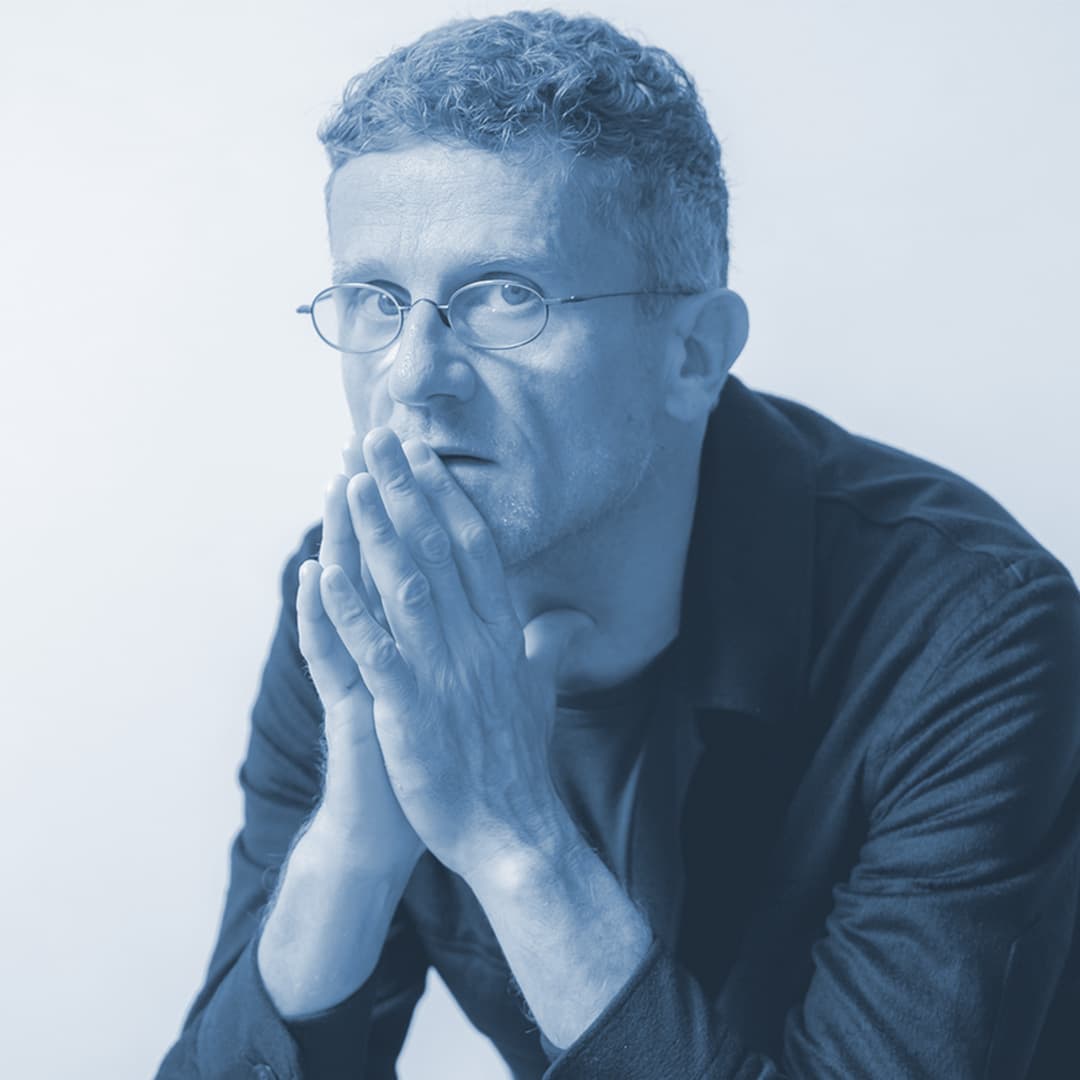
Carlo Ratti - Rethinking Architecture is a free lecture in which Carlo Ratti, founder of Carlo Ratti Associati and director of the Senseable City Lab at MIT, explores the intersection of architecture, data, and urban intelligence. The one-hour session includes a 45-minute talk followed by a 15-minute live Q&A, covering how sensing technologies, real-time data, and computational intelligence are reshaping cities into responsive, adaptive systems. The lecture is free to attend and open to all levels.
Speakers
In a world increasingly shaped by data, technology, and environmental uncertainty, architecture is no longer defined only by form and function. It becomes a responsive system capable of sensing, adapting, and evolving alongside the societies it serves. As cities grow more complex, architects are challenged to rethink how intelligence, information, and human experience intersect within the built environment.
Today, architecture extends beyond static design. It operates as a living interface between people, data, and place. The most forward-thinking practices are redefining cities as dynamic systems where digital and physical realities merge to create environments that respond in real time to human and environmental conditions.
Carlo Ratti, founder of Carlo Ratti Associati and director of the Senseable City Lab at MIT, represents a pioneering approach to architecture and urbanism grounded in data, sensing technologies, and systems thinking. His work explores how information can transform the way cities are understood, designed, and experienced.
From interactive installations and experimental urban prototypes to large-scale infrastructure and research-driven design, his projects investigate how technology can create more adaptive, efficient, and human-centered environments. By merging architecture with real-time data and computational intelligence, his practice challenges conventional boundaries between the digital and physical worlds.
Join us on June 26th at 13:00 GMT as PAACADEMY hosts Carlo Ratti for an exclusive 45-minute open talk, followed by a 15-minute live Q&A. During the session, he will present key projects and share insights into the ideas, processes, and research directions that define his practice.
An architect and engineer by training, Professor Carlo Ratti teaches at Massachusetts Institute of Technology, where he directs the Senseable City Lab, and is a founding partner of the international design office Carlo Ratti Associati. He graduated from the Politecnico di Torino and the École Nationale des Ponts et Chaussées in Paris, and later earned his MPhil and PhD at the University of Cambridge, UK. Ratti has co-authored over 500 publications and holds several patents. His work has been exhibited worldwide at venues such as the Venice Biennale, the Design Museum in Barcelona, the Science Museum in London, and The Museum of Modern Art in New York. Two of his projects – the Digital Water Pavilion and the Copenhagen Wheel – have been included by TIME Magazine in the list of the ‘Best Inventions of the Year’.He has been featured in Esquire Magazine’s "Best and Brightest" list and in Wired Magazine’s "Smart List." Blueprint Magazine included him among the "25 People who will Change the World of Design," and Fast Company named him as one of the "50 Most Influential Designers in America."Ratti was a presenter at TED, curator of the Future Food District pavilion for the 2015 World Expo in Milan, and is currently serving as both a member of the World Economic Forum Global Future Council on Cities and special adviser on Urban Innovation to the European Commission. As well as being a regular contributor to Project Syndicate, he has written for international media outlets, including The New York Times, The Washington Post, The Financial Times, Scientific American, the BBC, and others.
Hamid Hasanzade is an architect, entrepreneur and the Founder and CEO of Parametric Architecture (PA) and PAACADEMY, two global platforms dedicated to advancing architecture, computational design, and emerging technologies. Through his work, he has built an international community of architects, designers, and innovators, connecting education, technology, and creative practice. He is also the host of Designing Forward, a podcast exploring the future of architecture, design, artificial intelligence, and innovation through conversations with leading industry figures.
Bruno PirroOct 13, 20265.0out of 5A great lecture, with essencial points Important points for understand how architecture impact different places and how to think in different environments,
 Musfira KabeerOct 9, 20264.0out of 5
very very informative very very informative
 Sujith. KOct 7, 20265.0out of 5
Great Experience Learned a lot
 Abenezer BekeleOct 6, 20265.0out of 5
Fascinating Insights into Responsive Urban Design This session provided a compelling look at how digital technologies, data, and environmental factors are transforming modern architecture. I learned how integrating real-time data and interactive systems can create sustainable, intelligent, and responsive urban spaces.
 parvez kidwaiSep 26, 20265.0out of 5
Wonderful experience in Architecture. Design with Carlo Ratti.
 JohnSep 6, 20264.0out of 5
Very informative!!
Jeremy KohAug 17, 20264.0out of 5Could have taken more questions
 Ellen HamedAug 14, 20265.0out of 5
Well done
 Rasul KudratullaevAug 10, 20264.0out of 5
Good course
 Anis CharoenpolAug 7, 20264.0out of 5
Thanks
 Алиса ЛабузоваAug 5, 20265.0out of 5
Very entertaining!
LeemasriJul 30, 20264.0out of 5Course was good
Chloé LeeJul 28, 20265.0out of 5Insightful projects and philosophy.
Marta PereiraJul 27, 20265.0out of 5Excellent Lecture
Theodor Mihail CiucaJul 22, 20265.0out of 5I really enjoyed Carlo Ratti's presentation. I found it very interesting how he connected the evolution of cities with the interaction of strong and weak signals. It was also inspiring to see AI presented as a tool that can support architects by exploring different possibilities through parameters, rather than simply providing answers
Nando TiradoJul 21, 20263.0out of 5interesting but I'd love to see the software, see a more technical explanation
Michele GuglielminiJul 14, 20265.0out of 5excellent
 Pedro Asgard Serrano MartínezJul 5, 20264.0out of 5
Very good presentation, I loved the urban analysis he showed using LLM methods, about how our interaction with the urban environment and with ourselves has changed throughout history.
KrasimirJul 4, 20265.0out of 5Excelent
Valeria HaliliJul 2, 20265.0out of 5worth it
 Otaru Blessing OyizaJun 30, 20265.0out of 5
Excellent course with fresh perspectives on innovative design thinking.
Mehak AroraJun 28, 20264.0out of 5Informative and good explanation on basis of real life design from micro to macro scale, to the point explanations
BindiyaJun 28, 20265.0out of 5Was an engaging session
Nuha HimmoJun 28, 20265.0out of 5excellent
Prin Meesupya5.0out of 5victor.napuri5.0out of 5
A great lecture, with essencial points Important points for understand how architecture impact different places and how to think in different environments,

very very informative very very informative

Great Experience Learned a lot

Fascinating Insights into Responsive Urban Design This session provided a compelling look at how digital technologies, data, and environmental factors are transforming modern architecture. I learned how integrating real-time data and interactive systems can create sustainable, intelligent, and responsive urban spaces.

Wonderful experience in Architecture. Design with Carlo Ratti.
Very informative!!
Could have taken more questions
Well done

Good course

Thanks

Very entertaining!
Course was good
Insightful projects and philosophy.
Excellent Lecture
I really enjoyed Carlo Ratti's presentation. I found it very interesting how he connected the evolution of cities with the interaction of strong and weak signals. It was also inspiring to see AI presented as a tool that can support architects by exploring different possibilities through parameters, rather than simply providing answers
interesting but I'd love to see the software, see a more technical explanation
excellent
Very good presentation, I loved the urban analysis he showed using LLM methods, about how our interaction with the urban environment and with ourselves has changed throughout history.
Excelent
worth it

Excellent course with fresh perspectives on innovative design thinking.
Informative and good explanation on basis of real life design from micro to macro scale, to the point explanations
Was an engaging session
excellent
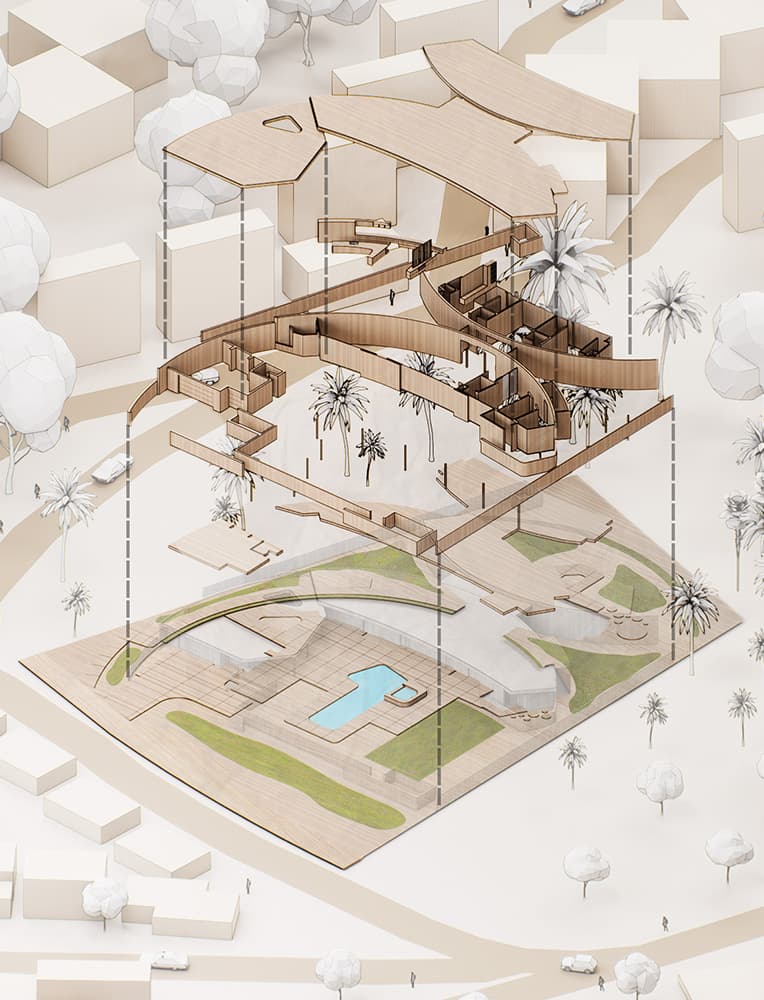 013D Stylized Renders & Diagrams with D5 RenderAndy ChristoforouFree
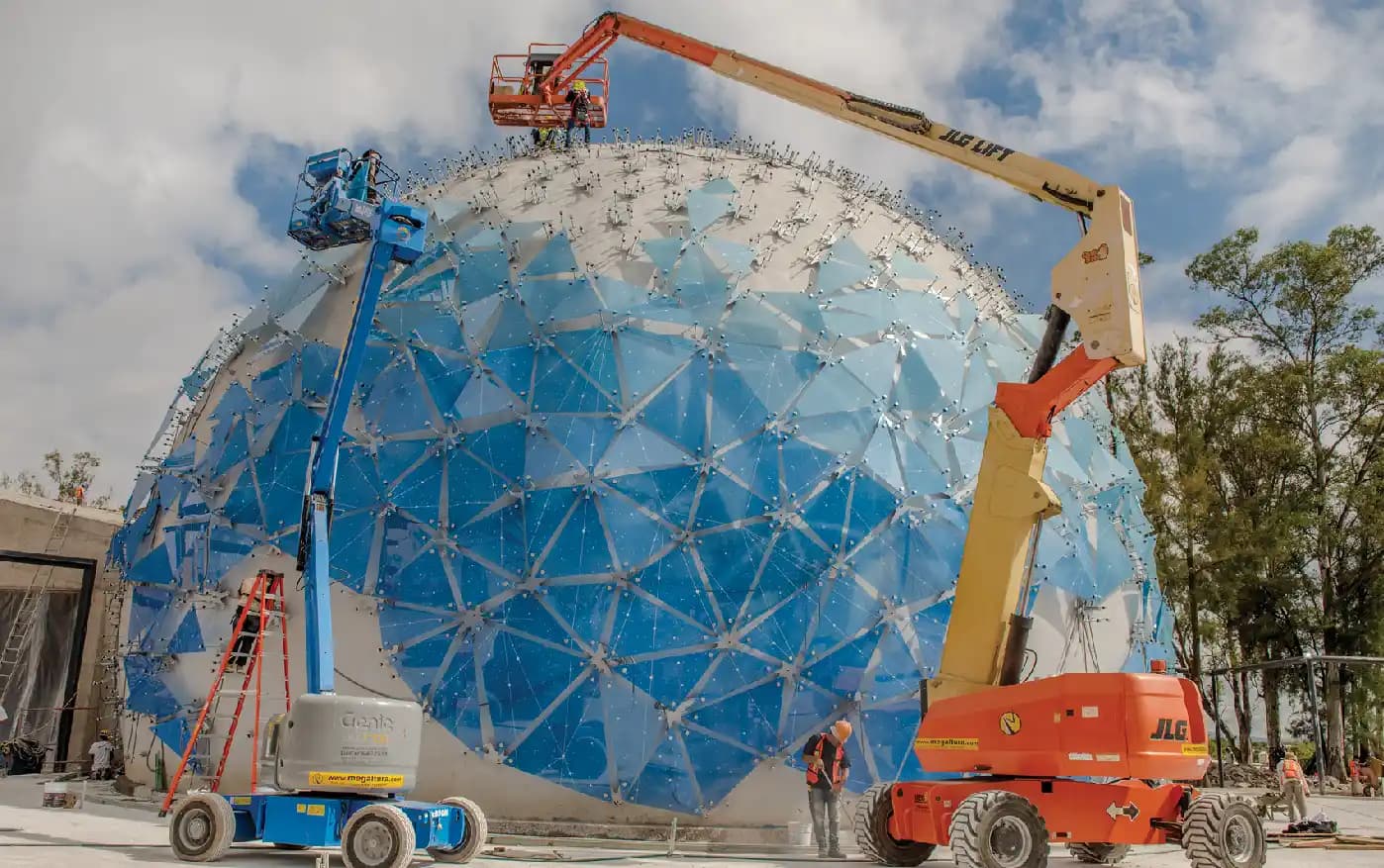 02Generative Algorithms for Facade DesignRoberto Arguelles€35.00
 03RunDiffusion: End-to-End AI Visuals for ArchitectureAlex WilsonFree
 04Architectural Intelligence: From Prompt to Concept with Snaptrude AITaylor BoyerFree
 05Integr8.AEC: Facades - Algorithmic Data ManagementStefano Rossi€35.00
 06AI-Driven Design PracticeCas Esbach€35.00