



.png&w=64&q=75)





 Sava Dhahir AbdallaMar 30, 20265.0out of 5
perfect
We value your privacy.
We use strictly-necessary cookies to keep you signed in and the service operational, and analytics cookies to understand how the site is used. With your consent, we also use preference and marketing cookies. You can change your choice anytime; see our Cookie Policy or Privacy Policy.
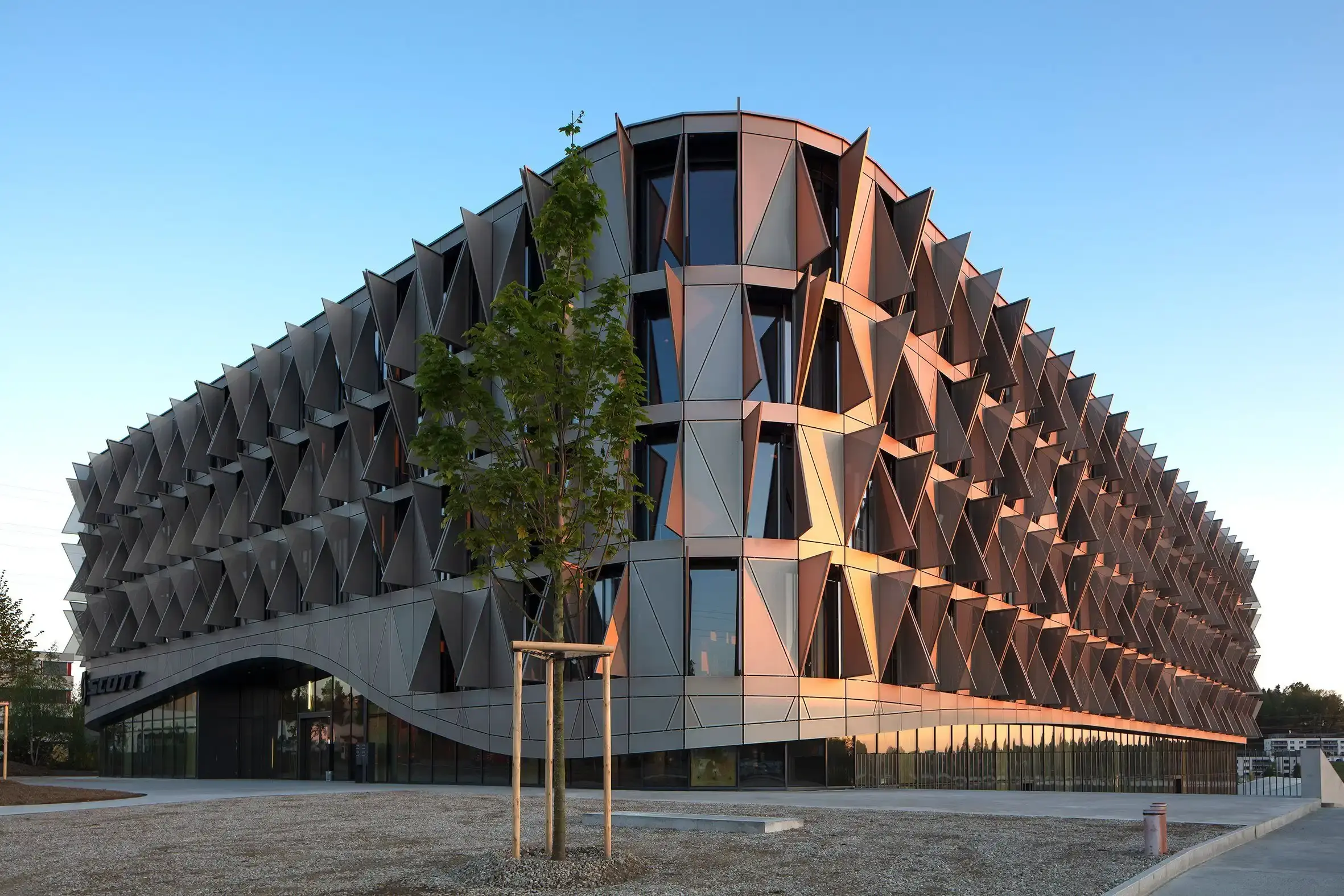
Integr8.AEC: Facades - Algorithmic Data Management is a workshop on data-driven parametric facade design, led by Stefano Rossi, Mahdi Fard, and Ahmed Sattar. Participants learn to convert 2D architectural plans into parametric 3D models, run statistical and constructability analysis on facade surfaces, and produce fabrication-ready facade elements, all structured around real AEC data workflows. The course is built in Grasshopper3D and Rhinoceros 3D with Python scripting, using plugins including LunchBox, eleFront, Pufferfish, Speckle, MeshEdit, HumanUI, and MetaHopper. Working in groups, participants apply each stage of the workflow to a shared modular facade project, bridging parametric modeling with real-world manufacturing constraints.
Instructors
Computational Design is not confined to complex projects in forms. It principally is related to managing data flows from a range of variant factors/disciplines where each parameter impacts the functions and aesthetics of a project in each A, E, and/or C in the building industry. While most relevant sources are currently dedicated to research projects, the professional utilization of automotive algorithms, open-source toolkits, and datasets are pivotal for computational designers to consider.
In the context of Integr8.AEC, we develop course materials deducted straight from what we experience and synced with real-world applications of computational Design. Therefore, this course guarantees attendees’ insight and growth through workflows, respecting how to become professionals in this field. The engaging double-sided perspectives from what is on screen would become something on a real scale, helping the participants to learn to read parametric relations and then write specific functions implementing informed decisions based on data structure and optimized solutions. This course is built upon the following modules:
This workshop tries to define a well-organized stage that allows participants to learn more about different workflows for designing a geometrical yet functional facade. While the building codes are one of the objectives to consider, which might seem like a constraint, using parametric modeling in a proper context and respecting these limitations is the key. Therefore, every individual or group participant will find the challenge of using the right tool in the appropriate framework, comprising an authentic experience. The instructors and the guest speakers will walk the participants through the whole process, informed by what they faced as issues, errors, and complications supported by the solutions.
This approach, which Ardaena uses in workshops as a legacy, assurances the students’ understanding to be conceived well-structured for parametric AEC, representing a considerable part of the gap between the academic and professional world in the computational design field.
Once the workflows and experiences are shared, all participants will be divided into groups and start applying what they have learned on a modular façade system, a separate part of a whole project. Each group’s endeavors will be shared, and an entire project will be completed as pieces of a facade. During the workshop, the common language will be Grasshopper3D, and the Python Codes developed by Ardaena will also be shared among the groups so they can find themselves in their next steps.
Learning how to work among AEC-related file formats
Parametric Modeling and how to add/remove tags/labels/attributes on each object to manage a facade through data structure
Geometrical Analysis and Understanding of how Grasshopper3D is reliable for managing data flows through a well-established workflow.
Facade Systems Parametric Modeling from Design to Fabrication.
What the session covers, in the order it happens.
Saturday · May 11, 2024
Sava Dhahir AbdallaMar 30, 20265.0out of 5perfect
 Arezoo EbrahimiDec 23, 20255.0out of 5
Insightful, it was rather an intro than a course tho. Thanks for the hard work!
 Md Tareq AbdullahNov 3, 20255.0out of 5
Integr8.AEC: Facades - Algorithmic Data Management is totally new arena for me but Rossi and the others were really great to teach me Facade design concepts quite well.
TJ GuintoOct 15, 20255.0out of 5learnt so much
Rehab S. AhmedJul 28, 20255.0out of 5Good course, thanks for sharing
Rehab S. AhmedJul 28, 20255.0out of 5Good course, thank you
Dogancan YilmazMay 21, 20254.0out of 5Interesting project and workflow
ARUTCHELVAN.SMar 14, 20255.0out of 5REALLY NICE INFORMATIVE COURSE
Tugce AladiJan 17, 20255.0out of 5the course provided thorough and detailed knowledge, thank you
 Alberto AguayoJan 5, 20255.0out of 5
Amazing!
Yazan AlkhateebDec 28, 20245.0out of 5Thank you for an insightful course!
behnaz.khaksaarNov 18, 20245.0out of 5as always it was the BEST! TYSM
 Leonardo LagunaOct 29, 20245.0out of 5
Good course for applicate to my project !
 Emre OnuralOct 23, 20245.0out of 5
Great course, thank you
albi.shitaOct 13, 20245.0out of 5Amazing, the best learning platform I have ever subscribed
Lambis StratoudakisOct 10, 20245.0out of 5Incredible, Thanks for everything.
perfect
Insightful, it was rather an intro than a course tho. Thanks for the hard work!
Integr8.AEC: Facades - Algorithmic Data Management is totally new arena for me but Rossi and the others were really great to teach me Facade design concepts quite well.
learnt so much
Good course, thanks for sharing
Good course, thank you
Interesting project and workflow
REALLY NICE INFORMATIVE COURSE
the course provided thorough and detailed knowledge, thank you

Amazing!
Thank you for an insightful course!
as always it was the BEST! TYSM

Good course for applicate to my project !
Great course, thank you
Amazing, the best learning platform I have ever subscribed
Incredible, Thanks for everything.
 01AI-Driven Design PracticeCas Esbach€35.00
 02Cyber Villa: Mastering Maya EssentialsJan Wilk€35.00
 03Synthetic Vernacular via Artificial IntelligenceAbdulalim U-K (Aikin Karr)€35.00
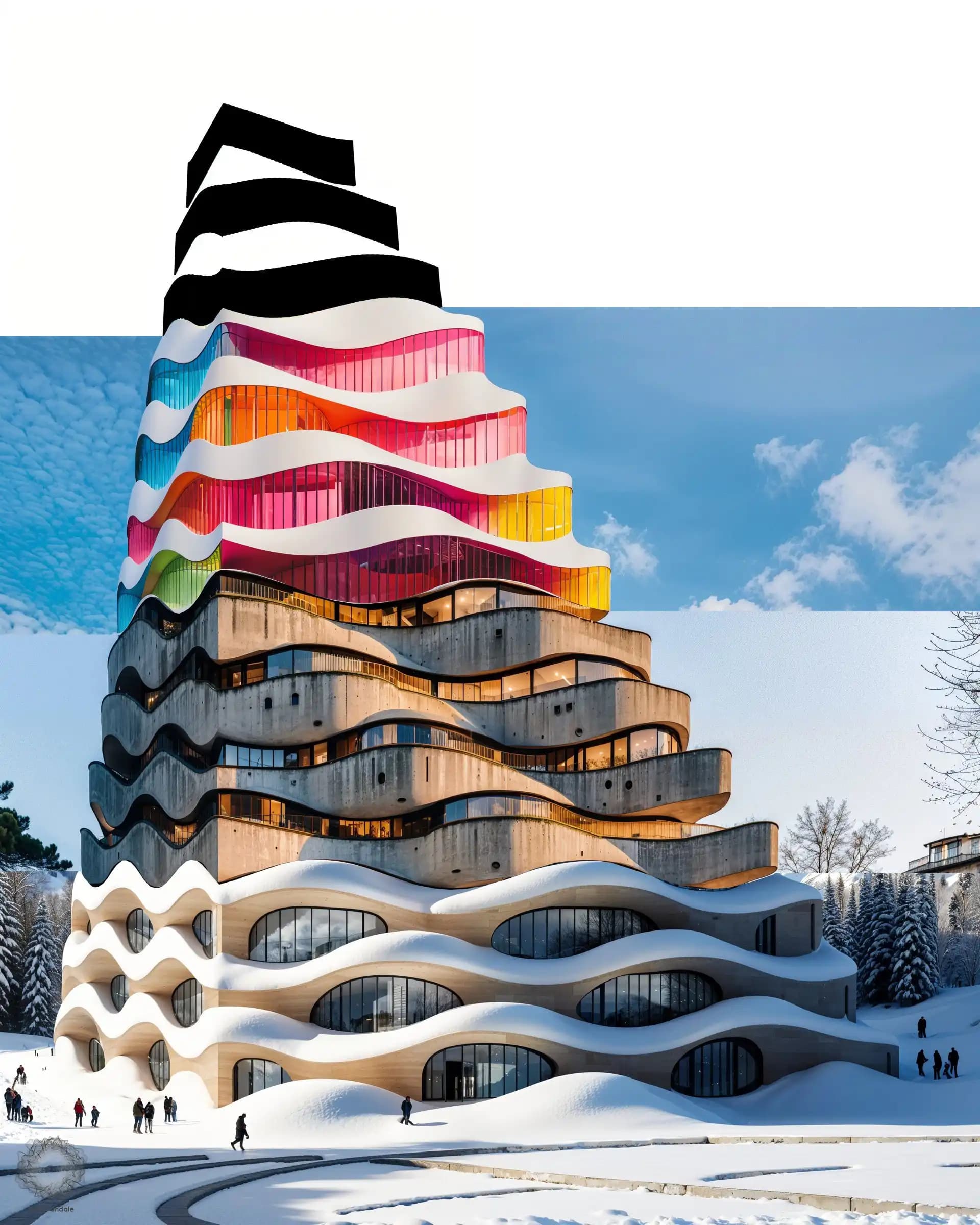 04AI & Parametric NegotiationKedar Undale€102.00
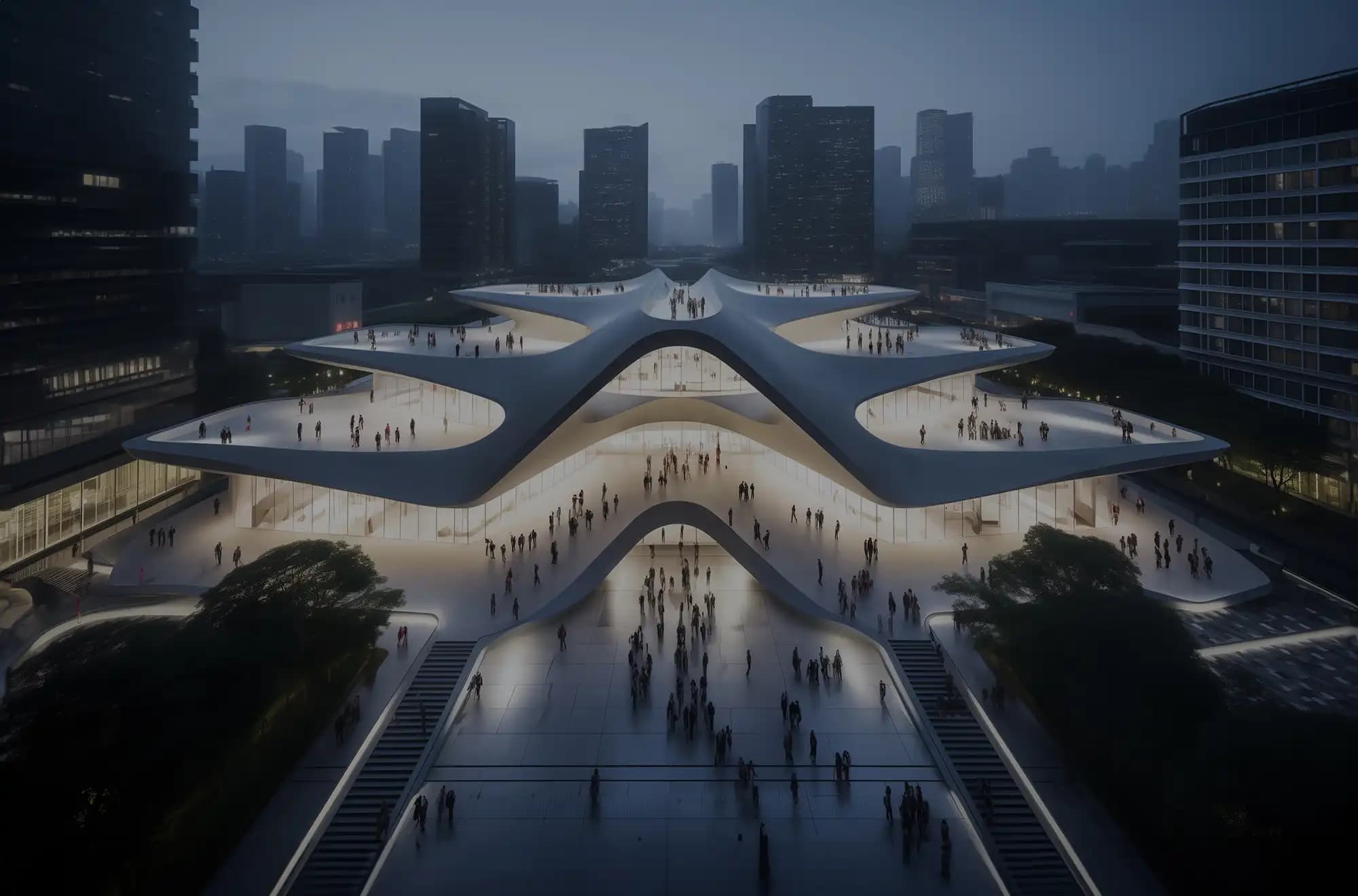 05Parametric IntelligenceTim Fu€300.00
 06Advanced Grasshopper 1.0Amir Hossein€35.00