



 Ellen HamedJul 9, 20265.0out of 5
It was amazing and helpful one
We value your privacy.
We use strictly-necessary cookies to keep you signed in and the service operational, and analytics cookies to understand how the site is used. With your consent, we also use preference and marketing cookies. You can change your choice anytime; see our Cookie Policy or Privacy Policy.
%2520copy_061919.jpg&w=3840&q=75)
Design-Tech Talk 10 features expert-led presentations and a dynamic discussion on the latest advancements and emerging technologies.
Speakers
Step into the future of design innovation with Design-Tech Talk 10, a two-day online event exploring the evolving relationship between architecture, technology, and digital design.
Through a series of curated sessions, the event will explore how emerging technologies are influencing creative practice and shaping the future of the built environment. The program brings together ideas, discussions, and perspectives around new design tools, computational approaches, and technological shifts impacting architecture and design today.
Whether you are an architect, designer, researcher, or enthusiast, Design-Tech Talk offers a space to engage with forward-looking ideas, gain fresh perspectives, and connect with the broader design-tech community.
Day 1, May 2nd:
Day 2, May 3rd:
%20copy.jpg)
Dr. Nic Dingwen Bao is a Senior Lecturer in Architecture, Architecture Technology Course Coordinator, and PhD supervisor at the School of Architecture and Urban Design, RMIT University, where he founded the FormX Research Lab. His research focuses on computational design, artificial intelligence, structural optimisation, robotic fabrication, and intelligent construction for performance-driven architecture.
Nic is a practising architect with over 12 years of professional experience and is a Registered Architect in Australia (ARBV) and the US (NCARB), and RIBA Chartered Architect in the UK. He is the Director of BW Architects (BWA) and a partner at Ameba Technology. He also serves as Secretary of the Association for Computer-Aided Architectural Design Research in Asia (CAADRIA) and the DigitalFUTURES Association.
His work has been widely exhibited internationally, including at the Venice Biennale, Shenzhen Biennale, DigitalFUTURES, IASS Expo, and Melbourne Design Week. He is also a core member of the organising committee of the IASS 2023 Annual Symposium in Melbourne, curator of the IASS 2023 Expo and ACADIA × CAADRIA joint exhibition, and co-chair of the Computational Design and Robotic Fabrication International Conference 2026.
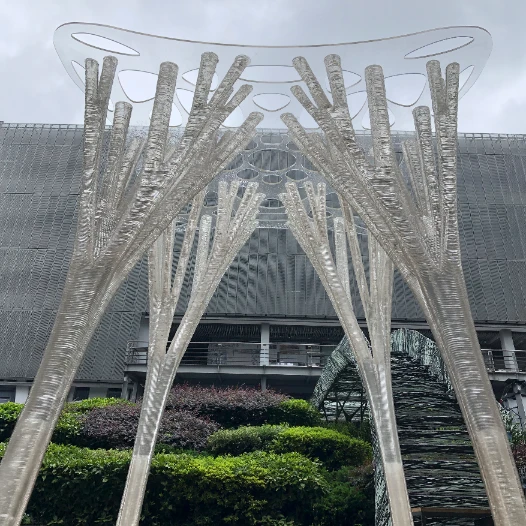

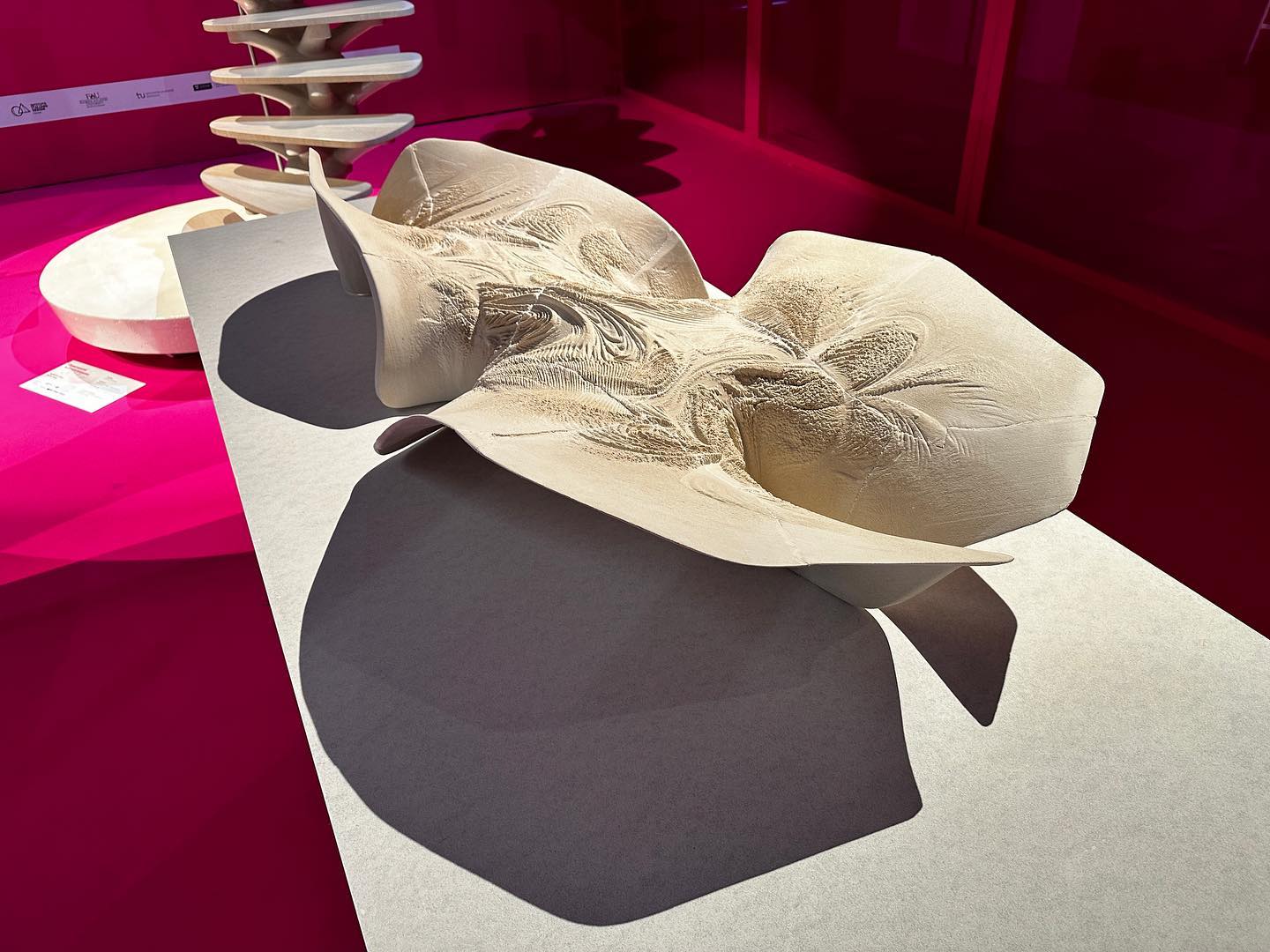
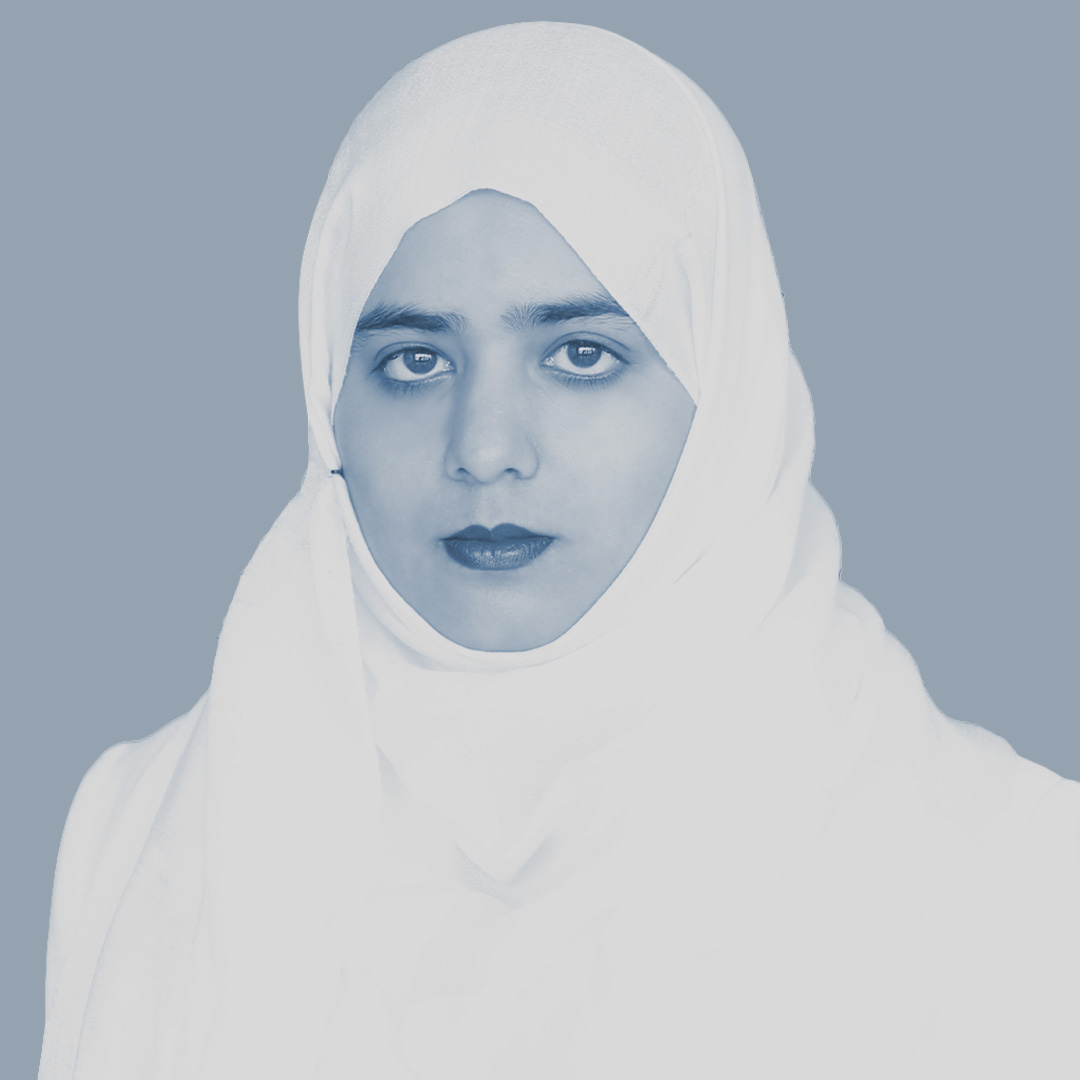
Takbir Fatima is an architect, educator, and entrepreneur, and the founder of DesignAware, an interdisciplinary design and experimental architecture studio. She completed her MArch in Architecture + Urbanism at the Architectural Association, London (2011). She also founded Fractals Workshop (focused on generative design and computation) and BuildAware (a fabrication and construction initiative). She serves as Adjunct Faculty at the Boston Architectural College and CEPT University, focusing on digital fabrication, prototyping, and computational design.
She is also Senior Curator and Exhibition Designer at the Museum of Science Fiction and has been a Senior Fellow at T-Works. With over 14 years of experience, her work spans design, fabrication, construction, entrepreneurship, fundraising, and education. Takbir works at the intersection of design, technology, and community, applying emerging technologies to socially relevant and craft-based initiatives.
In 2023, she won the Regenerative Futures AI Design Competition (Symbiotic Futures category) for her project WombHome: Decolonizing Nature, exhibited at SPACE10 Copenhagen. She also delivered a keynote at the UIA World Congress of Architects 2023 on architecture and AI.
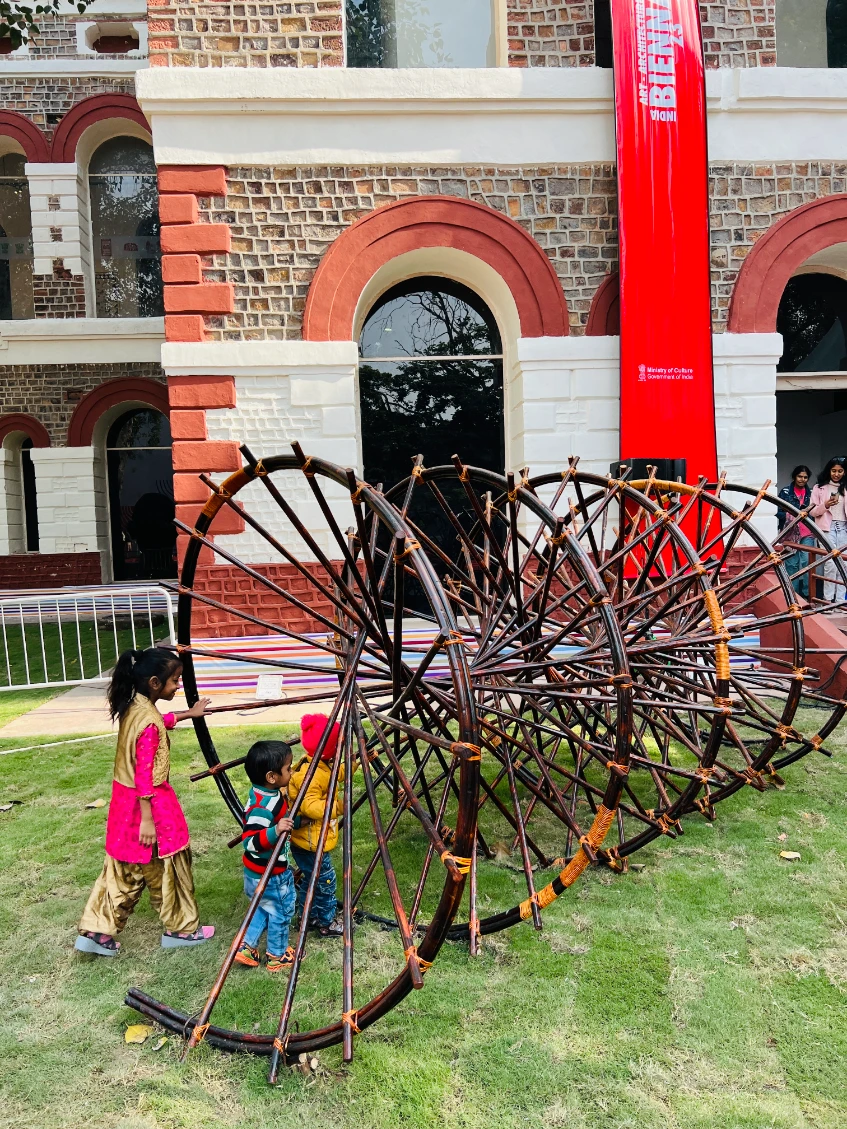
Her work has been exhibited internationally, including at Roca London Gallery, India Design ID, and Dubai Design Week. She was invited by India’s Ministry of Culture to present HeliX 2.0 at the 2023 India Art, Architecture & Design Biennale. She is featured in 100 Women: Architects in Practice (RIBA).
DesignAware, based in Hyderabad and Dubai, focuses on data-driven and socially relevant design and has received recognitions including Surfaces Salutes 2025, and nominations for the RA Dorfman Prize and Dezeen Awards.
Takbir is also a mentor, juror, and speaker across global institutions and initiatives, and has led fundraising efforts supporting education and displaced workers during COVID-19.
paacademy.jpg)
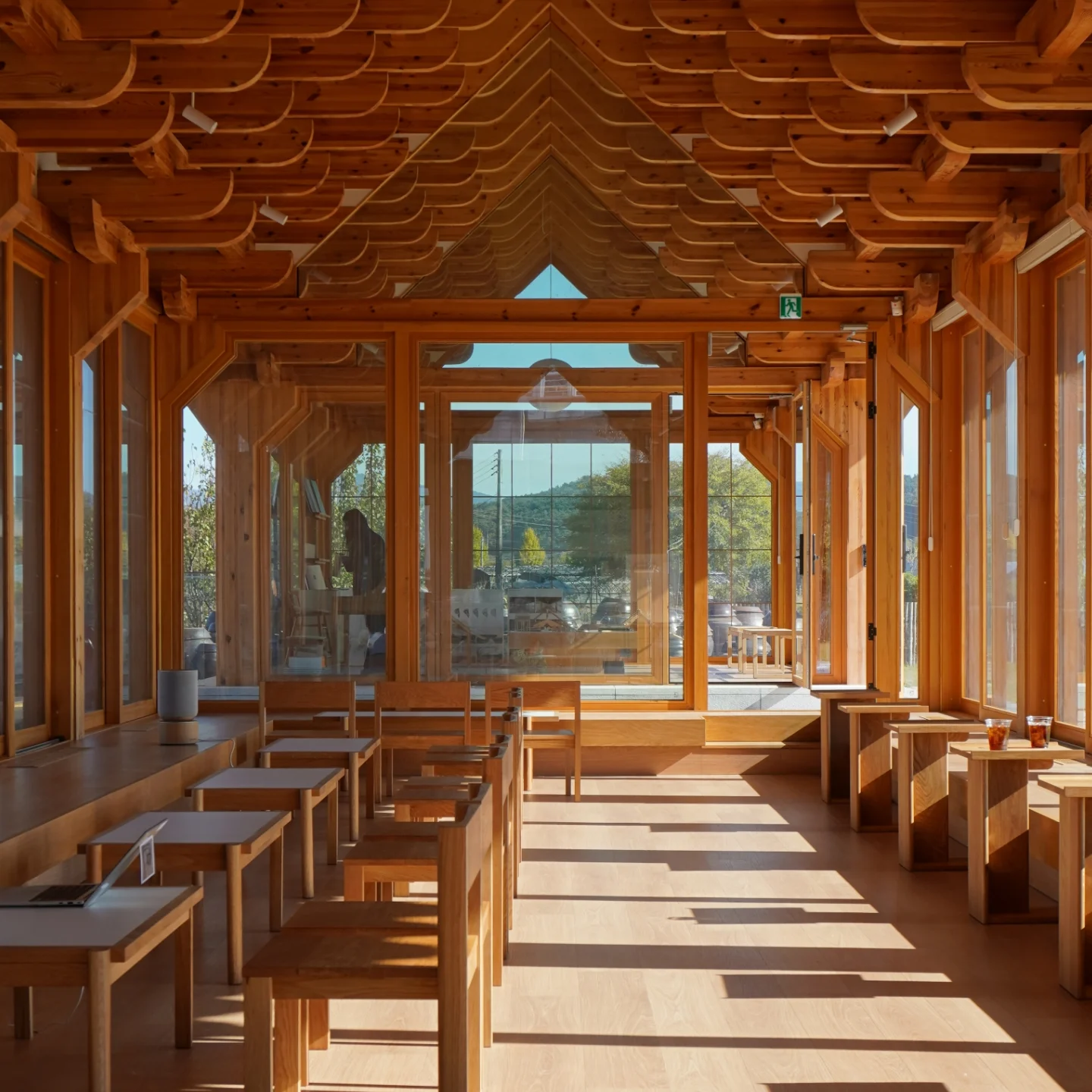
Jae K Kim is an architect, researcher, and educator, currently serving as an Associate Professor at Hanyang University and the director of JK-AR. His academic journey began with architectural engineering at Hanyang University, followed by a pursuit of architecture and urbanism at the Massachusetts Institute of Technology, where his master's thesis earned him the Imre Halasz Thesis Prize.
Jae‘s achievements extend beyond academia, evidenced by his numerous awards on both the global and domestic stage. In 2023, he garnered the Honor Award of the Wood Design & Building Awards from the Canadian Wood Council and ArchDaily's 2023 New Practices. Domestically, his achievements include two Grand Prizes from the Korean Wood Design Awards, the 2019 Koran Institute of Architects’ Special Prize, and the 2022 Good Place Award.
%20paacademy.jpg)
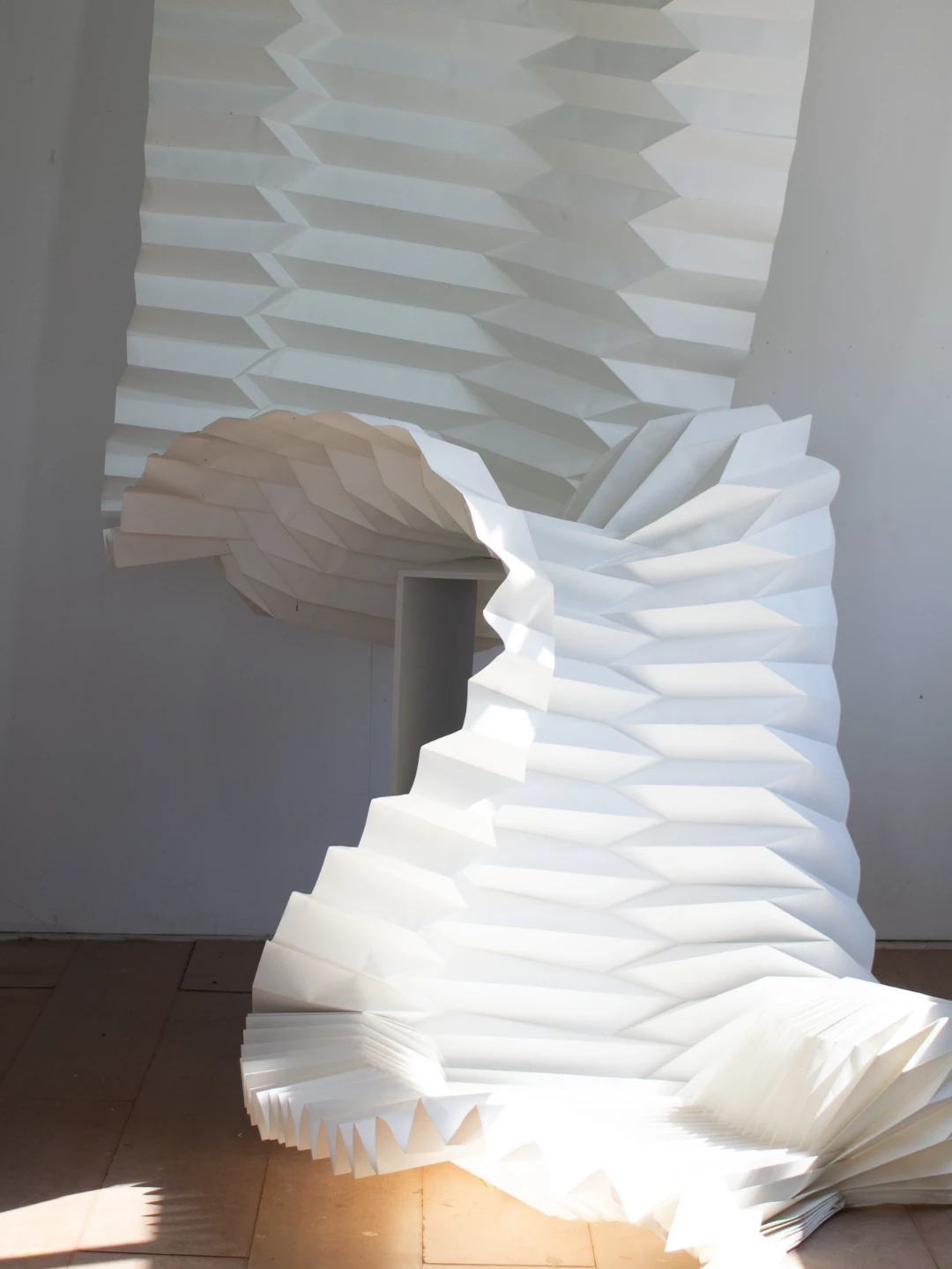
Tola is a visual artist based in Chile whose work develops through the observation of gesture, materiality, and the methodical construction of surface. His background in architecture plays a decisive role in his practice, giving it a precise, analytical approach focused on the study of light, form, and structure. During the 2020 pandemic, he returned consistently to graphic research and established his studio in Batuco, where he began a continuous production process that led to the creation of the Tola.art project.
Through this platform, the artist brings together his body of work, public presence, and a pedagogical practice dedicated to sharing techniques, processes, and methodologies with an international community of students and followers.
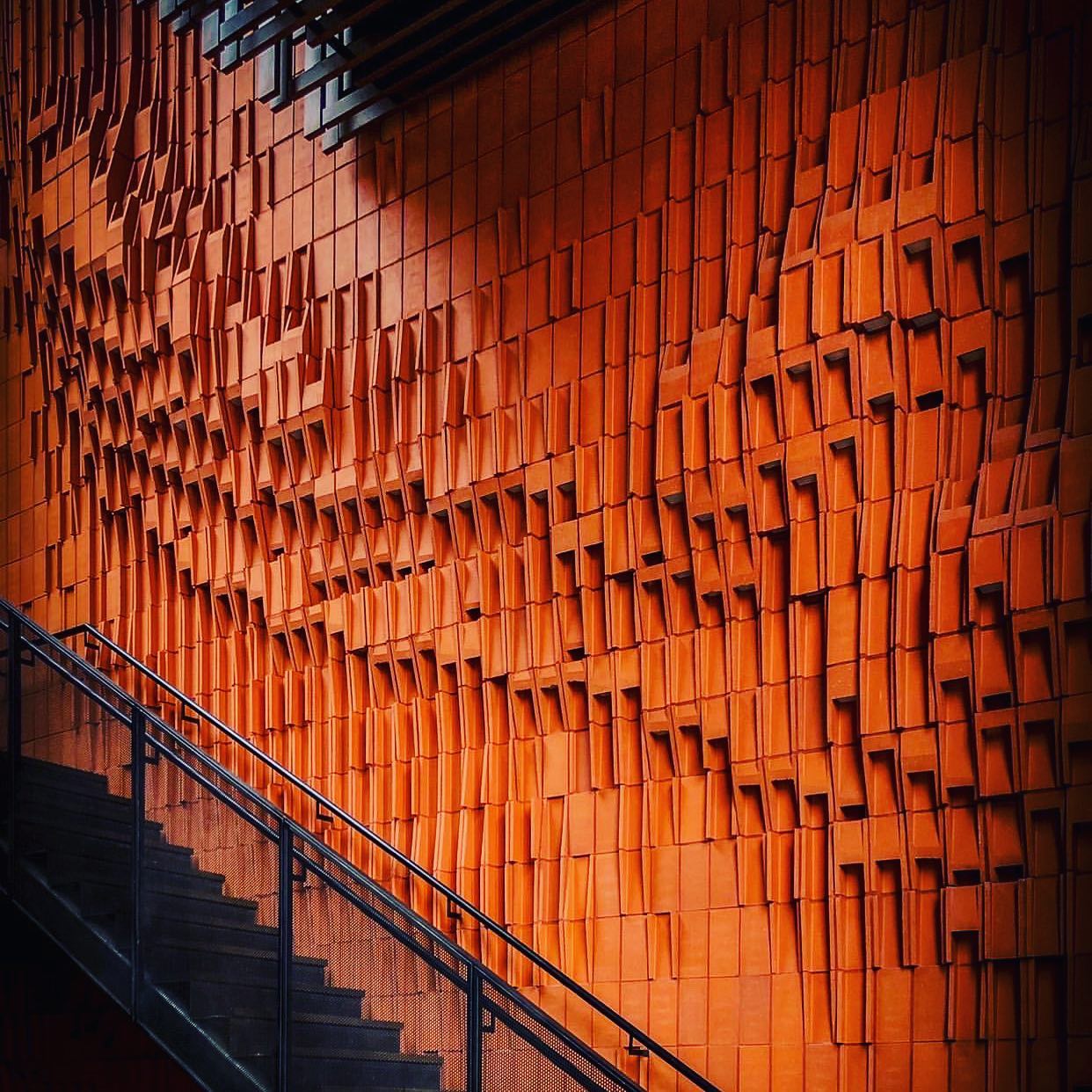
His practice centers on the use of spray paint, paper, fabric, ink, and dry pastel, which he approaches through a disciplined, accumulative method. Through repetition and variation, he develops compositions that combine technical rigor with material sensitivity. His work has evolved toward an abstract and geometric visual language.
%20paacademy.jpg)
Core principles for integrating AI, structural optimization, and robotic fabrication in architecture.
Perspectives on circular design and upcycling industrial waste via additive manufacturing.
Concepts behind socially relevant design, generative computing, and craft-based AI initiatives.
Practical paths to uniting timber engineering, geometric surface art, and subversive design.
Ellen HamedJul 9, 20265.0out of 5It was amazing and helpful one
 Giacomo CacciaMay 15, 20264.0out of 5
Amazing and inspiring talks!
Michele GuglielminiMay 13, 20264.0out of 5Love it
Valeria HaliliMay 10, 20265.0out of 5great session it was worth listening
 ZAMAN TAHMIDMay 3, 20265.0out of 5
Impressive !!
Prin Meesupya5.0out of 5It was amazing and helpful one
Amazing and inspiring talks!
Love it
great session it was worth listening

Impressive !!
 013D Stylized Renders & Diagrams with D5 RenderAndy ChristoforouFree
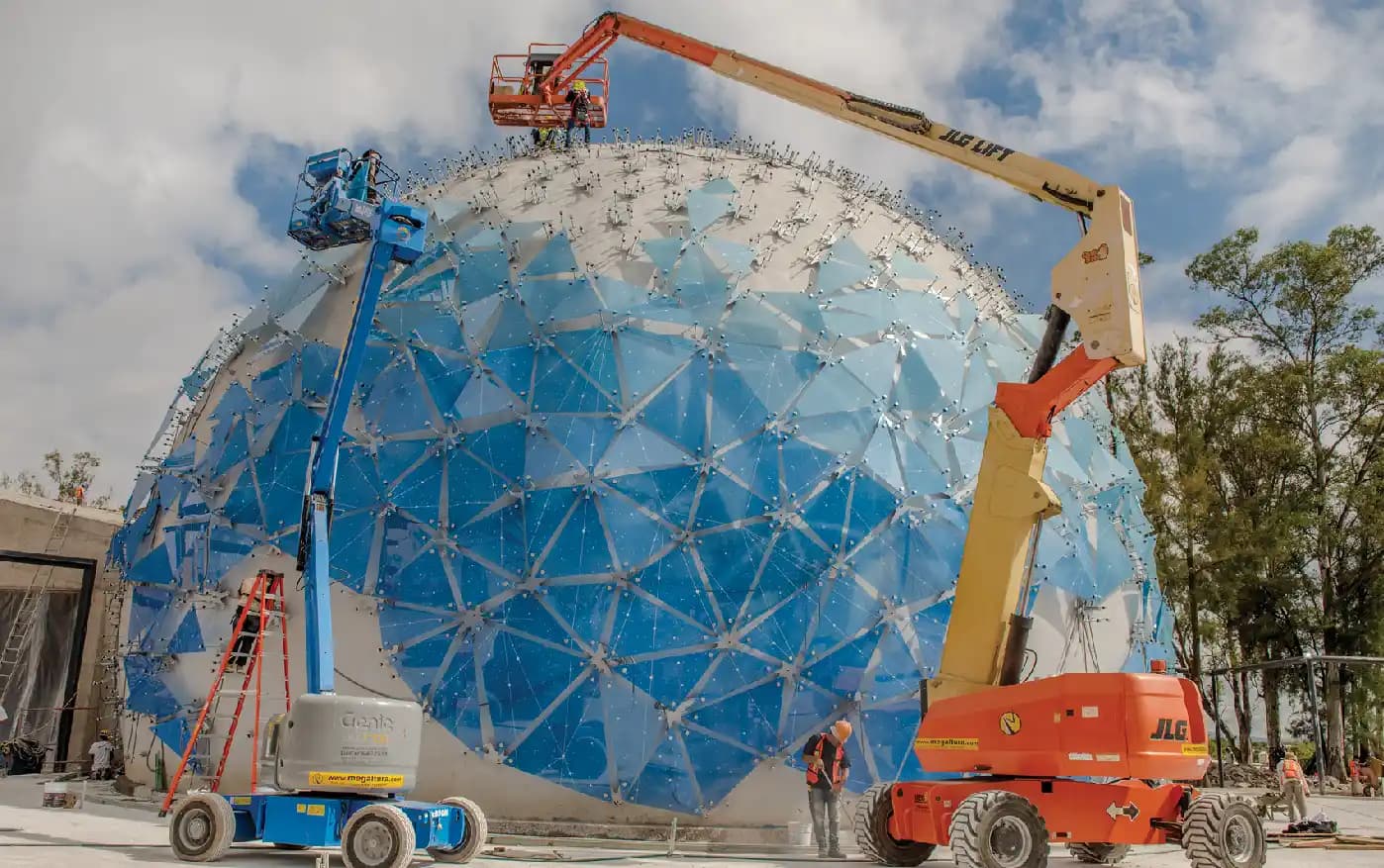 02Generative Algorithms for Facade DesignRoberto Arguelles€35.00
 03RunDiffusion: End-to-End AI Visuals for ArchitectureAlex WilsonFree
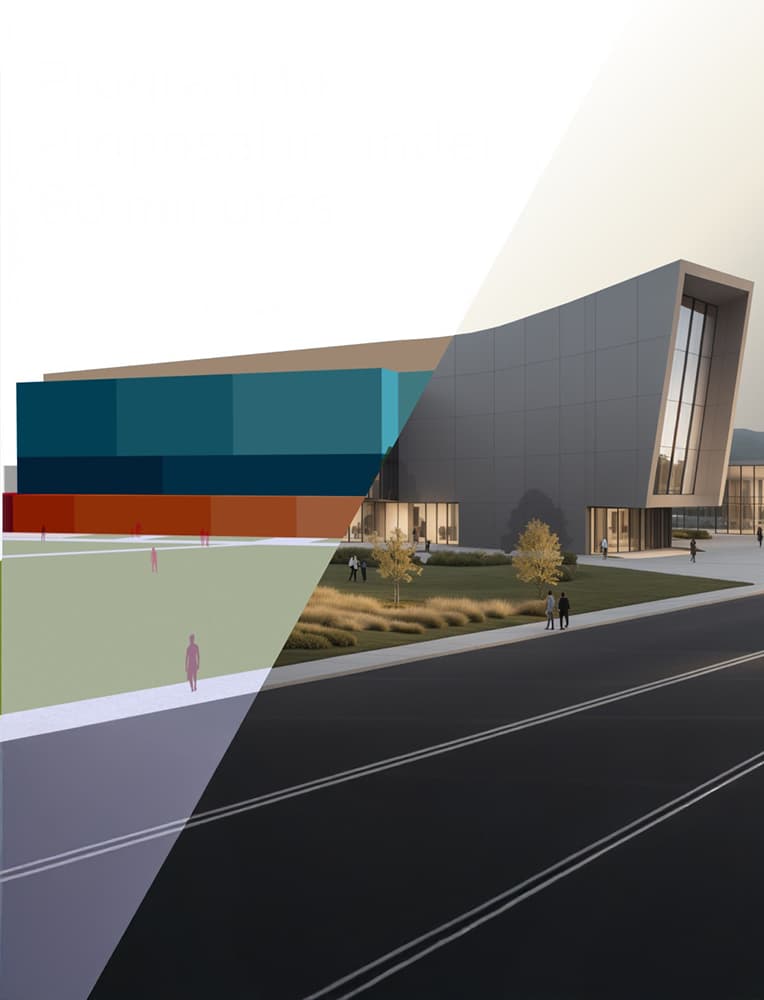 04Architectural Intelligence: From Prompt to Concept with Snaptrude AITaylor BoyerFree
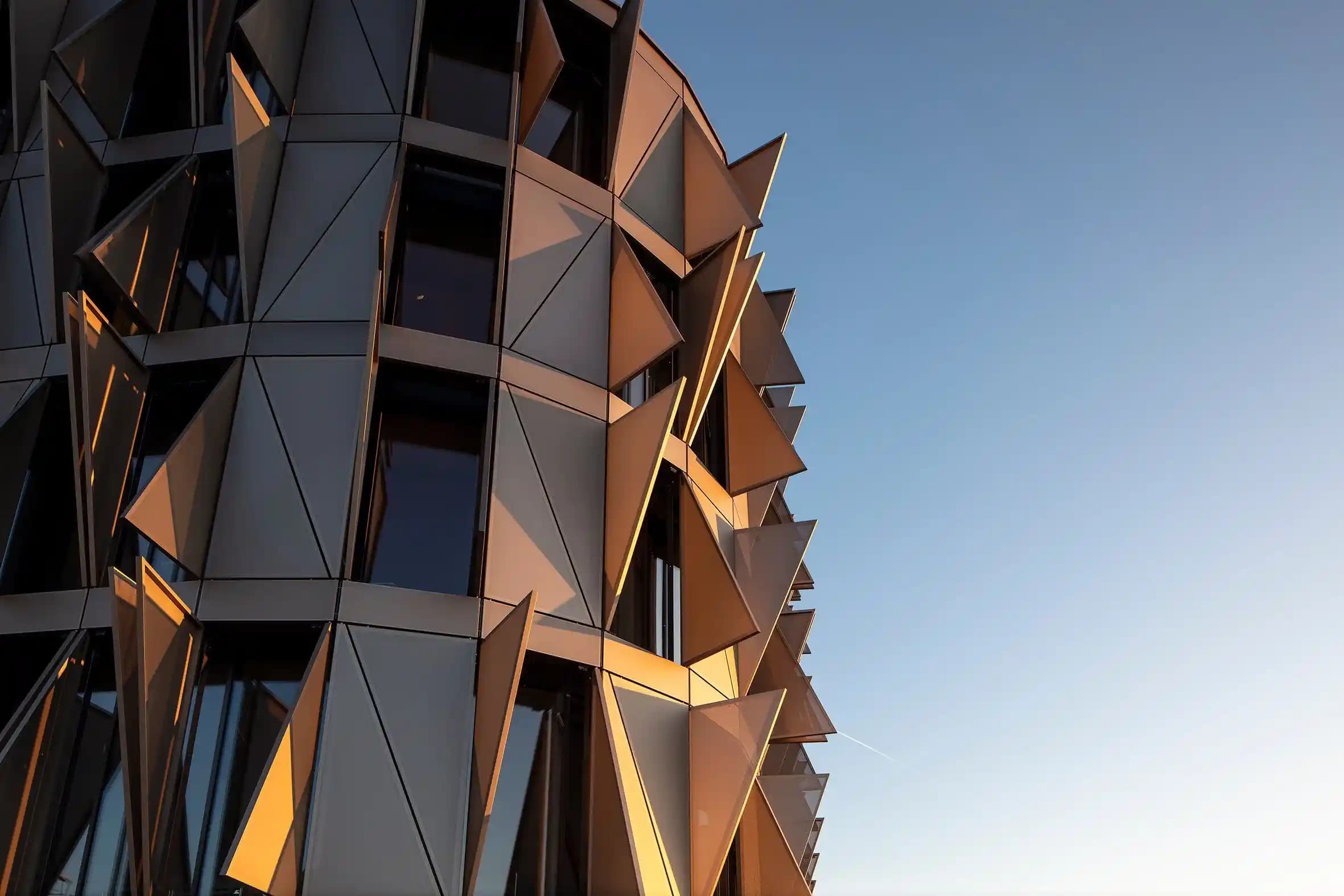 05Integr8.AEC: Facades - Algorithmic Data ManagementStefano Rossi€35.00
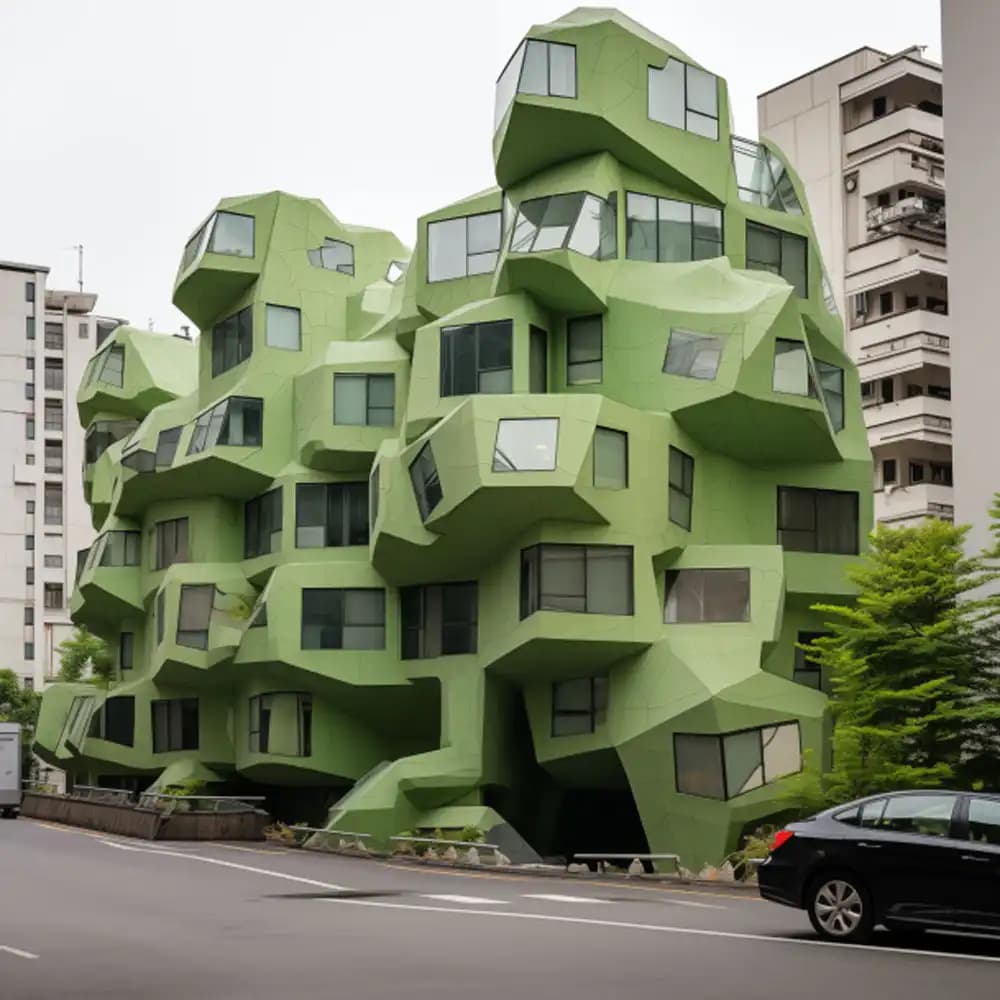 06AI-Driven Design PracticeCas Esbach€35.00