















 Sujith. KOct 7, 20265.0out of 5
Great Experience learned a lot
We value your privacy.
We use strictly-necessary cookies to keep you signed in and the service operational, and analytics cookies to understand how the site is used. With your consent, we also use preference and marketing cookies. You can change your choice anytime; see our Cookie Policy or Privacy Policy.
%2520(1).jpg&w=3840&q=75)
Design-Tech Talk 12 features expert-led presentations and a dynamic discussion on the latest advancements and emerging technologies.
Speakers
Step into the future of architecture and design with Design-Tech Talk 12, a two-day online event exploring the ideas, technologies, and innovations shaping the next generation of creative practice.
Bringing together leading architects, designers, and innovators from around the world, the event highlights a diverse range of perspectives at the intersection of design and technology. Through engaging presentations and discussions, attendees will discover emerging tools, evolving workflows, and forward-thinking approaches that are transforming architecture and the broader design industry.
Whether you are an architect, designer, student, researcher, or technology enthusiast, Design-Tech Talk 12 offers an opportunity to gain fresh insights, expand your perspective, and connect with a global community passionate about the future of design.
Day 1, September 19th:
Day 2, September 20th:

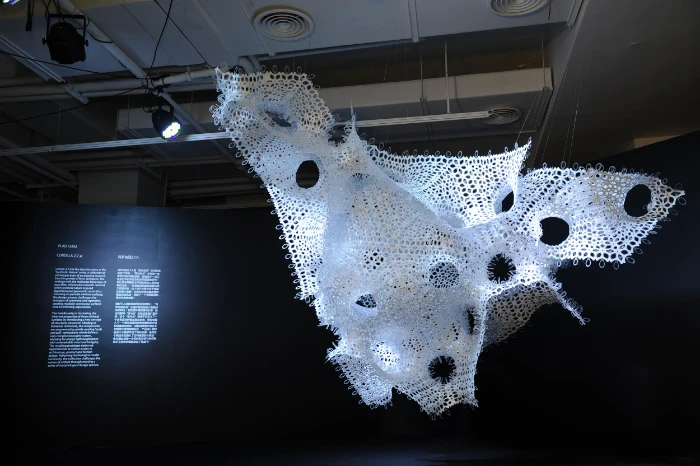
Vlad Tenu is a Romanian-British architect, designer and artist based in London. His practice explores the intersection of architecture, research and making, investigating how computational design, natural systems and digital fabrication can generate new spatial possibilities. Moving fluidly between buildings, installations, public art, sculpture, modular systems and wearable art, his work reveals connections between geometry, materiality and fabrication across multiple scales. With 20 years of architectural experience, Vlad is currently an Associate at Allford Hall Monaghan Morris (AHMM).
A graduate of The Bartlett UCL, where he also taught Architectural Computation, he has developed an internationally recognized body of work, receiving awards including the TEX-FAB Repeat Competition and AIA Houston Design Award.
His projects have been exhibited at leading design platforms and institutions, including London, Milan and Shenzhen Design Weeks, the Royal Academy Summer Exhibition, and Swarovski Crystal Worlds, with collaborations featuring Swarovski and Björk.

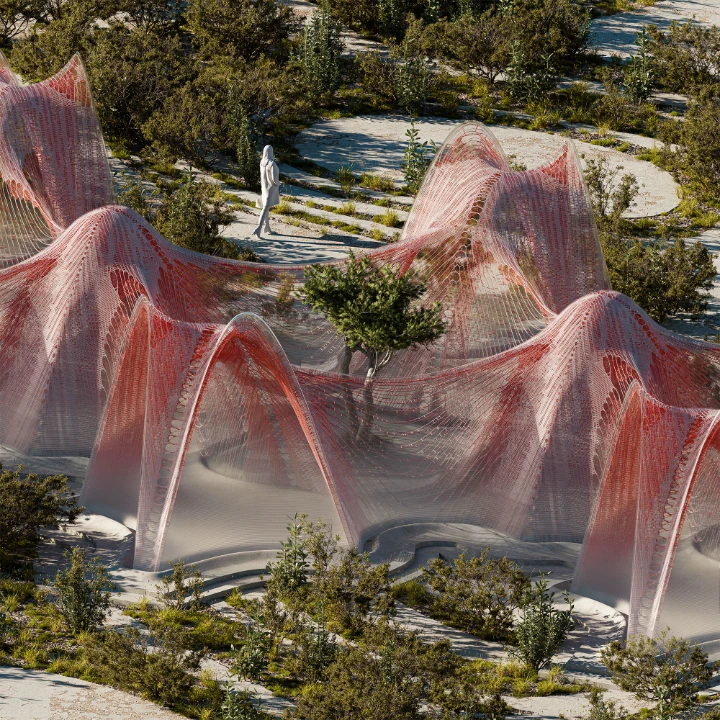
Professor Kostas Grigoriadis is an ARB-registered architect and academic. His work explores the spatial and theoretical implications of using multi-materials in architecture, as well as the new paradigm of spatial and material continuity they enable. His practice, Continuum, provides building design services and has completed the construction of a tourist center in Anhui, China, for Cozoo Ltd. Continuum previously won the Spiretec competition for the design and construction of the 62,000-square-meter World Trade Center Noida in Delhi, India.
Kostas studied Architecture at UCL, followed by a Master's in Architecture and Urbanism at the Architectural Association’s Design Research Laboratory. He has worked for Foster + Partners and Populous in London and held a Visiting Lectureship at the Royal College of Art, where he also completed a PhD in Architecture by Project, focusing on multi-material design methodologies. He taught a design studio at the Architectural Association from 2010 to 2023.
He is currently Professor of Multi-Material Architecture and Co-Director of Architecture MArch (ARB/RIBA Part 2) at the Bartlett School of Architecture, UCL, and Associate Editor of Architecture Intelligence (Springer). He is the co-author of 3D Printing and Material Extrusion in Architecture, and the editor of Mixed Matters: A Multi-Material Design Compendium, published by Jovis Verlag in June 2016.
His awards include the Ivan Petrovic Prize (eCAADe 2014), the Arup Prize for Emerging Talent in Architecture—Special Mention (Royal Academy Summer Exhibition, 2016), the RIBA President’s Award for Design and Technical Research (2018), and the Google R+D in the Built Environment Fellowship (2019).

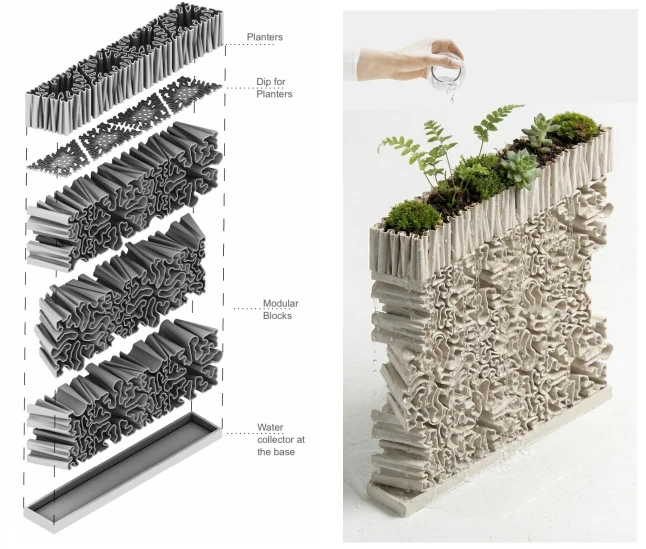
Sonakshi Pandey is an architectural designer exploring the boundaries of computational design and digital fabrication. Her practice lives at the intersection of generative design and making, testing how complex geometric algorithms translate into physical form. Currently, she is experimenting with the material behavior of 3D printing on fabric, investigating how rigid computational patterns integrate with flexible textiles to create performative structures. Was recently a Resident in the Autodesk Research Residency Program, where she integrated robotic workflows into fabrication practices.
Completed her Master of Advanced Architectural Design in Digital Crafts and Fabrication from the California College of the Arts (CCA). Sonakshi also holds a Master of Architecture from the University of Newcastle, Australia. Her ongoing research in additive manufacturing continues to develop new methods of fabrication.
%20paacademy.jpg)
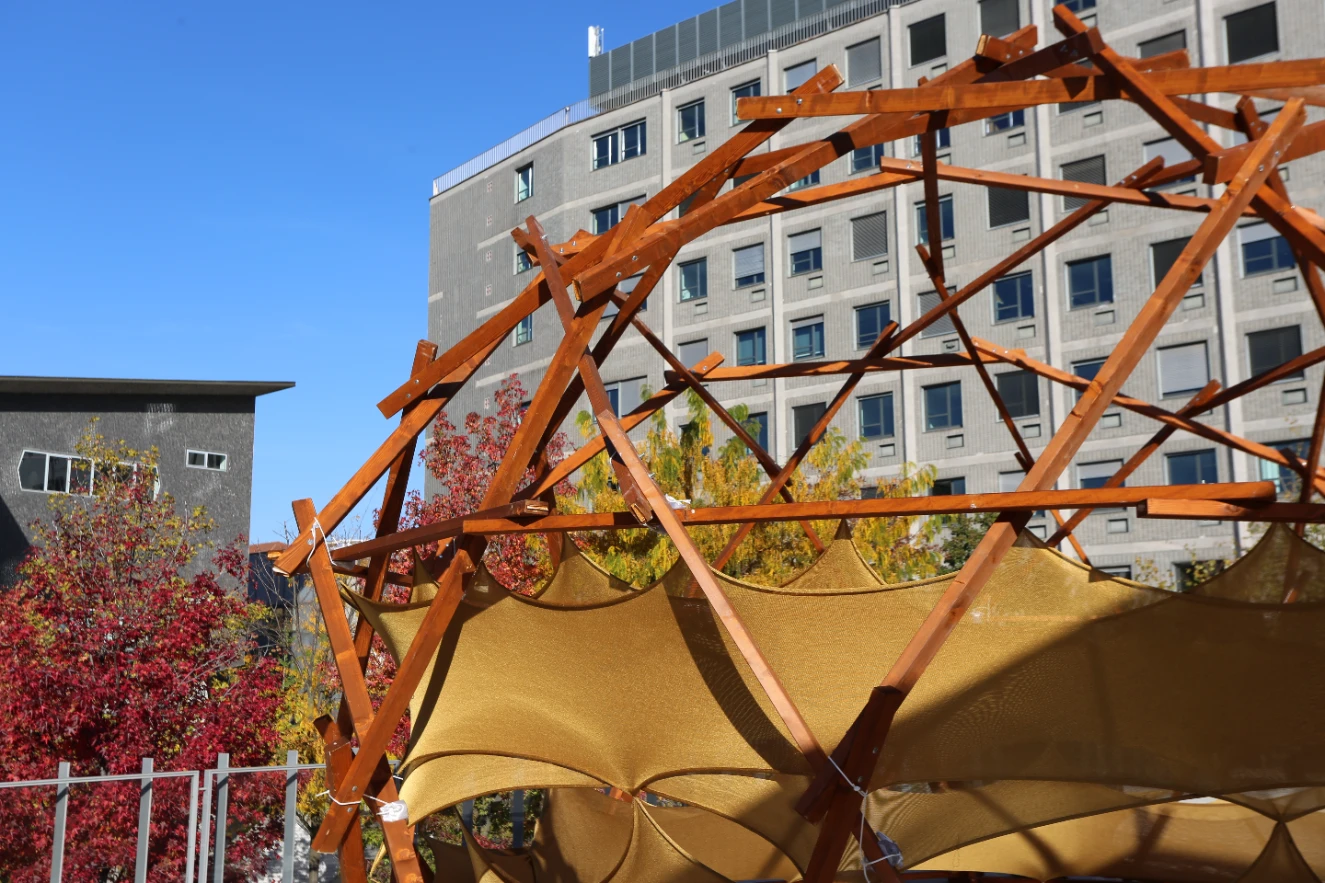
Ingrid Paoletti is Full Professor of Architectural Technology at Politecnico di Milano, where she also earned her PhD in Construction Technology. She has conducted research as an associate researcher at MIT (Massachusetts Institute of Technology) and is the founder of Material Balance, a research group focused on theoretical and design experimentation with innovative technologies and materials for a new and responsible material culture. She has served as Vice-Rector for Expo Dubai 2020 and Vice President of the Politecnico di Milano Foundation. She collaborates with several international universities and research centers, including KTH, KDAK, and the Gloknos Center.
In 2022, she was a speaker at TEDxMilano. Since 2023, she has been the Rector's Delegate for Exhibitions and Events, and in 2025 she curated the Material Bank for the 19th edition of the Venice Biennale. Her publications include L'innovazione consapevole (Maggioli, 2012), Advanced Customization in Architectural Design and Construction (with R. Naboni, Springer, 2015), Material Balance: A Design Equation (Springer, 2020), and Siate Materialisti! (Einaudi, 2021).
.jpg)
Eric studied Art and Architecture at the Byam Shaw School of Art, Central Saint Martins. He completed his undergraduate degree at Cardiff University and later earned a master's degree from the Bartlett School of Architecture, UCL.
Eric was nominated for the RIBA President's Silver Medal and is a recipient of the Bartlett School of Architecture Medal for outstanding academic achievements in professional performance, the Sir Banister Fletcher Medal for highest marks in Part 2 graduate studies, and the Fitzroy Robinson Drawing Prize for best drawings in Part 2 graduate studies. He later completed his Part III professional studies at the University of Cambridge, where he qualified as an Architect.
Eric is a practicing Architect who has worked at CJ Lim Studio 8 Architects and Allford Hall Monaghan Morris Architects on a range of projects of varying scales and complexities. He is also a senior lecturer and architecture design tutor who has taught at UCL: Bartlett School of Architecture and the University of Greenwich at undergraduate and postgraduate level, respectively.
Eric has also been a visiting critic to the Architectural Association, University of Westminster, Aarhus School of Architecture, The Cooper Union, Carnegie Mellon University of Architecture, University of Johannesburg Graduate School of Architecture, and the National University of Singapore Department of Architecture.
Eric’s work has been widely published and exhibited in the RIBA Journal, Architects Journal, Blueprint Magazine, and VICE, through to the Design Museum, World Architecture Festival, and Sir John Soane Museum.
He has also worked with Oscar-nominated Director Mamoru Hosoda as the concept artist and production designer for the award-winning animated feature film ‘Belle ’, where he designed the virtual world known in the film as U.
His architectural journey has been influenced by critical thinking, speculative world-building, and intricate line drawings.
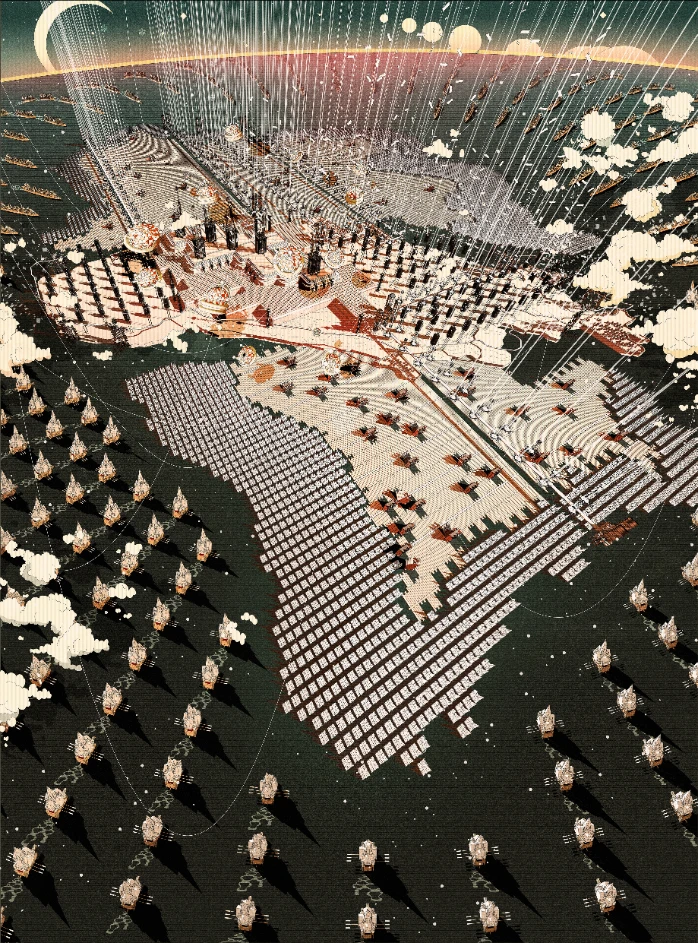

Sarah Aladayleh is an architect and urbanist based in London. As a Design Lead at Bjarke Ingels Group (BIG), she leads large-scale urban design and masterplanning projects across the Middle East and the UK. Her design methodology explores the intersection of spatial frameworks and visual storytelling.
Alongside her architectural career, Sarah is a published illustrator. Her work has been commissioned and exhibited internationally by the Institut du Monde Arabe in France, the Cultural Foundation in Abu Dhabi, and the Sharjah Art Foundation.
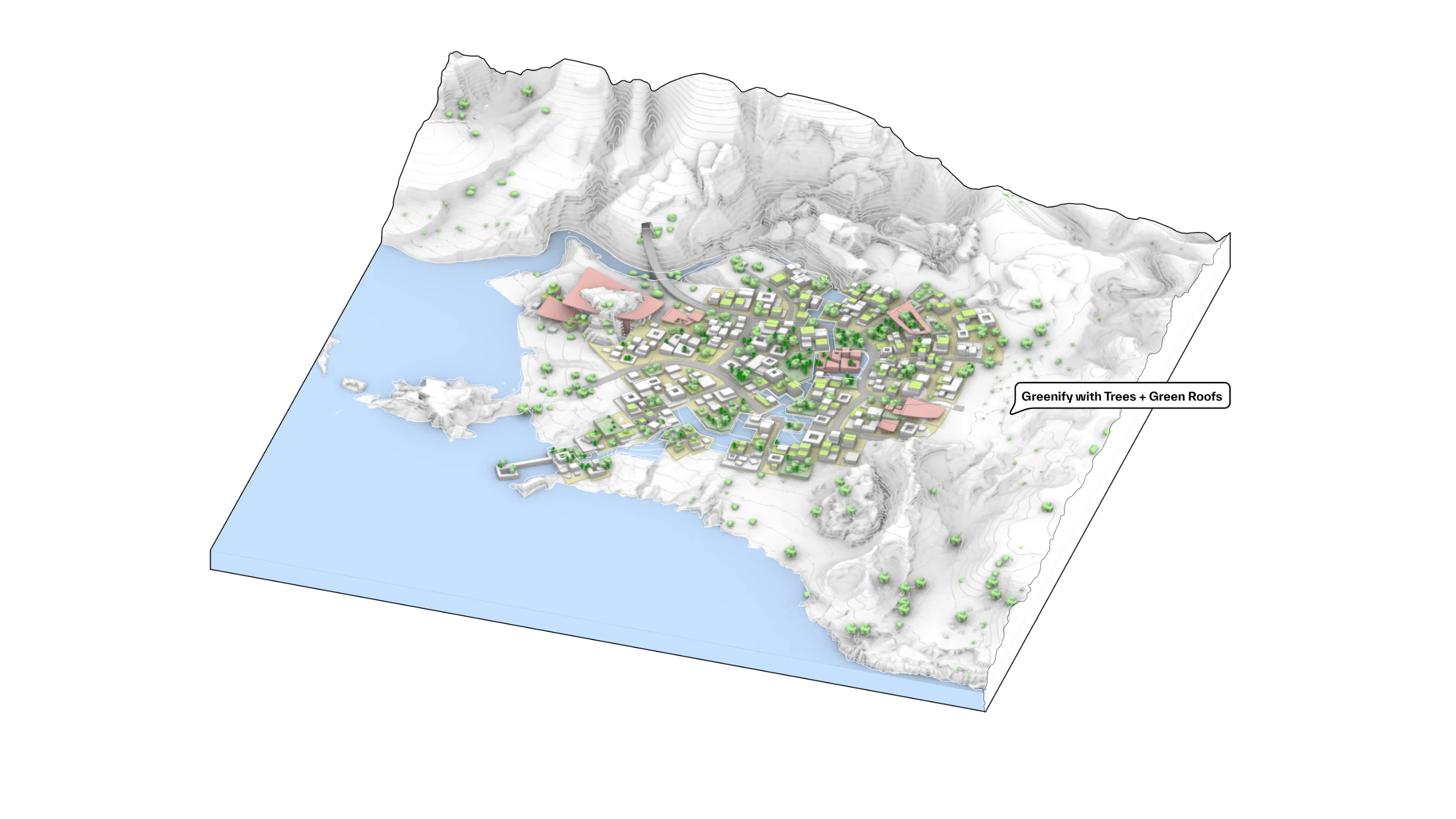
Core principles for combining computational design, natural systems, and digital fabrication.
Key insights into multi-material architecture, material continuity, and additive fabrication.
Frameworks for integrating generative algorithms with flexible textiles to form performative structures.
Methods for driving material balance, advanced customization, and responsible material cultures.
Sujith. KOct 7, 20265.0out of 5Great Experience learned a lot
 alessandroSep 30, 20265.0out of 5
very inspiring new materials and way to 3D print
Prin MeesupyaSep 28, 20265.0out of 5Best experiences and expand my field of knowledge Parametric and Upcoming design
Marta PereiraSep 25, 20264.0out of 5Interesting content The course covers interesting topics and brings together professionals with valuable perspectives. Ingrid Paoletti, Vlad Tenu and Kostas Grigoriadis in my opinion, made a real difference to the experience.

Great Experience learned a lot
very inspiring new materials and way to 3D print
Best experiences and expand my field of knowledge Parametric and Upcoming design
Interesting content The course covers interesting topics and brings together professionals with valuable perspectives. Ingrid Paoletti, Vlad Tenu and Kostas Grigoriadis in my opinion, made a real difference to the experience.
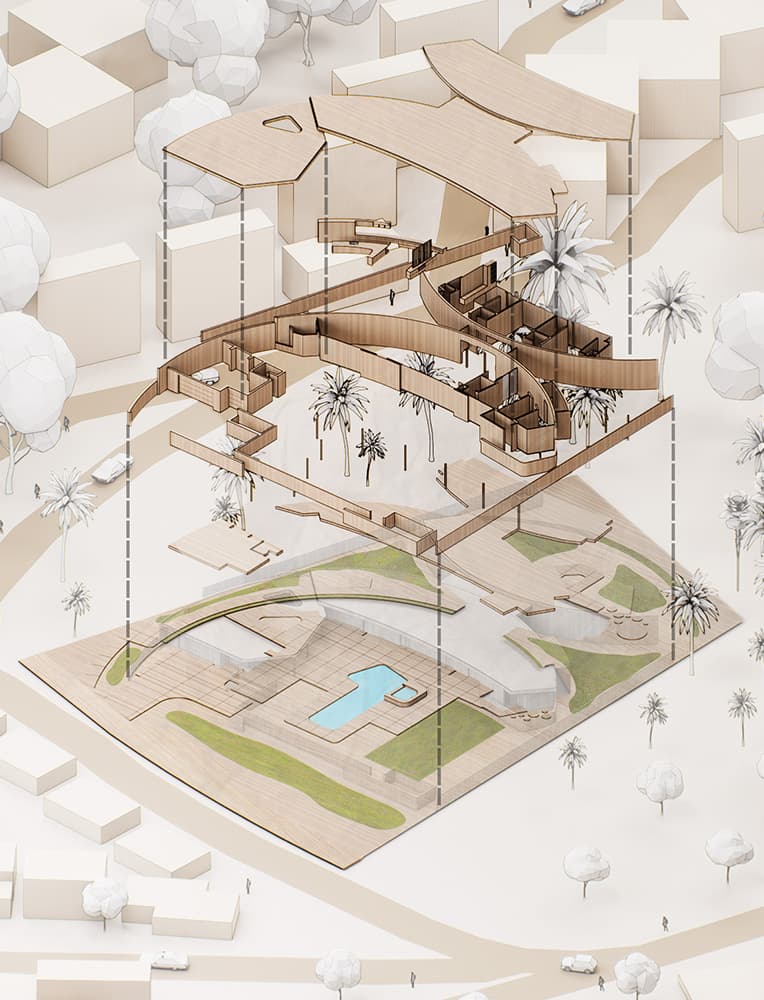 013D Stylized Renders & Diagrams with D5 RenderAndy ChristoforouFree
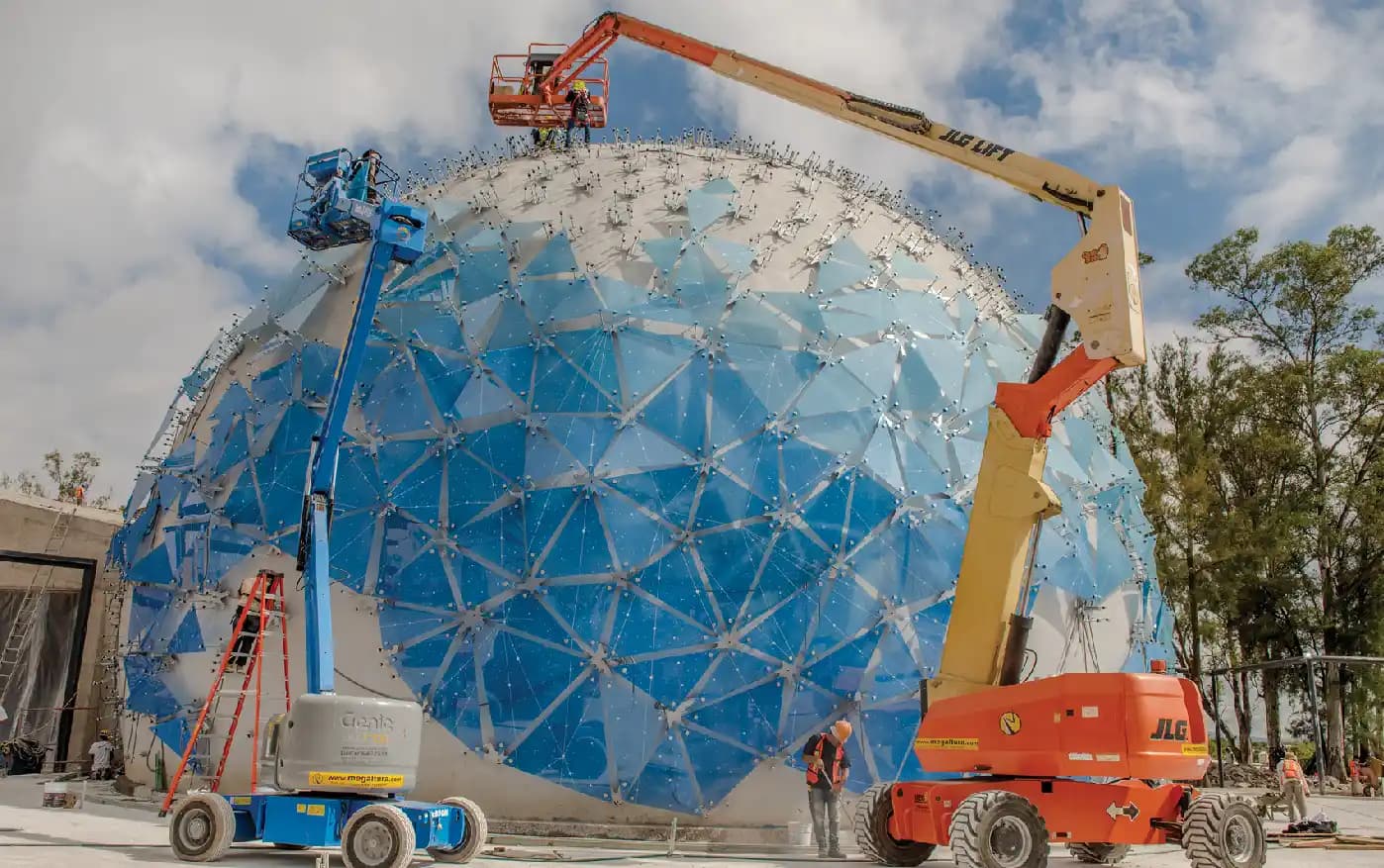 02Generative Algorithms for Facade DesignRoberto Arguelles€35.00
 03RunDiffusion: End-to-End AI Visuals for ArchitectureAlex WilsonFree
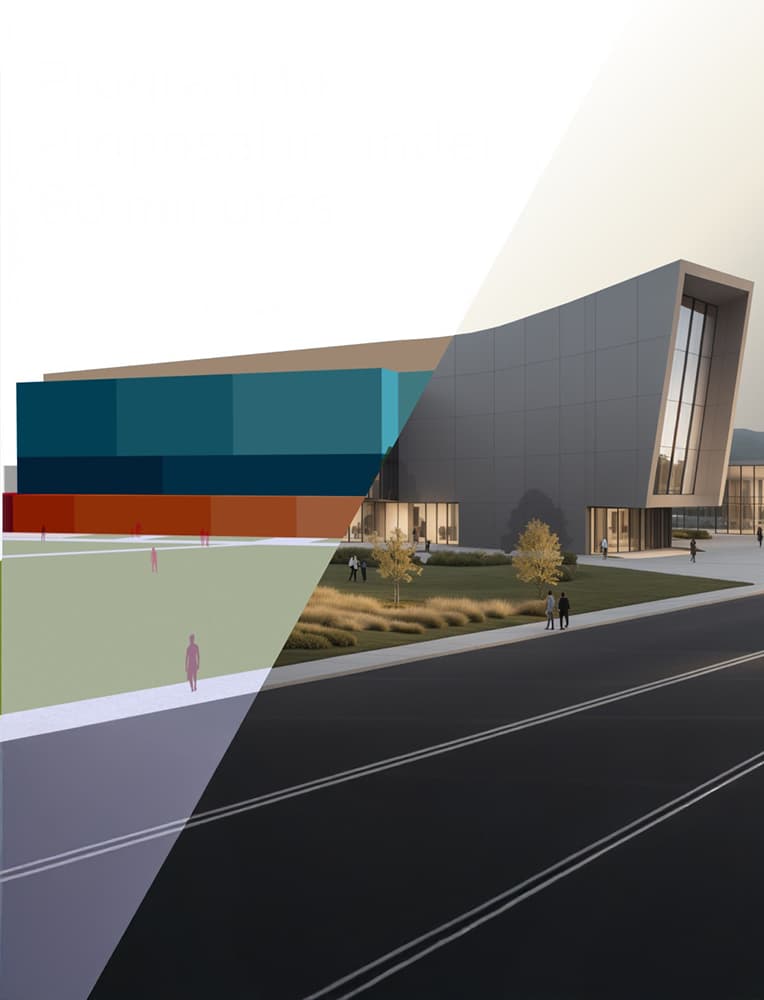 04Architectural Intelligence: From Prompt to Concept with Snaptrude AITaylor BoyerFree
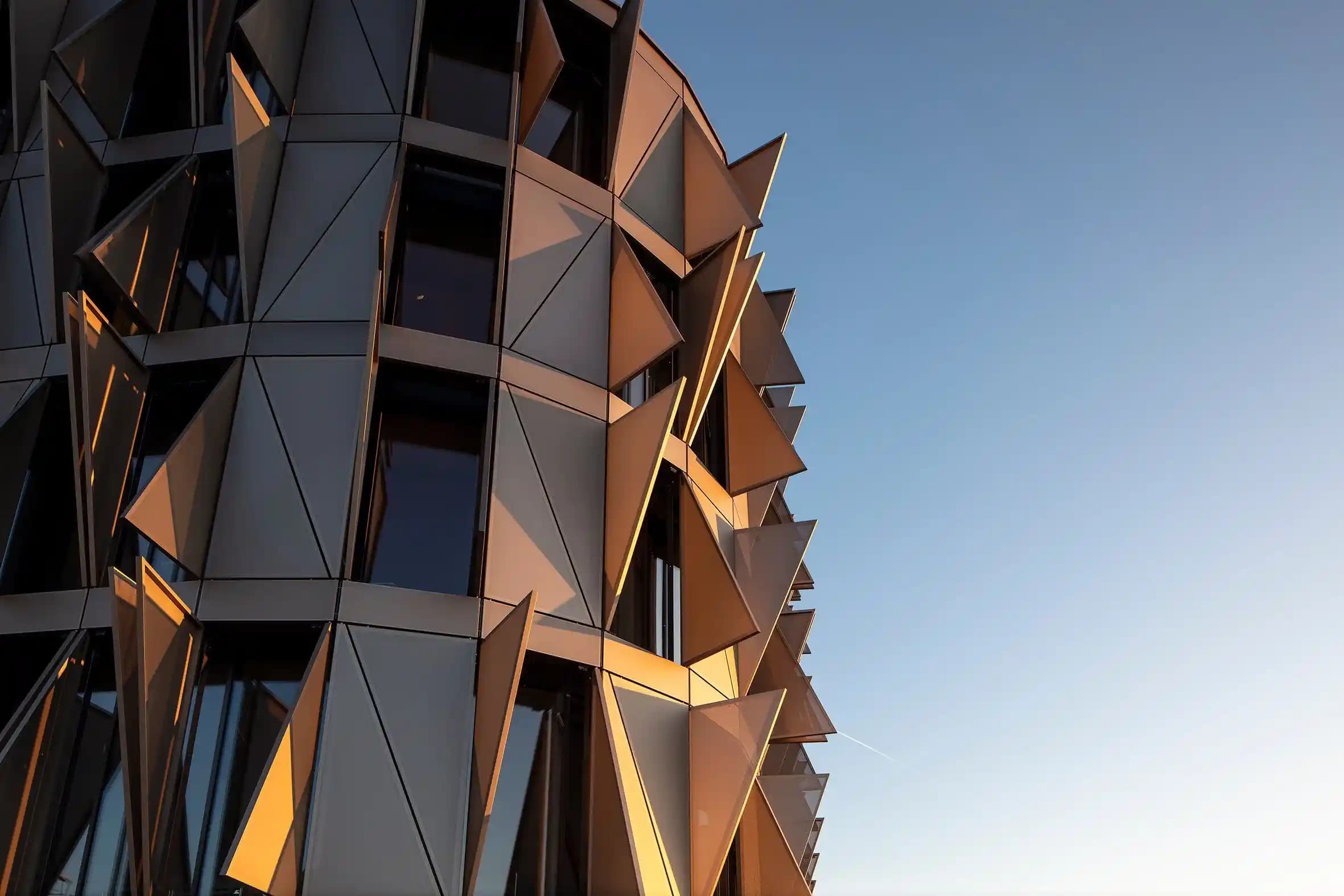 05Integr8.AEC: Facades - Algorithmic Data ManagementStefano Rossi€35.00
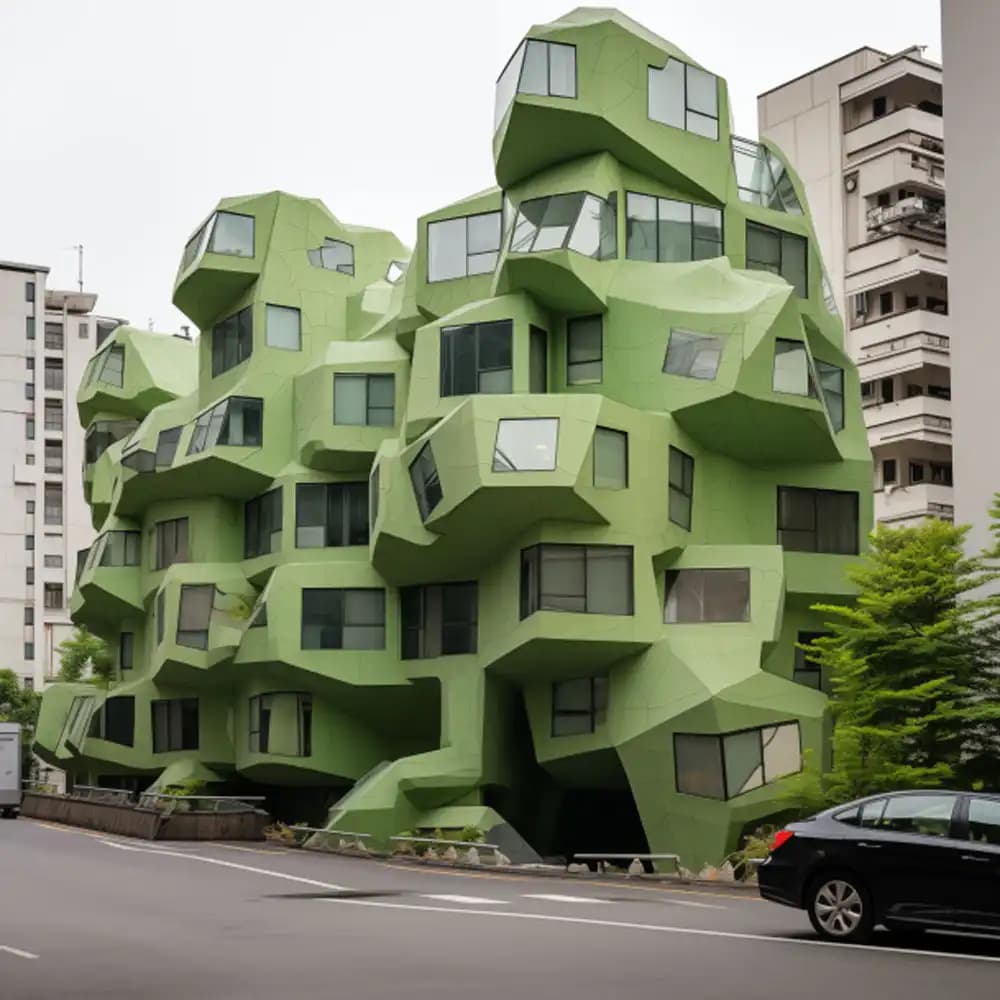 06AI-Driven Design PracticeCas Esbach€35.00