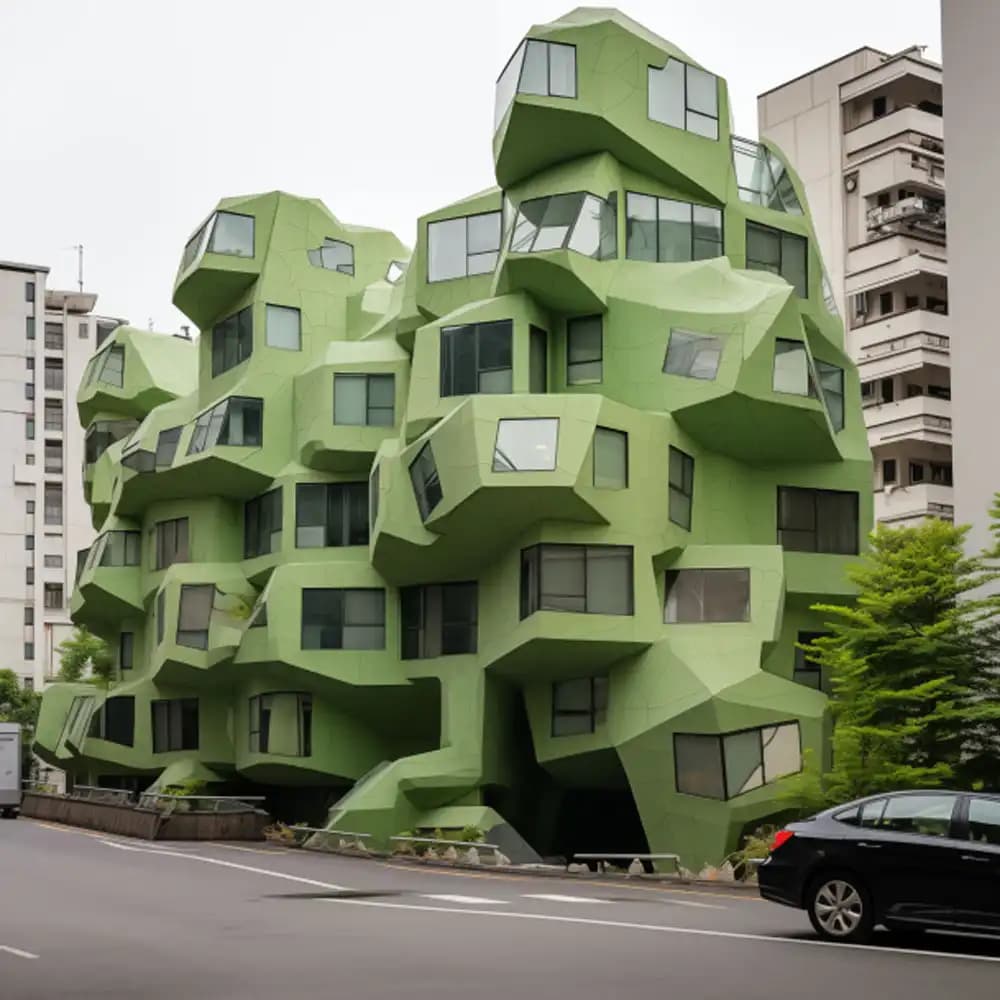
In an era defined by rapid urbanization, climate challenges, and growing populations, architecture must do more than provide shelter. It has the responsibility to reconnect cities with nature, improve environmental performance, and create healthier places for people to live and work. Through thoughtful design, buildings can become living systems that contribute to the resilience of entire urban environments.
As contemporary cities continue to evolve, the integration of landscape, climate-responsive strategies, and sustainable technologies is reshaping how architecture is conceived. Rather than treating nature as an addition, the most innovative projects embed it into the very fabric of buildings, creating spaces that enhance biodiversity, improve wellbeing, and strengthen the relationship between people and their environment.
Today, architecture is measured not only by its aesthetic qualities but also by its ecological impact and social value. By combining environmental intelligence with design excellence, architects have the opportunity to create cities that are greener, more resilient, and better prepared for the future.




 Ayele BedadaNov 1, 20265.0out of 5