The workshop will be broken into parts, first looking at references for deployable systems and particularly focusing on scissor mechanisms. The first simulations will be 2 dimensional and will go over the basic types of scissor mechanisms and movements.
The next step will be adding membrane materials to this by using Kangaroo to simulate mesh relaxation. The membrane material will follow and connect to the expanding and contracting scissor forms.
The Second part will be exploring in 3 dimensions with hyperbolic deployable systems; these will add more complexity and include Grasshopper and Kangaroo to again transform the base geometry and gain an understanding of the variety of variables and controls to transform these geometries. The next portion will be to combine these with membranes as well as adding aggregation and repetition of modules.
The final part will be a study of tensegrity systems where the membranes act in tension and linear struts are in compression. These forms are deployed through the activation of the membranes and structures to deploy and reach a structural equilibrium state. This will allow learners to understand structural arrangements as well as deployable forms for tensegrity modules in Grasshopper.
Finally, suggestions and workflow to translate these designs into physical prototypes will be addressed and discussed. To provide opportunities to study and understand the physical principles further.
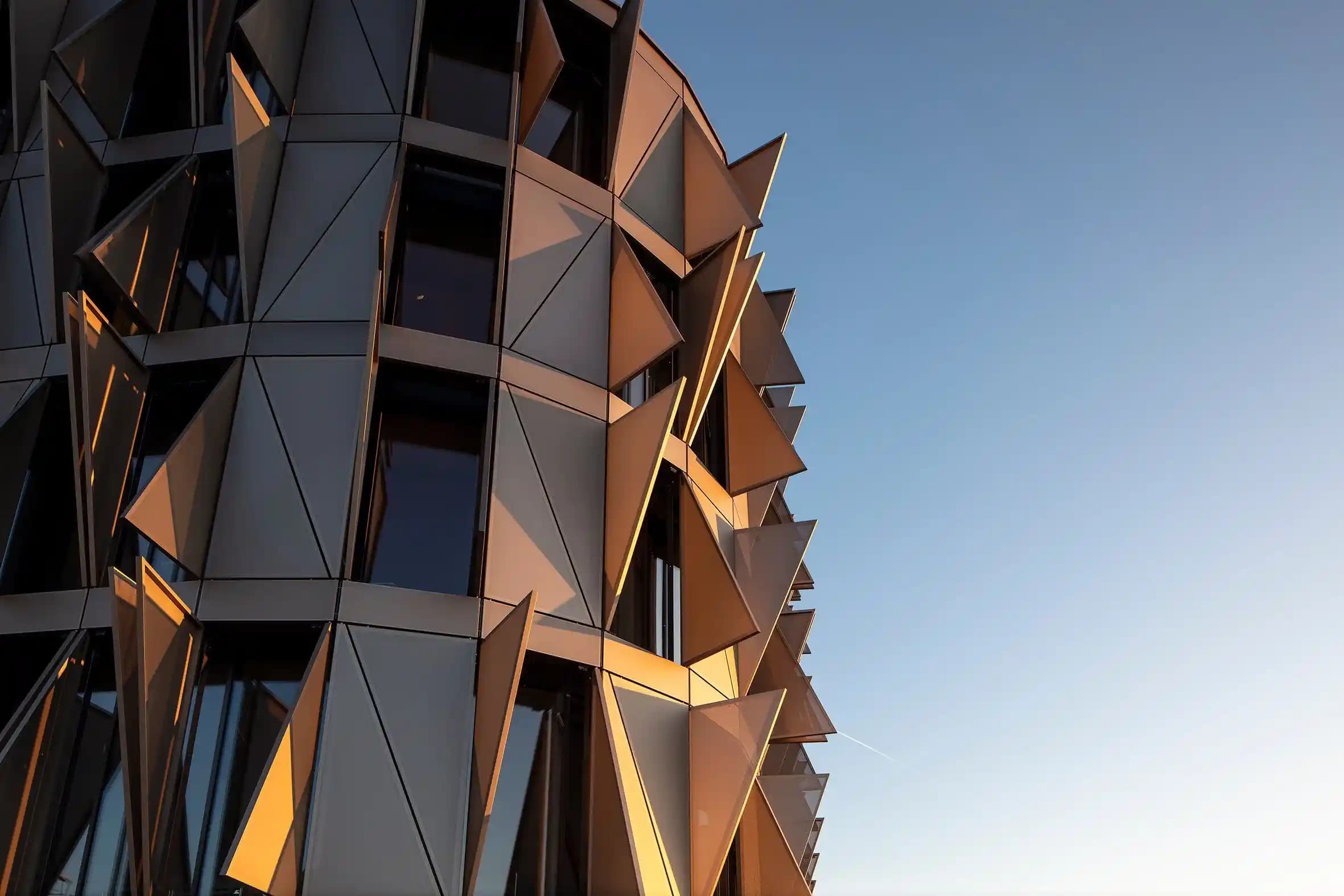
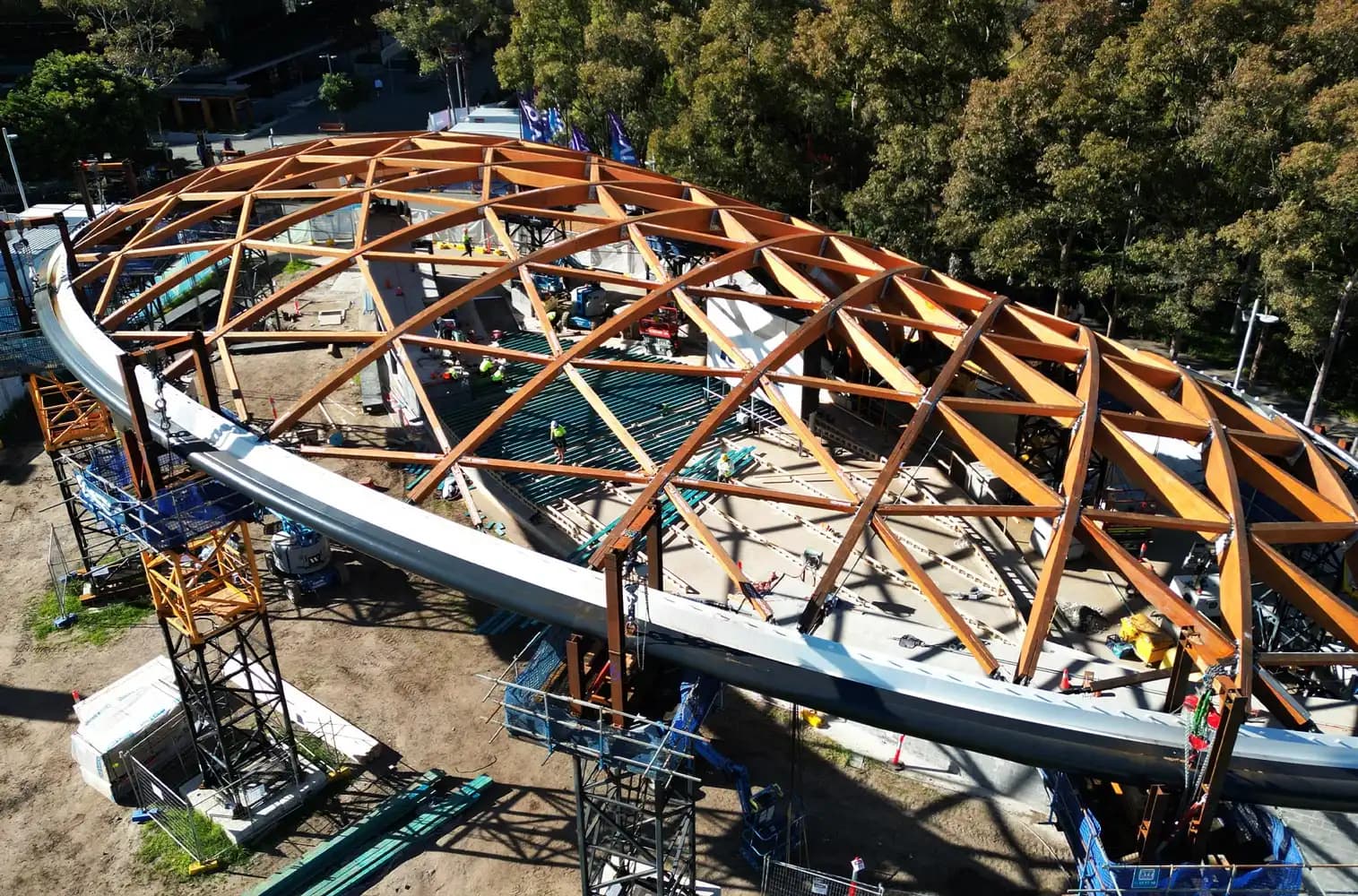
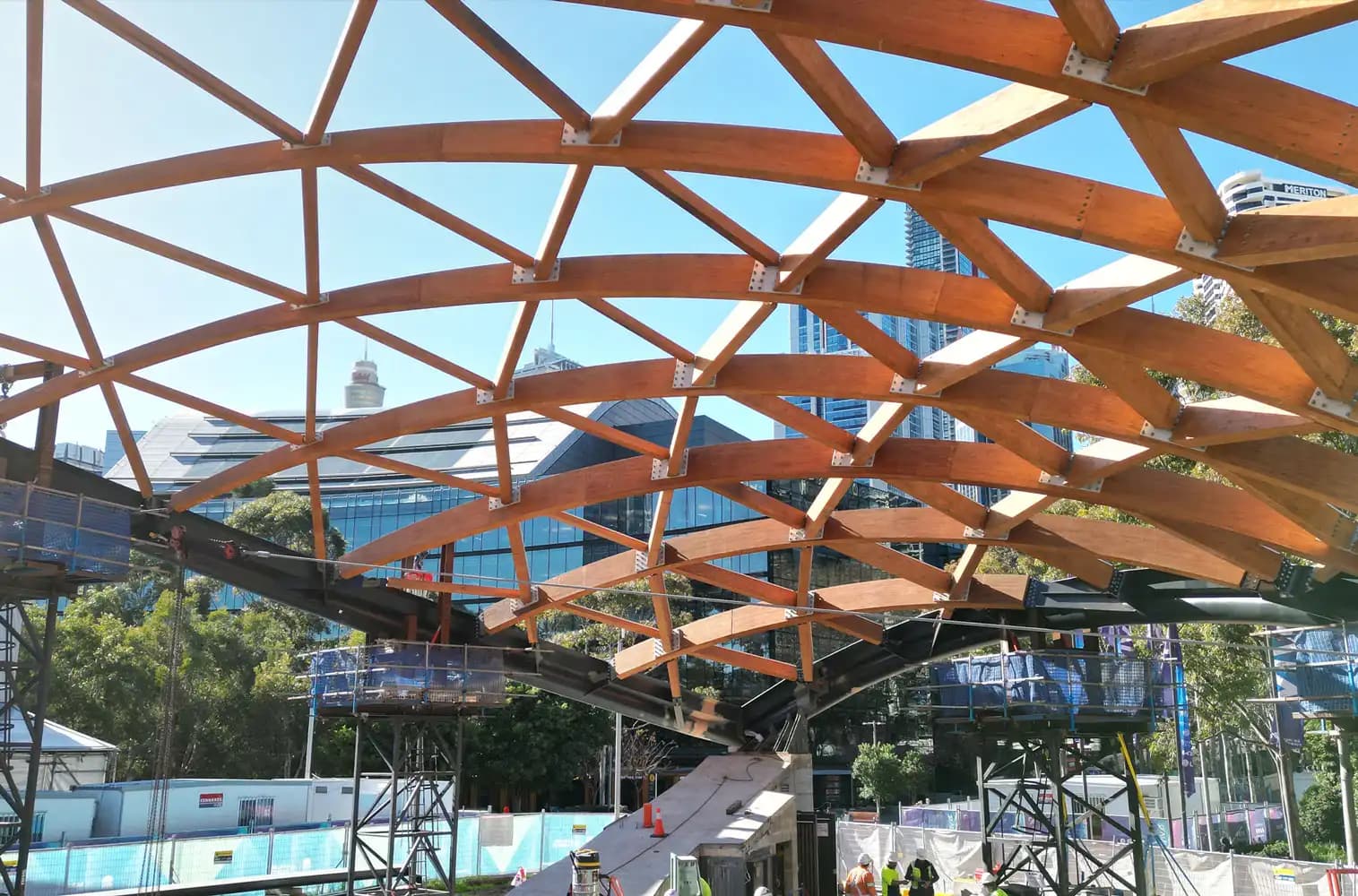
Throughout the workshop, step-by-step instruction on making Grasshopper code will be provided. As well as discussion of the structural systems behind the designs and bringing in precedents and built examples, including deployable roofs and satellite forms from space travel. The studies ultimately will combine theory with the instruction of tools and methods.
Scope:
The workshop will introduce topics with lectures and precedents describing the goals for geometry to be created. As well as step-by-step instructions for developing the desired Grasshopper code for each of the pre-determined base forms. The results will allow students to deviate by adjusting a variety of parameters and scales, allowing them to individually develop their own designs.
Ultimately, the workshop will emphasize iterative design and working back and forth between the digital design simulations and testing results with physical study models and prototypes, allowing participants to work with a variety of materials that they may have available at hand to re-create their desired designs.
Group discussions of the results at each phase will offer an opportunity for participants to share and demonstrate their work. Opportunities will also be available to receive feedback and support for their individual developments.
Program:
Day 1: Foundations of 2D & 3D Deployable Scissor Systems
- Introduction to deployable systems: Understanding scissor mechanisms
- Basic Grasshopper workflow
- 2D scissor mechanisms in Grasshopper
- Introduction to precedents and examples
- Adding membrane simulation in Kangaroo
- 3D scissor aggregation in Grasshopper
- Discussion on physical prototypes
- Final questions and conclusions
Day 2: Hyperbolic Geometry, Tensegrity & Motion Simulation
- Introduction to deployable hyperbolic forms
- Grasshopper coding of hyperbolic forms
- Adding membranes to simulation
- Animating simulations
- Introduction to tensegrity and structural configurations
- Grasshopper coding for tensegrity modules with tensile membranes
- Discussion on physical prototypes
- Final questions and conclusions