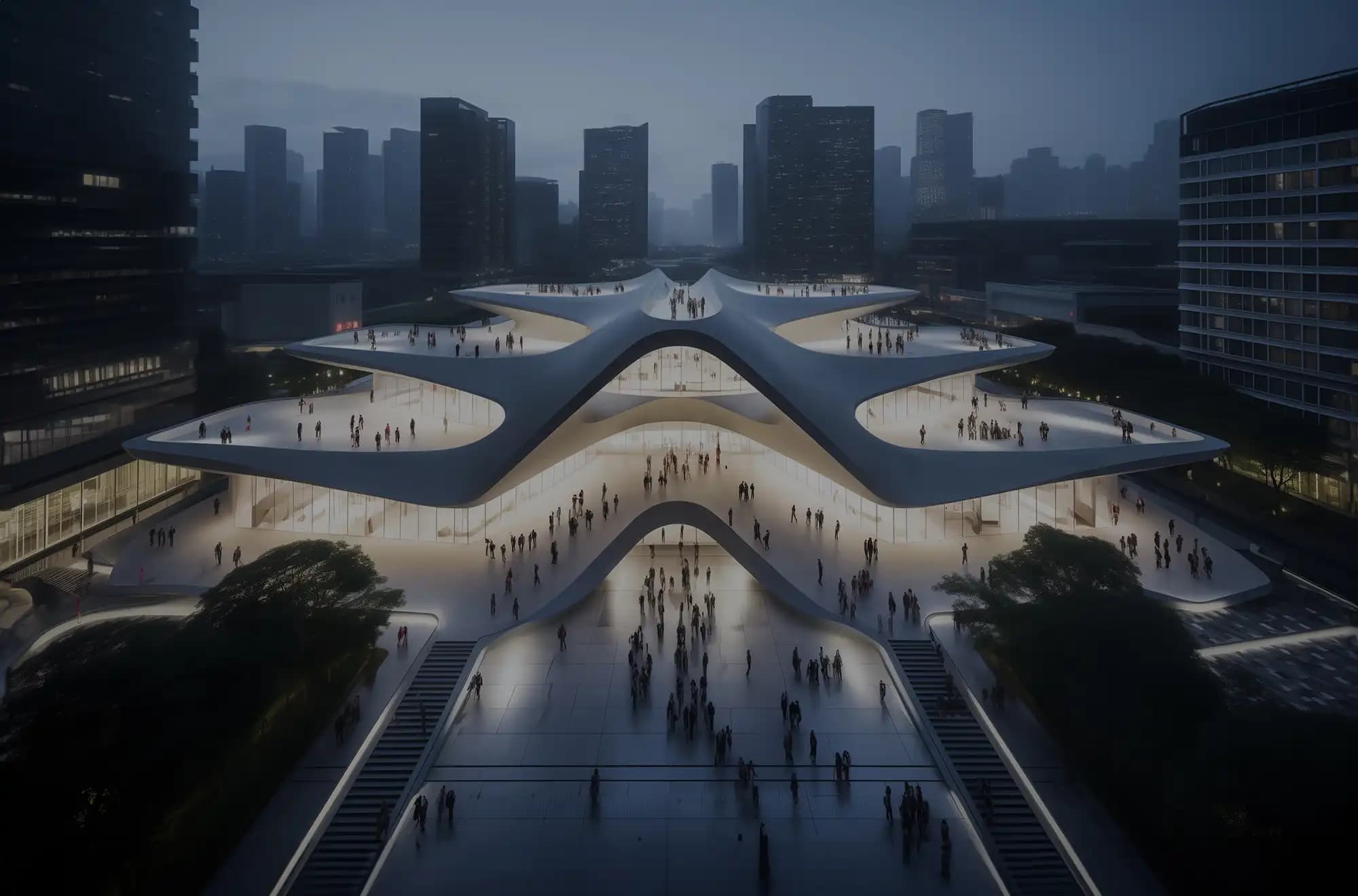
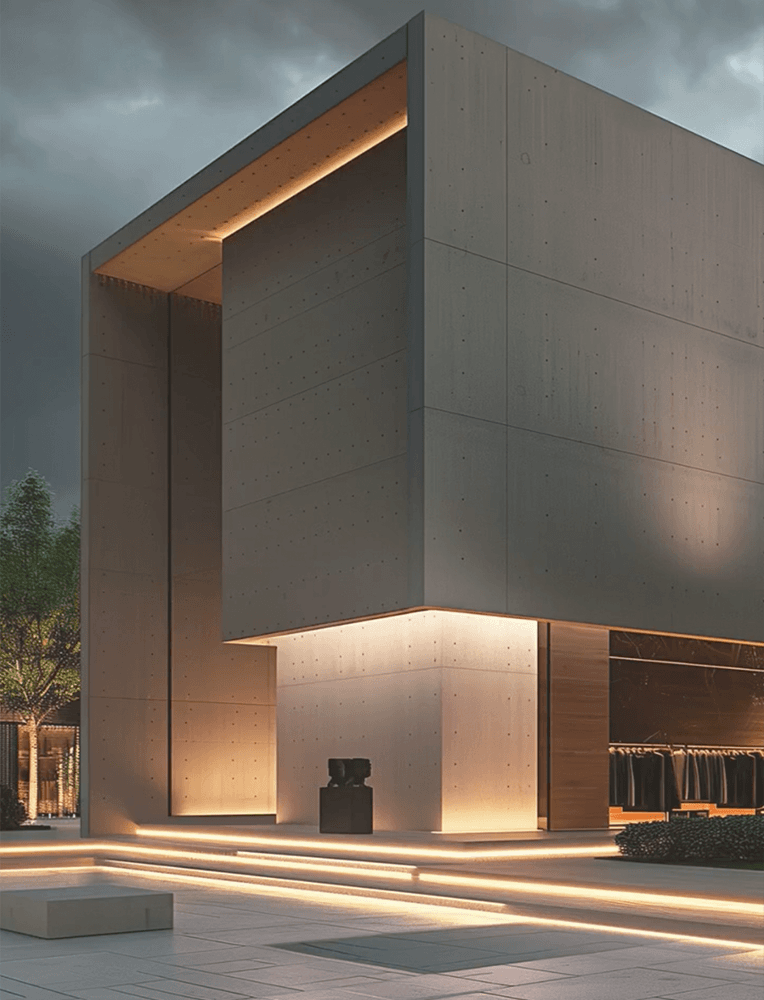
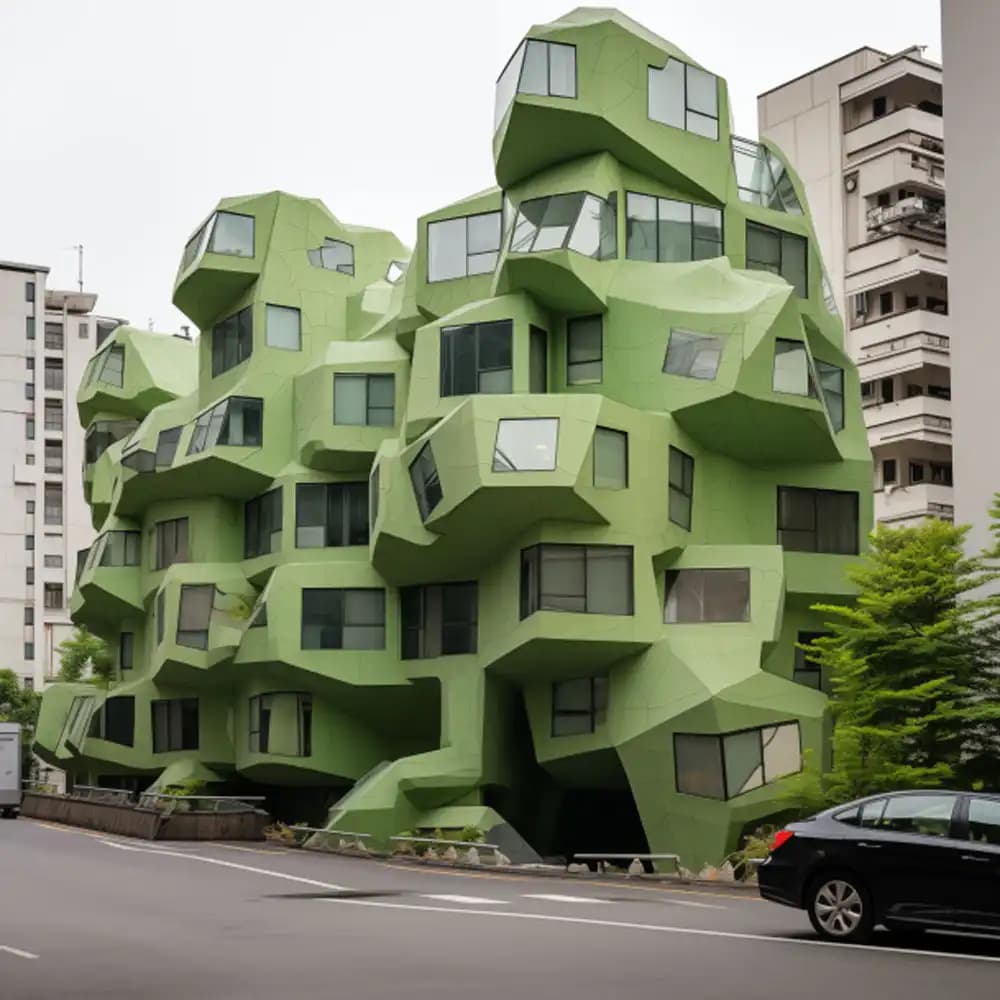
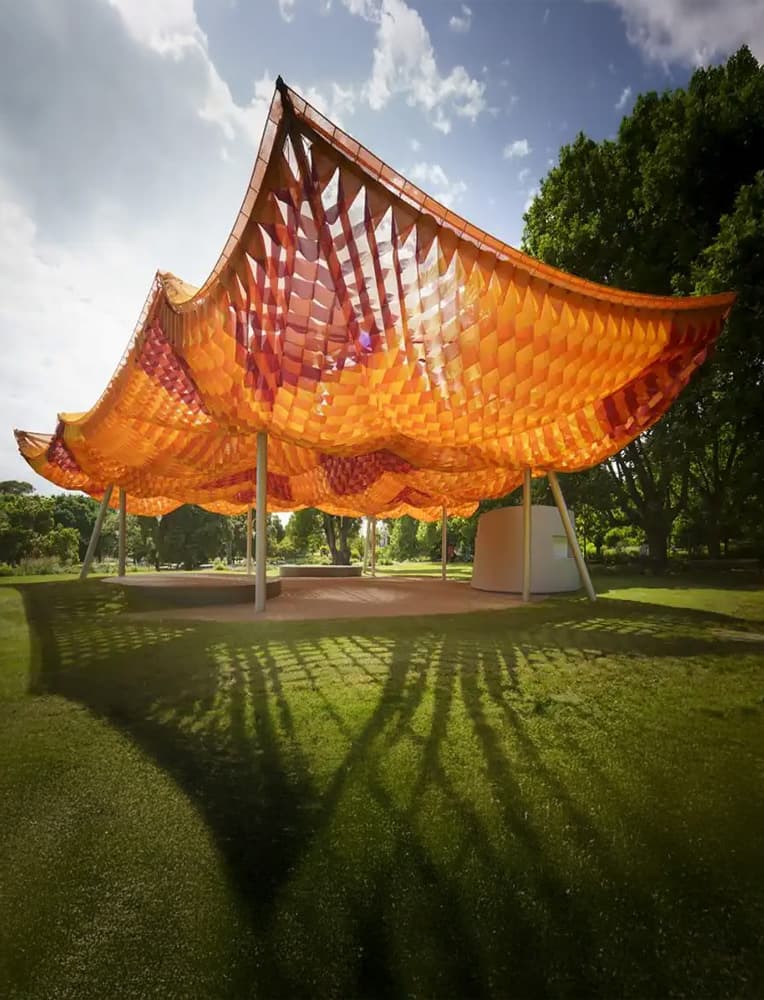
This course focuses on adaptive design systems, a way of thinking that outlives any single tool. Instead of “prompt engineering,” we practice Surgical Concept Formation: stitching, refining, and curating outputs into a coherent architectural narrative.
We will cover:
- History of AI in Architecture: From pre-CAD to the AI era
- Data & Networks: Turning abstract ideas into relational diagrams
- Visual Production: Generating, mixing, upscaling, and repairing images through a modular workflow
- Simulation & Light BIM: Validating AI concepts with environmental and functional data
The Scope:
- Modular Workflow Design is treated as a network of refinement stations rather than a linear or chaotic process.
- Second Brains: Using Pinterest, Graphcommons, and AI tools, we externalize thinking, classify information, and build intelligent visual repositories.
- The Surgery Table Rejecting the myth of the “perfect generation,” Photoshop becomes a surgical table—where we stitch, layer, and manipulate outputs into intentional architectural compositions.
- Reality Check: With Autodesk Forma and Rayon, we test AI hallucinations against real constraints: ergonomics, sunlight, climate, program, and feasibility.
Program:
Day 1
Module 1: The Mind — Introduction
- What is Synthetic Architecture
- History of tools
- Reading societies, context, and underlying forces
Module 2: Secondary Brain Theory & Data Classification
- Building meaning with AI tools, spreadsheets, and Graphcommons
- Using Pinterest as an intelligent visual repository
Module 3: Building the Concept Base
- Idea-generation tools and the value of “wrong” or “sloppy” outputs
- Deterministic prompting: telling AI exactly what you need
- Creating a sketch or simple 3D massing for downstream use
Module 4: The Tool Arsenal
- Overview of Midjourney, Gemini, ChatGPT, Runway, Magnific, Photoshop, Forma, Rayon, Rhino, etc.
- Task: Prepare site, context, visual repository, sketches, and tools for Day 2.
Day 2
Module 1: Forming the Base
- Reviewing site data
- Creating a network diagram for a function
- Reviewing Pinterest + sketches + base model
Module 2: Storytelling, Illustration & Surgery
- Creating concept visuals using MJ, Gemini, and Mystic
- Selecting viable options
- Conducting the "surgery" for architectural integrity
Module 3: Reality Check (Simulation & Light BIM)
- Environmental simulations in Forma
- Adapting plans in Rayon
- Creating elevations and render sets
Module 4: Finalization
- Selecting final illustrations
- Storyboard-based video generation
- Final layout using ChatGPT + Canva