

Article
Architecture has continued to evolve throughout history and modern architecture has expanded itself beyond drawings by blending utility with design. Today, architects face projects that require balancing structural demands, fabrication limits and environmental constraints. To handle this, architects use computational methods since these tools do more than function as a visual representation. They help manage the complexities of designs, testing ideas and maintain consistency between different aspects as the project evolves.
Ognjen Graovac has harnessed this method skilfully as his works connect geometry, structure and performance. In his projects, a change in one part affects the entire design treating architecture as a system instead of a fixed form.
Academic Foundations in Computational and Parametric Design
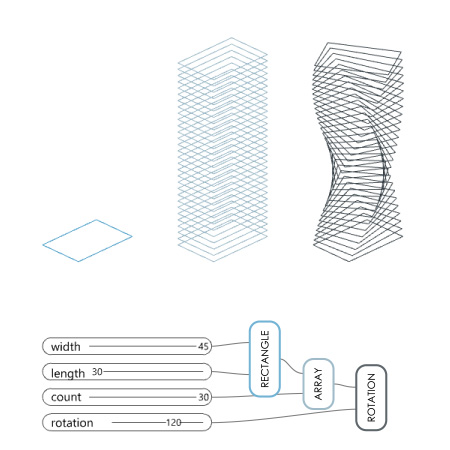
Graovac is an architect and a computational designer based in Belgrade. He started traditionally by completing his degrees at the Faculty of Architecture of the University of Belgrade and worked with conventional parametric and computational designing. Later, he identified the need for modern techniques in architecture and pivoted towards object-oriented programming and custom digital tools. He began exploring the relationships between different elements applying rules for spacing, curvature and structural rhythm helping him to uniformly tweak his designs to build new architectural forms.
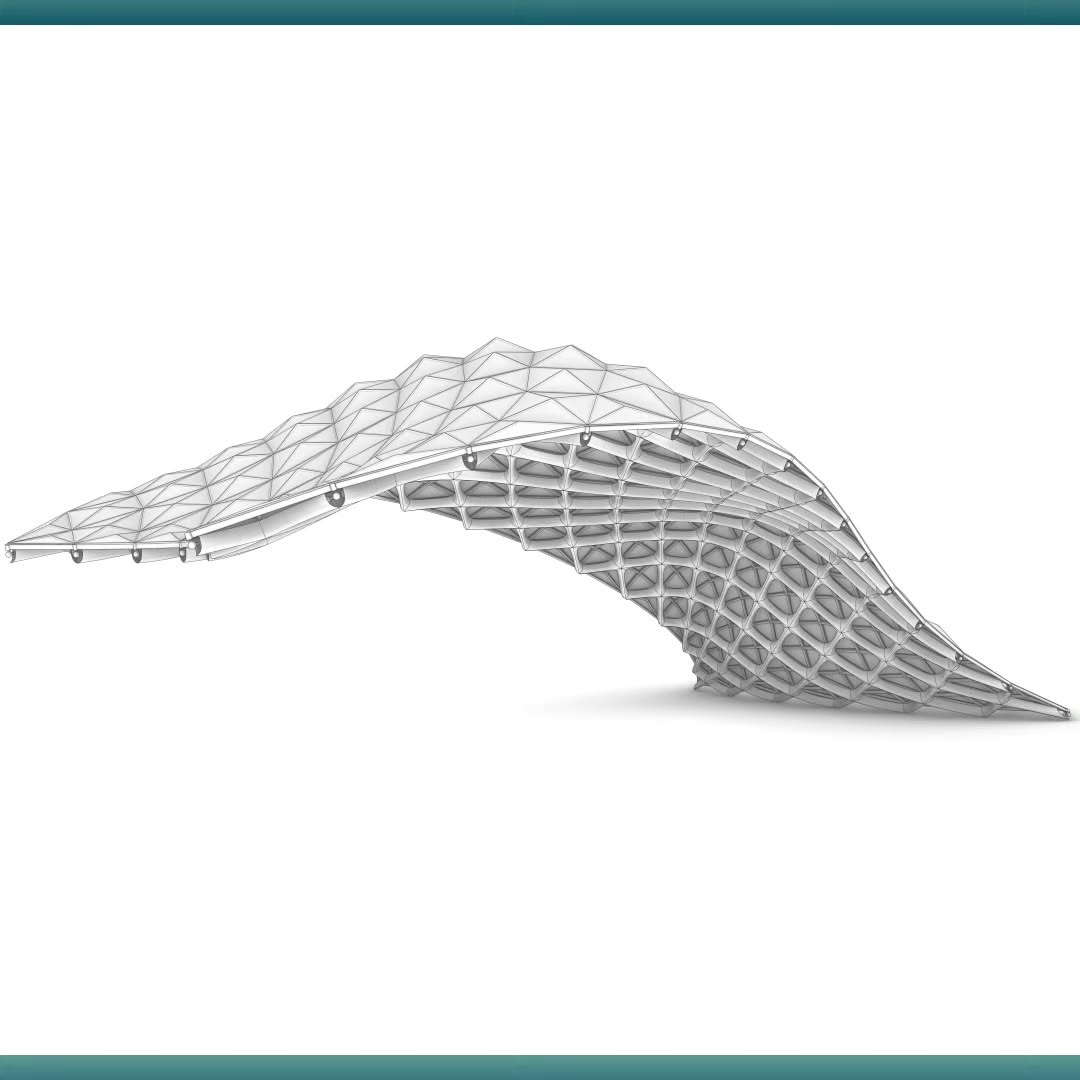
One of Graovac’s early academic projects involved designing a lightweight roof in Grasshopper 3D, but his idea was not just to create a roof. Instead, he aimed to create a system capable of generating free-form geometry from computational data. This system can generate multiple architectural variations while maintaining structural consistency. He explored how geometry responds to changing conditions while core design principles remain intact, showing that parametric tools are extremely useful for decision-making during architectural planning.
Using Computational Fluid Dynamics to Generate Architectural Forms
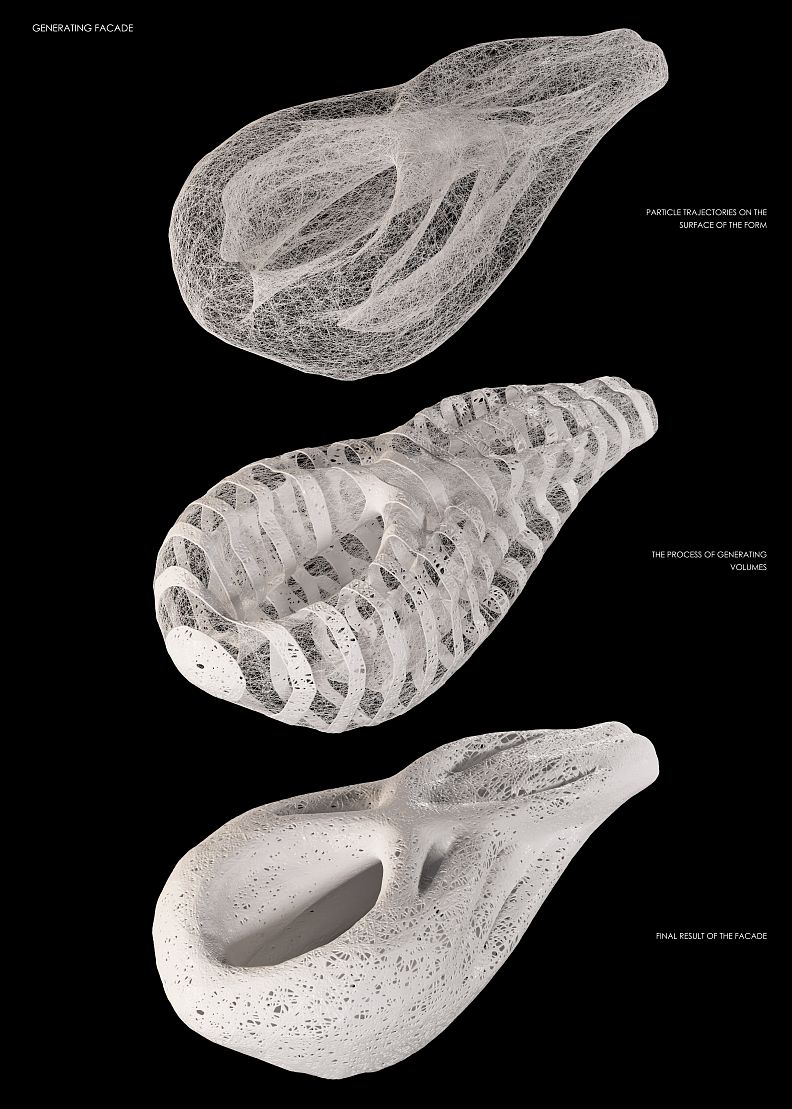
One of the most revolutionary findings of Graovac was in his research project, Computational Fluid Dynamics in the Process of Generating Architectural Forms. Instead of using aerodynamics to evaluate a design after completion, he reversed the process and allowed aerodynamic behaviour to shape the architecture from the beginning. By using CFD simulations integrated with Grasshopper, Ognjen simulated a particle-based system in which airflow and gravity guided particle movement. Based on this behavior, the algorithm then generated architectural volumes and corresponding surface systems.
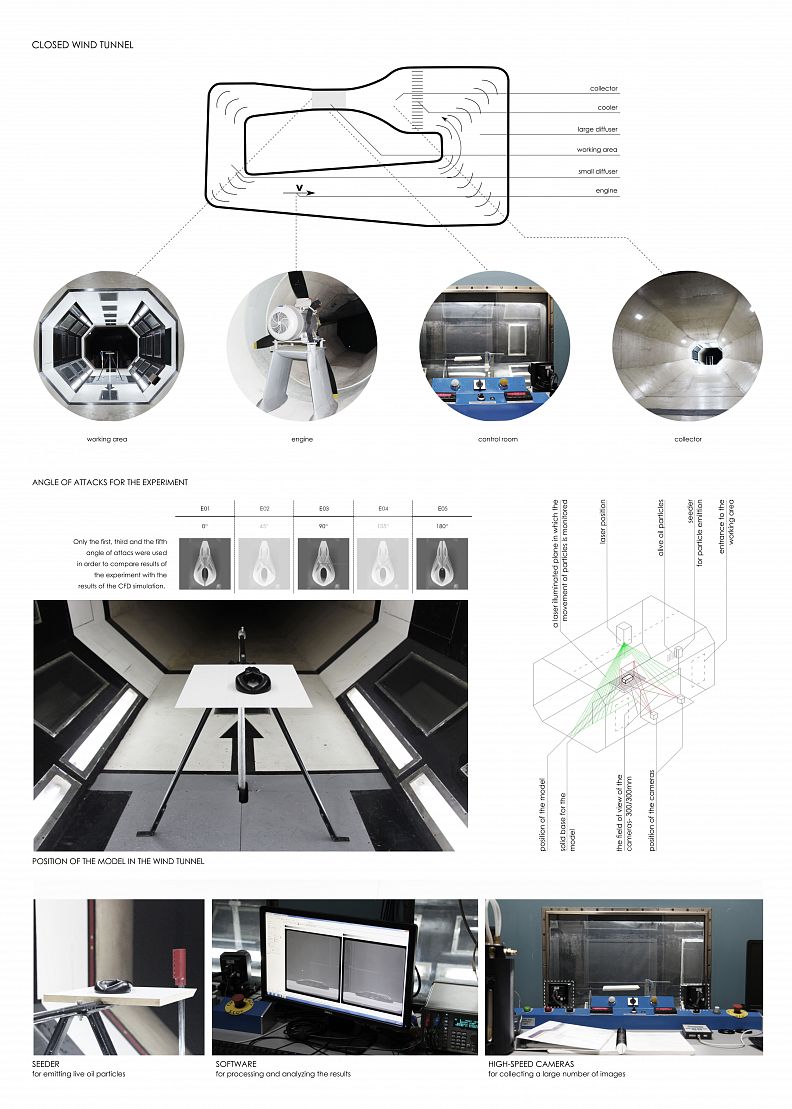
This computational setup applies the same design logic across different parameters. Researchers tested the generated results through digital simulations and physical wind tunnel experiments and confirmed the aerodynamic behavior of the architectural space. The method was later applied to the design of the floating National Museum on the Danube, where particle movement defined the building's form and linear spatial sequence, confirming that the practical application of performance data can directly inform architectural design.
Algorithmic Architecture Studio
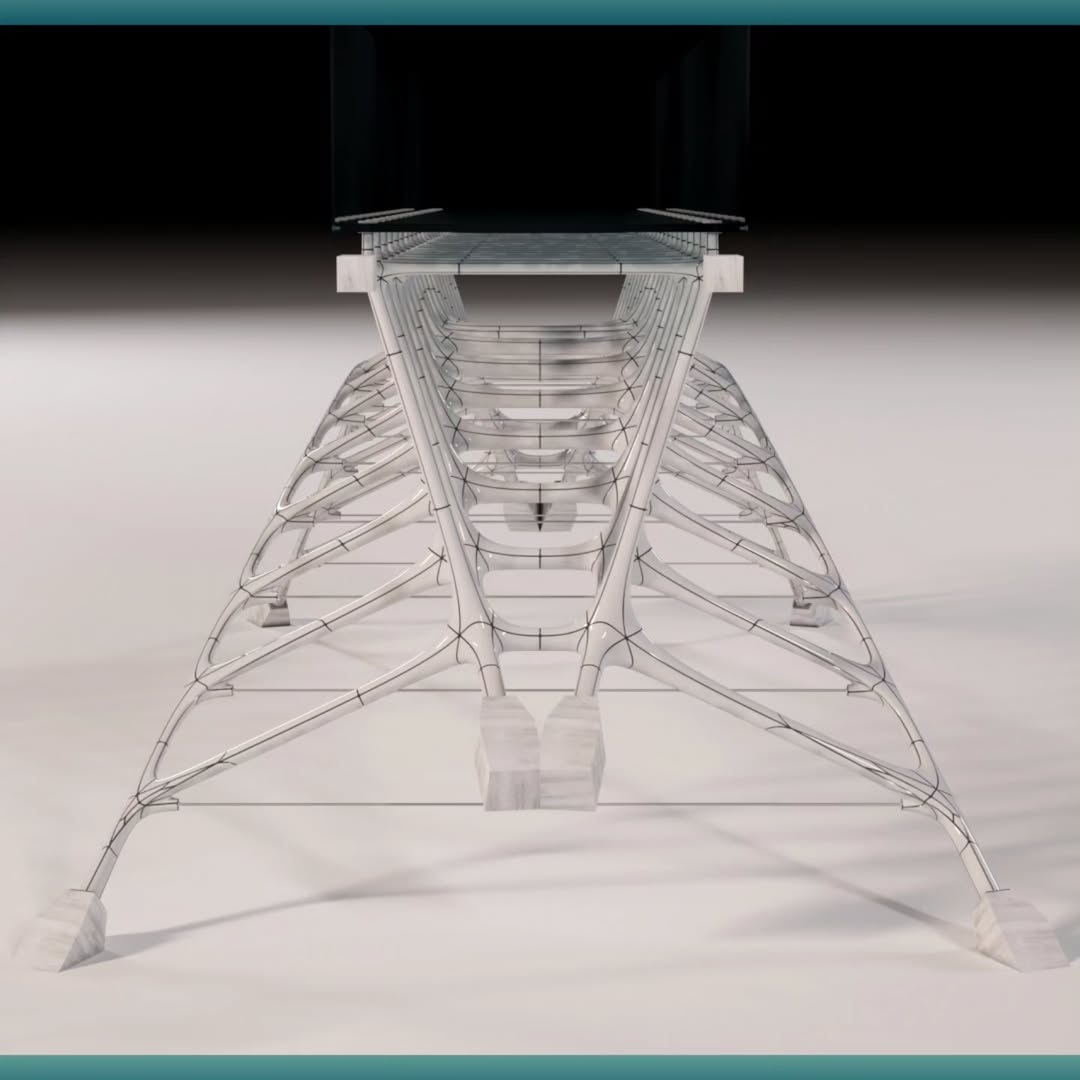
In 2019, following his extensive academic research, Graovac founded Algorithmic Architecture studio focusing on automating processes within the architecture, engineering and construction industry. It aims at tackling architectural challenges such as complex geometry modelling, generating drawings and managing repetitive tasks. By combining visual programming in Grasshopper with object-based programming in C# and Python, his studio generates architectural drawings directly from design logic and parameters.
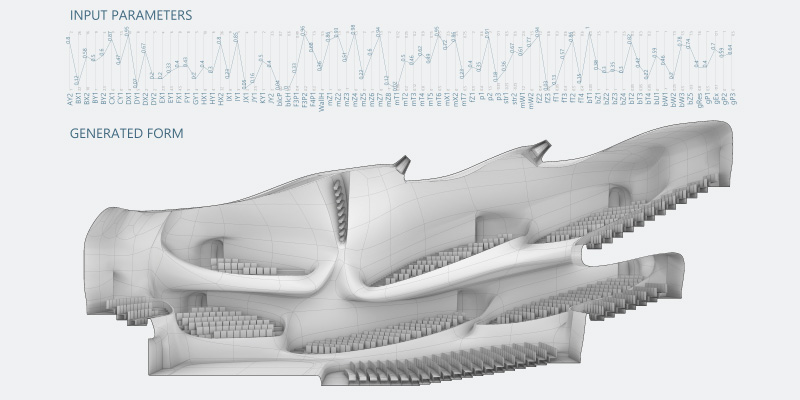
Well, this method improves the accuracy and consistency within the architectural design. A fully parametric concert hall serves as a prime example because designers created no manual drawings during the drafting phase. An array of predefined parameters generates the entire project and maintains a consistent architectural blueprint while testing spatial, acoustic and structural conditions across variations.
Using Computational Methods in Large-Scale Projects
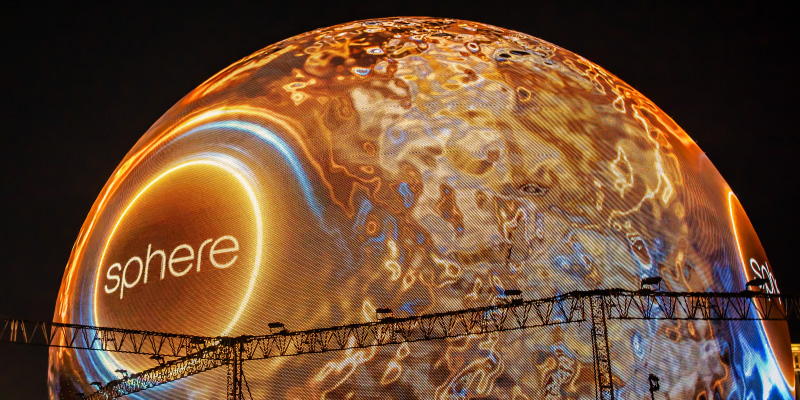
Computational design has become essential for large-scale international projects that demand high levels of accuracy. One such prime example is the MSG Sphere in Las Vegas designed by Populous, where Graovac’s work focused on automation and high-resolution geometric generation to support the design of the massive spherical structure. This even incorporates an immersive LED surface across its interior and exterior while demonstrating how computational workflows make complex architectural ambitions achievable.
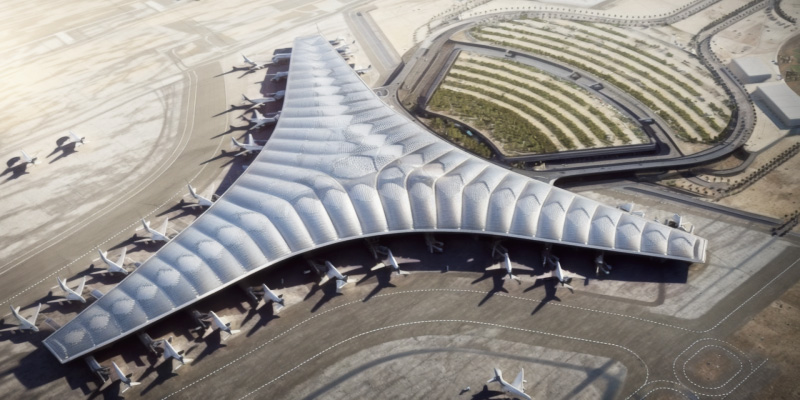
Another example of the utility of this method is evident in the Kuwait International Airport designed by Foster + Partners. Here, Graovac used computational design to manage extensive datasets and complex geometry ensuring architectural consistency while precisely coordinating smaller components within the larger system.
Creating Open-Source Tools for Structural Design
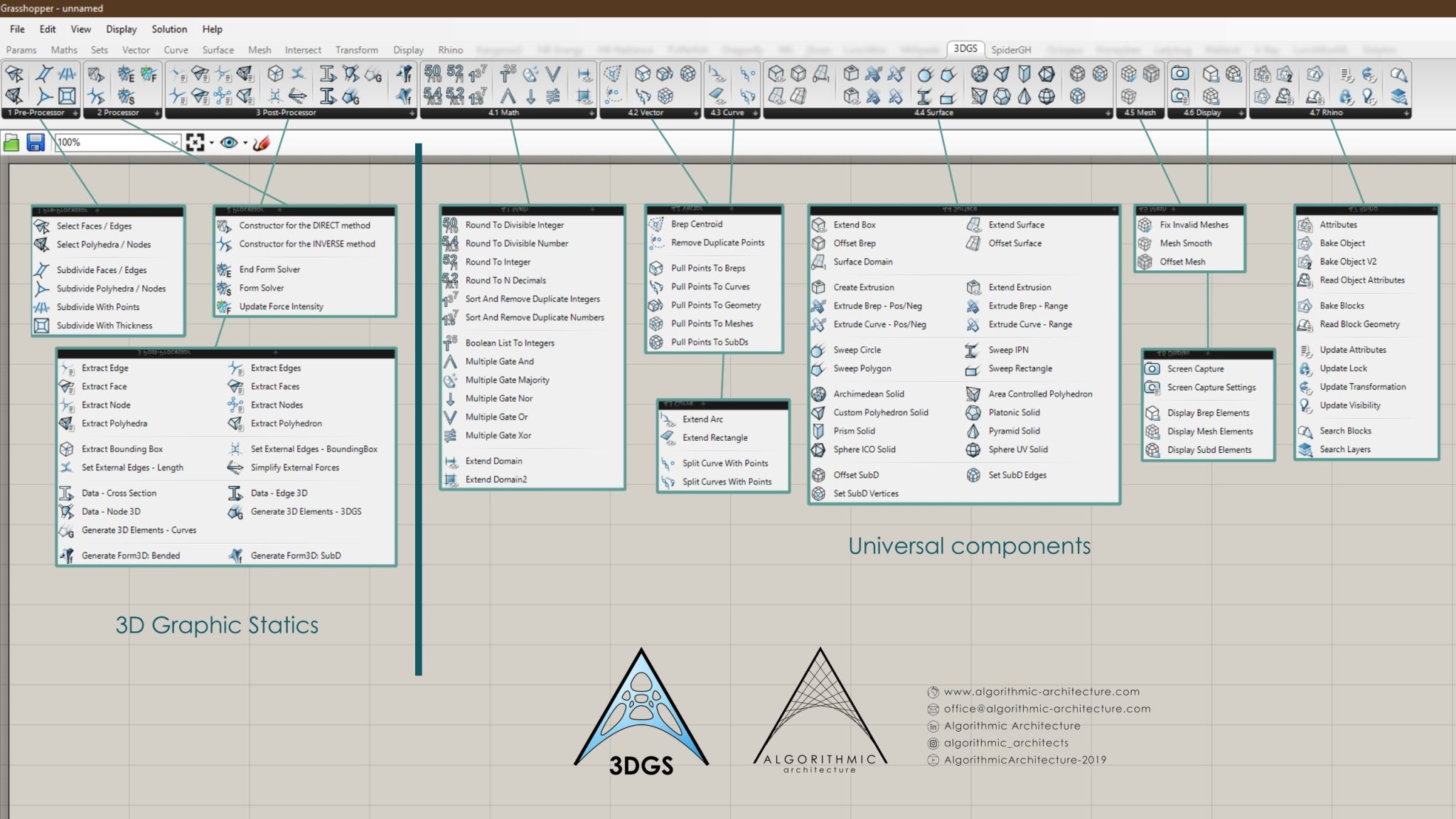
In addition to his architectural practice, Graovac creates open-source Grasshopper plugins that integrate structural behavior into the early stages of design. His 3D Graphic Statics plugin helps designers to visualize how forces and form affect each other in real time, allowing structural logic to guide architectural decisions from the outset.
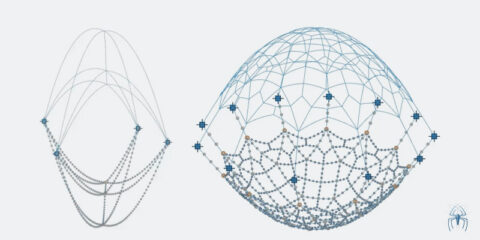
His other plugin, Spider, draws inspiration from Antoni Gaudí’s physical experiments. It enables designers to simulate hanging chains and inverted arches digitally, helping them understand how loads move through a structure and how efficient forms can emerge from structural principles.
Using Site Data and Performance Analysis in Urban Design Projects
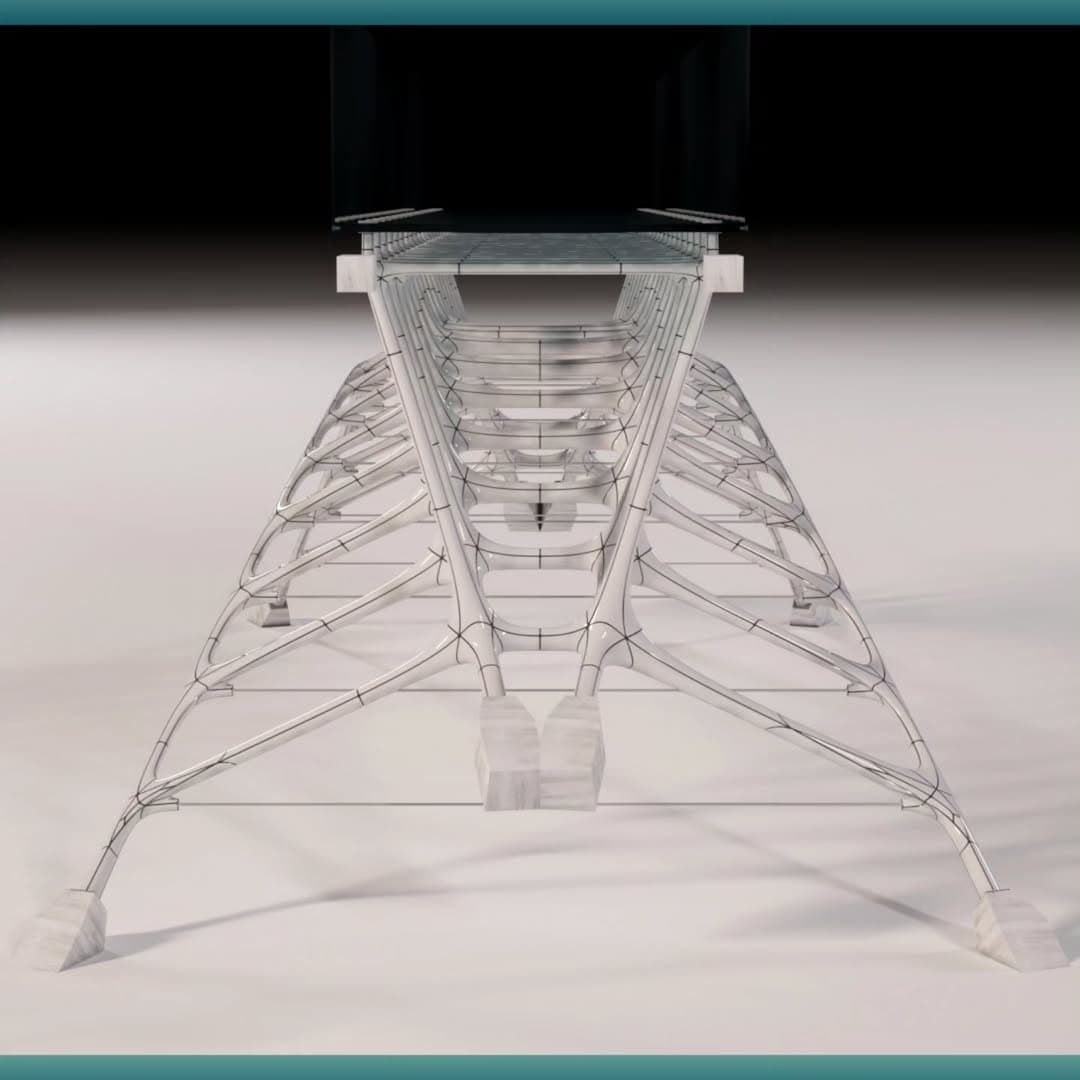
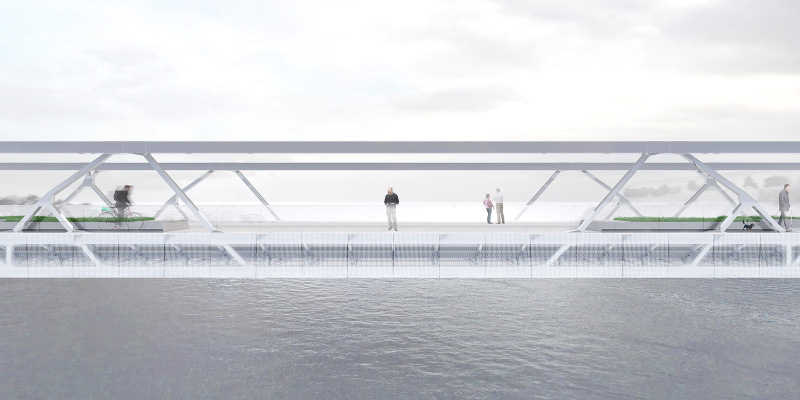
Graovac’s work also extends to urban-scale projects, where performance and context play a central role. In his first-prize proposal for the Novi Sad Bridge over the Danube, he addressed the challenge of rebuilding a bridge destroyed during World War II without recreating its original image. Instead, he used structural optimization to design a new bridge that follows the same underlying logic as the historic structure while meeting contemporary requirements.
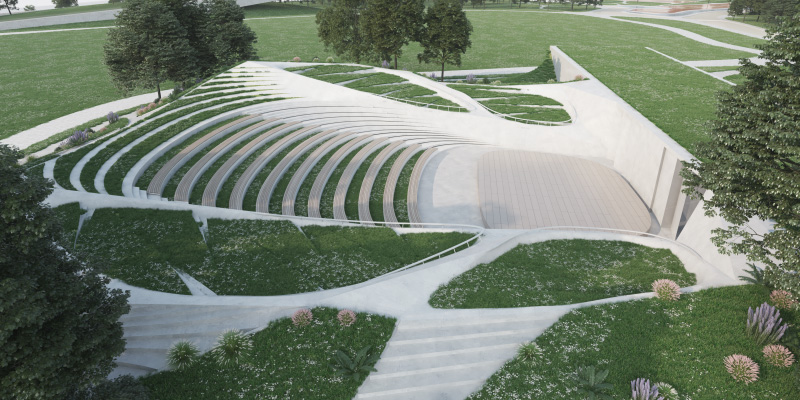
A similar approach guided his Parametric Park proposal in Banja Luka. Instead of designing a fixed layout, Ognjen analyzed site data such as sun exposure, noise, rainwater flow, vegetation, and visibility. These factors informed where activities could function effectively, allowing multiple spatial outcomes to emerge from the same site.
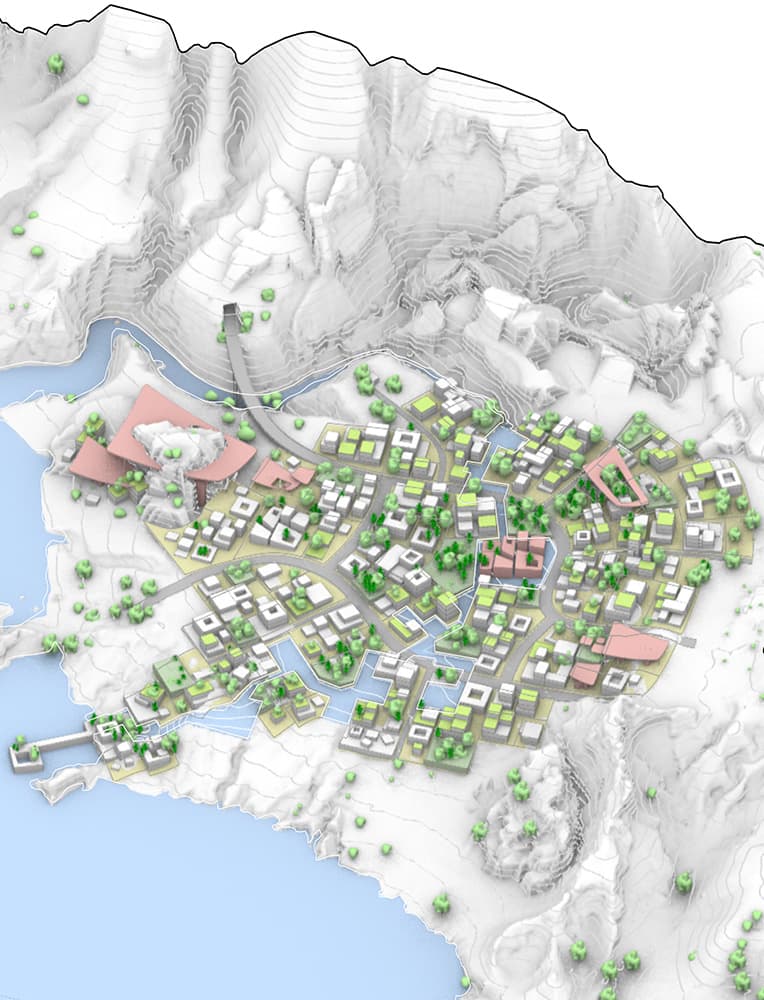
To share this approach of working, Ognjen Graovac led a PAACADEMY workshop titled Algorithmic Urban Design in Grasshopper. The workshop explored how designers can create cities using site data such as sunlight exposure, terrain slope, vegetation density, and visibility instead of starting with a fixed master plan. So, if this approach to how landscape data and digital tools can shape urban design decisions from the early stages sparks your curiosity, recordings of the workshop sessions are available.
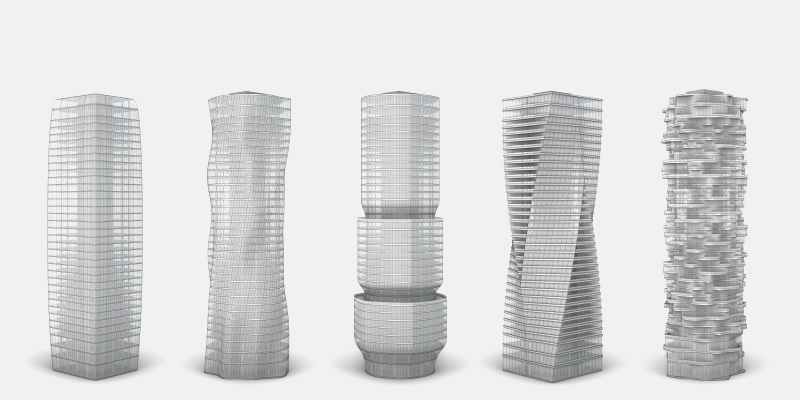
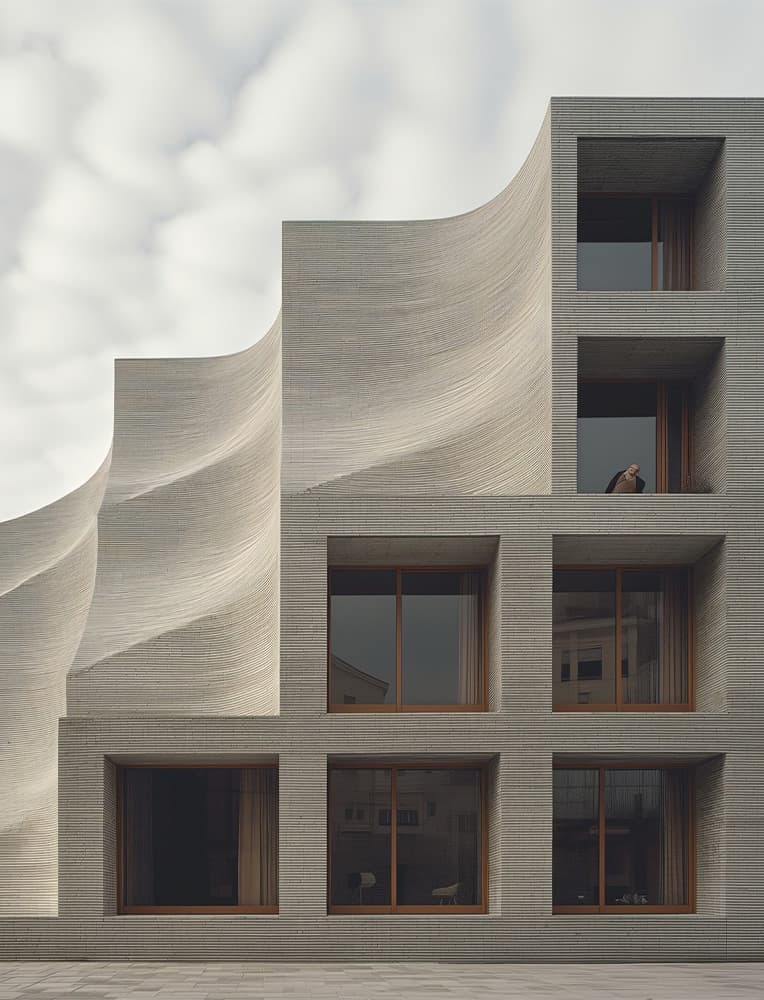
Graovac’s work reflects a broader shift in architecture away from manual modeling toward rule-based design, where designers and computational systems work together. When conventional tools fall short, he develops custom workflows for parametric facades, high-rises, and automated fabrication, enabling controlled and informed design exploration.


.jpg&w=3840&q=75)

.webp&w=3840&q=75)



_47afe8.webp&w=3840&q=75)
