.webp&w=3840&q=75)
Article
Architectural language embodies the definitive vocabulary of the built environment, translating abstract architectural drawings into an executable physical reality. Its significance transcends mere illustration, encompassing legal, commercial, and technical details that guide a project from conceptual design to construction drawings.
Foundation of Architectural Communication and Documentation
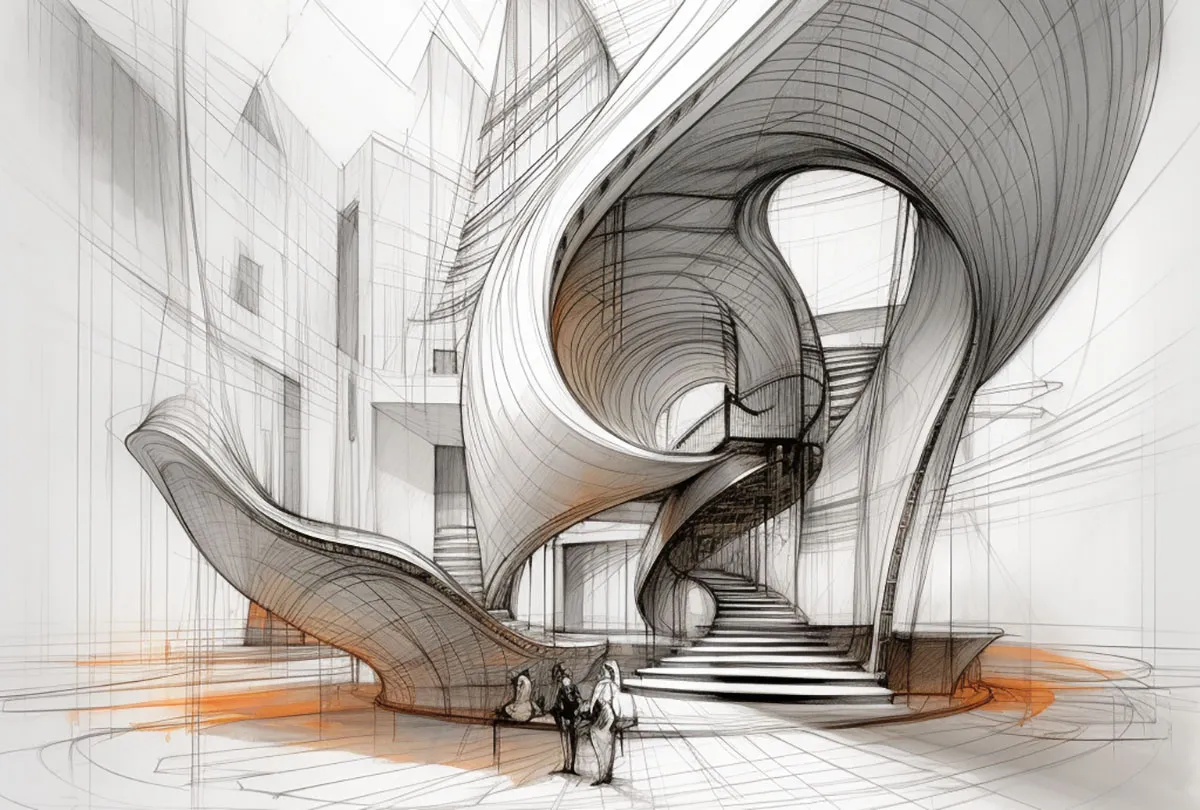
The design of the project begins in the architect’s mind, transforming their vision into a clear and detailed set of plans that strategically outline the diverse aspects of the project. Architectural drawings function as essential tools of architectural communication, serving a diverse group of stakeholders, including clients, investors and regulatory bodies. In modern construction, drawings are operational tools for obtaining building permits, ensuring compliance with regional building codes and meeting safety and sustainability standards.
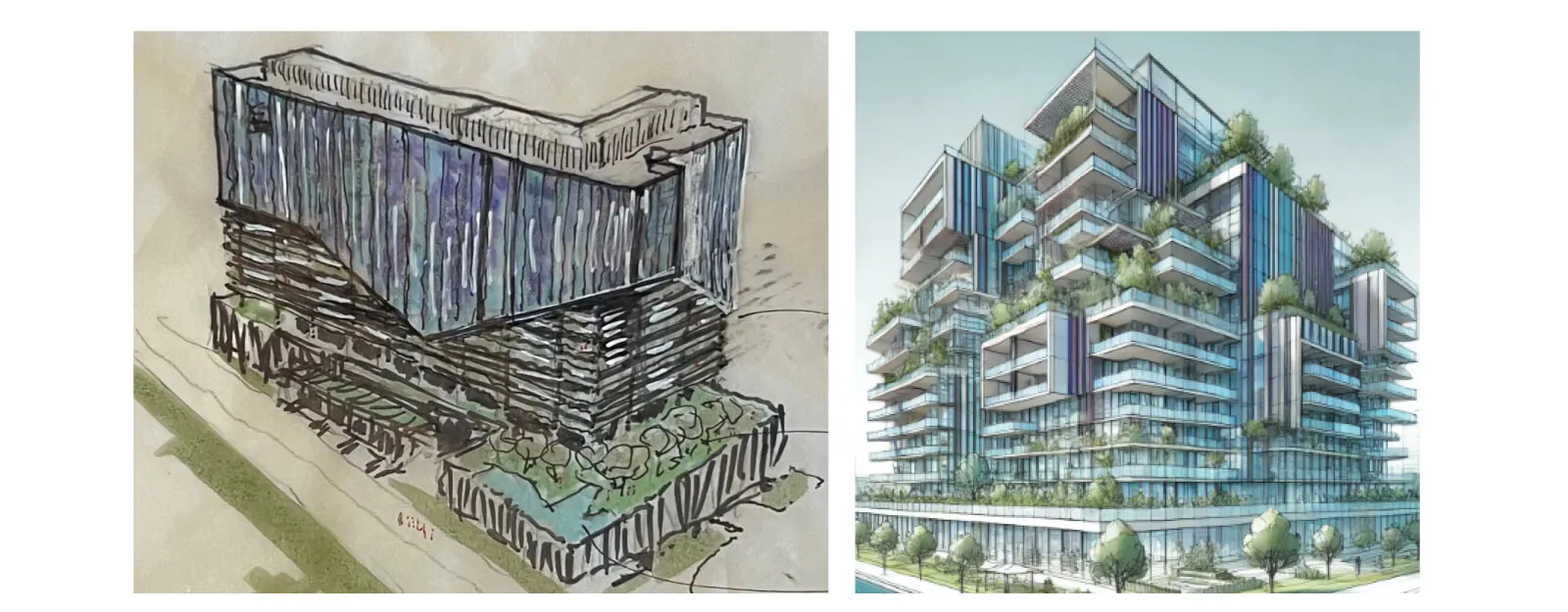
The design industry follows a standard phased workflow, comprising Pre-Design, Schematic Design (SD), Design Development (DD), Contract Documents (CDs), Bidding, Contract Administration, and Post-Occupancy. This strategic approach refines the design at each stage, incorporating technical details and resolving structural complexity.
Conceptual Drawings: Core Characteristics
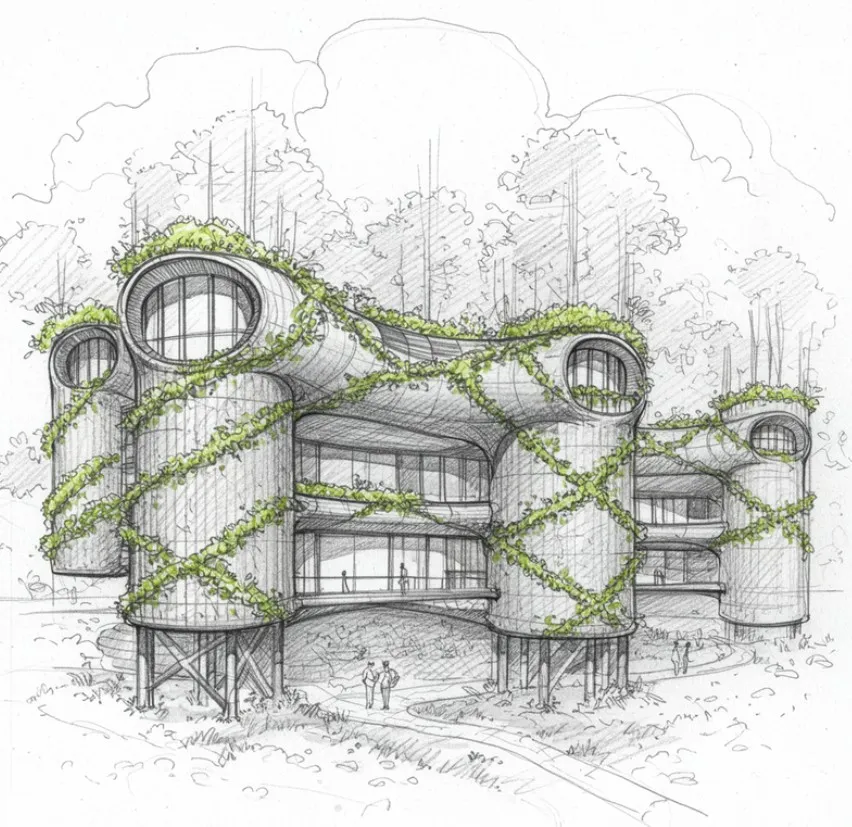
Conceptual drawings are the starting point of the architectural process, defining the philosophical and aesthetic parameters of the proposed structure. They are used to communicate the essence of the design, emphasizing the designer’s vision and conceptual framework.
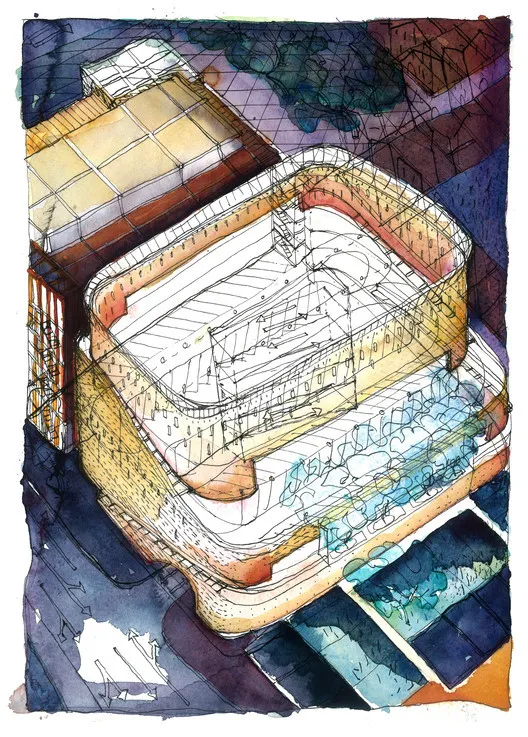
The early design sketches are either freehand or digitally crafted, not detailed accurately, but they provide the necessary information about material, spatial volume, textures, and surroundings. Conceptual sketches are the foundational drawings upon which the technical drawings, plans and elevations are built.
Traditional Sketching Methods
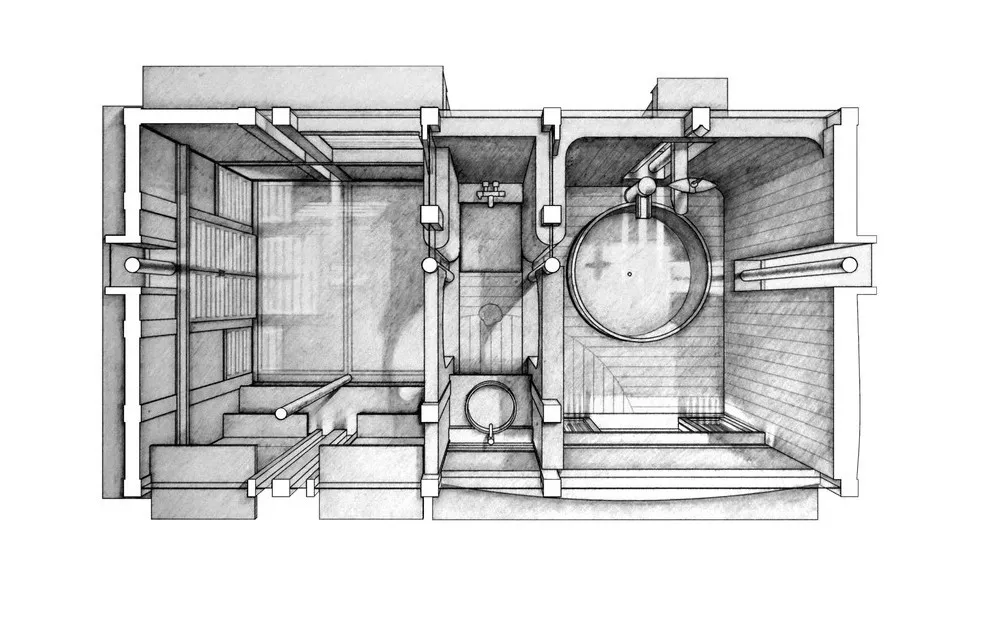
- Thumbnails: Quick sketches with rough shapes, outlines, and lines, often starting with basic box and perspective lines to spatial interaction or composition.
- Line Drawings: A basic form of drawing, primarily based on lines to define form and boundary.
- Rendered Sketching: Techniques that highlight surroundings through multiple overlapping lines to create light and depth, with small dots or spaces between them to imply lighter surfaces.
- Bubble Diagrams: An effective method used to show the spatial relationship between different spaces or activities.
- Block Diagrams: Basic layouts of the building components illustrating the physical interconnections between major building systems or elements.
- Space Planning Diagrams: Interior layouts showing how rooms and areas are organized according to the function and requirements.
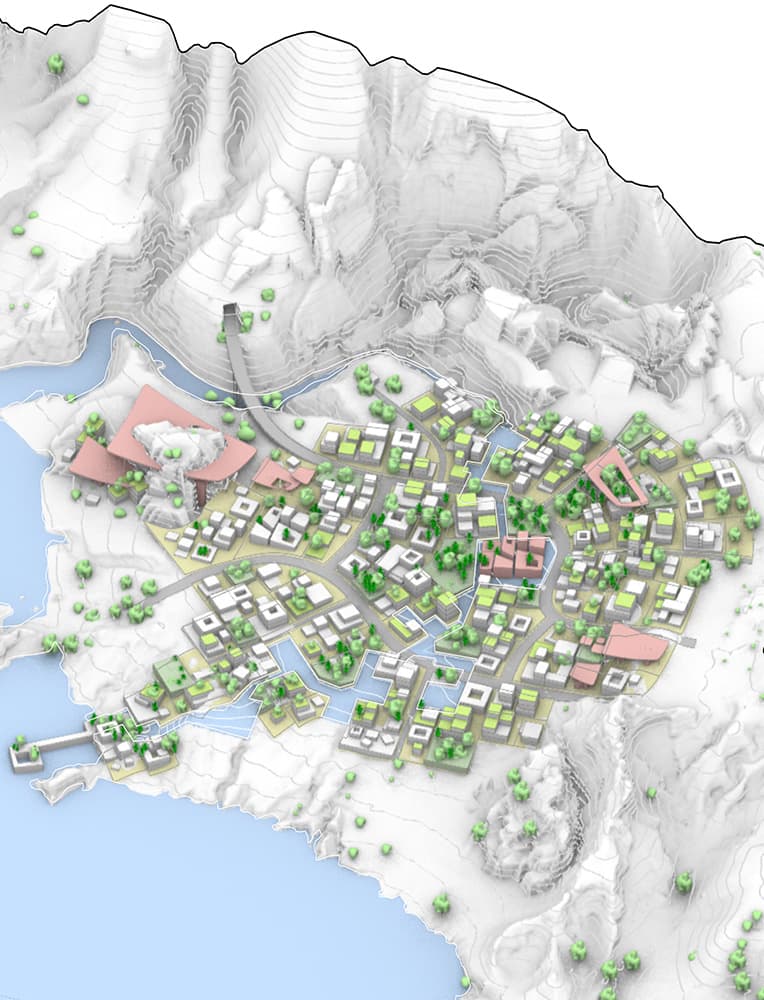
- Topographic Diagrams: Used for site analysis, these illustrate the physical features of a landscape, including elevation changes and landforms, ensuring the building responds appropriately to its context
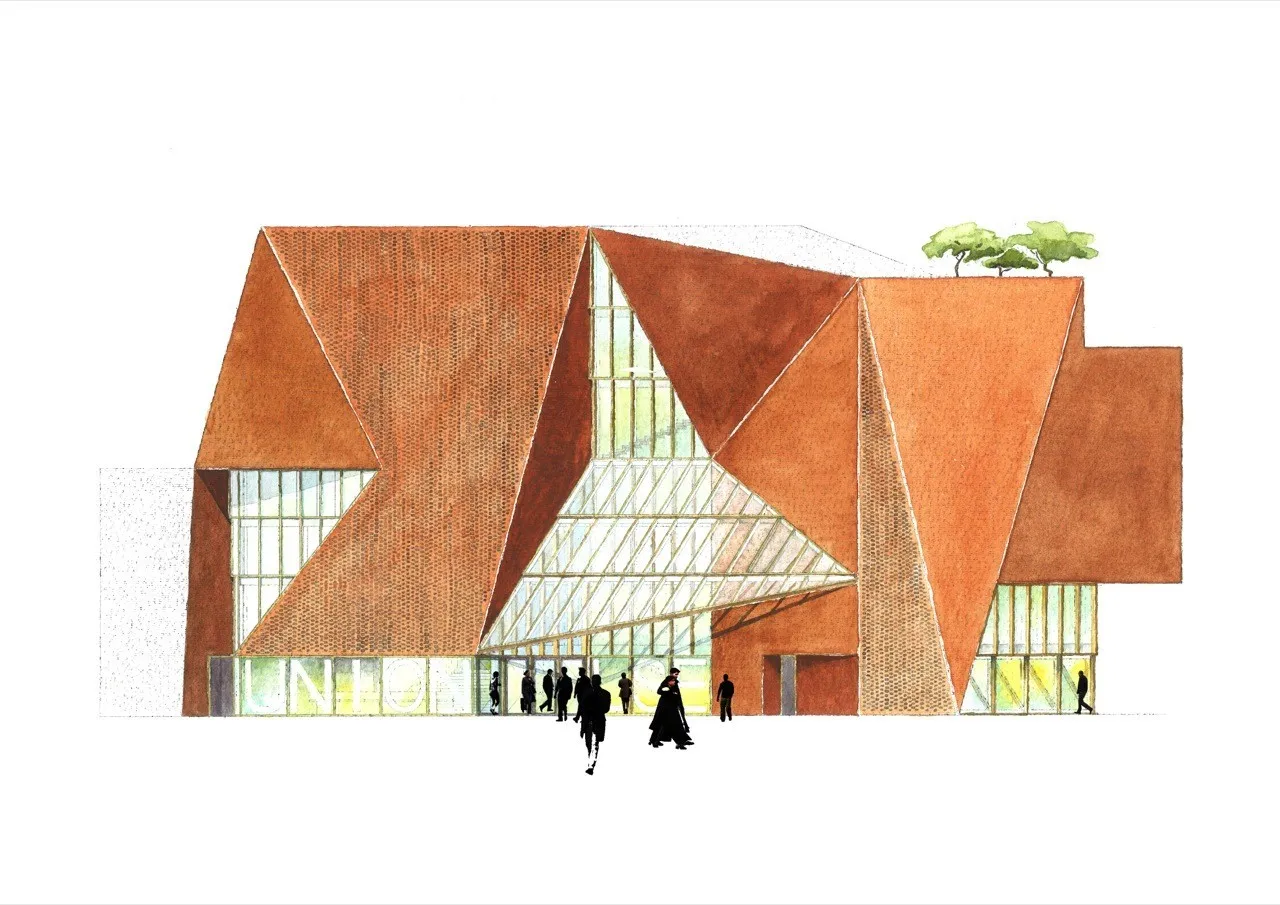
For innovative and complex designs, abstraction in conceptual design acts as a formal research methodology. Architects such as Zaha Hadid utilized abstraction, particularly through painting, as an exploratory framework for conceptualizing the relationship between architecture and the environment, often challenging conventional ground planes and right angles through fragmentation.
Technical Drawings: Precision, Standards, and Constructability
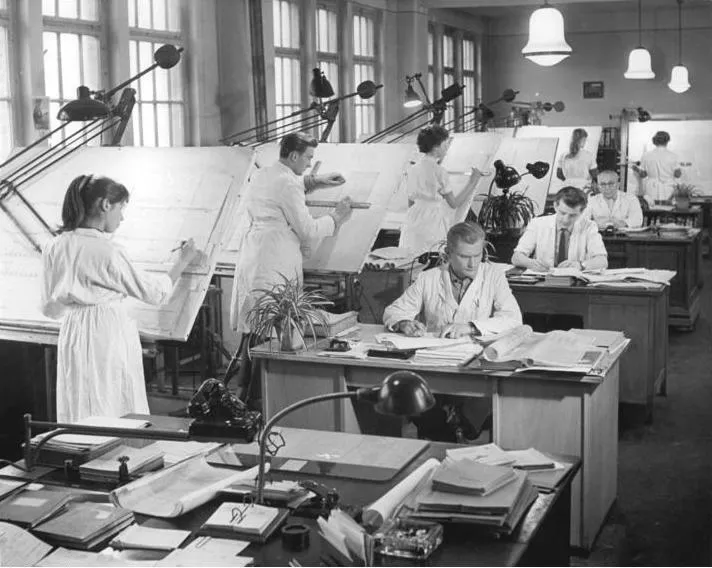
Technical drawings are detailed layouts of the design process, combining the aesthetics of the built form with meticulous insight into functionality and construction. They are drafted carefully with accurate details, precise scaling and exact dimensions, ensuring alignment with the project’s goals.
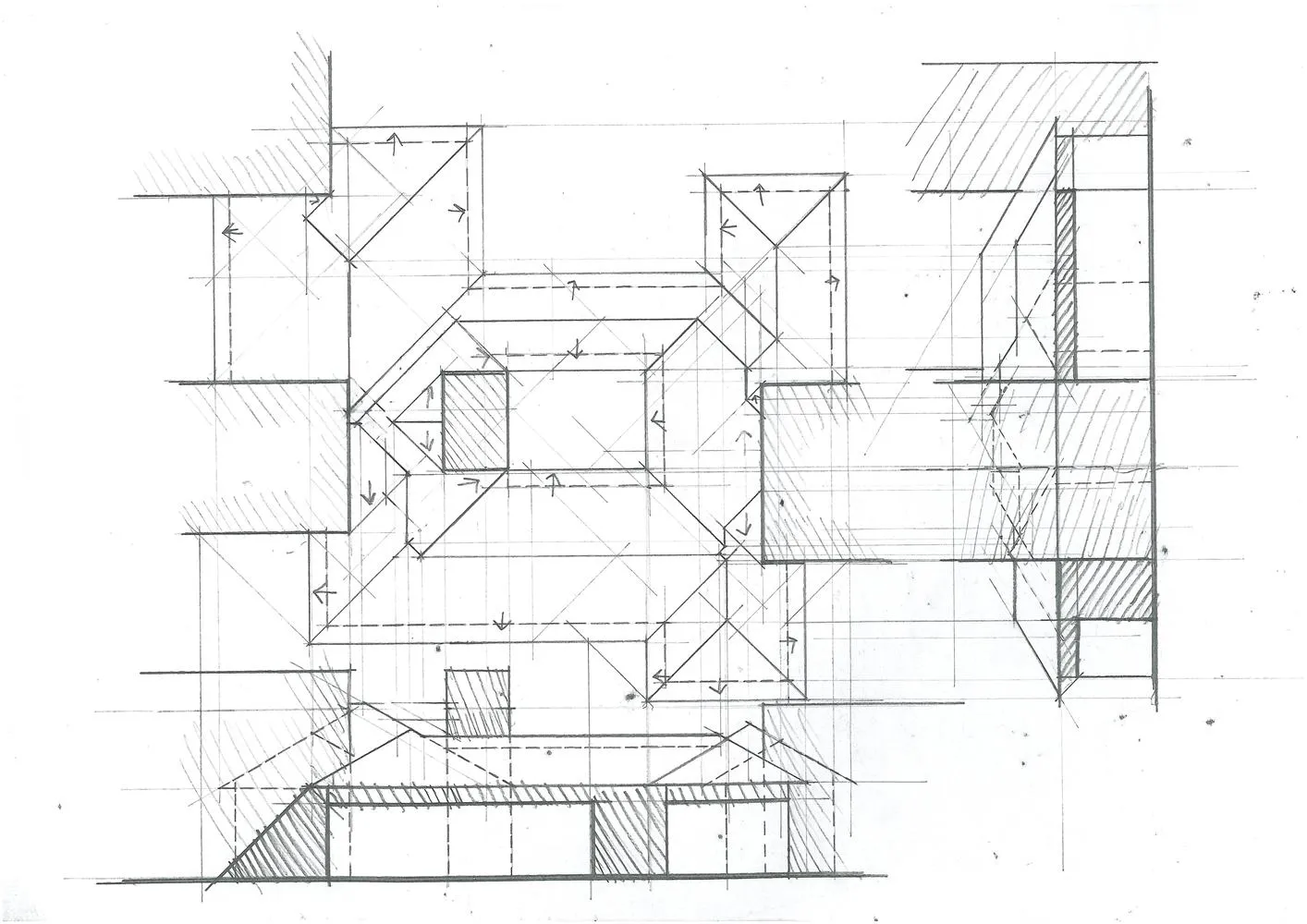
These drawings address the design intent alongside legal requirements, creating comprehensive construction drawings. While conceptual drawings focus on layout, schematic details, and space planning, technical drawings rely on structural integration, form-making, electrical systems, and HVAC coordination to form a practical structure.
Digital Tools and The Future of Architectural Drawing

The modern architectural drawings are widely documented by the use of digital tools, fundamentally altering workflows, precision, and collaboration. The evolution of architectural software from early Computer-Aided Design (CAD) to sophisticated Building Information Modeling (BIM) ecosystems, has drastically increased efficiency and precision. The architecture design software market reflects this growth, with projections estimating it will expand to $6.05 billion by 2025.
- CAD (Computer-Aided Design): CAD software, such as AutoCAD, provides 2D detailed and precise drawings, suitable for beginners and often secondary to BIM in complex modern projects.
- BIM (Building Information Modeling): BIM tools, including Revit and Archicad, merge design, analysis, and documentation into a single comprehensive dataset. It introduces collaboration with stakeholders, the technical agencies, streamlines workflows, produces accurate, high-quality documentation, and supports data-driven design intelligence.
- Visualization Tools: A basic tool for transforming 2D conceptual layout into 3d models or photorealistic images, animations conveying the design essence. It involves detailed modeling based on CAD schematic layouts, applying materials, adjusting lighting, and producing final renderings.
Case Studies in Conceptual to Technical Mastery
1. Renzo Piano: Translating Metaphor into Structural Logic

Known as the “architect for people,” Renzo Piano crafts architecture that belongs to its place, technology, and landscape. His famous napkin sketch for The Shard in London captured the essence of a dynamic site conceptualized as a giant sail or an iceberg. Piano’s mastery translated this holistic conceptual sketch into a vibrant structural facade system, executed in alignment with the visual metaphor. The use of glass reinforced the lightness and transparency found in the initial sketch, ensuring that the original spirit of the design was maintained through careful technical elaboration.

2. Zaha Hadid: Utilizing Abstraction to Demand New Technical Solutions

An Iraqi-British architect, Zaha Hadid, known for her bold and fluid designs, pioneered digital and parametric design methods in architecture. Her work focused on mathematics, art, and advanced engineering, expressed through a sense of motion, earning her the title “Queen of the Curve.”She explored painting as a medium to dissect radical deconstructivist ideas, featuring flowing surfaces, slanted columns and complex geometry. Her vision embraced a technical process while maintaining forms that challenged conventional architectural norms, establishing abstraction as an analytical framework for innovation.

3. Frank Gehry: Conceptual Gesture as Fabrication Catalyst
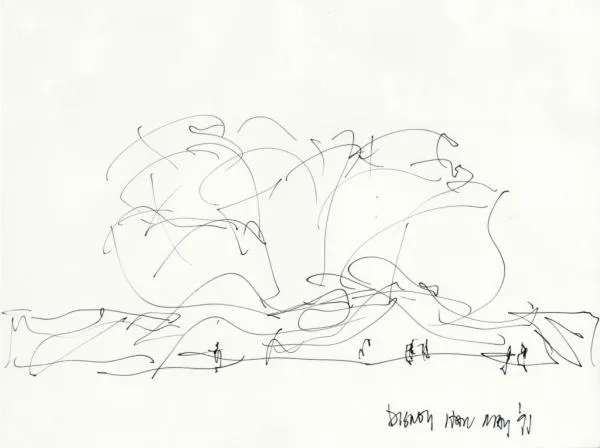
The late Frank Gehry, an icon of deconstructivism, prioritized architectural ideas through drawings, defined by spontaneous lines that conveyed a conceptual sense of emotion and aliveness. These drawings conveyed loose directions and shifting spatial relationships without explicitly describing the architectural mass. His approach introduced technical challenges during the construction and fabrication stages of curved forms, resulting in the development of entirely new manufacturing solutions, including the creation of a specialized furnace designed to produce the required curved and projected glass panels for his buildings.

The Impact of Artificial Intelligence (AI) and Generative Design

A significant paradigm shift has occurred in manufacturing and construction documentation with the introduction of Artificial Intelligence. AI has transformed workflows by expanding possibilities and enabling technical mastery. Today, AI acts as a digital design partner, helping architects to generate sketches and concepts within seconds. AI-driven generative design tools optimize layouts, structures, and materials for performance factors such as sunlight exposure and energy efficiency, while effectively testing multiple variations.

The most significant impact of AI on the technical phase is the automation of routine documentation, minimizing human error, and saving time on coordination. It allows designers to focus on creativity and strategic design thinking while mastering generative, algorithmic, and automated compliance tools.
Bridging the Conceptual-Technical Divide

The challenging part of the architectural process is the transition from conceptual layouts to technical constraints. It requires a systematic methodology for preserving intangible design intent while integrating technical documentation and engineering requirements. The use of digital tools introduces the risk of data loss or model misinterpretation, particularly as modern architectural design increasingly involves generative design and performance-based analysis. Technical mastery is moving from manual drafting execution to the curation of complex data models and the strategic utilization of generative algorithms

.jpg&w=3840&q=75)