Article
Architectural diagrams are becoming essential design outputs in and of themselves, and they are much more than illustrative tools in today's rapidly changing design environment. How well a project is understood and appreciated can be determined by the ability to create diagrams that are clear, thorough, and visually appealing. Shweta, an architect and urban planner with a strong foundation in professional practice, is offering a session with PAACADEMY that is focused on using SketchUp, Photoshop, and After Effects to create architectural diagrams in response to this growing demand.
Shweta has contributed to projects at the architectural and city scales while working for prestigious companies such as Christopher Charles Benninger Architects (CCBA) and HCP Design, Planning and Management. She is currently employed by the Government of Maharashtra as an urban planner. She constantly uses her diagramming process to reduce complexity to understandable graphics, whether it's an urban redevelopment project or a campus layout.
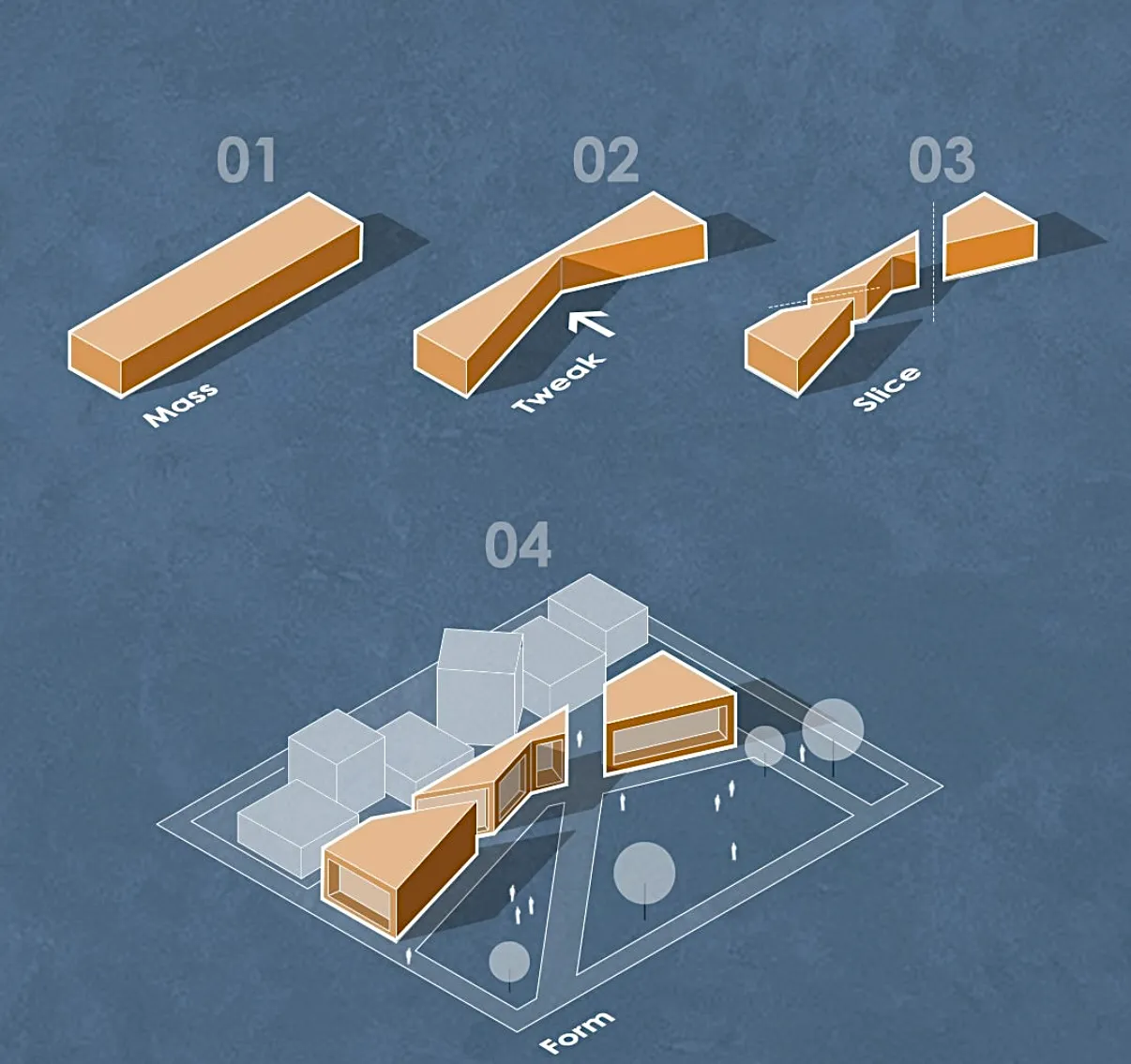
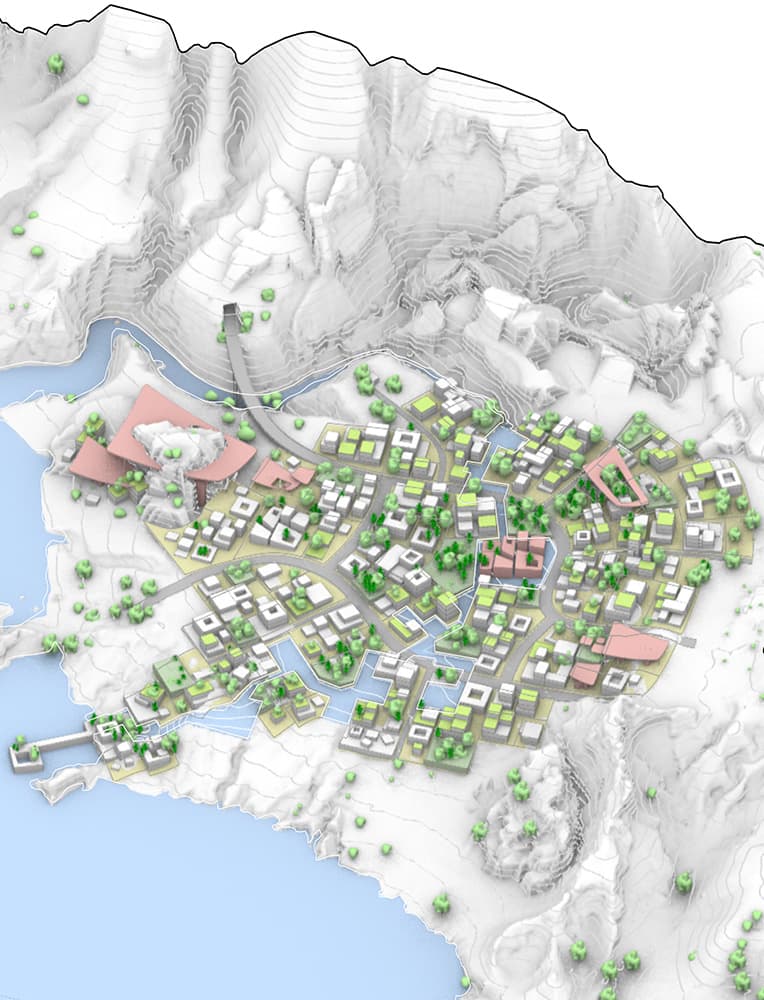
Diagrams aren't considered a last cosmetic stage in her professional work. Rather, they are a part of the process, used to convey zoning concepts, evaluate massing techniques, add programmatic clarity, and show changes over time. A look into this universe can be seen in her works, where animated site designs and axonometric studies combine to create a cohesive visual story.
Architectural Diagrams: From Sketchup to Photoshop to After Effects
Since many students and young professionals find it difficult to achieve this level of clarity in their own work, Shweta Hingane has partnered with PAAcademy to provide a targeted, practical session on architectural diagramming, Architectural Diagrams: From Sketchup to Photoshop to After Effects workshop, from July 12–13, 2025. It will be a guided walkthrough of the same technique she employs in practice, not just a software instruction. SketchUp will be used to model diagrams, Photoshop will be used to enhance them, and After Effects will be used to animate them.
The workshop focuses on the three types of diagrams that Shweta frequently uses: animated site plans, axonometric breakdowns, and isometrics. The course remains grounded in architectural requirements, layer clarity, spatial logic, and diagrammatic communication, instead of teaching general rendering subjects.
Learning Shweta Hingane’s Workflow
She starts her workflow by using SketchUp to create clean 3D models of buildings, landscape elements, and site surroundings. Shweta exports many visual layers, including linework, shadows, and textures, and arranges views using scenes and tags. She may mix and match graphic elements in post-processing thanks to these several processes. This is how she frequently creates orthographic views, volumetric representations, and exploded axons.
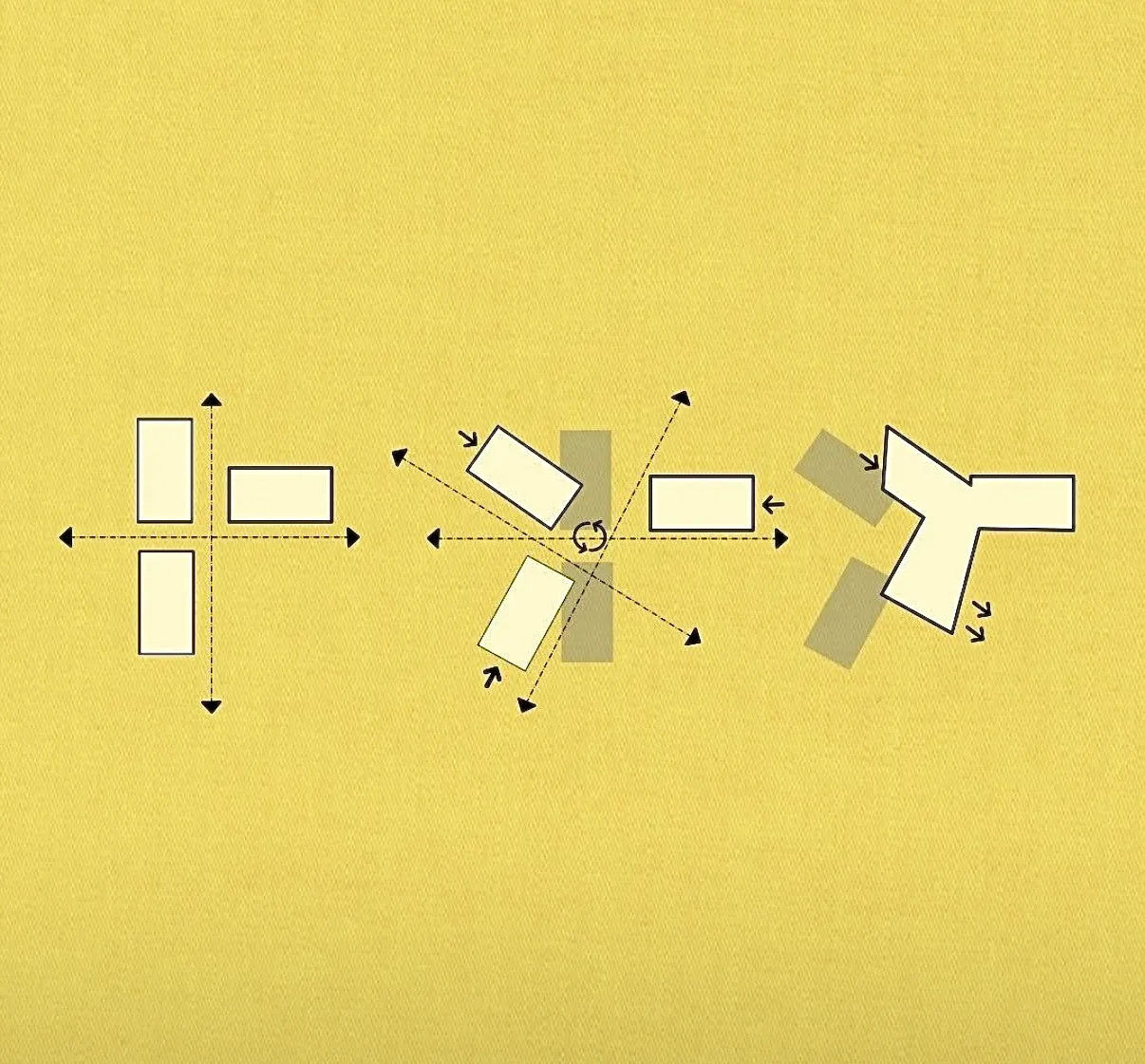
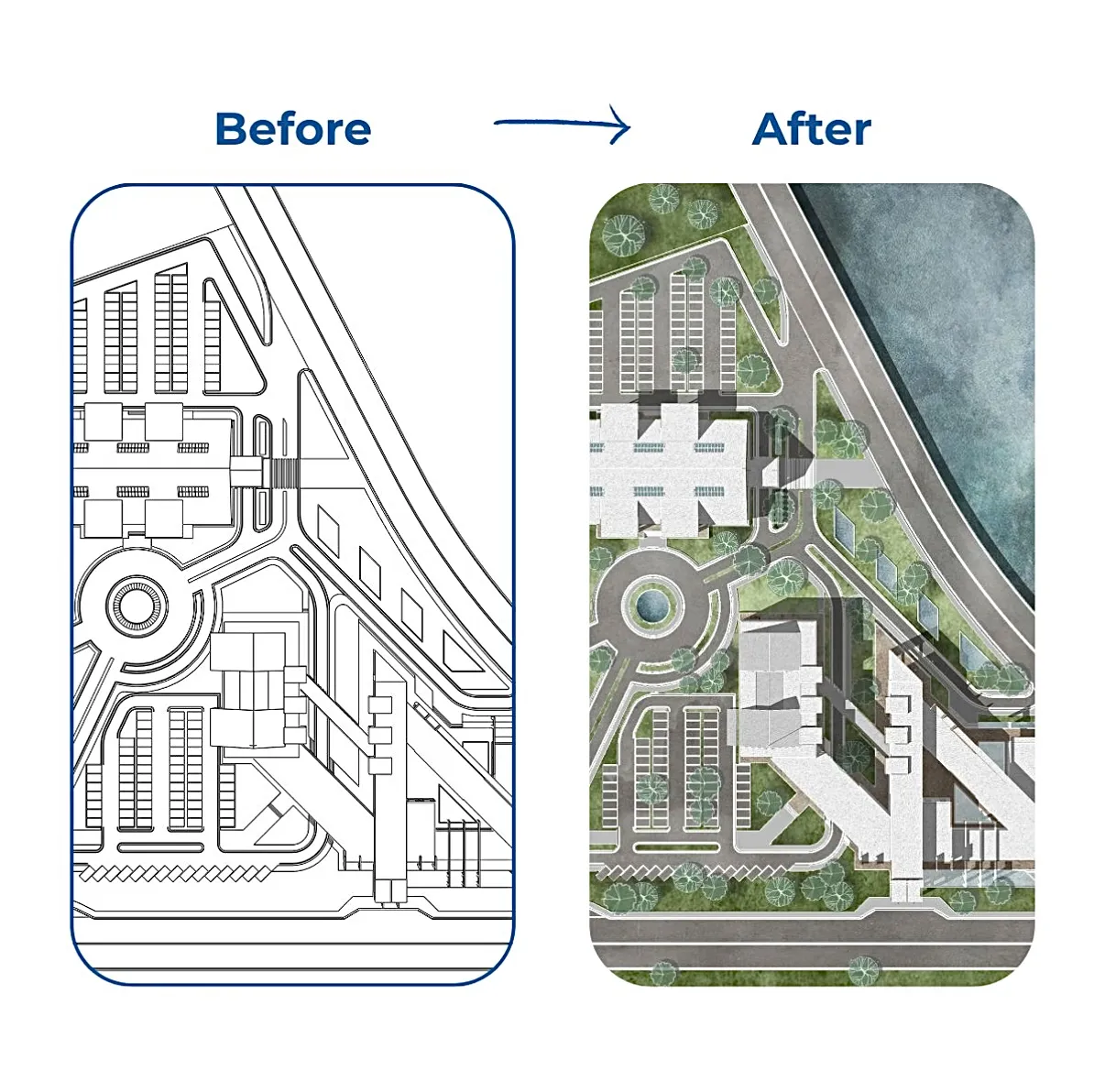
The model exports are then layered, improved, and prepared for presentations in Photoshop. Here, she includes road overlays, vegetation, people, and textures as contextual components. More significantly, she incorporates circulation logic, programming data, and zoning here. She turns a simple model into an accurate architectural diagram by using masks, brushes, and a consistent visual hierarchy.
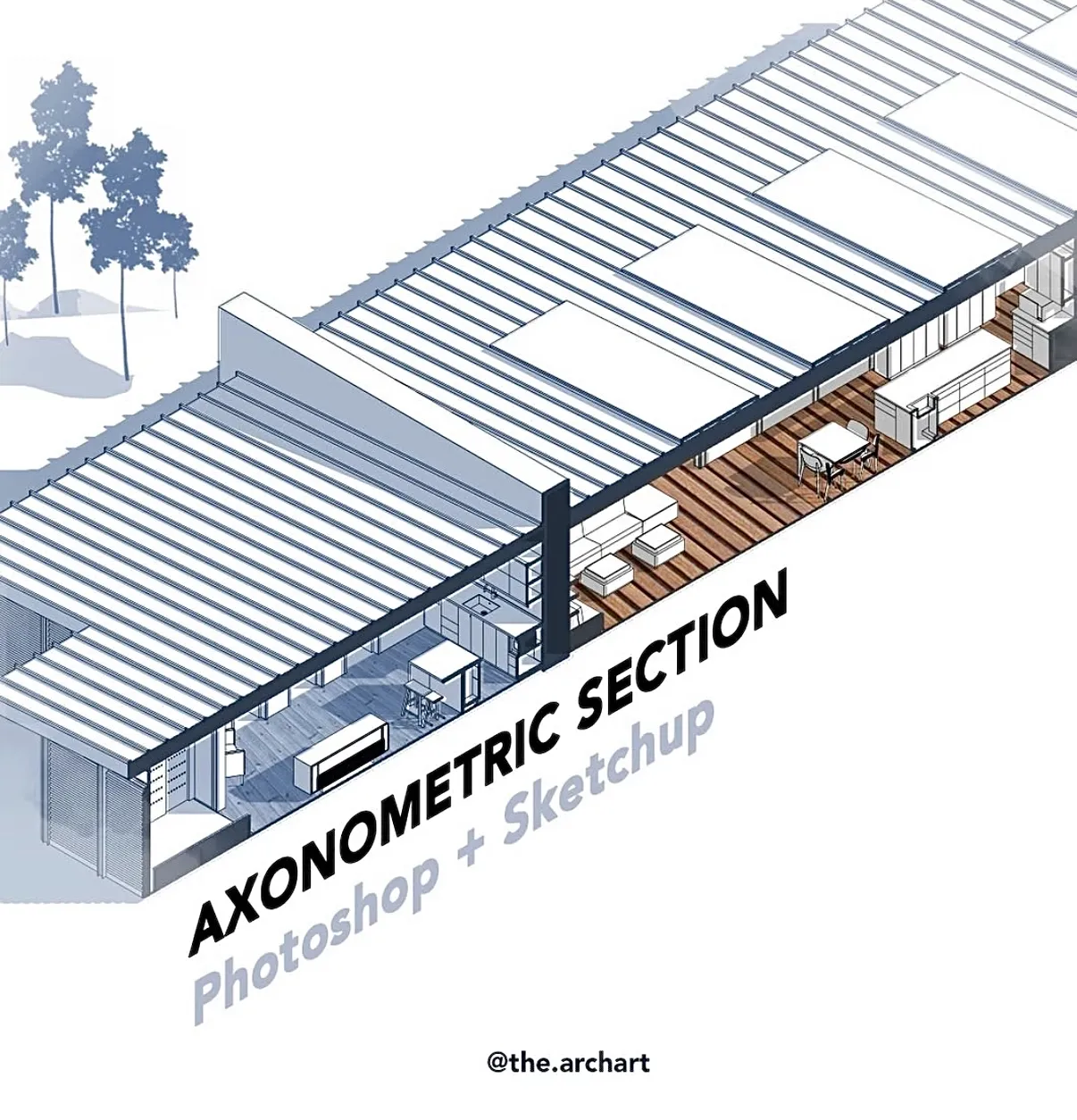
After Effects is essential to animation output, site designs are frequently animated by Shweta to demonstrate movement, phasing, or sequencing. She produces brief, dynamic films with moving objects, labels, and procedures by importing layered Photoshop files into After Effects. These animations are now a defining feature of her work, appearing in policy presentations, studio reviews, and contests.
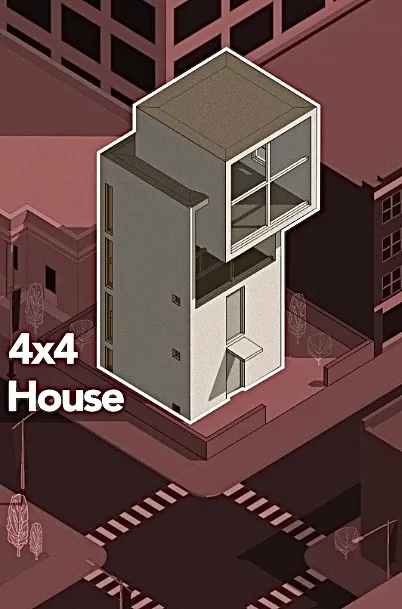
Shweta's accuracy is what makes her unique. Her diagrams are all clear, purposeful, and designed with architectural communication in mind. Her comments never overshadow the drawing, her color palettes are limited, and her lineweights are calibrated. The program aims to impart this attention to diagrammatic detail, providing learners with a framework for creating visually and technically sound content in addition to tools.
Shweta has noticed a persistent disconnect over the years between having excellent design thought and being able to graphically convey it. One diagram at a time, she is attempting to close that gap with this workshop. This is a unique chance to discover the precise method that a practitioner combines practice and accuracy, whether you're a student looking to improve your portfolio or a young architect attempting to make your presentations clearer.
Join Shweta's forthcoming PAACADEMY session to begin creating diagrams the way pros do: from base model to refined graphic to dynamic animation.

.jpg&w=3840&q=75)