Get ready for an immersive, studio-style workshop where theory immediately becomes practice. Bring your own architectural reference to deconstruct or work with curated studio precedents as you explore a hands-on, real-world design workflow with industry expertise.
By the end of the course, you will master a reliable, rule-based pipeline to turn spatial ideas into editable 3D geometry. Across two hands-on sessions, you will learn how to:
- Deconstruct Geometric Rules: Read architectural precedents as parametric systems, isolating fixed constants, variations, and constraints before writing any text.
- Author Clean Pseudo-Code: Structure your design logic into plain language, defining parameters, value ranges, and design rules.
- Drive Live Rhino Geometry: Direct ChatGPT-6 Astra to build working scripts inside Rhino 8 and control your models dynamically using live slider interfaces.
- Iterate and Debug Through Dialogue: Diagnose misbehaving geometry and refine your parametric output through targeted conversation rather than starting over.
- Produce Cinematic Motion: Export viewport captures into Runway to generate styled renders and fluid animated video sequences.
AI models will continue to evolve, but the logic behind computational design remains transferable. This workshop teaches you how to read geometry, structure design intent, and direct AI to build reliable parametric workflows. While ChatGPT-6 Astra is used throughout the workshop, the methodology can be adapted to future generations of AI models.
Program
Day 1: Logic Extraction, Pseudo-Code & Live Scripting:
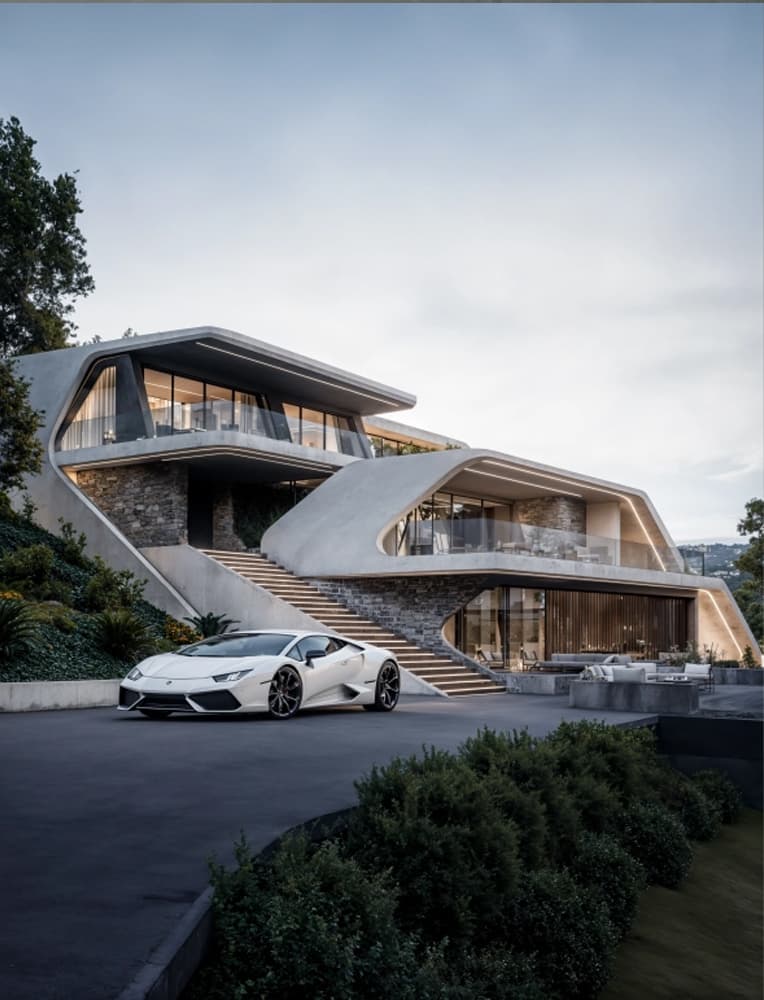
Begin with an architectural precedent and uncover what makes its geometry work. Through image analysis and discussion with ChatGPT-6 Astra, turn visual patterns into a clear set of rules, relationships, and parameters. These ideas then become pseudo-code and, ultimately, a live parametric system inside Rhino 8. The rest of the day is about making that system respond: pushing sliders, exploring unexpected variations, and using conversation to troubleshoot and reshape the geometry as it develops.
Day 2: Advanced Precedents, AI Renders & Motion:
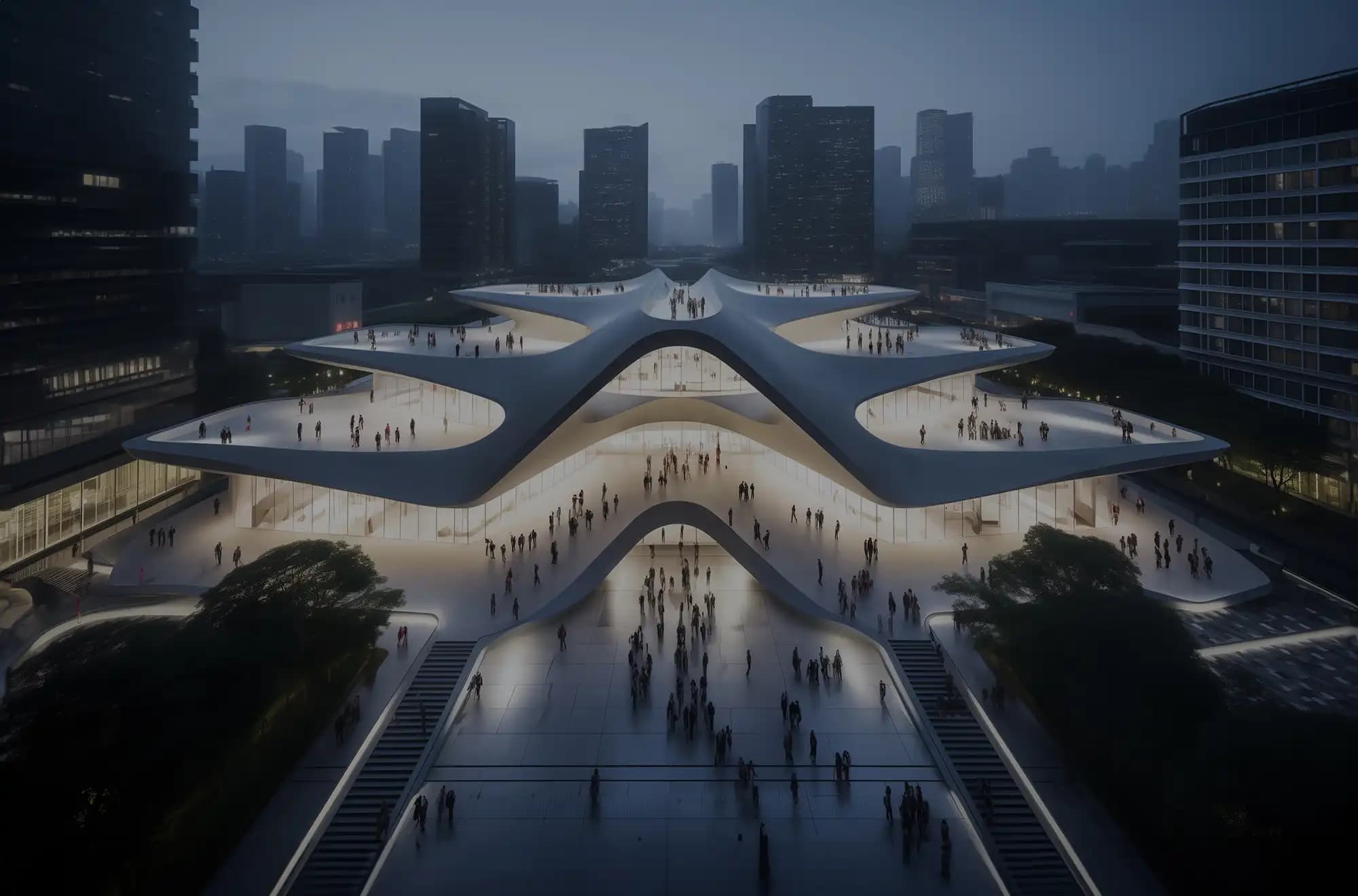
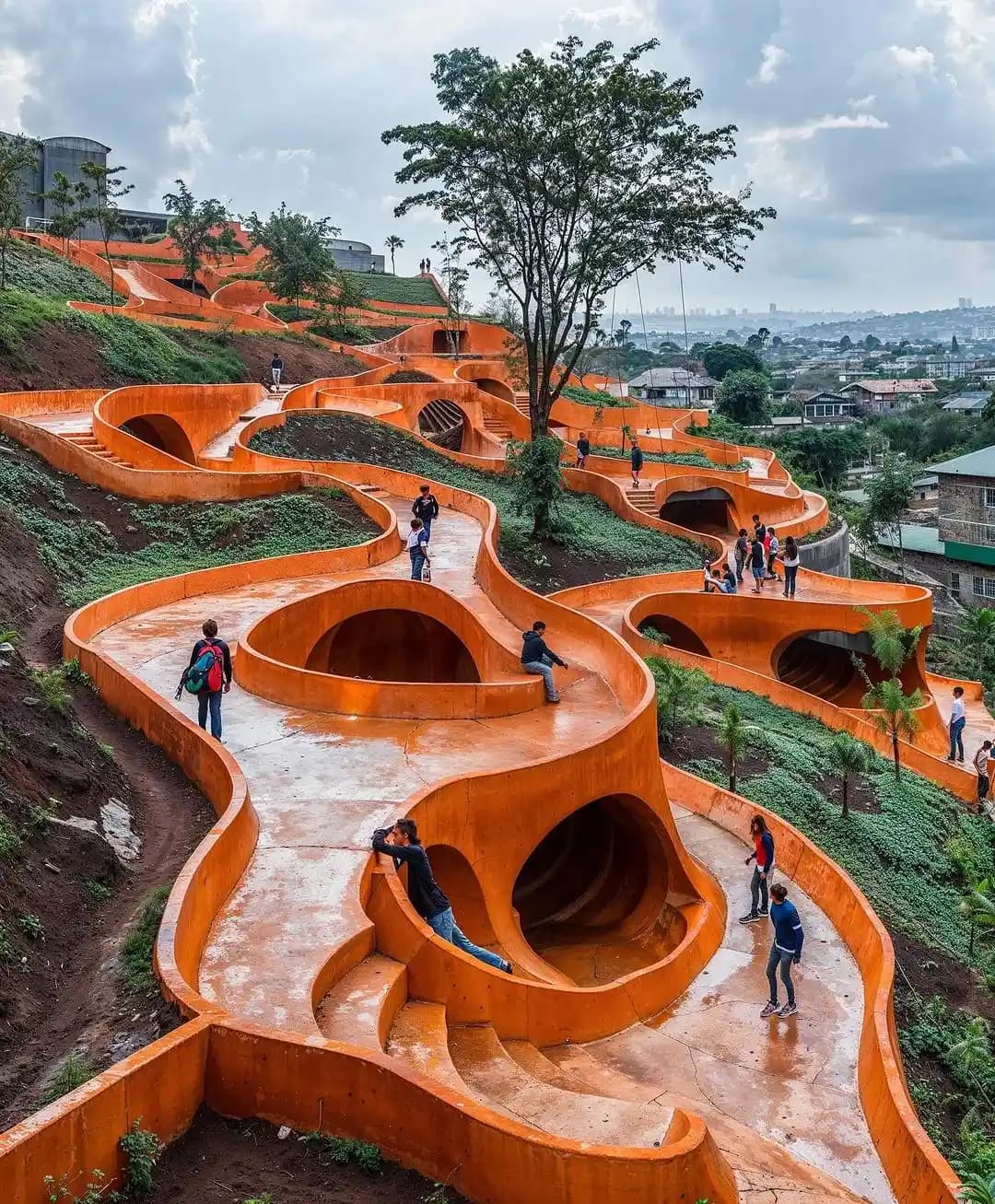
Take the same approach into more ambitious architectural examples, where multiple rules and parameters interact to create richer forms. Once the geometry is working, shift from making to presenting, developing camera views in Rhino and transforming your models into styled imagery and animated sequences with Runway. The workshop concludes by bringing everything together into a reusable library of prompts, pseudo-code, and working scripts that you can carry into your next project.
Who is this workshop for?
This workshop is designed for architects, spatial designers, and students who want to explore computational design without the steep learning curve of traditional coding or complex Grasshopper workflows. No prior scripting, Grasshopper, or advanced AI experience is required; basic confidence navigating Rhino is enough. Experienced computational designers are also welcome to explore a conversational approach to developing and testing design logic.