The workshop introduces students to the fundamentals of parametric design thinking through a complete, hands-on workflow — from digital modeling to physical prototyping and AI-based visualization.
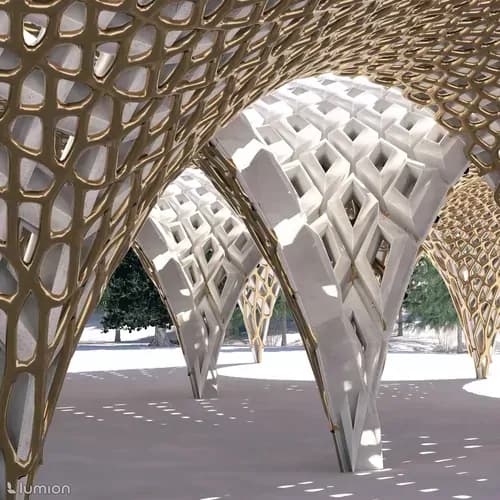
This workshop will focus on designing parametric brick wall systems using Grasshopper, exploring geometry, density, and pattern. These digital models will be translated into physical assemblies using Augmented Reality tools and Jenga blocks.
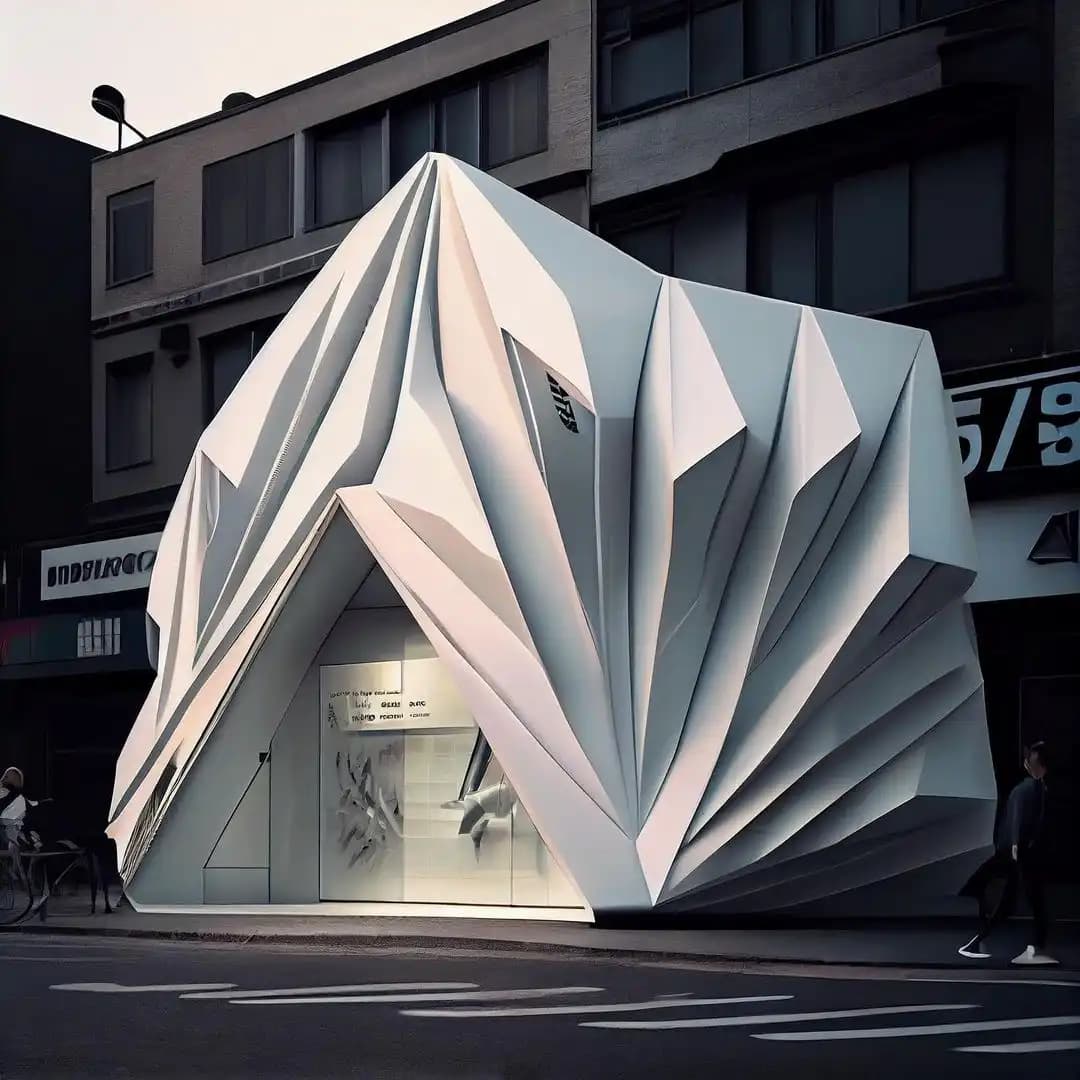
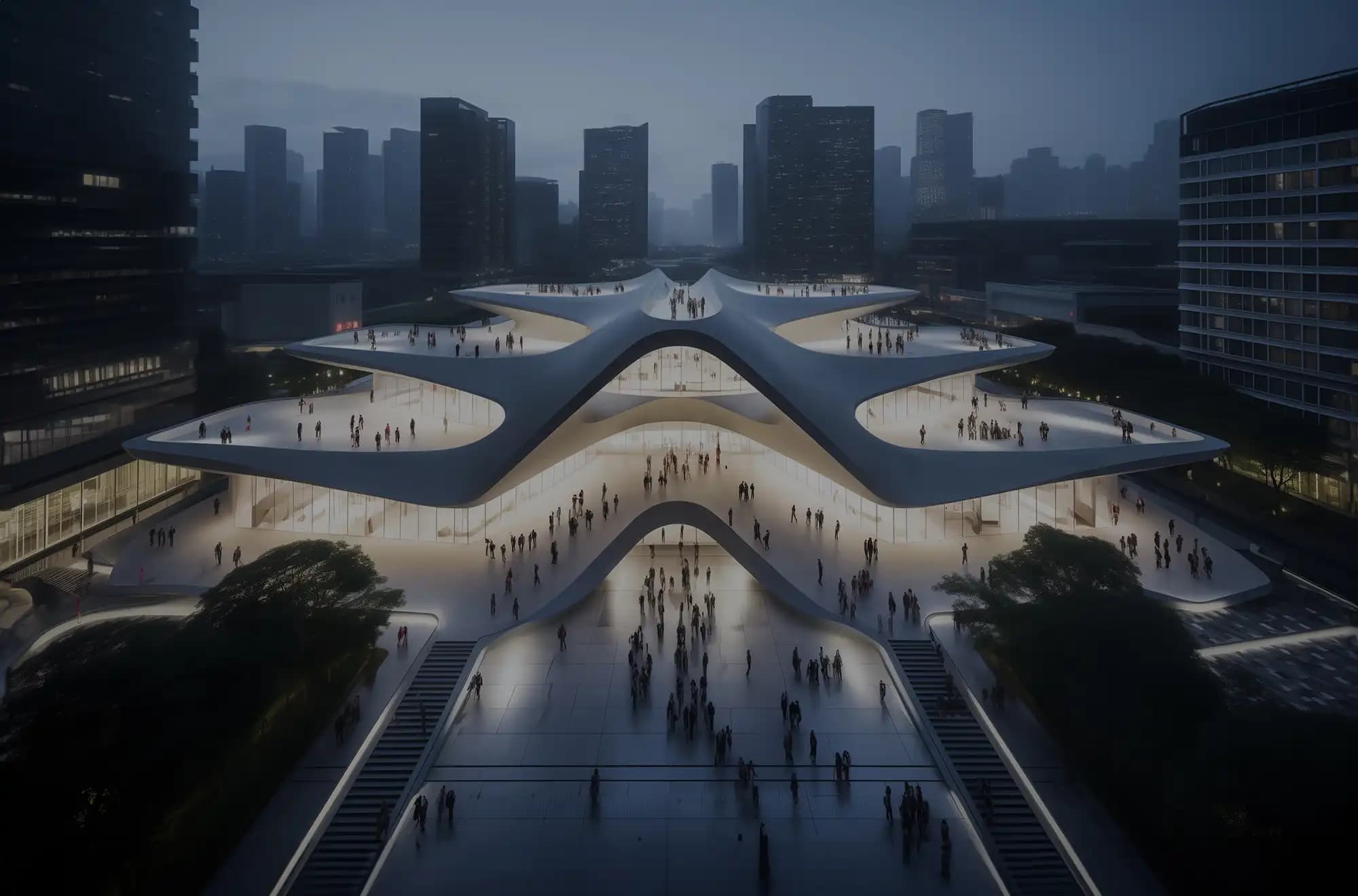
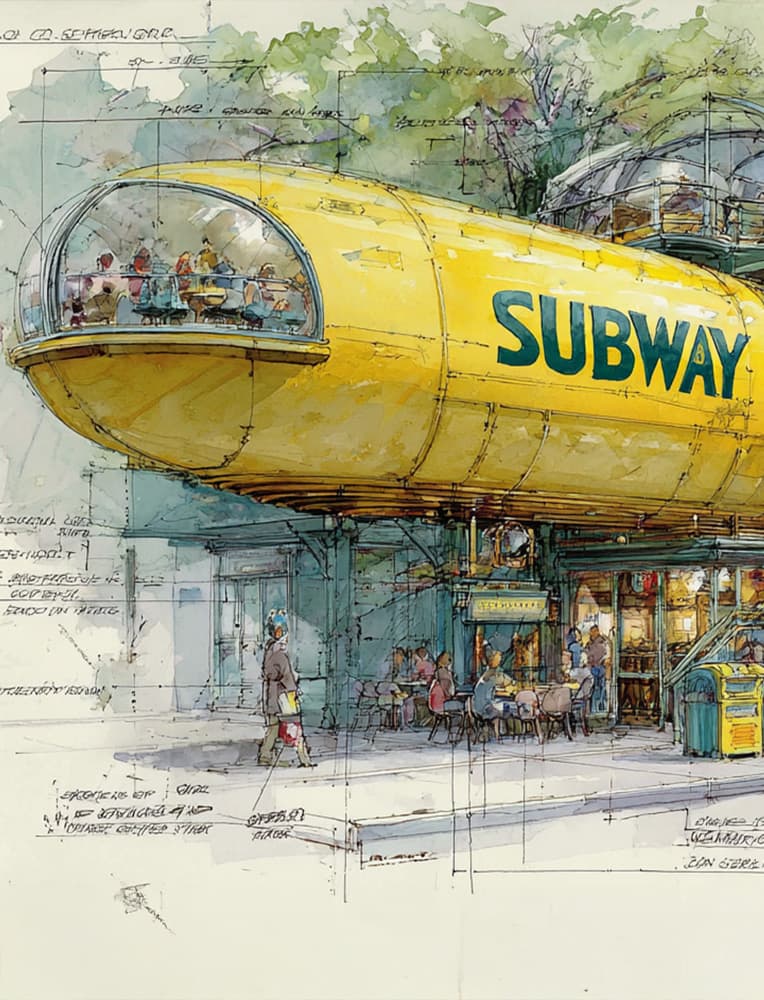
The final phase introduces AI tools such as Midjourney to render and animate photographs of their prototypes—demonstrating how emerging technologies are reshaping how designers model, visualize, and communicate form.
The workshop follows a hands-on, step-by-step methodology that guides participants through a complete digital-to-physical workflow. Students will begin by learning the fundamentals of parametric modeling in Rhino and Grasshopper, developing a rule-based brick wall system through iterative experimentation with parameters, data trees, and geometric logic.
These digital models will then be translated into physical assemblies through AR-guided construction using Jenga blocks, and subsequently visualized using AI tools such as Midjourney to create rendered and animated outputs.
All work will be conducted individually, allowing each participant to experience the full code-to-construction pipeline independently.
Program:
Day 1: Parametric Thinking and Digital Design
The first day introduces participants to the fundamentals of parametric design using Rhino and Grasshopper. Students will learn how rule-based logic can generate adaptable systems, focusing on the design of a parametric brick wall as an entry point into computational thinking.
Introduction and Setup
- Overview of the workshop objectives, outcomes, and tools
- Introduction to instructors and participant onboarding
Foundations of Grasshopper
- Interface navigation and visual scripting logic
- Understanding data flow, parameters, and geometric relationships
Parametric Brick Wall Design
- Developing rule-based wall systems
- Exploring variations in pattern, density, and form
- Preparing models for physical fabrication
Day 2: Augmented Reality and AI Visualization
The second day focuses on extending the digital model into physical and visual form through Augmented Reality fabrication and AI-based visualization workflows. Participants will experience how digital design, making, and image generation merge into a continuous design-to-reality process—bridging the gap between computational design and architectural communication.
AR-Guided Fabrication
- Introduction to Fologram and setup for AR-based visualization
- Physical assembly of the parametric brick wall using Jenga blocks
- Discussion on the scalability of AR workflows and their real-world applications in on-site fabrication, installation, and full-scale construction
AI Visualization and Animation
- Introduction to Midjourney and AI-based image generation
- Converting photographs of physical walls into architectural renders
- Generating short animated visualizations to explore atmosphere, context, and materiality
Wrap-Up
- Discussion on evolving workflows from code to construction to visualization
- Reflection on outputs and insights for scaling these methods into architectural practice




 Walter Patrick SmithArchitecture in Motion: AI Cinematic Workflows