

PAACADEMY
PAACADEMY
Courses
Software
Bundles
Membership
Instructors
Become ProSign In
HomeCoursesLoading

Catalog

PAACADEMY

Online EdTech platform · Est. 2016

Shaping the next generation of designers, architects, and makers through computational tools and immersive education.

Reach out

[email protected]

Platform

CoursesMembershipsBundlesProjectsInstructorsSoftwareBoardsBlogFree coursesEarnCertificatesReviews

Company

AboutBusinessBecome an InstructorContactFAQSupportChangelogWe're Hiring

Popular Searches

Architecture coursesGrasshopper coursesAI architecture workshopsParametric design workshopsRhino courses3D modeling coursesBlender workshopsVisualization coursesRevit coursesDigital fabrication workshops3D printing workshopsSustainability courses

Most Interested

Urban design coursesLandscape architecture coursesHoudini coursesUnreal Engine coursesComfyUI workshopsMaya coursesInterior design coursesFashion design coursesFootwear design workshopsStructural analysis coursesVirtual reality coursesComputational design coursesGenerative city designBIM coursesMetaverse coursesPhotography workshops

© 2026 PAACADEMY. All rights reserved.

Privacy PolicyCookie PolicyRefund PolicyMembership Agreement
Loading
HomeCoursesLoading

Course detail

Courses3D ModelingThe Illusion Of Form - PAACADEMY
Full Access Workshop Jan 27 & 31, 2020 5 Sessions (20 Hours)
Add to favorites (1)

The Illusion Of Form - PAACADEMY

Instructors

Team behind this course

View curriculum
Erick Carcamo
Verified Account

3 courses·5.0

Bailey Shugart
Verified Account

1 course·5.0

About The Illusion Of Form - PAACADEMY

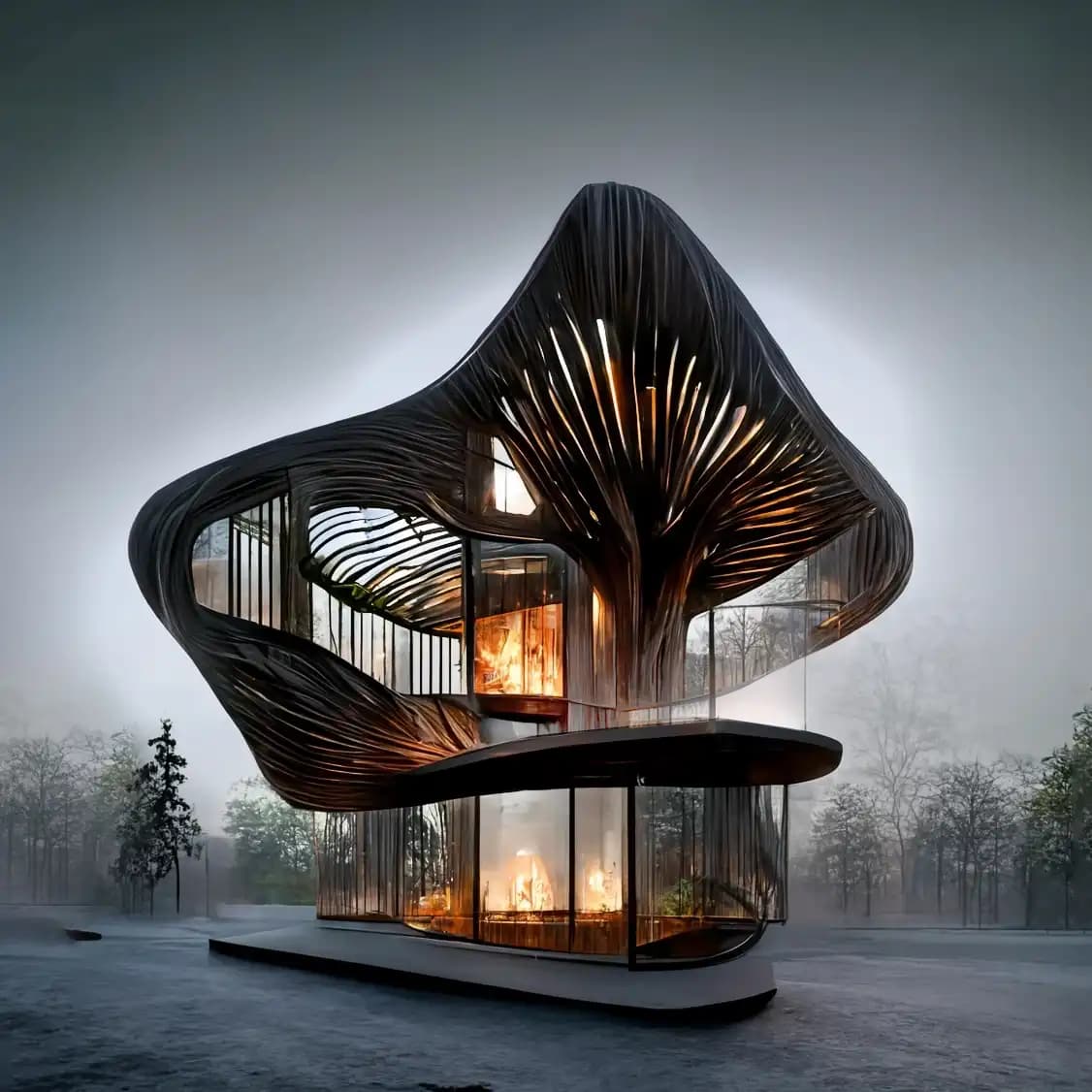
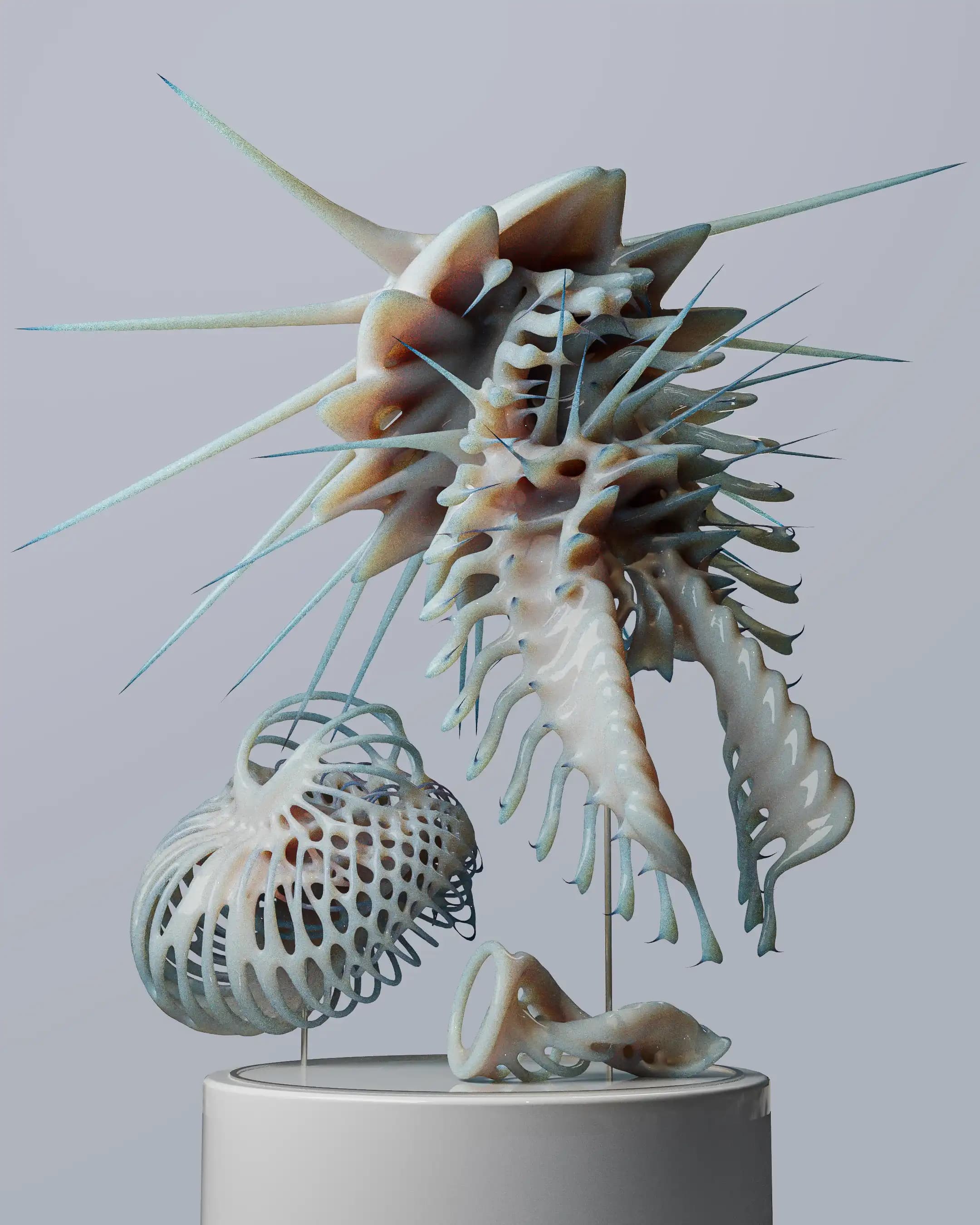
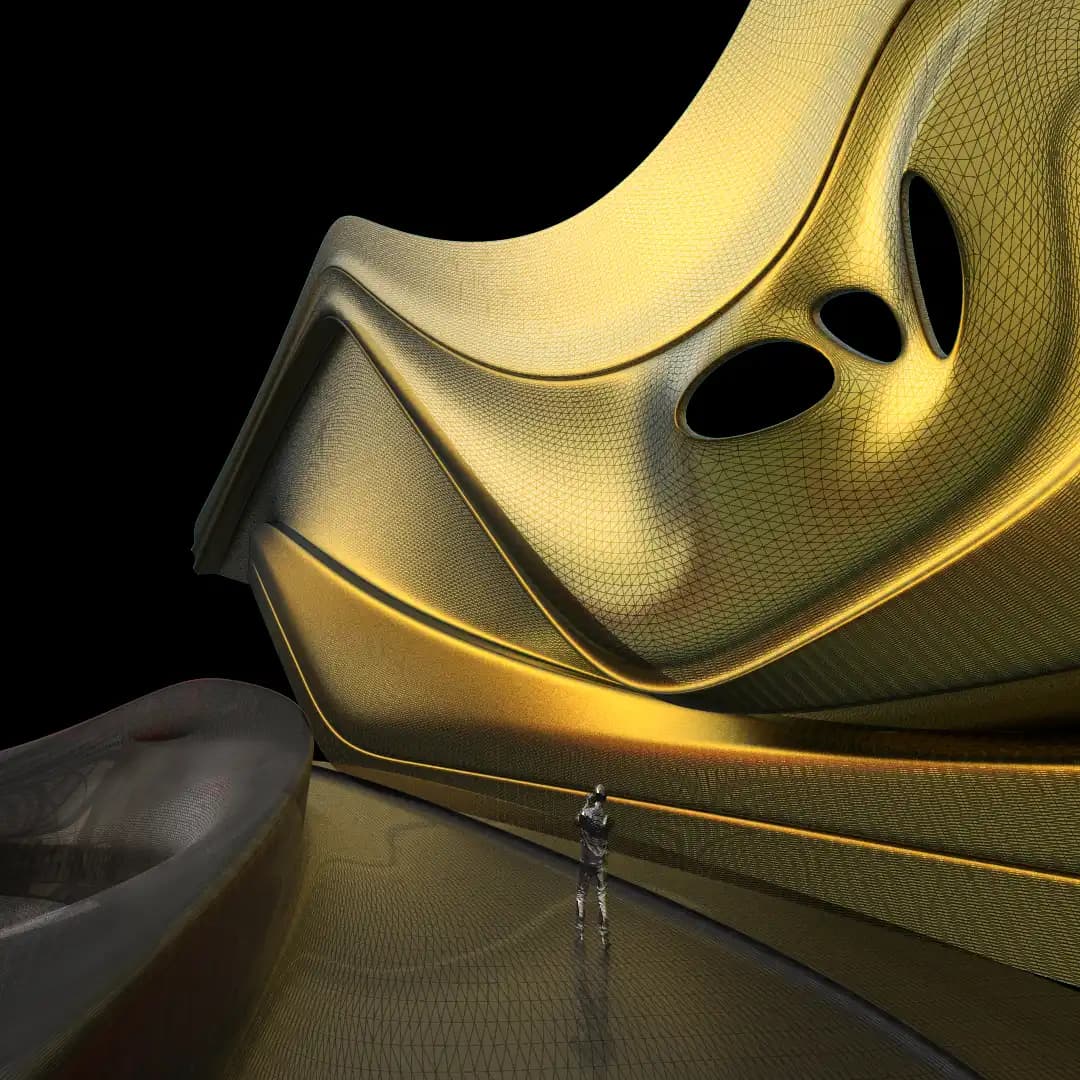
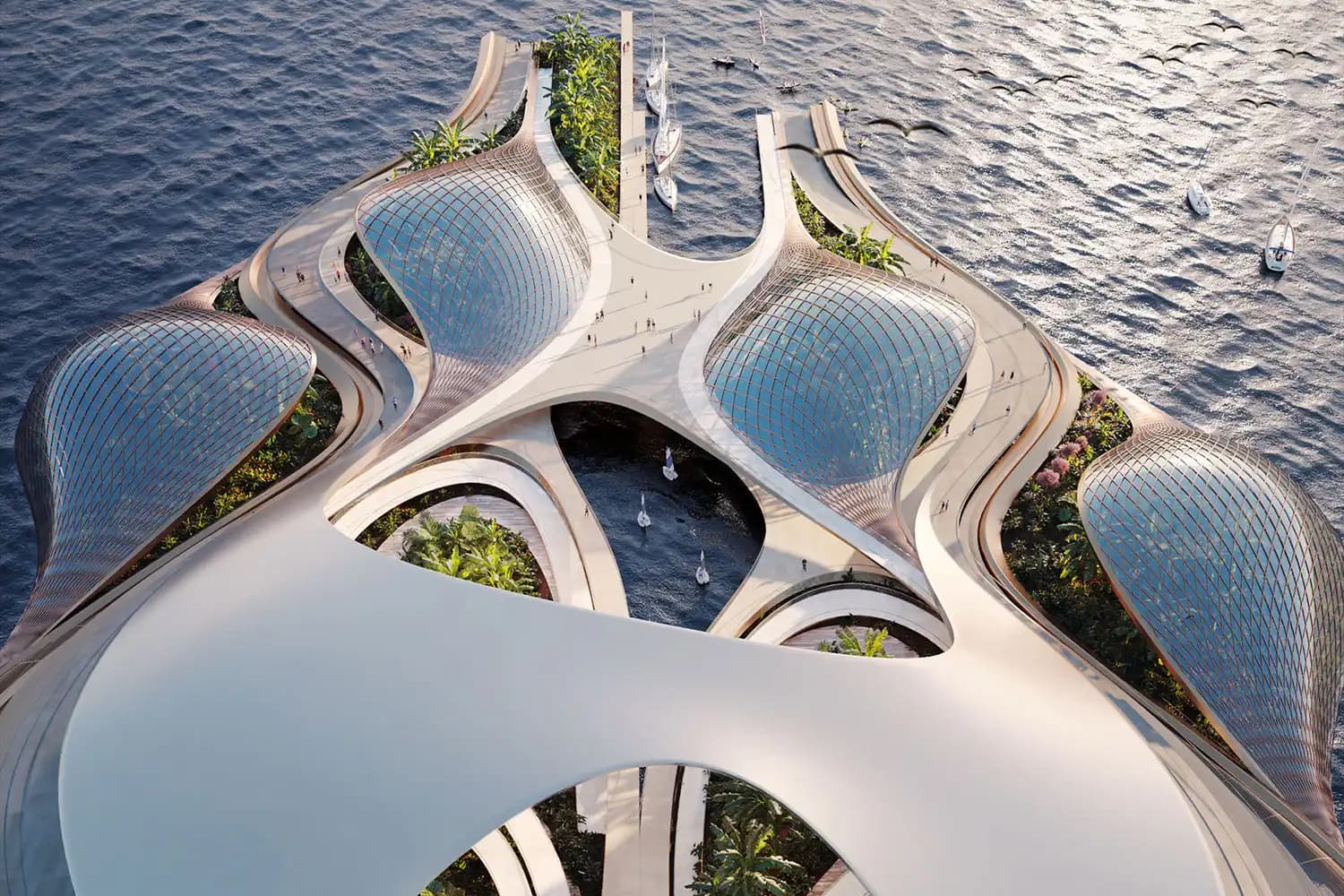
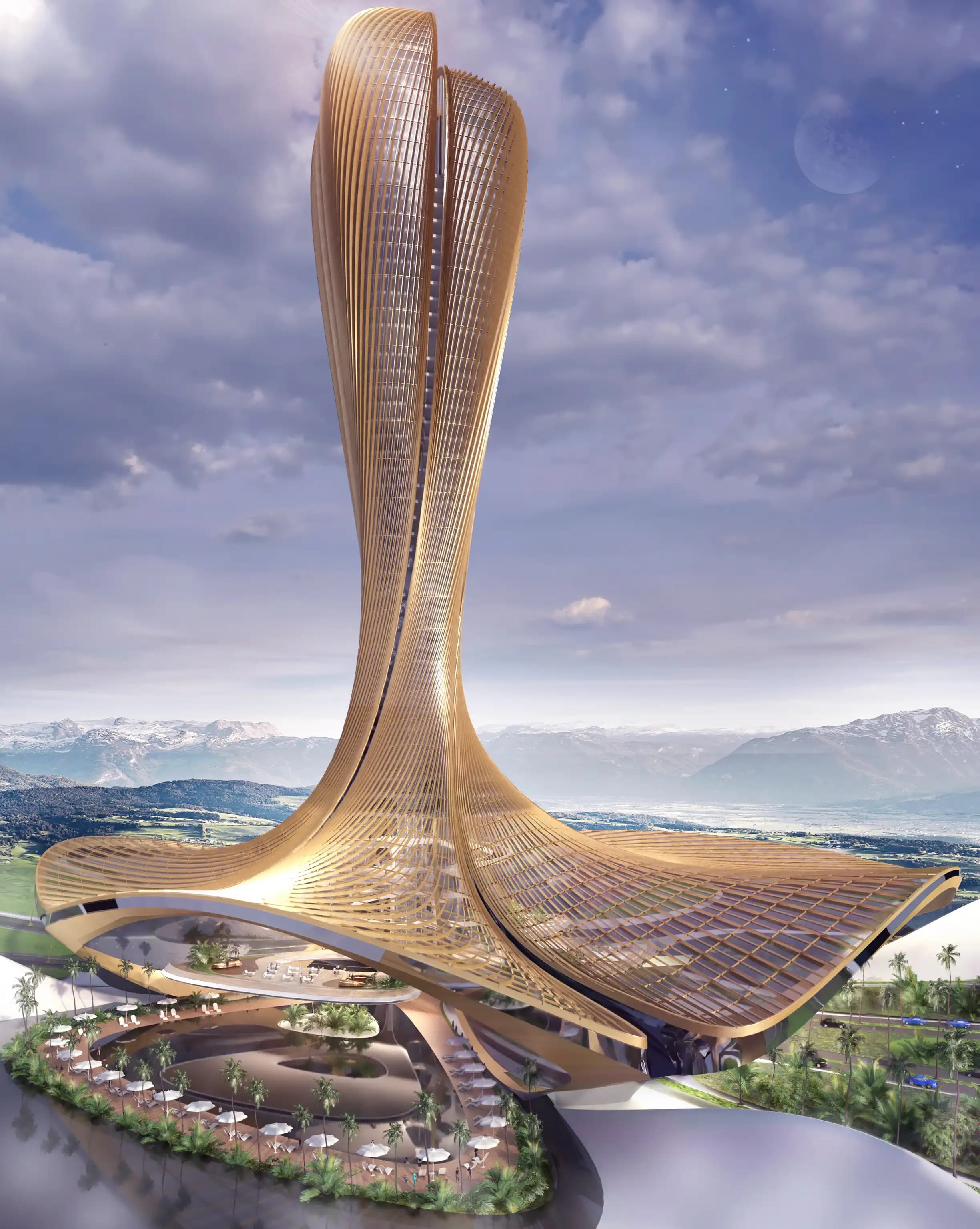
The main aspiration of this workshop is to precisely develop a critical argument based on individual research, which will translate into pure geometrical-formal exploration.

The main aspiration of this workshop is to precisely develop a critical argument based on individual research, which will translate into pure geometrical-formal exploration; the format will be an ongoing desk crit symposium with the participants, meeting them and discussing their architectural projects, along with daily tutorials to progress their knowledge of the software techniques.

The main aspiration of this workshop is to precisely develop a critical argument based on individual research, which will translate into pure geometrical-formal exploration. The main aspiration of this workshop is to precisely develop a critical argument based on individual research, which will translate into pure geometrical-formal exploration; the format will be an ongoing desk crit symposium with the participants, meeting them and discussing their architectural projects, along with daily...
What you will learn
  • 01

    Development of a critical argument through individual research and geometric exploration.

  • 02

    Techniques for establishing integration and application systems in design.

  • 03

    Creation of topological assemblies using formal and aesthetic approaches.

  • 04

    Skills in digital modeling and animation to transform architectural forms. Exploration of the concept of 'Image Illusion' as a design feature.

  • 05

    Exploration of the concept of 'Image Illusion' as a design feature.

Methodology
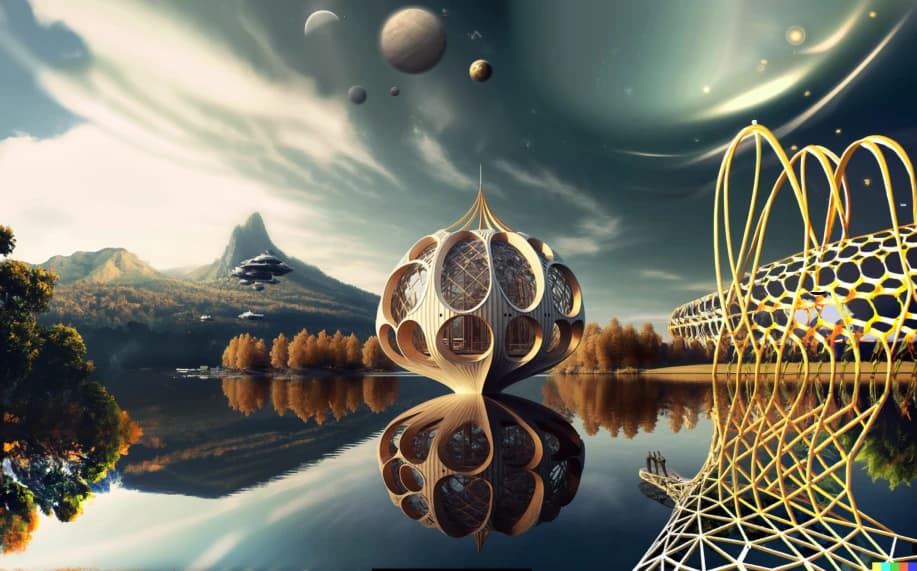
  • The Workshop will begin with each participant individually focusing on an aesthetic and formal language through the concept of ‘Image Illusion.’ We will then use this to establish two types of systems: Integration (Structure, Mass) and Application (Skin, Ornament); this will be the mechanism for developing a series of topological assemblies. Using a formal and aesthetic approach, ILLUSION becomes an instrument of design and a Design Feature.


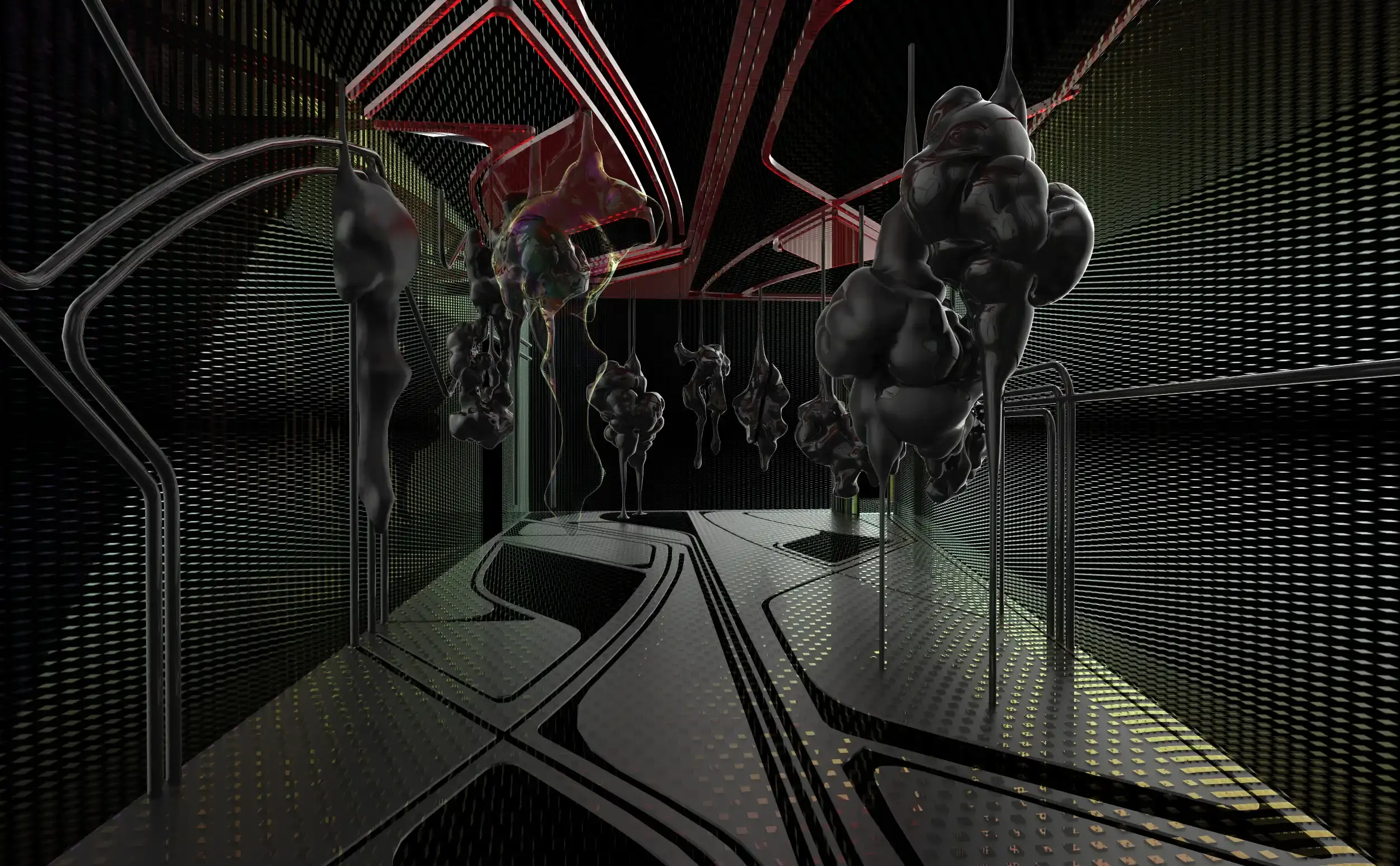
  • We will then work on a series of formal digital variations, which will be transformed through distortion, contortion, and internal and external pressures, using animation and modeling techniques in order to arrive at an Architectural figure. 


The Workshop will begin with each participant individually focusing on an aesthetic and formal language through the concept of ‘Image Illusion.’ We will then use this to establish two types of systems: Integration (Structure, Mass) and Application (Skin, Ornament) ; this will be the mechanism for developing a series of topological assemblies. Using a formal and aesthetic approach, ILLUSION becomes an instrument of design and a Design Feature . We will then work on a series of formal digital...
Knowledge Requirements

What you should already know or have ready before you start, experience, tools, and any baseline skills the instructors expect. Scan the list below so nothing catches you off guard.

The Workshop will run primarily using AutoDesk MAYA and will also cover other fundamental digital design tools. Software Introduction (NO EXPERIENCE NECESSARY): Maya Interface Modeling Techniques: Polygons, Subdivisions Rendering Techniques: Materials, Special Effects Advanced Techniques: Dynamics, Particles, Deformers, Animations, Camera controls; it will also incorporate scripting and animation as an engine for the purpose of generating higher complex geometry, and for visual representation. 


Course Content
5 Lessons
Important Notes
  • 01

    Day 1

    Intro lectures

  • 02

    Tutorial – MAYA Introduction

  • 03

    Tutorial – Software navigation/Polygon modeling

  • 04

    Day 2

    Tutorial: Polygon modeling, deformers, iterative design (using animation tools)

  • 05

    Tutorial: Mesh-modeling operations

  • 06

    Day 3

    Open session tutorials with instructors

  • 07

    One-on-one critique to discuss developing work

  • 08

    Day 4

    Tutorial: Refining techniques

  • 09

    One-on-one critique to discuss developing work

  • 10

    Day 5

    Review/Discussion of final work

Software & tools
Autodesk Maya
Highlights
Instructors
Erick Carcamo
Erick Carcamo
3 Courses5.0
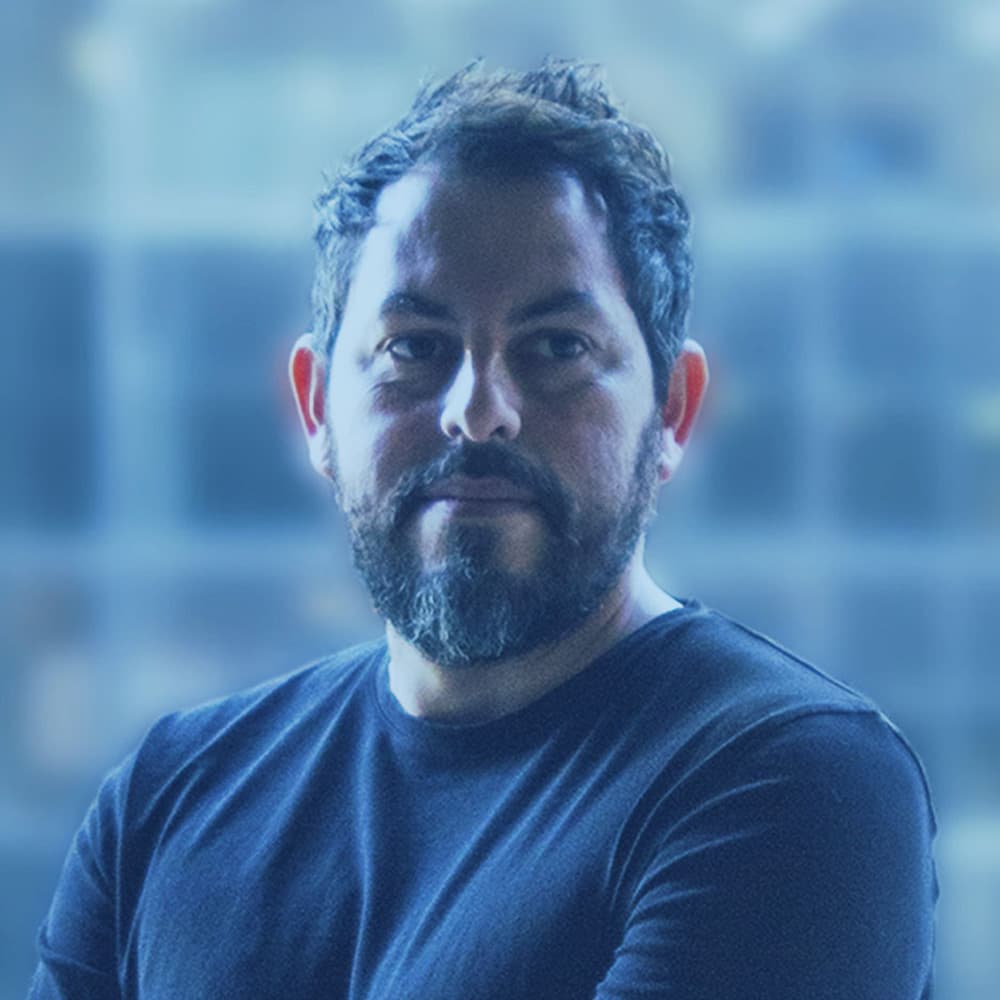
Principal and co-founder – As an educator and designer, Erick has been in pursuit of innovation and technology in the field of architectural thinking and teaching processes; his expertise, expanding his graduate thesis at GSAPP, is based on researching digital experimental techniques and strategic thinking for the manipulation of Form in design, which he uses these design abilities in the services of thoroughly generating spatial and organizational issues central to architecture. Born in El Salvador, Erick holds a master’s degree in Advanced Architectural Design from Columbia University, GSAPP, and a bachelor’s degree from The Southern California Institute of Architecture, SCI_Arc.
Bailey Shugart
Bailey Shugart
1 Course5.0
The main aspiration of this workshop is to precisely develop a critical argument based on individual research, which will translate into pure geometrical-formal exploration.

The Illusion Of Form - PAACADEMY FAQ

Showcase
Add to favorites (1)
Reviews
Purchase or enroll in this course to leave a review.
0 Reviews
0 Comments

No reviews yet. Be the first!