We value your privacy.

We use strictly-necessary cookies to keep you signed in and the service operational, and analytics cookies to understand how the site is used. With your consent, we also use preference and marketing cookies. You can change your choice anytime; see our Cookie Policy or Privacy Policy.

Enter CartesianForms: Architecture Reimagined competition early to win from a $120,000 prize pool.
PAACADEMY
PAACADEMY
Courses
Software
Bundles
Membership
Become MemberSign In
HomeCoursesLoading

Catalog

PAACADEMYPAACADEMY

Online EdTech platform · 2020-2026

Shaping the next generation of designers, architects, and makers through computational tools and immersive education.

Reach out

team@paacademy.com

Newsletter

New workshops, early-bird seats, and release notes, straight to your inbox.

Platform

CoursesMembershipsBundlesProjectsInstructorsSoftwareBoardsBlogFree coursesEarnCertificatesReviews

Company

AboutBusinessBecome an InstructorContactFAQHelp CenterChangelogWe're Hiring

Popular Searches

Architecture coursesGrasshopper coursesAI architecture workshopsParametric design workshopsRhino courses3D modeling coursesBlender workshopsVisualization coursesRevit coursesDigital fabrication workshops3D printing workshopsSustainability courses

Most Interested

Urban design coursesLandscape architecture coursesHoudini coursesUnreal Engine coursesComfyUI workshopsMaya coursesInterior design coursesFashion design coursesFootwear design workshopsStructural analysis coursesVirtual reality coursesComputational design coursesGenerative city designBIM coursesMetaverse coursesPhotography workshops

© 2026 PAACADEMY. All rights reserved.

Privacy PolicyCookie PolicyRefund PolicyMembership Agreement
Loading course…
Courses3D ModelingTopology-Based Modelling With Blender
Jun 17, 20237 lessonsBeginner
3D ModelingFREE with Full AccessWorkshopJun 17, 2023Beginner7 lessons8h 7mParametric DesignOrganic ArchitecturePavilion Design

Topology-Based Modelling With Blender

‘Topology-Based Modelling With Blender’ explains the correlation between mesh-topology and tessellation strategies to create parametric models.

Learn from Alessandro Zomparelli
FREE with Full Access

Instructor

Alessandro Zomparelli2 courses

  • Jun. 17, 202311:00 - 15:00 (GMT)
  • 8 Hours 7 MinTotal duration
  • Lifetime accessRewatch anytime
  • BeginnerLevel
  • 50 seatsClass size
  • EnglishLanguage
  • EnglishSubtitles
  • 7 LessonsLessons
  • CertificateIncluded
  • Course filesDownloadable

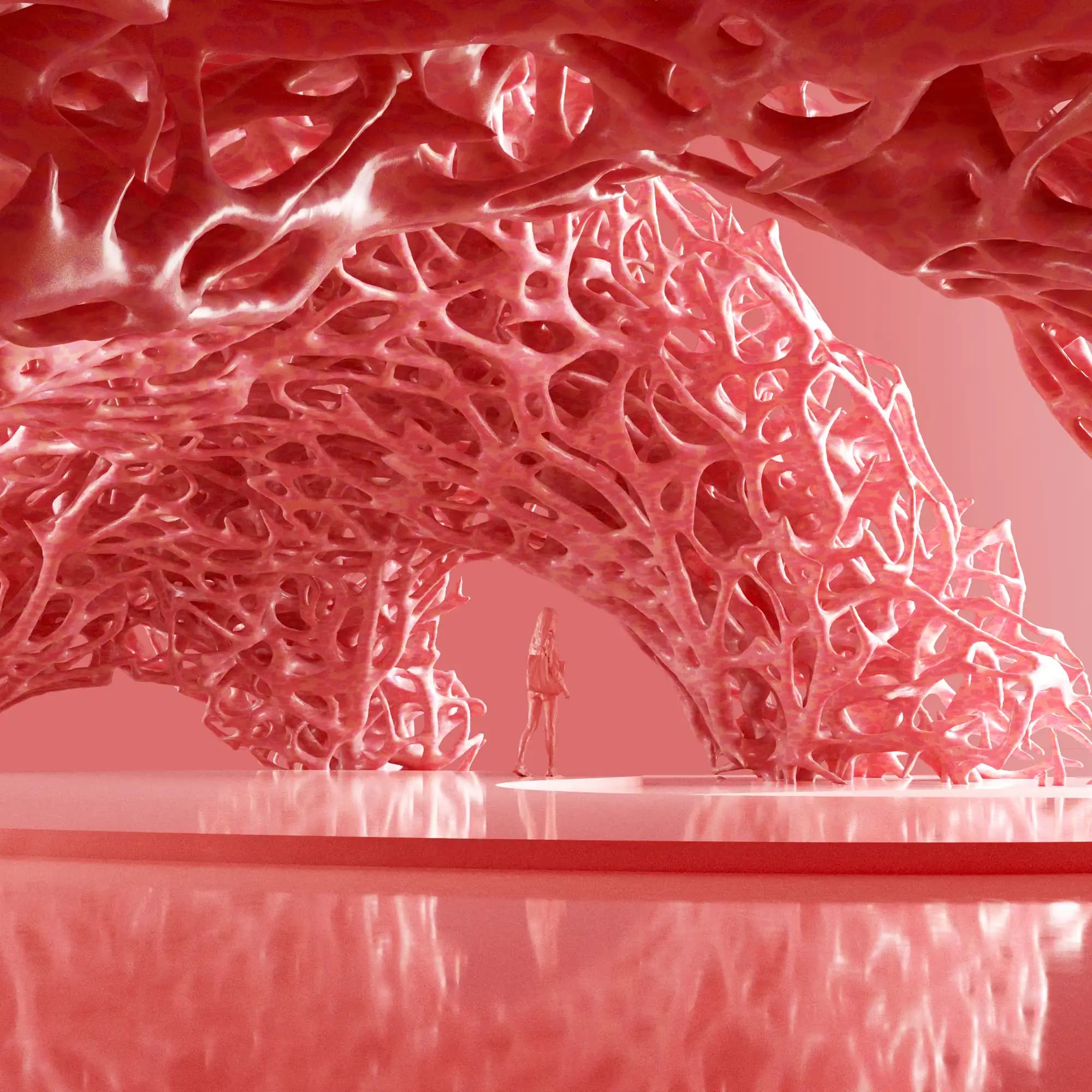
Blender is becoming an important player in the Architectural field. It is a great software for rendering and animation and an extremely powerful tool for mesh modeling. Working with meshes makes it possible to easily generate complex and organic shapes, allowing architects and designers to express their creativity without constraints. With this workshop, the participants will be able to move the first steps inside the software, creating complex shapes with a modular approach by working with a combination of simple components. In addition, carefully controlling the mesh's topology makes it possible to articulate directional patterns that follow the main shape. The workshop is for beginners and intermediates, so a basic understanding of Blender’s interface and the basic modeling commands is recommended.

  • 01

    Mesh Modeling Techniques: Gain foundational skills in mesh modeling using Blender, focusing on creating complex and organic shapes through a modular approach.

  • 02

    Topology Principles: Understand the importance of mesh topology and how it influences the design and articulation of forms.

  • 03

    Tissue Add-on Utilization: Learn to use the Tissue add-on for tessellation, allowing for the creation of intricate parametric models without scripting.

  • 04

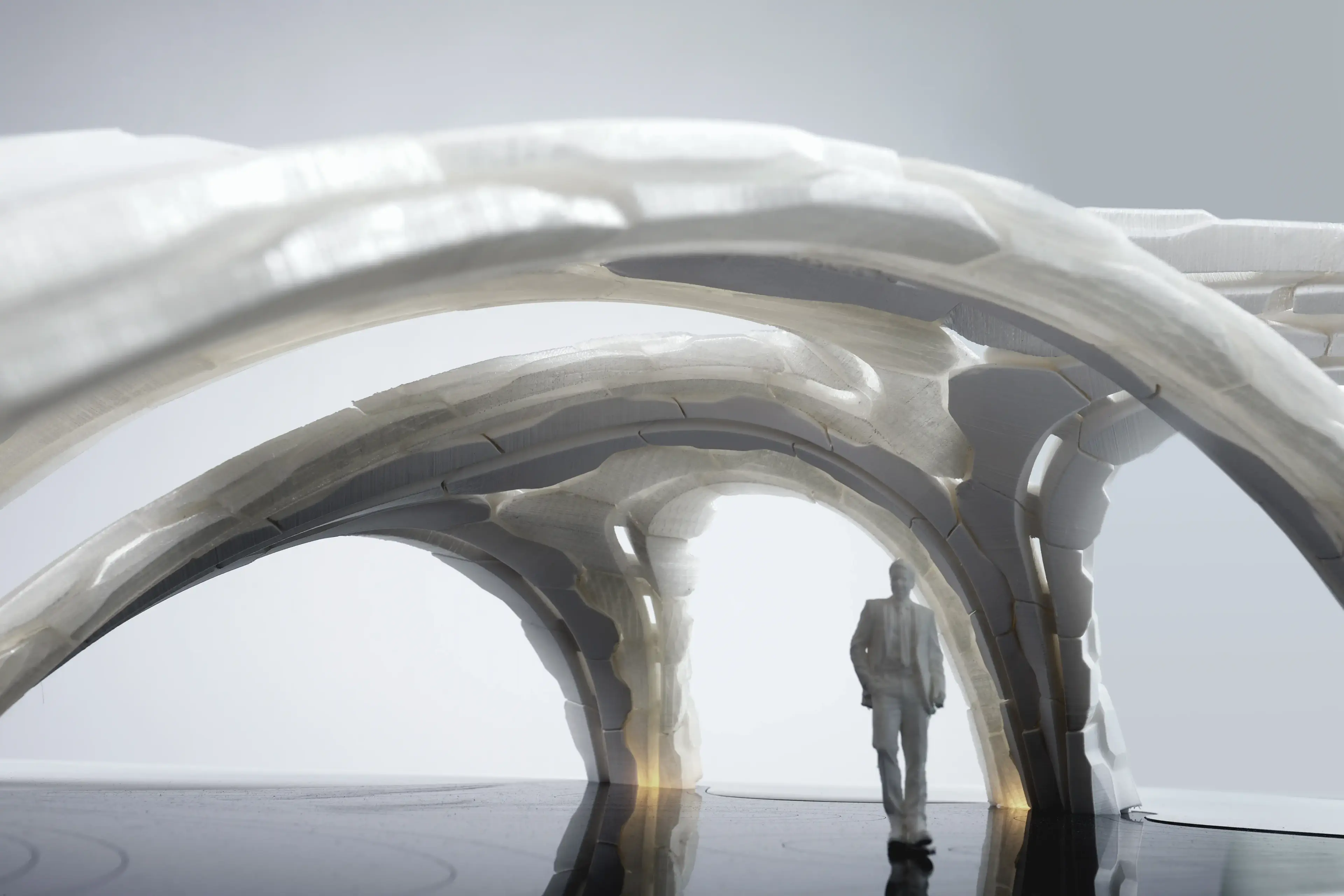
    Organic Shape Creation: Develop an architectural pavilion by combining form-finding strategies with parametric modeling techniques.

  • 05

    Scalability of Techniques: Discover how the modeling principles taught can be applied across various scales, from architectural objects to urban design and beyond.

BlenderTissue add-on

How the 2 days are spent, session by session.

Day 1 Program

Saturday · Jun 17, 2023

Session 1 (2h):

  • Introduction to Blender and Tissue
  • Mesh modeling principles and mesh relaxation in Blender
  • Tessellation strategies principles and the importance of Mesh topology
  • Tutorial about mesh modeling in Blender using modifiers


Session 2 (2h):

  • Tutorial about Tissue and the main tessellation strategies and mesh topology tips for a correct directional control
  • Exercise + Q&A


Day 2 Program

Sunday

Session 3 (2h):

  • More advanced Tessellations methods
  • Visualization tips for quick real-time rendering


Session 4 (2h):

  • Exercise + Q&A


The scope of the workshop is to model a small architectural pavilion.The first part is dedicated to tutorials about mesh modeling and Tissue. During this part, the participants will understand the principles of mesh topology combined with Tissue’s tessellation. Working on an individual exercise, they will produce an organic main shape and a system of components that will characterize its skin.

During the workshop, we will work with Blender and the Tissue add-on to combine the flexibility of mesh modeling with the different tessellation strategies of Tissue. We will understand the correlation between mesh topology and tessellation strategies. Thanks to a combination of modifiers and Tissue, we will be able to create complex parametric models without the need for scripting or node interfaces. These methods will be applied to an architectural object, but their principles can be easily applied to different scales, from urban design to wearable products.

The students will learn the basic principles of Mesh modeling in Blender. In addition, thanks to a combination of form-finding strategies and parametric modeling using the Tissue add-on, they will also understand how to obtain functional and appealing architectural objects.


7 Lessons8h 7m

  • 01
    Sessions: 2 sessions (8 Hours)
  • 02
    PAACADEMY will provide a certificate of attendance for students.
  • 03
    Please be informed that we won’t be able to provide a license, invitation, or educational account for any of the software listed above.
  • 04
    The attendees are responsible for having the software with a proper license and installing it on their computers.

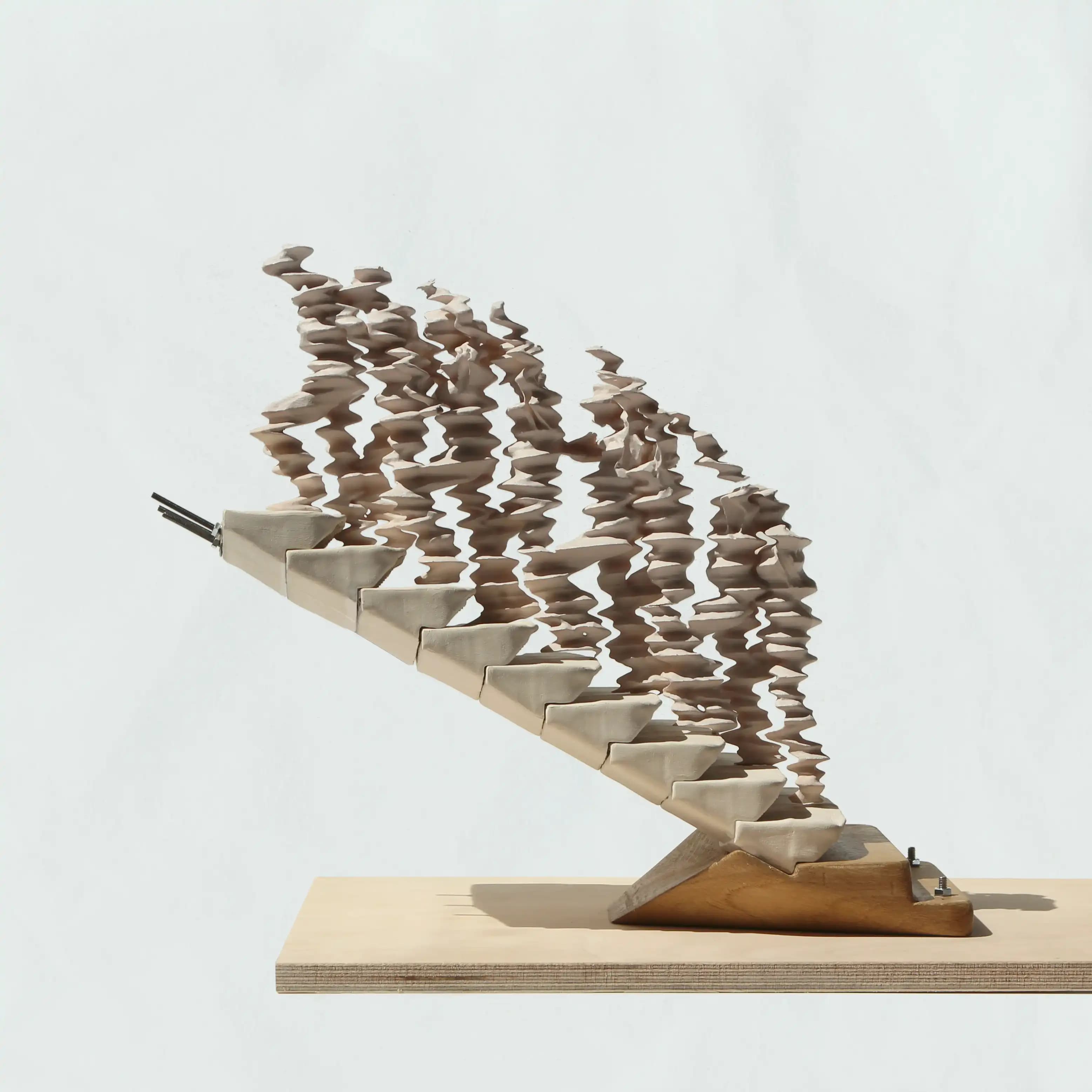
Prefabricated Forest - Arthur Vilarinho

Prefabricated Forest - Arthur Vilarinho

@paacademy

Topology-Based Modelling With Blender
Project

Prefabricated Forest - Arthur Vilarinho

Aug 13, 2024

About this work

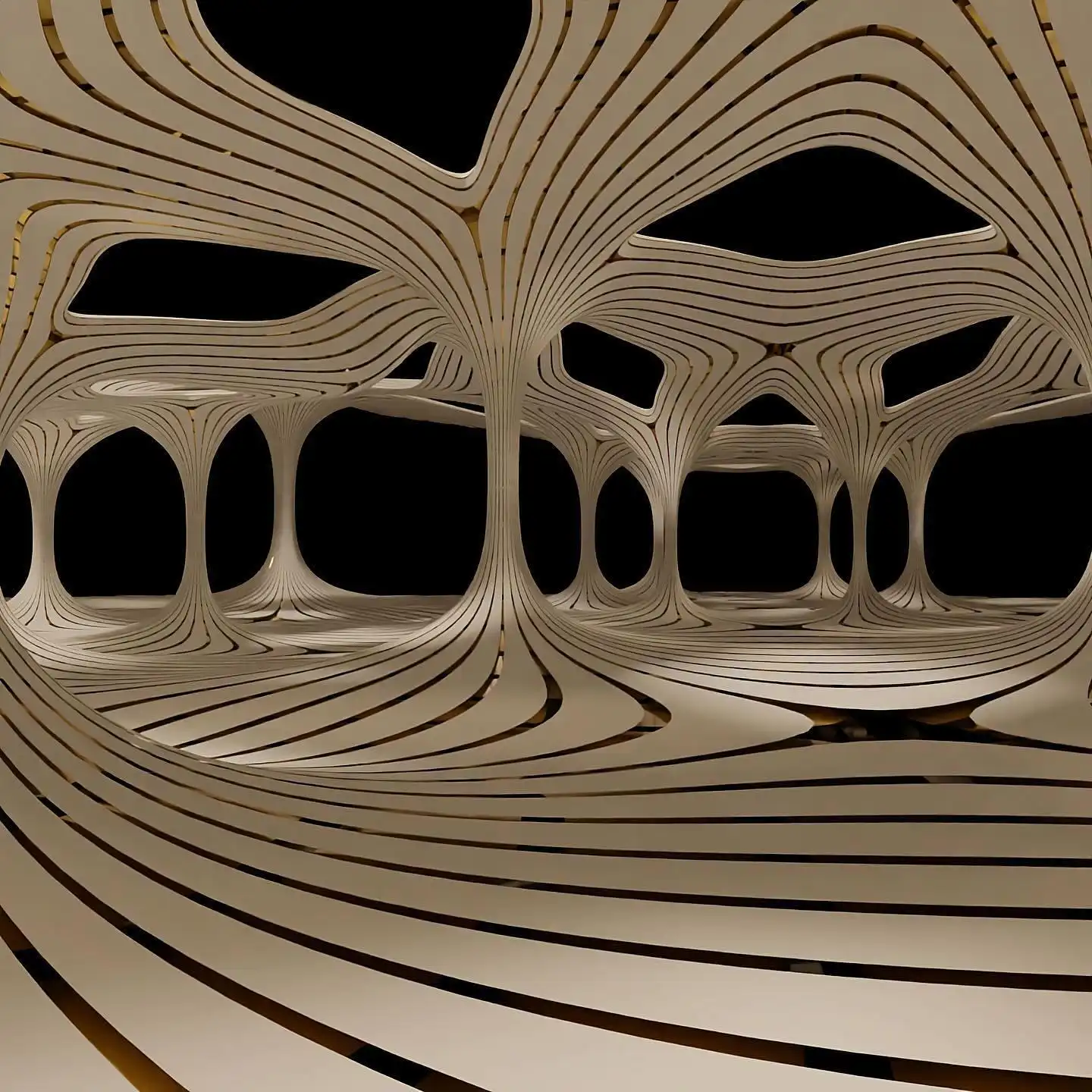
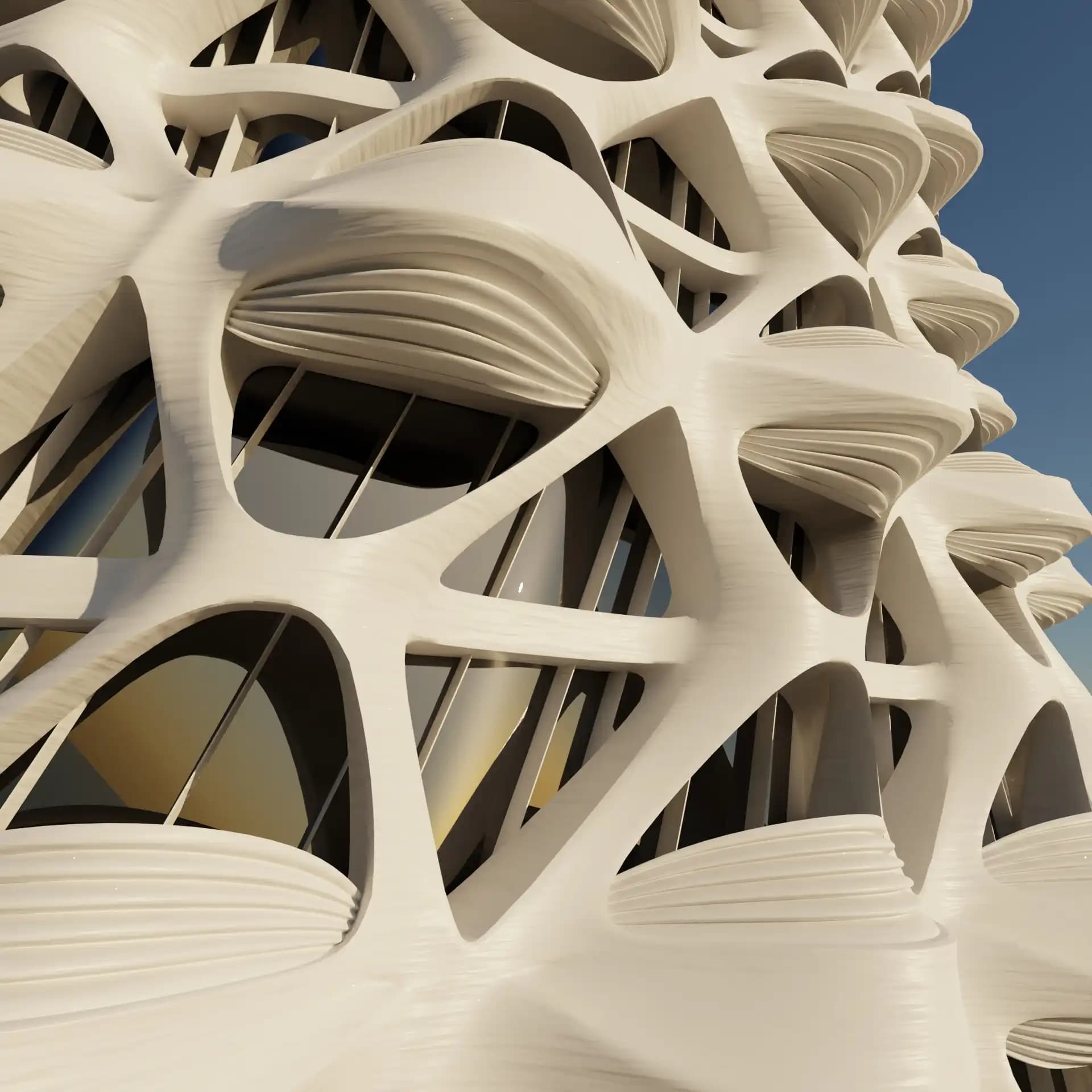
Successful work by our student Arthur Vilarinho developed during the “Topology-Based Modelling with Blender” workshop led by Alessand...

Blender
PAACADEMY
PAACADEMYTopology-Based Modelling With Blender
View project→

Instructor

Alessandro Zomparelli

View profile
5.0instructor rating2courses

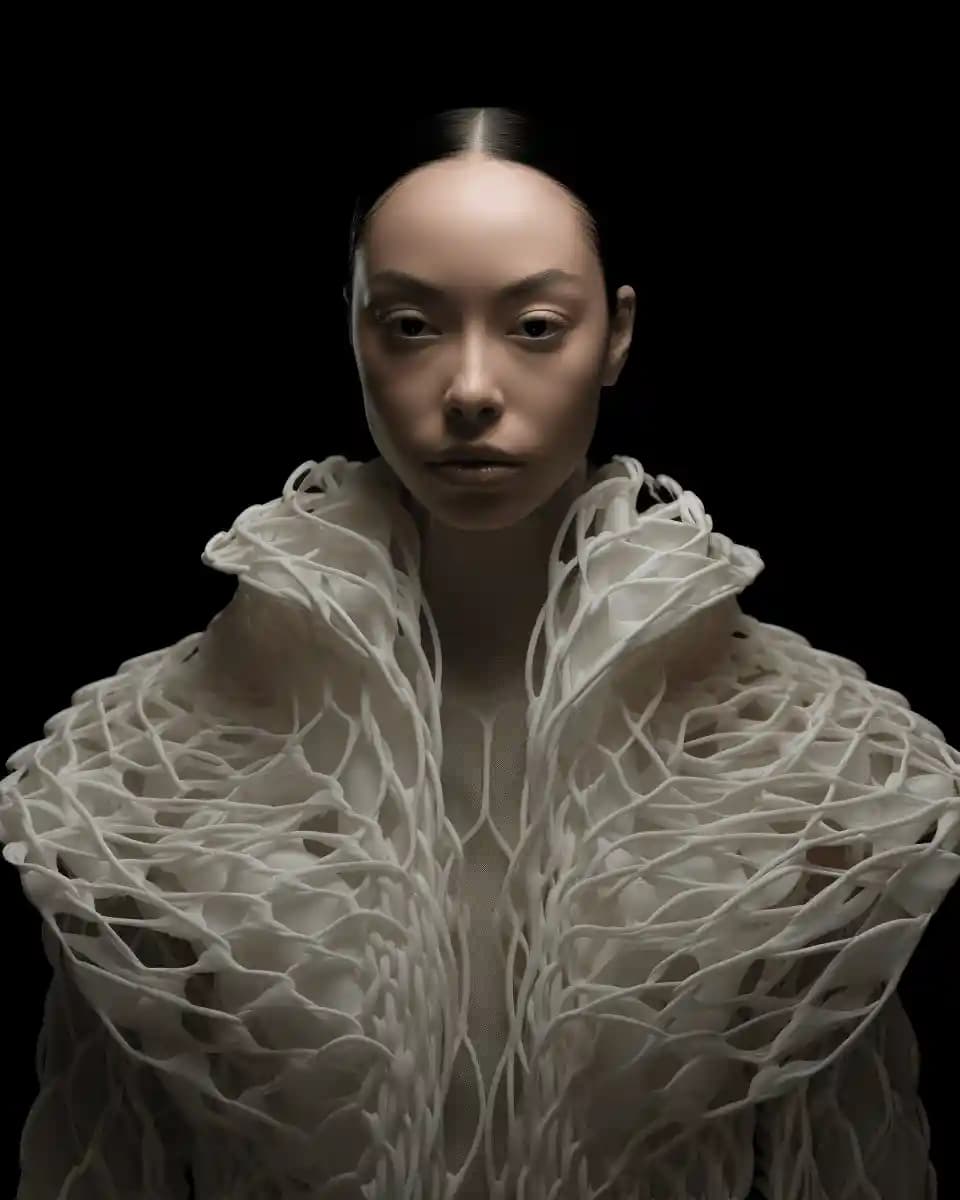
Alessandro Zomparelli is a computational designer, and his background in Engineering and Architectural fields drove him to explore the opportunities of 3D printing technologies at different scales, from architecture to the human body. Since 2011, he has been a member of Co-de-iT, contributing to the Reefs project, and has taught numerous international computational design workshops. In 2012, he co-founded MHOX, a generative design studio with a focus on body extensions, exploring the blurred boundary between body and design, and creating both fashion and medical products. Between 2016 and 2020, he taught at the Academy of Fine Arts in Bologna and the Istituto Marangoni in Milan. From 2020 to 2023, he joined the CREATE group as a research fellow, focusing on architectural geometry and digital fabrication. Since 2023, he has been working as a Computational Design Engineer at Ai-build, helping in the development of cutting-edge solutions for robotic 3D printing. He is known for developing open-source Blender add-ons like Tissue, which are aimed at simplifying computational design workflows and making them more accessible to the general user. He also collaborated on different computational design projects from architecture to wearable products and taught in several international programs.

5.0·10
5.0avg·1 Rating
0 Reviews

A Strong Foundation for AutoTroph Computational Thinking

This course was especially valuable for my AutoTroph research because it develops the kind of computational thinking needed to work with adaptive architectural systems. The progression from mathematical surfaces and data structures to recursive algorithms, meshes, and volumetric modeling shows how design can emerge from rules, relationships, and feedback. Rather than treating Grasshopper as a form-making tool, the workshop encourages participants to design the process itself, which closely aligns with my interest in architectures that can respond, transform, and evolve.

Walter Patrick SmithAdvanced Grasshopper 1.0

Excellent Course for Architectural Competitions

A very useful and well-structured course that clearly explains how to use AI throughout the architectural competition process, from understanding and rethinking the brief to concept development, visualization, presentation boards, and final submission. I learned practical methods that can improve creativity, workflow, storytelling, and the overall quality of competition projects.

Ammar AlmusaeedAI for Architectural Competitions: From Brief to Submission

This course introduced me to the fundamentals of how data can be...

This course introduced me to the fundamentals of how data can be effectively utilized and exchanged between software systems. Despite having very limited coding knowledge, I realized that the barrier to entry has become significantly lower, enabling anyone to explore “vibe coding” and create innovative solutions without requiring extensive technical expertise.

ARATHA JARUCHAIYAKULVibe Coding for Designers: Adaptive Toolmaking

A great introduction to AI-driven architectural modelin

A very insightful workshop exploring how AI agents can interact with Rhino and Revit to create and modify geometry, work with BIM data, and automate repetitive tasks. It offered a practical perspective on how AI can become part of the architectural workflow beyond image generation and visualization.

Maria Alejandra HerreraArchitect

  • 01Polyhedral Topologies in BlenderAlessandro Zomparelli€90.00
  • 02Parametric Design With BlenderDimitar Pouchnikov€105.00
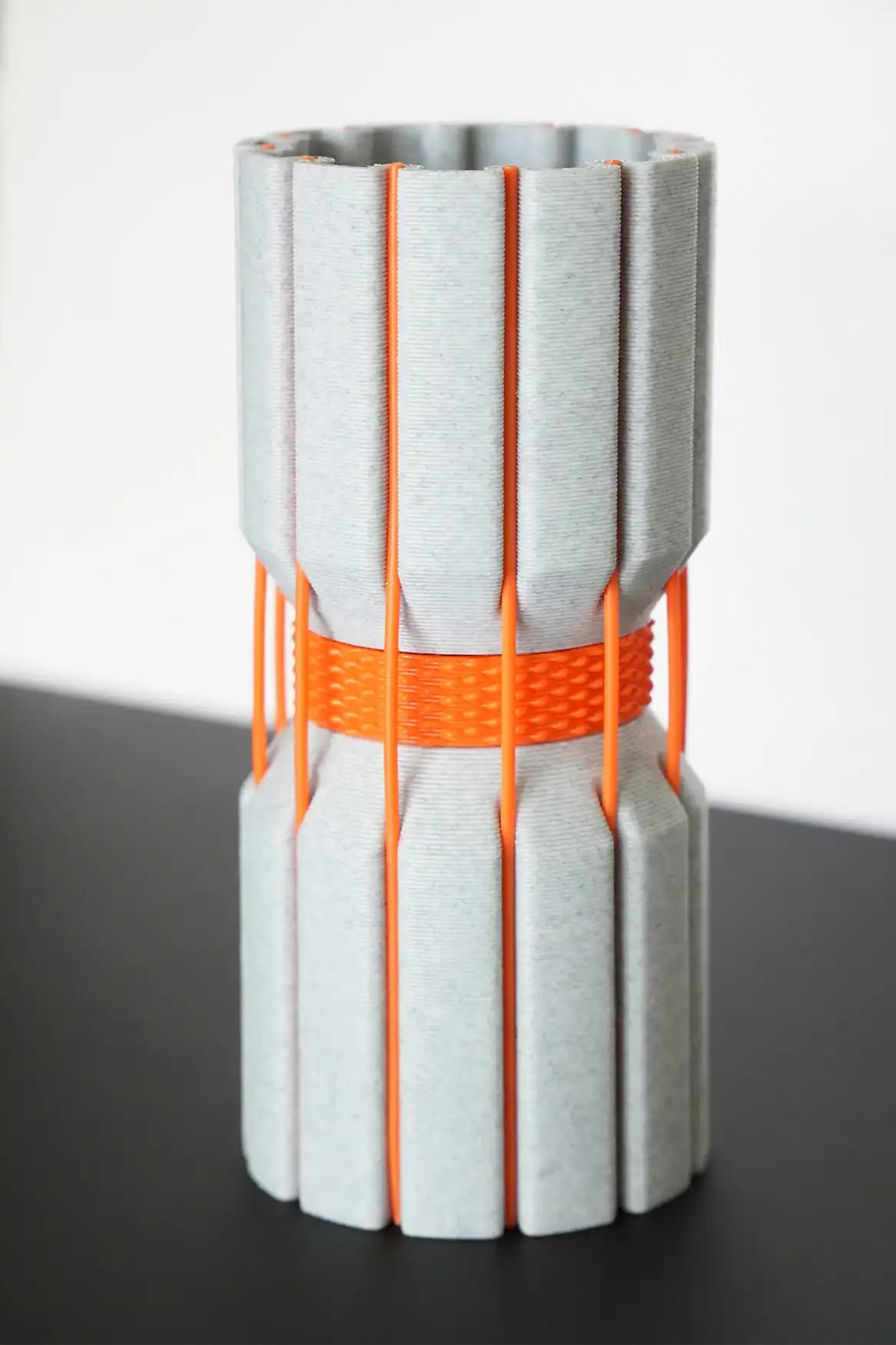
  • 033D-Printing Ceramics: Advanced Digital FlowJosef Stoger€125.00
  • 043D-Printing Innovations with FDMVictoria Roznowski€105.00
  • 05Computational ThinkingIgnacio Revenga€80.00
  • 06Body Architecture 3.0Filippo Nassetti€90.00
  • Polyhedral Topologies in BlenderAlessandro ZomparelliIntermediate8 lessons8 Hours€90.00€125.00
  • Parametric Design With BlenderDimitar PouchnikovBeginner4 lessons2 Sessions (8 Hours)€105.00€120.00
  • 3D-Printing Ceramics: Advanced Digital FlowJosef StogerBeginner8 lessons2 Sessions (8 Hours)€125.00€160.00
  • 3D-Printing Innovations with FDMVictoria RoznowskiBeginner13 lessons8 Hours€105.00€125.00
  • Computational ThinkingIgnacio RevengaBeginner7 lessons8 Hours€80.00€125.00
  • Body Architecture 3.0Filippo NassettiIntermediate6 lessons8 Hours€90.00€125.00
Save €45.00

One-time payment

€125.00€170.00

Pay less with membership

Pro Membership€106.25Save €18.75 on this courseFull Access€0.00Plus every other course
InstructorAlessandro Zomparelli
Regular Price
Save €45.00
€125.00€170.00
Pay less with membership
Pro Membership€106.25Save €18.75 on this courseFull Access€0.00Plus every other course