

_47afe8.webp&w=3840&q=75)
Article
Mohamed (Mo.) Fendi is an architect whose work seamlessly merges architecture, technology, and artificial intelligence into a cohesive design language. His work leans towards turning abstract concepts into spatial experiences through advanced digital tools. With a master’s degree in AI-Driven Smart Cities, he bridges traditional architectural principles with emerging AI methodologies, thereby expanding creative possibilities.
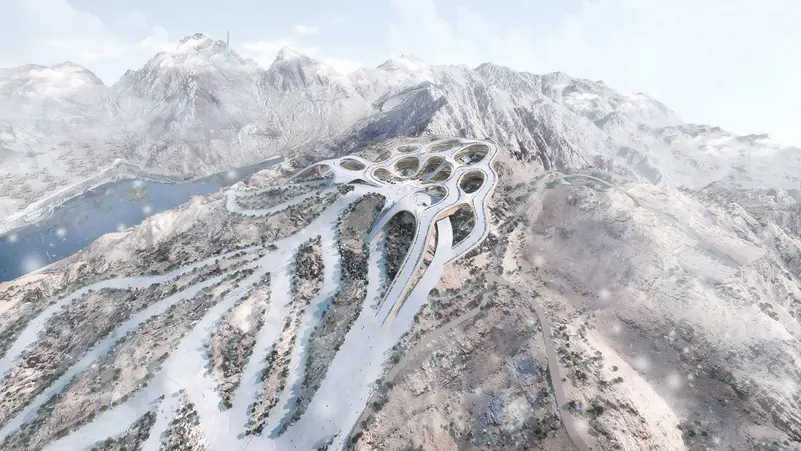
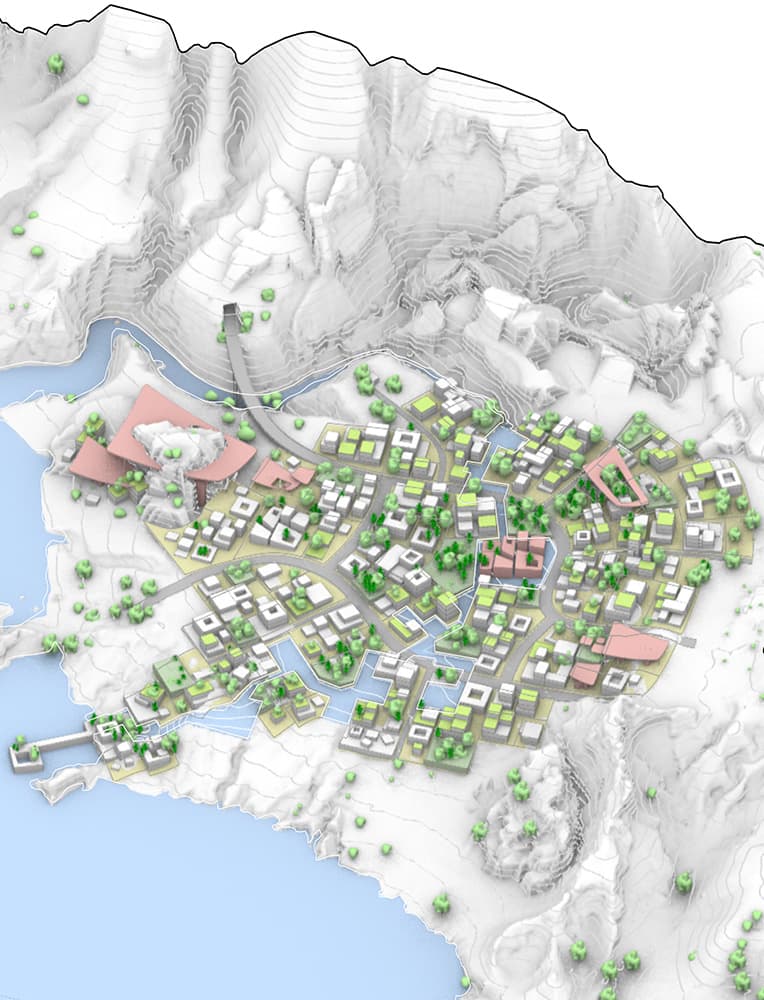
As Senior Design Manager and Associate at Dar, he leads interdisciplinary teams on some of the Middle East’s most ambitious projects, including NEOM’s Trojena Ski Resort. Serving as assistant master planner and landscape lead, he contributes to designing this 19-billion-dollar mountain destinatio,n which is the world’s first vertical ski village created for year-round adventure.
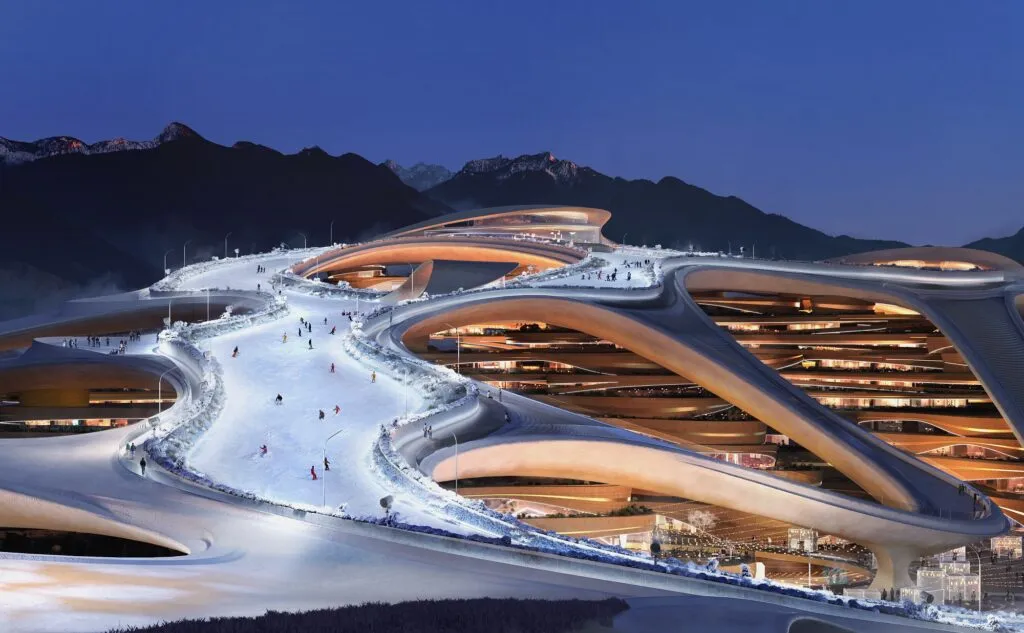
It incorporates luxury apartments, hotels and retail into a vertically integrated complex complemented by cooling water elements, self-shading structures and sustainable materials aiming to achieve LEED Gold certification.
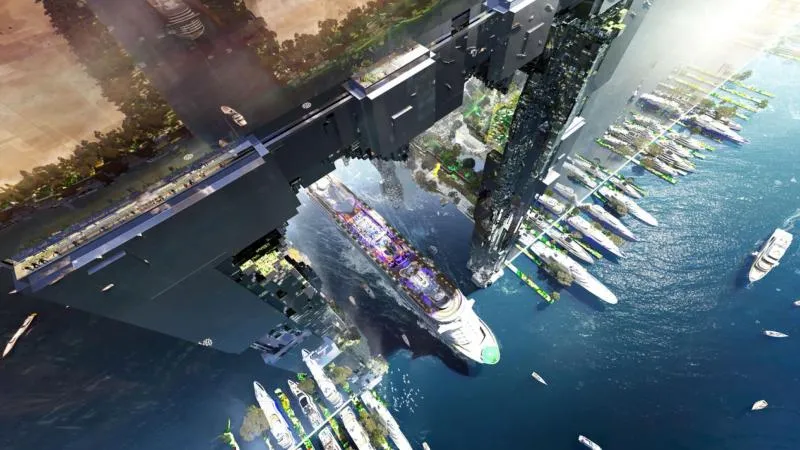
He also leads maritime consultation for The Line’s Hidden Marina, the first phase of the 170-kilometer city stretching from the mountains to the Red Sea. It’s powered entirely by renewable energy and designed to preserve 95% of the surrounding nature. His work on these combines architecture, landscape design and urban infrastructure to provide scalable solutions.
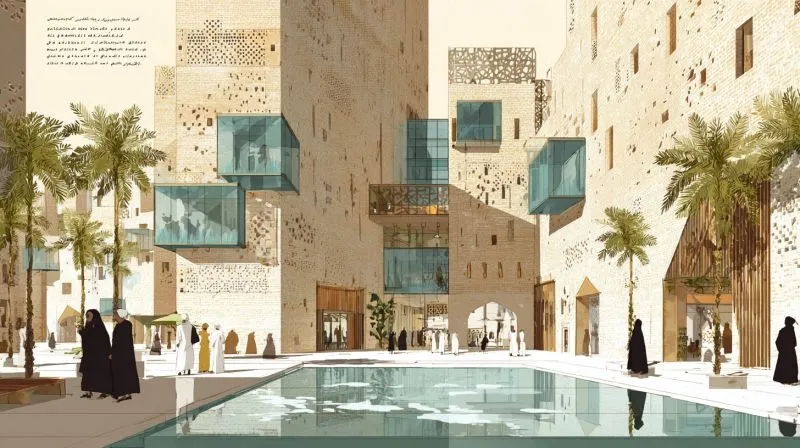
Alongside his professional work, he runs Studio Fendi Architects, a platform exploring AI-driven design, smart cities and sustainability while inspiring a community of architects, designers and tech enthusiasts.
Mohamed Fendi's Design Philosophy and Workflow
His design philosophy focuses on combining artistic vision and technological mastery. Fendi integrates artificial intelligence throughout the design workflow right from idea development to delivery execution. For him, AI acts as a creative collaborator supporting human creativity, analysis and decision-making without replacing the architect's intuition.
His expertise as a practitioner and educator explores how data-driven design techniques like parametric thinking, BIM management and digital workflows help build adaptive and human-centered environments. He also considers environmental conditions and material properties to deliver precise, flexible and innovative outcomes at the early stage of the workflow.
Traditional Values meet the Futuristic Technology
Fendi architecture works truly capture the spirit of ambition and ancestry, thereby balancing the past and the future. His independent works, though separate from his professional practice, such as Heritage in the Future Tense, Weaving Jeddah's Facades as a Living Tapestry, and Vertical Oases, highlight contemporary interpretations that meet futuristic technology.
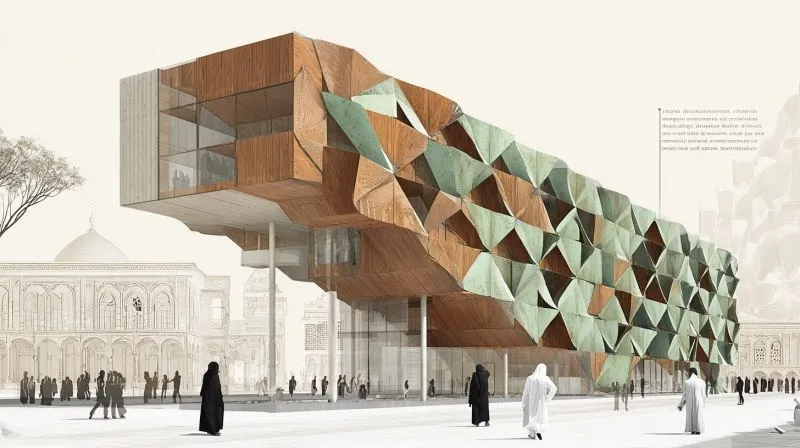
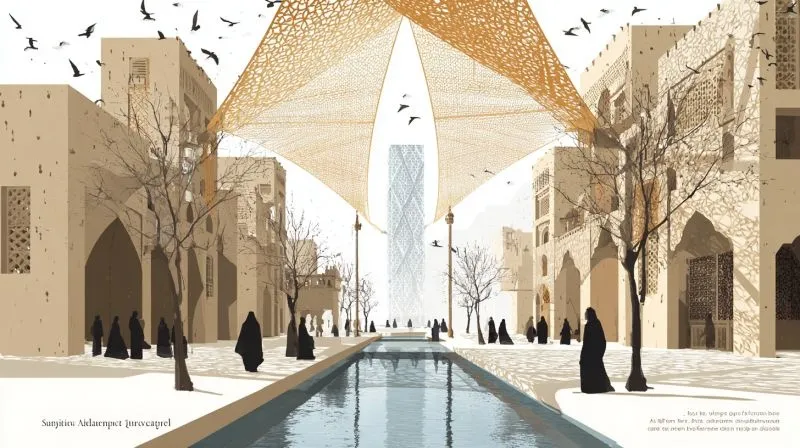
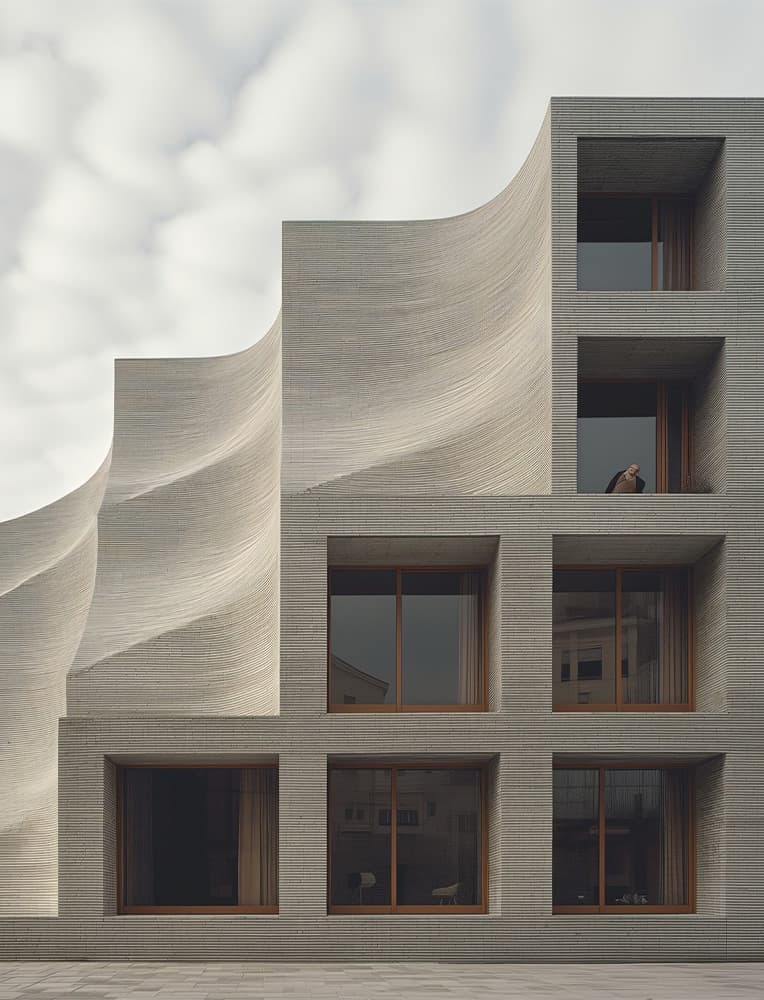
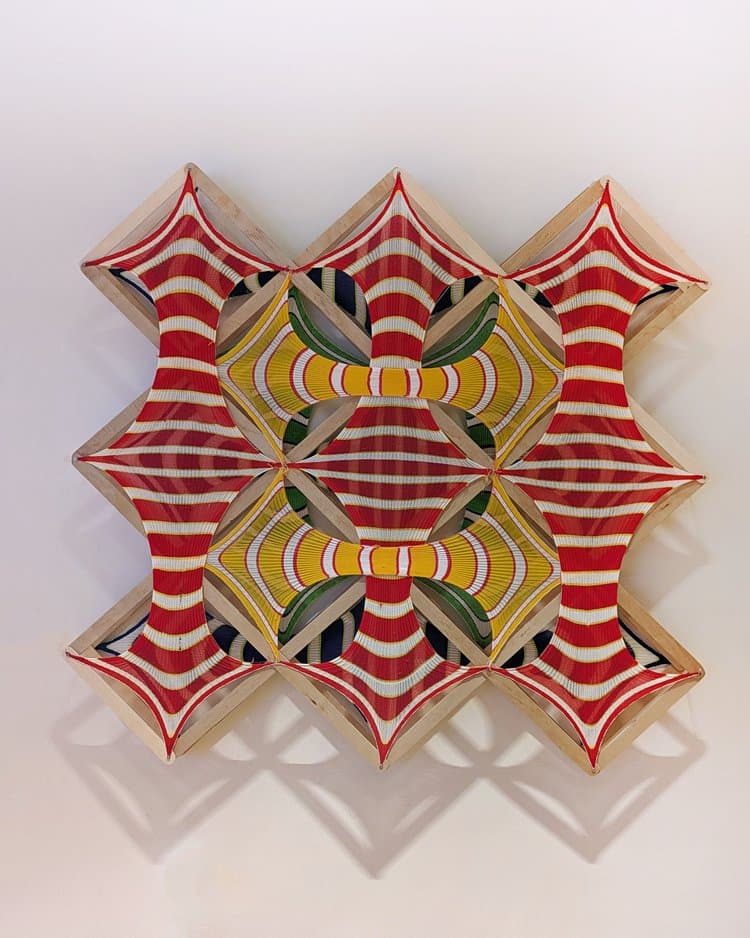
For example, in Heritage in the Future Tense, he envisions a tower with a diamond-patterned skyscraper that combines Islamic ornamentation and parametric glass. While Weaving Jeddah's Facades captures the city's rhythm with tiered roshans and woven geometries that lighten near the coast transforming the urban environment into a living tapestry.
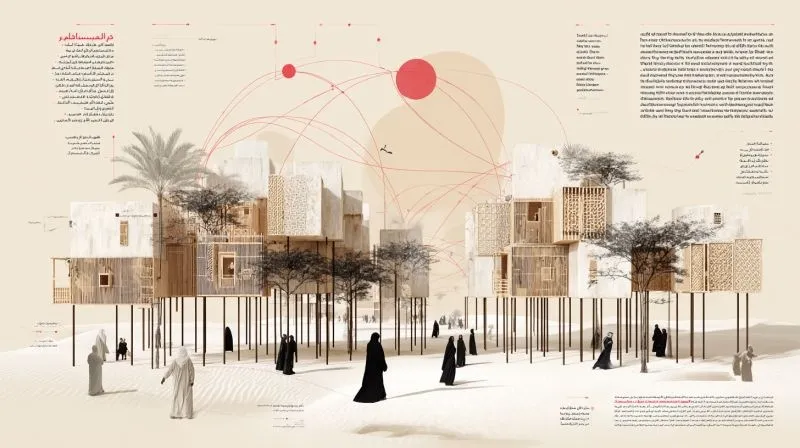
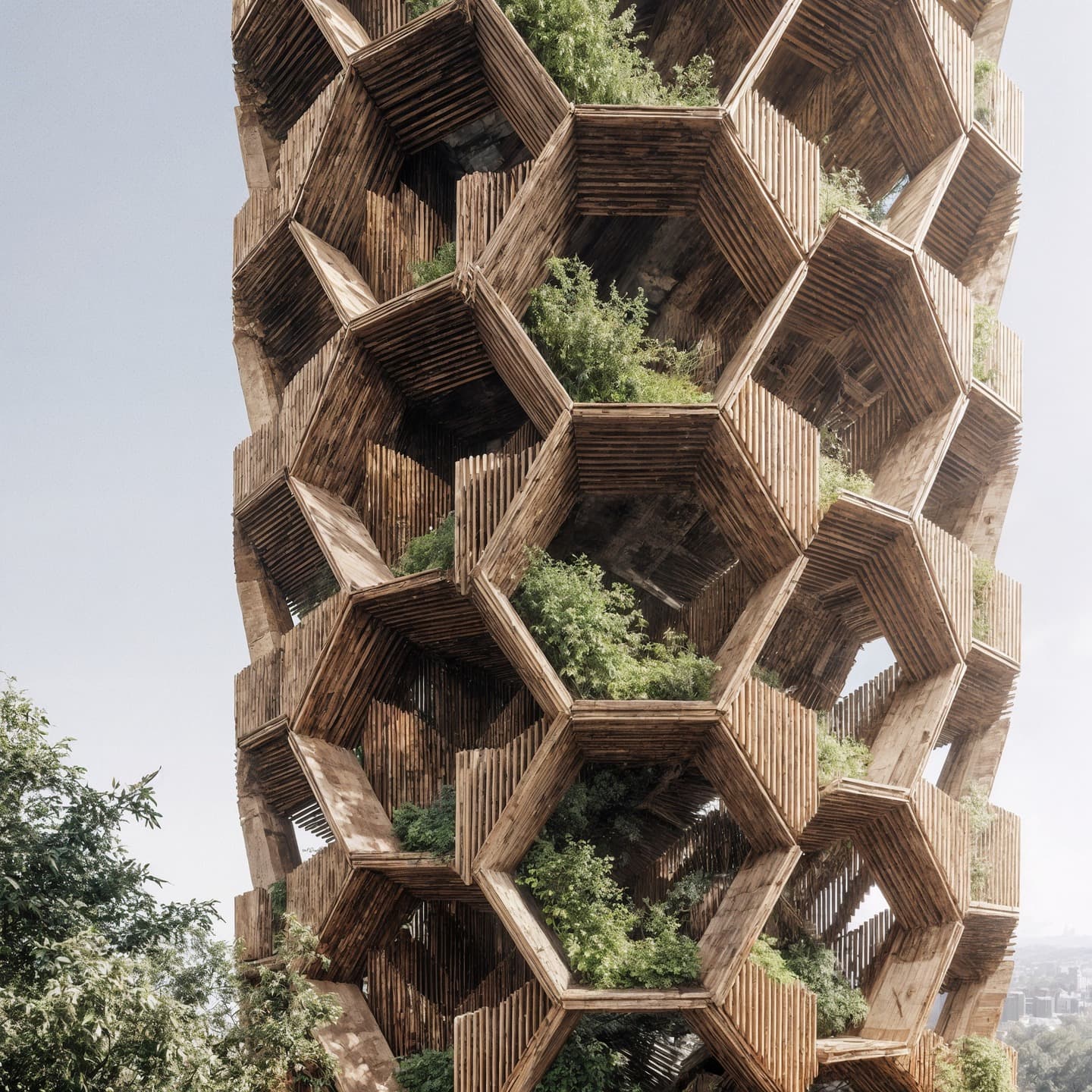
Similarly, in Vertical Oases, elevated settlements reinvent coastal villages thereby creating a link between sea and desert with coral-textured towers and kinetic canopies that respond to light and wind. Throughout these analyses, Fendi's design language shows that cultural elements and digital innovation can coexist effortlessly.
Notable Projects and Career Highlights
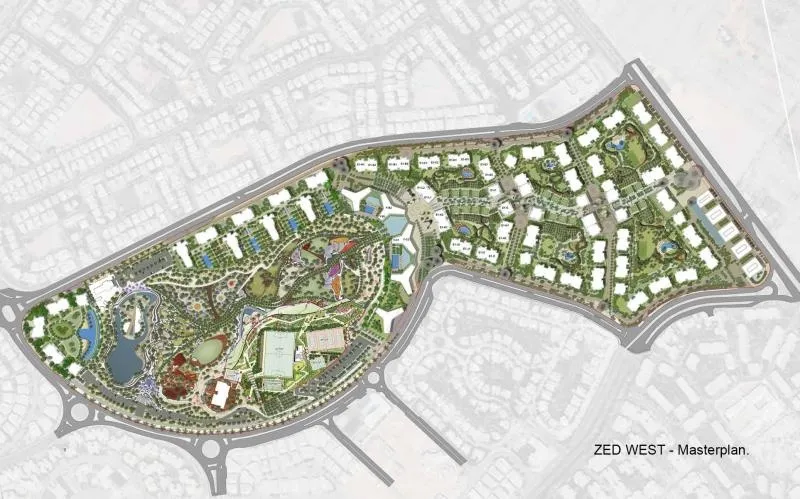
Previously, as Senior Design Manager at Ora Developers, Fendi oversaw the development of ZED West in Cairo, a major mixed-use building that included luxury homes, retail, and hotel space. His supervision ensured design excellence, sustainability and interdisciplinary collaboration.
During his decade-long experience at Dar Al-Handasah, he worked on projects such as Jabal Omar Development, Ibn Battuta Mall, Dubai International Airport Expansion, Jeddah's Mataf Extension and Third Saudi Extension Mosque. Their entire team successfully increased pilgrimage capacity while honoring architectural heritage.
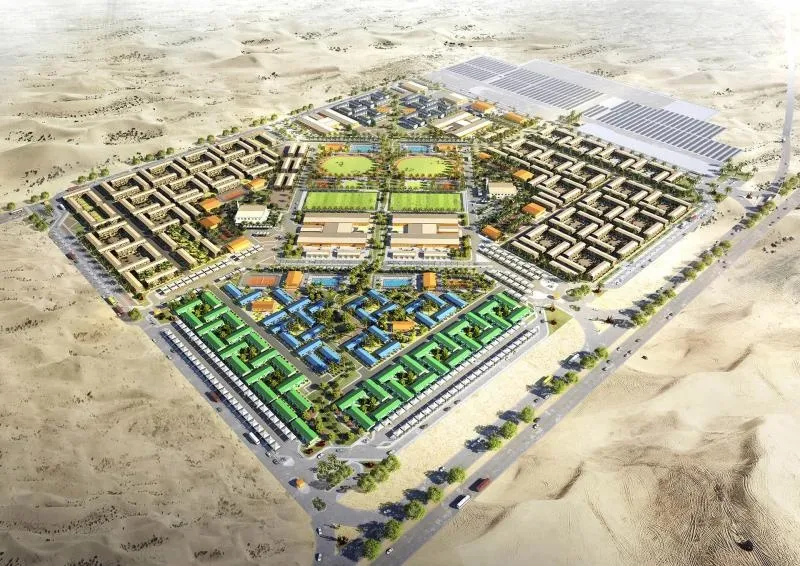
With over two decades of expertise, Fendi’s career trajectory showcases considerable worldwide experience managing transformative projects in the Middle East and North Africa, along with winning several architectural competitions. His experience helps in heritage preservation and sustainable urban planning to improve livability, accessibility, and quality of life in large-scale developments.
Designing Tech-Driven Urban Design Projects
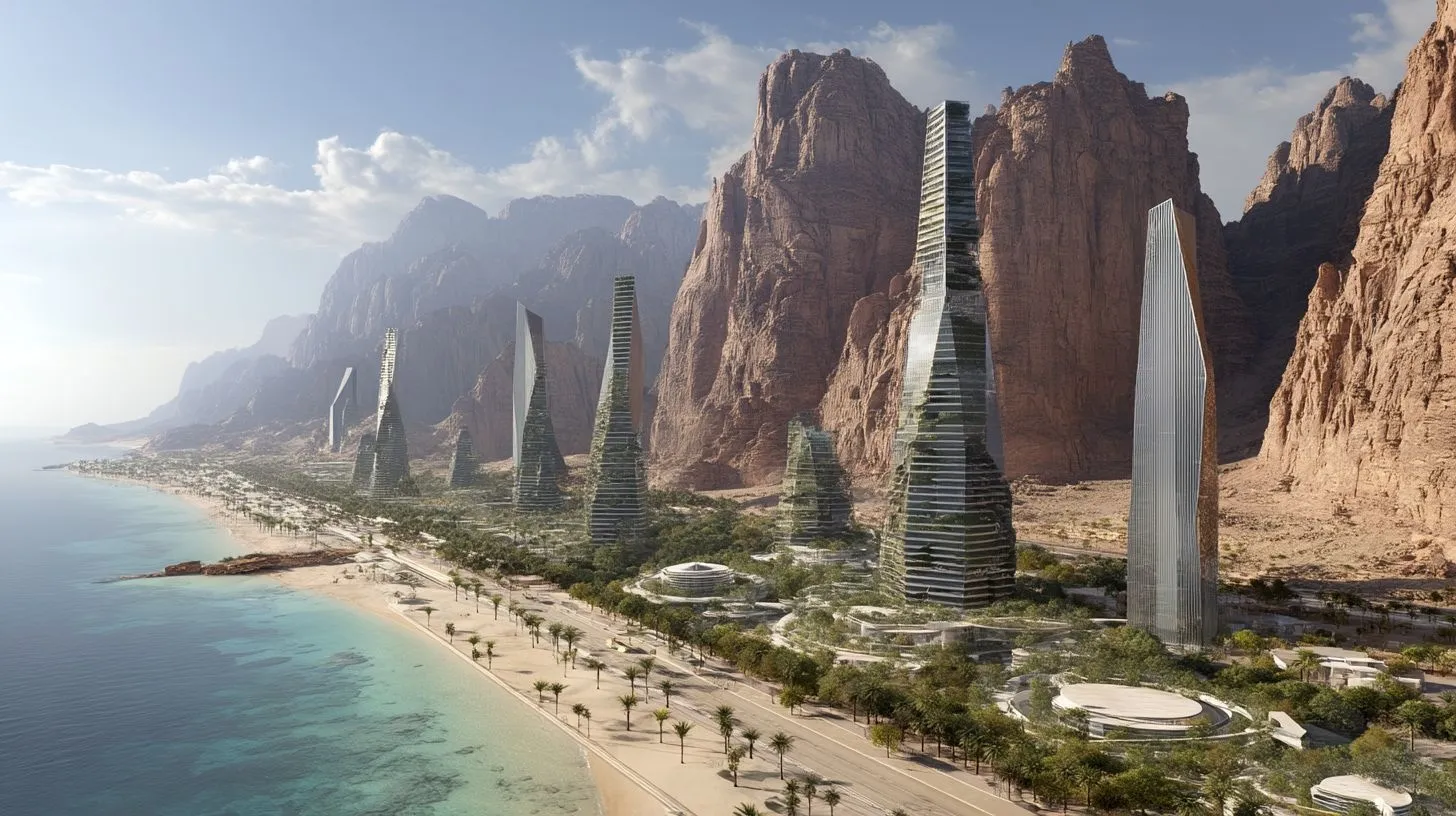
Fendi's master's degree focus on AI-Driven Smart Cities has informed his approach to future-ready urbanism. At Dar, he leads city-scale projects for holistic experiences that align with Vision 2030. His expertise in Transit-Oriented Development (TOD), Right-of-Way (ROW) management, and GIS-based mobility enables him to see cities as smart ecosystems.
This expertise allowed him to lead NEOM's projects with a focus on urban morphology standards, landscape integration, and interface coordination. Similarly, at Jeddah Central Development, he prioritizes cultural preservation while increasing livability and sustainability.
Promoting Digital Literacy in Architecture
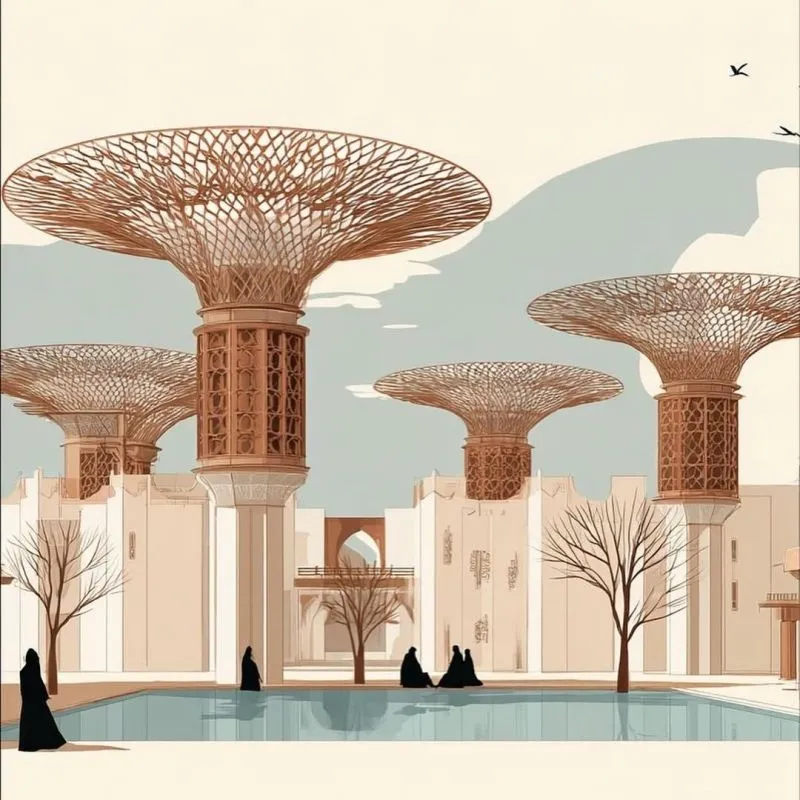
Fendi shares his professional views through seminars and academic programs aimed toward preparing architects for an AI-integrated future. His teaching integrates parametric design, BIM, and sustainability with cutting-edge AI technologies such as Midjourney, ComfyUI, and Nano Banana.
He highlights the importance of digital literacy for architectural innovation. This experimental approach earned him the CivX Smart Cities Challenge award, recognizing his pioneering work in exploring AI as a creative partner in design.
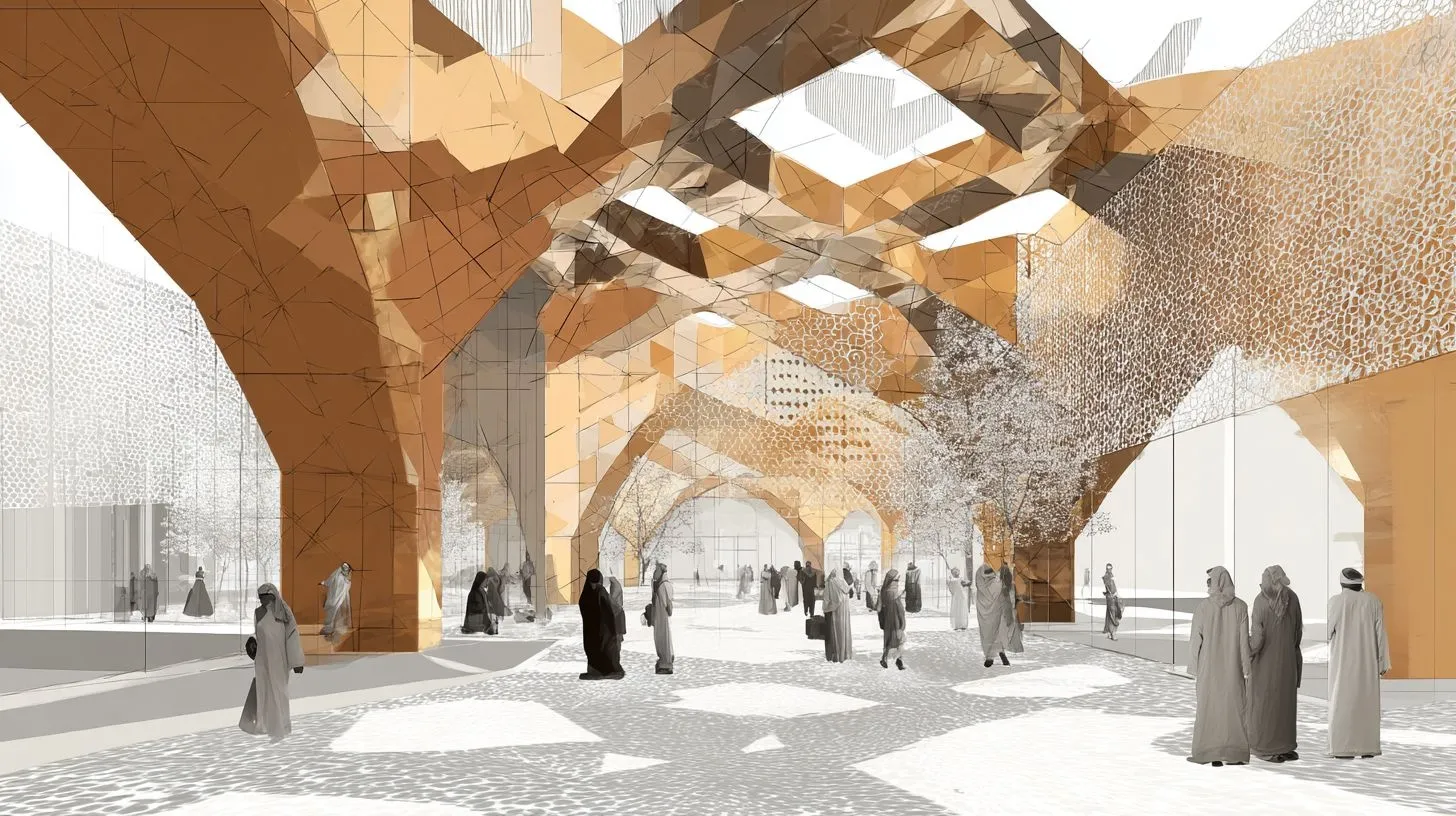
On November 22, 2025, Fendi led a PAACADEMY workshop titled AI-Powered Design Ideation, exploring hands-on AI workflows that bridged sketching, prompting, and 3D modeling. The session focused on translating AI-generated imagery into architectural thinking through hybrid techniques, material exploration, and layered stylistic approaches, offering a grounded framework for experimenting with form and cultural expression. The workshop remains accessible for those interested in revisiting the methods and ideas discussed.


.jpg&w=3840&q=75)


.webp&w=3840&q=75)
