BLACKFRIDAY2025
BLACKFRIDAY2025
50% OFF for Pro Members, 35% OFF for everyone on all previous courses
Code: BLACKFRIDAY2025
BLACKFRIDAY2025

Advanced Grasshopper 3.0: NURBS, Mesh & Volumetric Design Systems

This workshop explores advanced Grasshopper workflows using parametric logic, data control, and hybrid modeling to create complex, performance-driven geometry.

50 Seats
Feb 21, 22, 2026
14:00 - 18:00 GMT
Saturday - Sunday
Lessons in Progress
Intermediate
8 Hours
Certificate — Learn
English
Unlimited Access
€100.00
€85.00
In nature, complex forms emerge not through direct design, but through simple rules repeated over time. Branches grow toward light, cells divide and differentiate, and networks optimize for efficiency. This workshop introduces you to a procedural workflow where computational rules generate intricate geometries that would be impossible to model manually.

This workshop explores different computational design methods by examining three modeling paradigms—NURBS, mesh, and volumetric modeling—within the Grasshopper environment. The workshop presents a toolkit of strategies, allowing you to select the most appropriate method for each specific challenge.

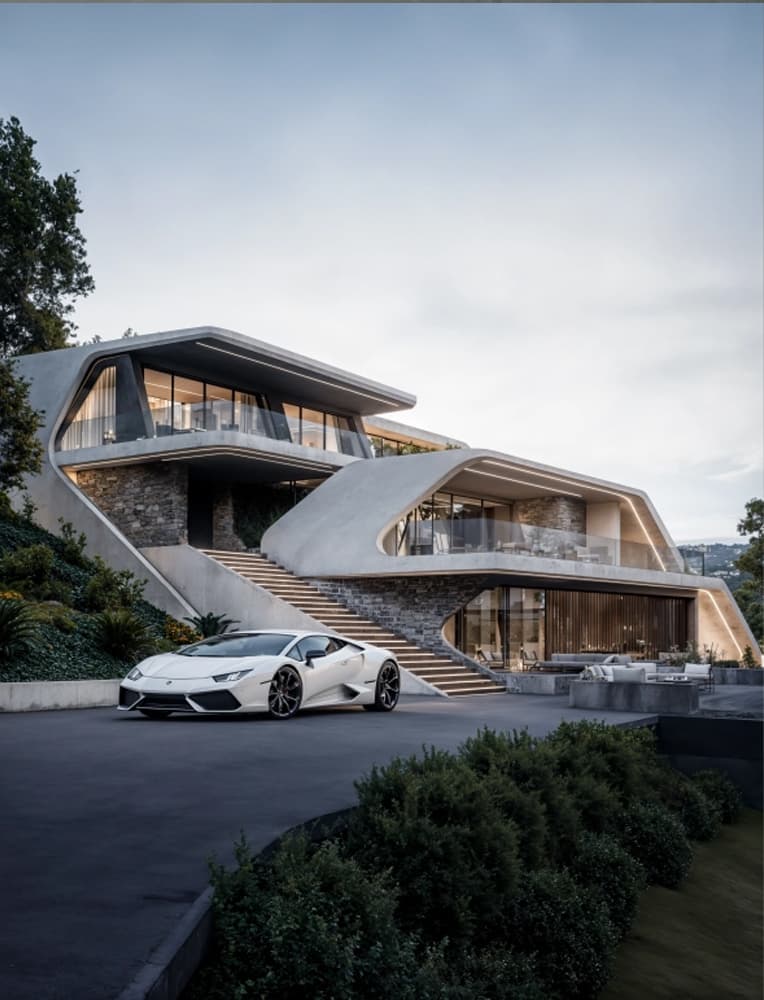
Some exercises will focus on a single paradigm, while others will demonstrate the power of hybrid workflows that transition between multiple geometric representations. As digital fabrication and generative design continue to reshape architecture and product design, the ability to choose and combine different geometric methods has become essential.

Participants will move beyond basic parametric modeling to explore how specialized Grasshopper plugins unlock new possibilities for creating geometries that would be impractical through traditional modeling methods.

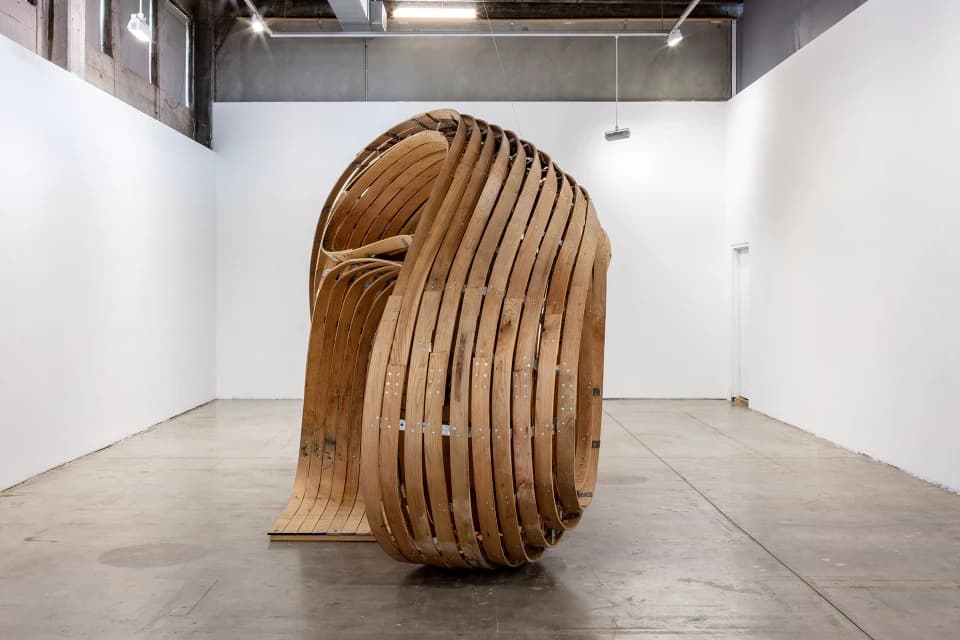
The workshop emphasizes strategic thinking: understanding when to use NURBS for precision and continuity, meshes for subdivision and topology control, and volumetric methods for implicit surfaces and performance-driven forms.

Through varied examples—from lattice structures to subdivision surfaces, from paneled facades to morphological transformations, you'll build a fundamental understanding of how each approach serves different design intentions.

By the end ofIn In this workshop, participants will possess both the technical skills and conceptual framework to approach complex geometric problems strategically, selecting and combining the right tools for each unique design challenge.
Work with NURBS, mesh, and volumetric modeling paradigms
Choose modeling methods strategically based on design intent
Build hybrid Grasshopper workflows across geometry types
Generate form through procedural and rule-based systems
Use advanced plugins for implicit and voxel-based modeling
Convert and optimize geometry for fabrication-ready output
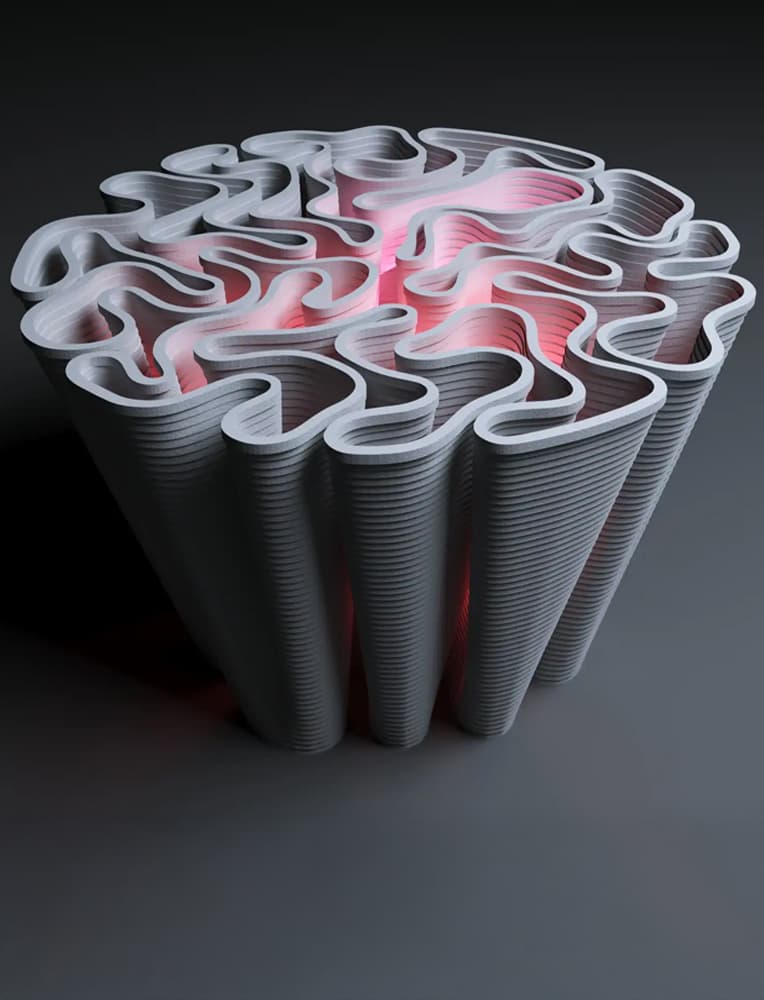
This workshop is structured around exploring three modeling principles through examples that reveal their unique capabilities and applications. Participants exploring tools like Pufferfish and Lunchbox for controlled curvature and pattern-driven forms, the mesh modeling introduces subdivision surfaces, physics-based form-finding, and topology optimization using Weaverbird, Mesh+, and Kangaroo for organic structures.

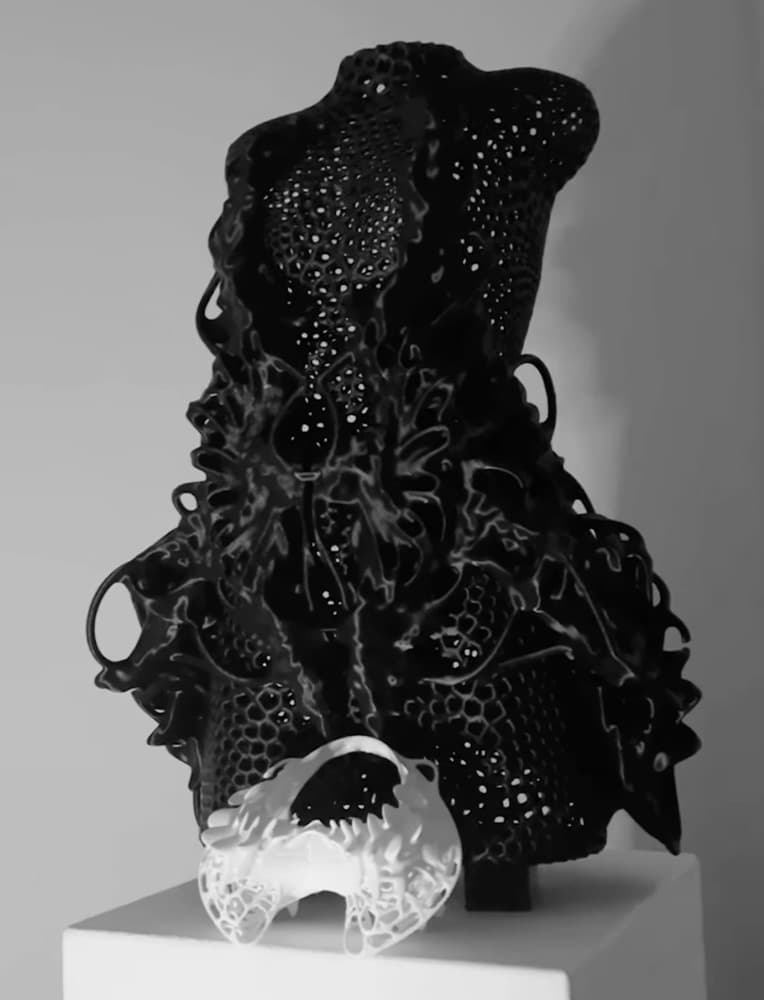
The core focus emphasizes volumetric and implicit modeling through voxel-based design and signed distance field operations, where participants will create complex lattice structures, gradient density systems, bio-inspired cellular patterns, agent-based growth simulations, and performance-optimized forms using Dendro, Crystallon, Monolith, and Physarealm—generating geometries that would be extremely difficult with surface or mesh-based methods alone.

Hybrid workflows demonstrate the advantage of Grasshopper to fluidly combine multiple paradigms to address geometric conversion challenges and data management when transitioning between NURBS control surfaces, volumetric operations, and output mesh.

Each session includes theoretical foundations, live demonstrations, and hands-on exercises progressing from guided tutorials to open-ended design challenges, building both technical proficiency and strategic decision-making skills.

Each session will cover complete design examples that demonstrate how multiple design and modeling strategies work together within unified scripts to achieve specific geometric outcomes.

Rather than teaching tools in isolation, participants will build integrated definitions that combine native Grasshopper components with specialized plugins—learning how data flows between NURBS operations, mesh manipulations, and volumetric processes within a single workflow.

This workshop will live-code each example from start to finish, explaining strategic decisions about when to introduce specific plugins, how to manage data structures across different geometric types, and troubleshooting common integration challenges.

This method will help Participants develop intuition for how different tools complement each other. Through this process-oriented methodology, you'll understand not just individual plugin capabilities, but how to orchestrate them strategically—transitioning from NURBS surface generation to volumetric models, or from mesh subdivision to topology manipulation, all within parametric definitions.

Each session builds toward increasingly complex integrations, with collaborative reviews allowing participants to compare approaches and discover alternative component combinations for wider design challenges.


Instructors:

Biography
Amir Hossein is a Ph.D. student in Architecture at Pennsylvania State University, specializing in Design Computing. His research focuses on computational design methods and digital fabrication, particularly in the area of additive manufacturing of concrete structures. This work aims to enhance automation in construction and promote sustainable architectural practices, reflecting his commitment to innovation in the field. Before pursuing his doctoral studies at Penn State, Amir gained six years of experience as an architectural and computational designer in Iran. During this time, he worked on various projects involving design optimization, complex 3D modeling, and computational workflows. This professional background has provided him with a strong understanding of how parametric design tools like Grasshopper can be effectively applied in real-world architectural practices. In addition to his research and practical experience, Amir has been teaching computational design software, including Grasshopper and its ecosystem of plugins, for several years. Through workshops and educational initiatives, he aims to share his knowledge and expertise, helping participants unlock the full potential of Grasshopper in their design practices and research projects.
No reviews yet.

No comments found.