




Instructor
Dimitar Pouchnikov
5.0instructor rating3courses
We will examine what makes Blender unique among 3D apps and how this uniqueness makes it perhaps the best tool for architectural design.
We value your privacy.
We use strictly-necessary cookies to keep you signed in and the service operational, and analytics cookies to understand how the site is used. With your consent, we also use preference and marketing cookies. You can change your choice anytime; see our Cookie Policy or Privacy Policy.
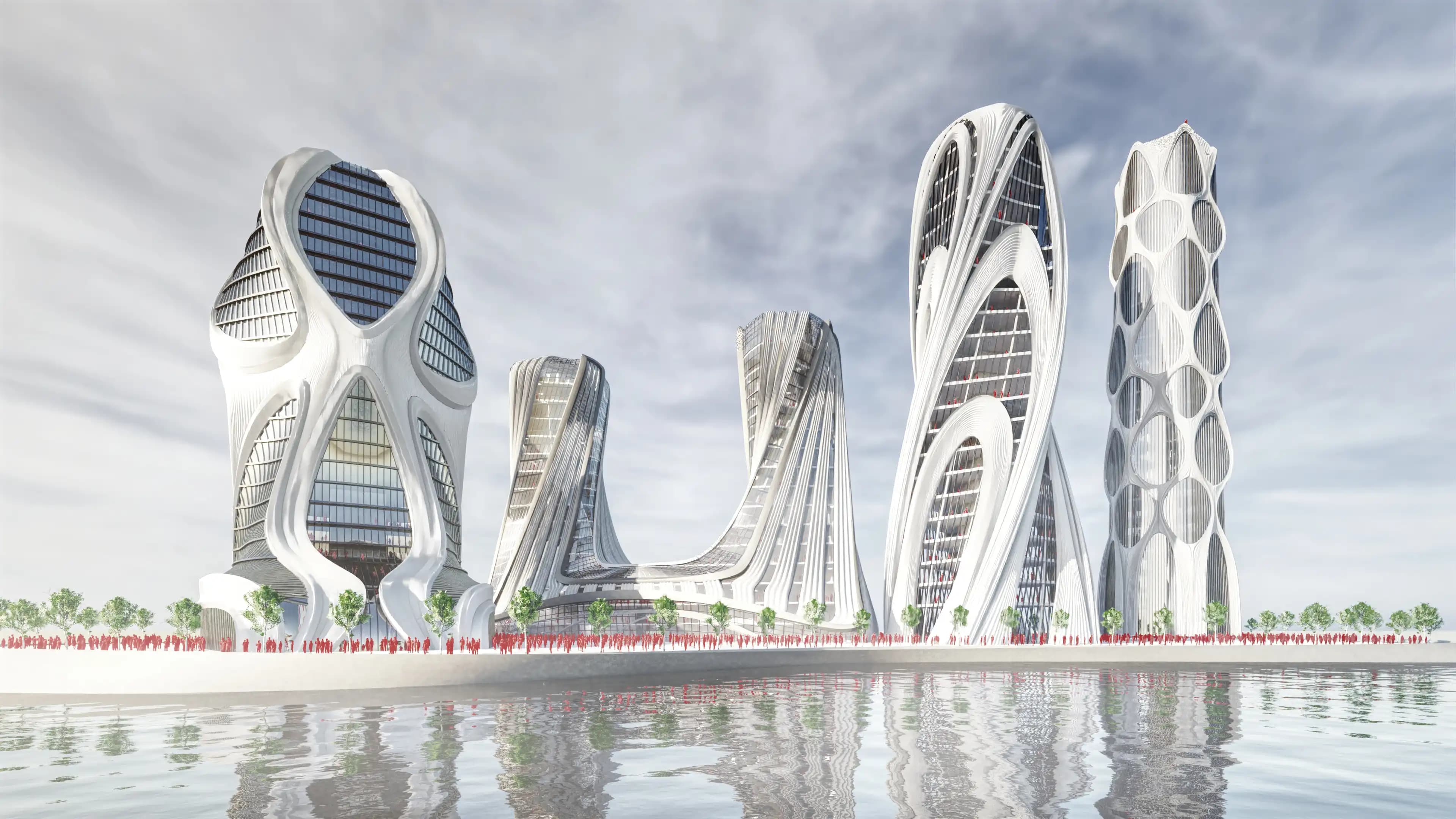
We will examine what makes Blender unique among 3D apps and how this uniqueness makes it perhaps the best tool for architectural design.
Instructor
In a field overflowing with various different applications used for architectural concept design, Blender significantly stands out as a program that is; highly capable of extensive modelling tools including subdivision, widely accessible as it’s free and open source, inherently parametric, highly expandable as it has excellent add-ons like Tissue for tessellation and many others, and it’s equally excellent for presentation with Cycles rendering engine and Eevee.
Master polygonal and subdivision modeling techniques to create complex architectural forms.
Utilize non-destructive techniques with modifiers for flexible design iterations.
Explore tessellation methods using the Tissue add-on for innovative surface designs.
Develop skills in architectural representation and visualization using Blender's rendering engines.
Work on practical exercises that progress from simple pavilions to more complex structures like office buildings.
How the 2 days are spent, session by session.
Saturday · Feb 25, 2023
Sunday · Feb 26, 2023
The workshop will focus on specific workflows for architectural design modeling that encompass the topics of; Polygonal modeling, Subdivision modeling, Non-destructive techniques with modifiers, Tessellations with the Tissue addon, and Representation. In order to achieve this, we will use a number of exercises to build up your Blender skillset, starting from simple pavilion and concluding with an office building.
Blender has excellent capabilities for architectural design and we will focus on how fast and easy it is to investigate design concepts with the program. We will look at what makes Blender unique among 3d apps and how this uniqueness makes it perhaps the best tool for architectural and computational design available today.
Instructor
We will examine what makes Blender unique among 3D apps and how this uniqueness makes it perhaps the best tool for architectural design.
From Prompting to Spatial Directorship
This was one of the most immediately useful AI visualization workshops I have taken. Pouya’s workflow made a clear distinction between simply generating attractive images and actually directing AI with architectural intent. The strongest takeaway for me was the idea of spatial directorship: controlling camera, composition, materials, lighting, atmosphere, and design fidelity through a structured workflow rather than relying on unpredictable outputs. The progression from raw 3D views and sketches to refined hero images and cinematic sequences felt practical and transferable. For my AutoTroph work, this is especially valuable because it adds a much stronger communication layer to computational research. It gives me a way to translate complex generative ideas into images and motion without losing the architectural logic behind them.
 Walter Patrick SmithArchitecture in Motion: AI Cinematic Workflows
I loved it! it was amazing!!
I never thought this course could help me so much! Naomi, you explain everything in such an incredible way: So clearly, patiently, and calmly :) For personal reasons, I wasn’t able to attend the course live, but I was able to watch all the videos at my own pace and practice a lot along the way. You make everything so easy to understand, no matter your level. I’ve achieved incredible results, and I’m so happy with everything I’ve learned. Thank you so, so much!!
 HeidyInterior Architect
Excellent Course for Architectural Competitions
A very useful and well-structured course that clearly explains how to use AI throughout the architectural competition process, from understanding and rethinking the brief to concept development, visualization, presentation boards, and final submission. I learned practical methods that can improve creativity, workflow, storytelling, and the overall quality of competition projects.
Ammar AlmusaeedAI for Architectural Competitions: From Brief to SubmissionComprehensive introduction to Maya modeling for architectural design
The course offered a clear, structured deep dive into Autodesk Maya’s essential modeling tools and workflows. I gained a solid grasp of polygon modeling, edge flow control, and core surface techniques tailored for conceptual form-finding and complex architectural geometry.
 Omkar SawantCyber Villa: Mastering Maya Essentials
 01Spatial Effects with MidjourneyJoshua Vermillion€125.00
 02Midjourney Architecture 3.0Tim Fu€150.00
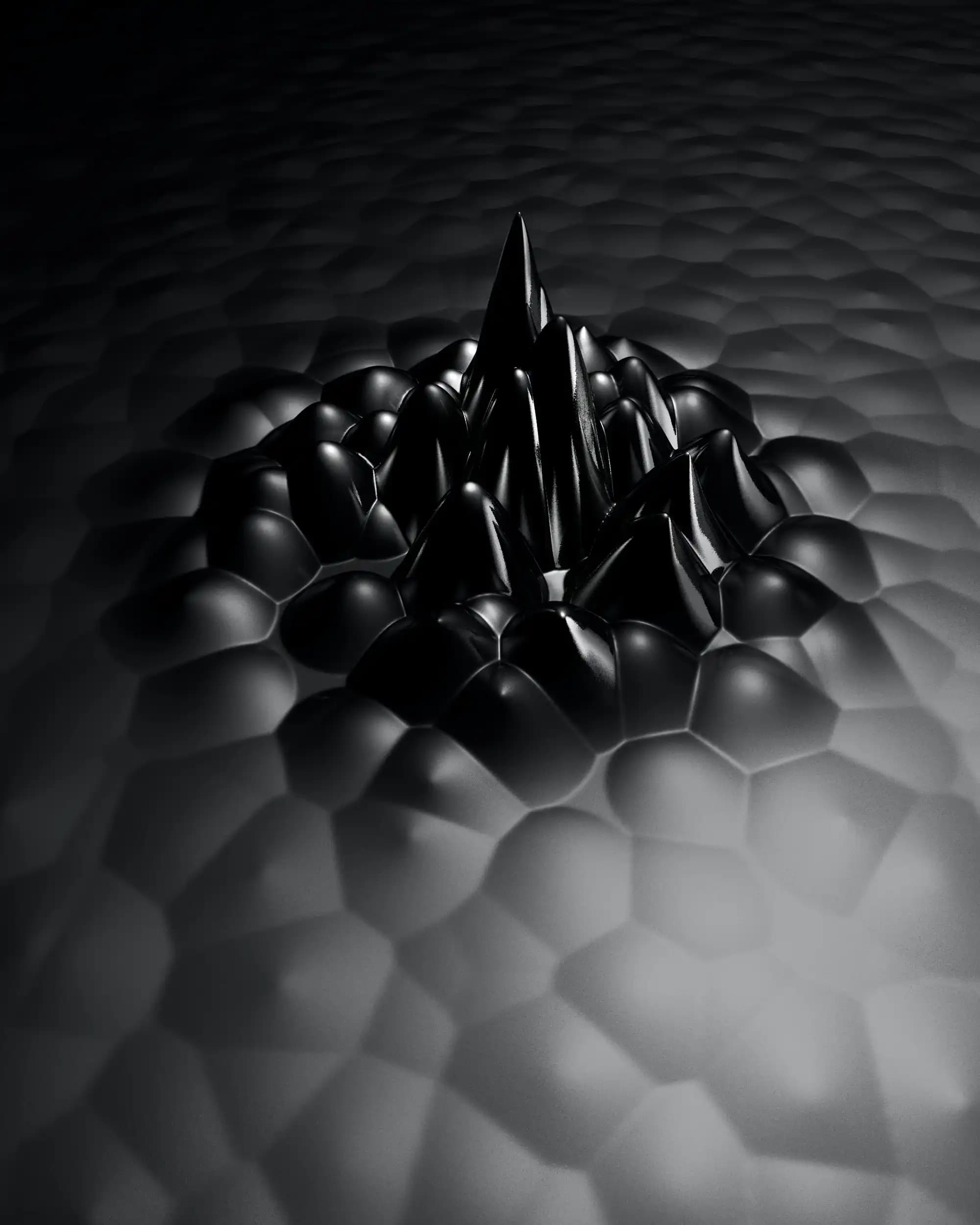 03Rhino For Beginners 1.0Mehmet Berk Bostancı€35.00
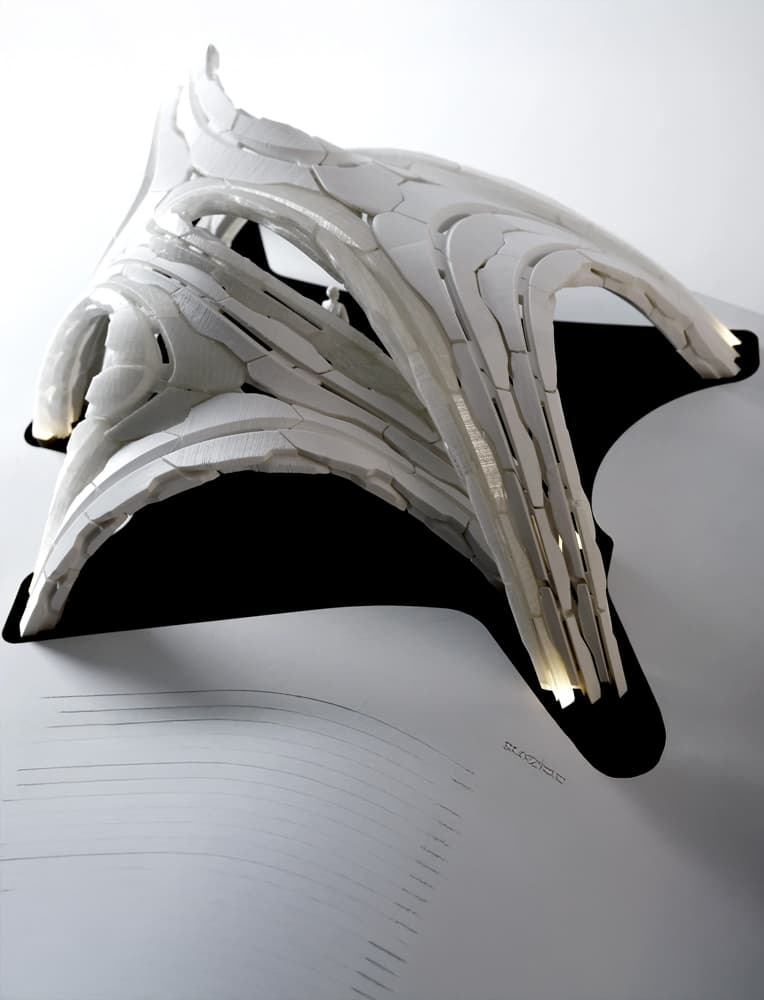 04Topology-Based Modelling With BlenderAlessandro Zomparelli€125.00
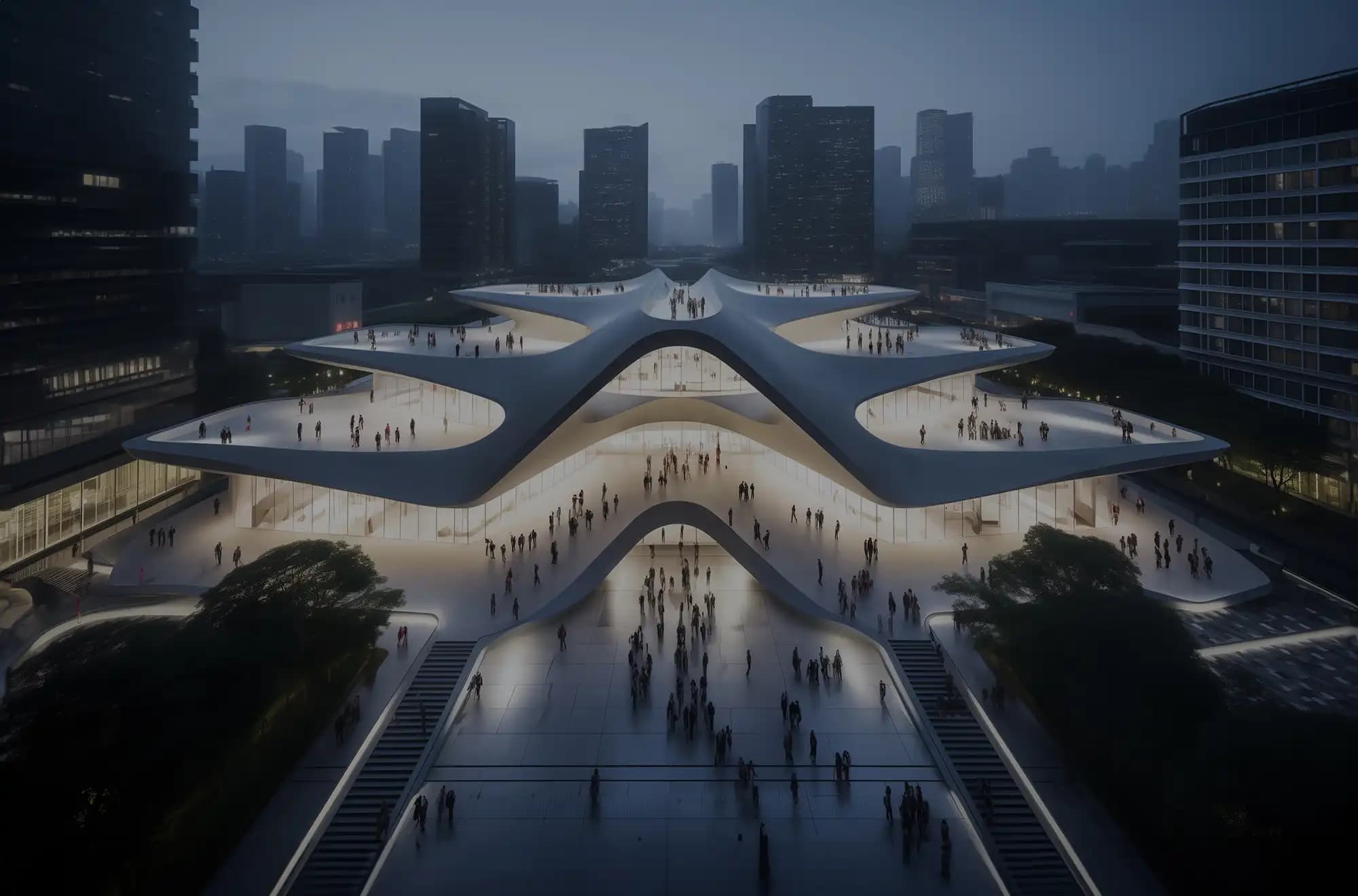 05Parametric IntelligenceTim Fu€300.00
 06Grasshopper For Beginners 2.0Mehmet Berk Bostancı€35.00