PAACADEMY
Sign In
PAACADEMY
BundlesMembershipBusiness
Become ProSign In
Loading

PA.ACADEMY

Online EdTech platform · Est. 2016

Shaping the next generation of designers, architects, and makers through computational tools and immersive education.

Reach out

[email protected]

Platform

CoursesMembershipsBundlesProjectsInstructorsSoftwaresBoardsBlogFree coursesEarnCertificatesReviews

Company

AboutBusinessBecome an InstructorContactFAQSupportChangelogWe're Hiring

© 2026 PAACADEMY. All rights reserved.

Privacy PolicyCookie Policy
Loading bundle
CoursesArchitectural DesignPolyhedral Topologies in Blender
Workshop Feb 10 & 11, 2024 8 Hours 670 views
Add to favorites (5)Buy as gift
Share link

Polyhedral Topologies in Blender

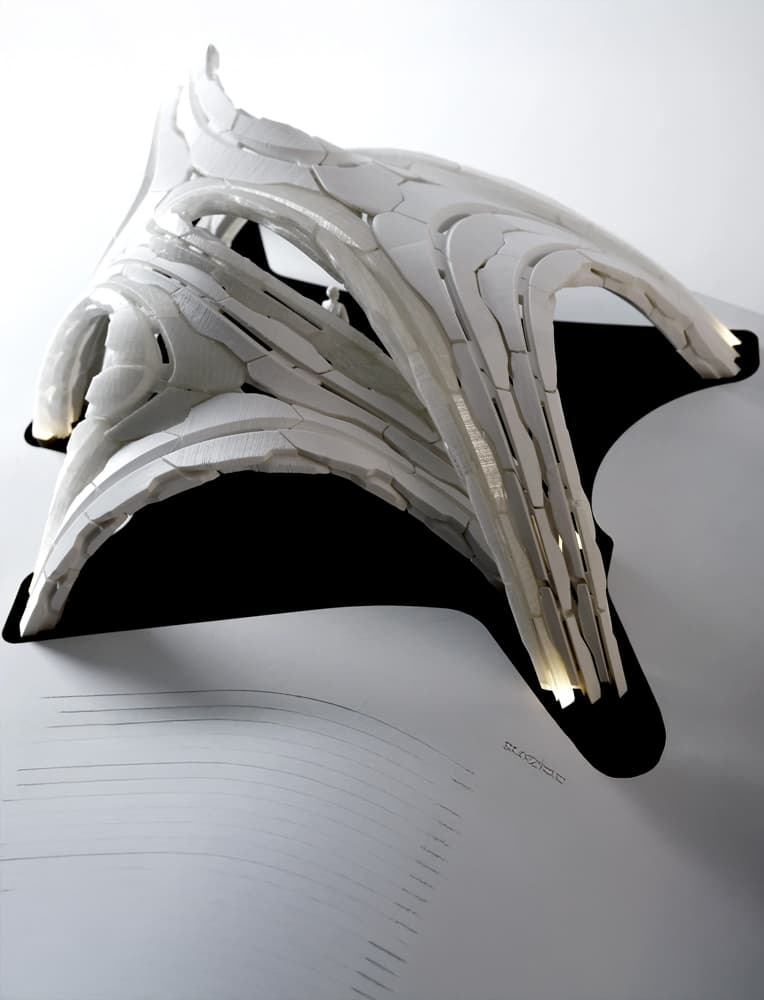
In this workshop, we use Blender, Geometry Nodes and Tissue add-on to combine the flexibility of non-destructive Tissue tools such as Polyhedral Wireframe.

OverviewCourse contentImportant notesGalleryInstructorsReviews
Alessandro Zomparelli
Verified Account

2 courses·5.0

Blender
Tissue add-on
Blender
Tissue add-on
Blender
Tissue add-on

About this workshop

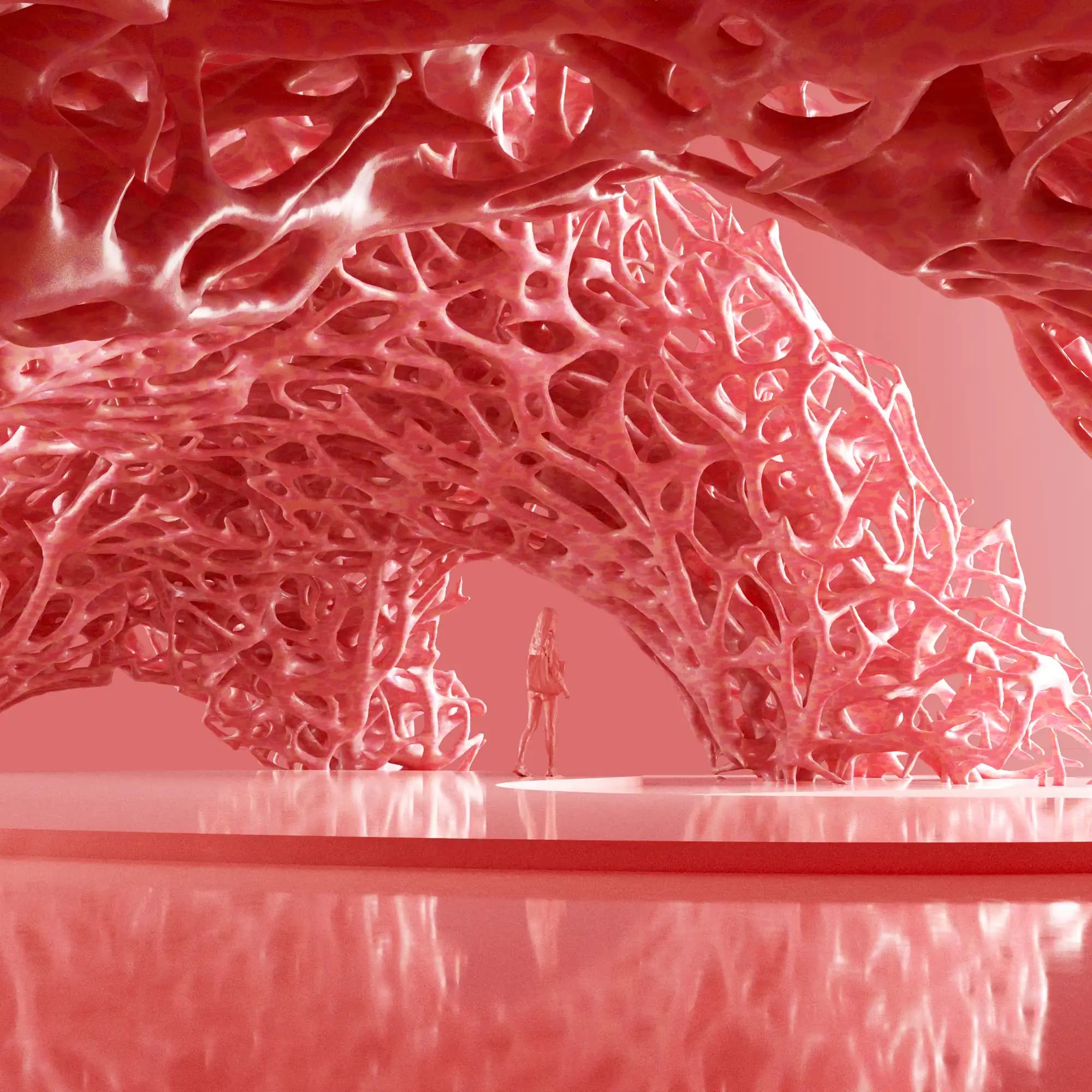
Polyhedral Topologies in Blender using Tissue and Geometry NodesThe structural properties of polyhedral lattices make them a remarkable strategy for both experimental architecture and product design. They allow us to describe a volumetric object through a topological description of internal polyhedra. The polyhedral complex can be produced as a regular grid object, but it can also be deformed and manipulated using Blender’s Geometry Nodes, which allows for some form finding strategies that increase its effectiveness in specific loading conditions. When it comes to generate a polyhedral wireframe structure, the Tissue add-on allows to generate complex geometries while producing a clean topology suitable for digital fabrication workflows or for further procedural modeling, using Tessellation strategies.

What you will learn

  • 01

    Polyhedral Principles: Explore the use of polyhedral lattices in architecture and design.

  • 02

    Geometry Nodes: Utilize Blender’s Geometry Nodes for form-finding and geometry manipulation.

  • 03

    Tissue Add-on: Create complex geometries while ensuring clean topology for fabrication.

  • 04

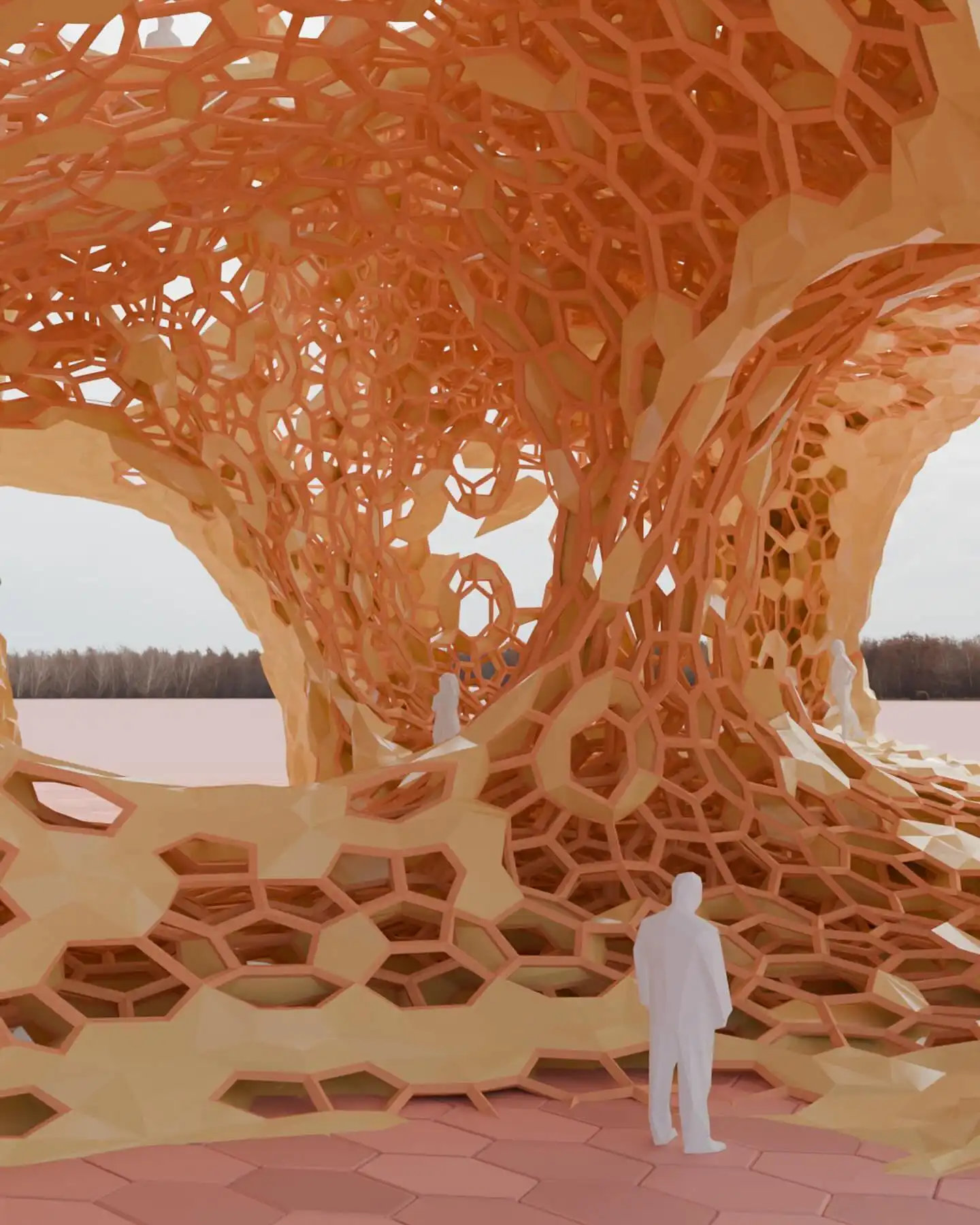
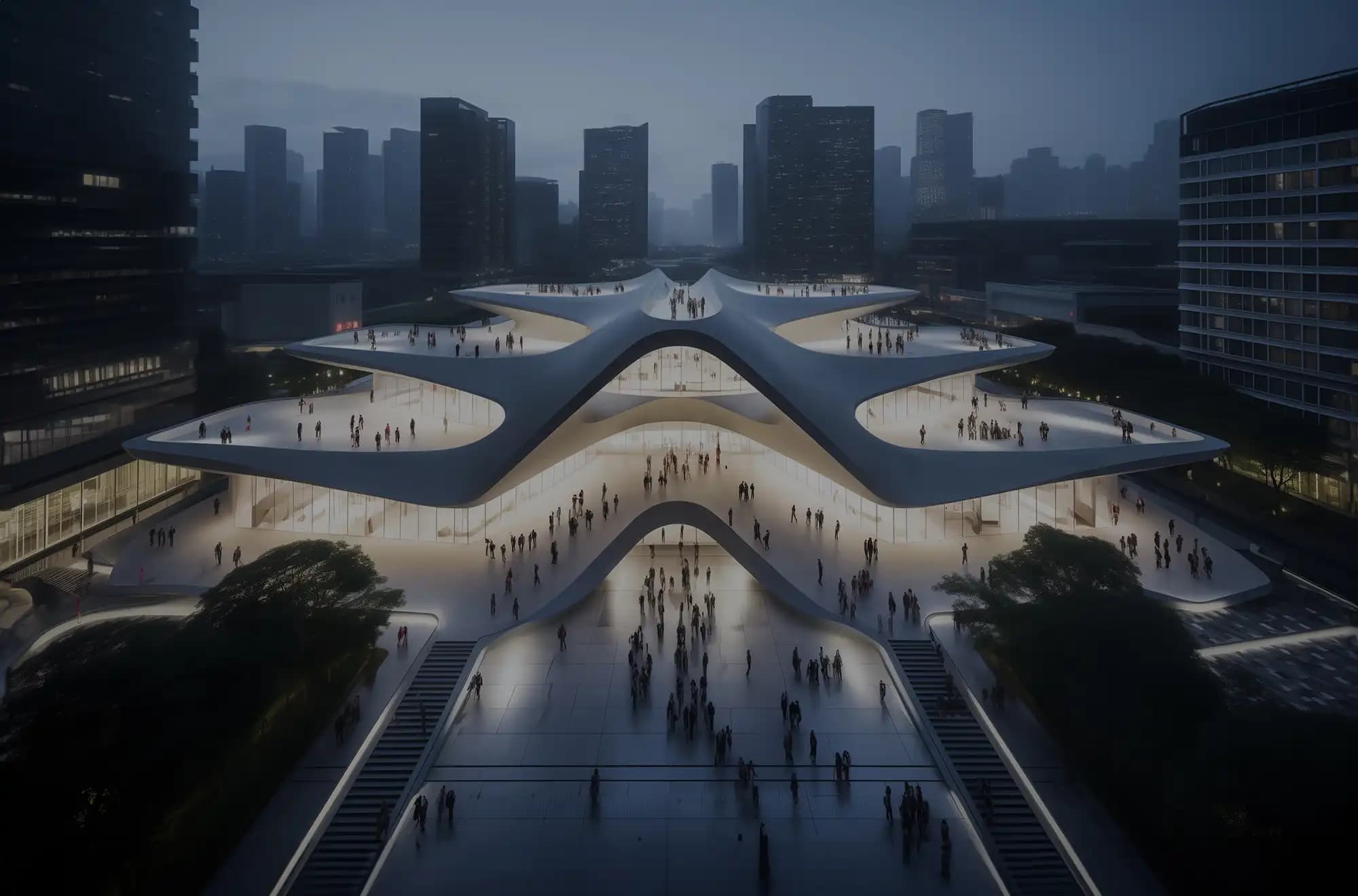
    Hands-On Modeling: Model an architectural pavilion with a focus on structure and surface.

  • 05

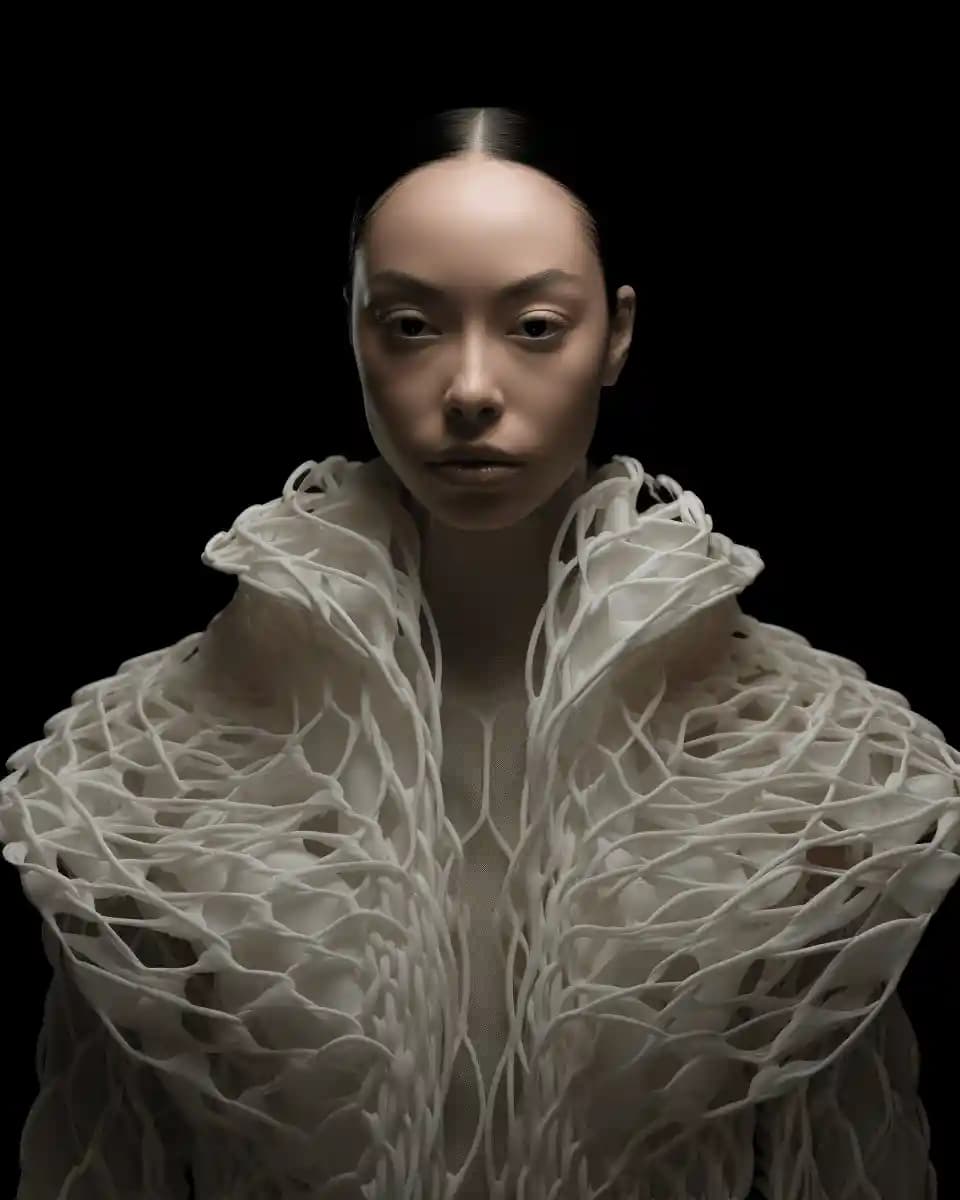
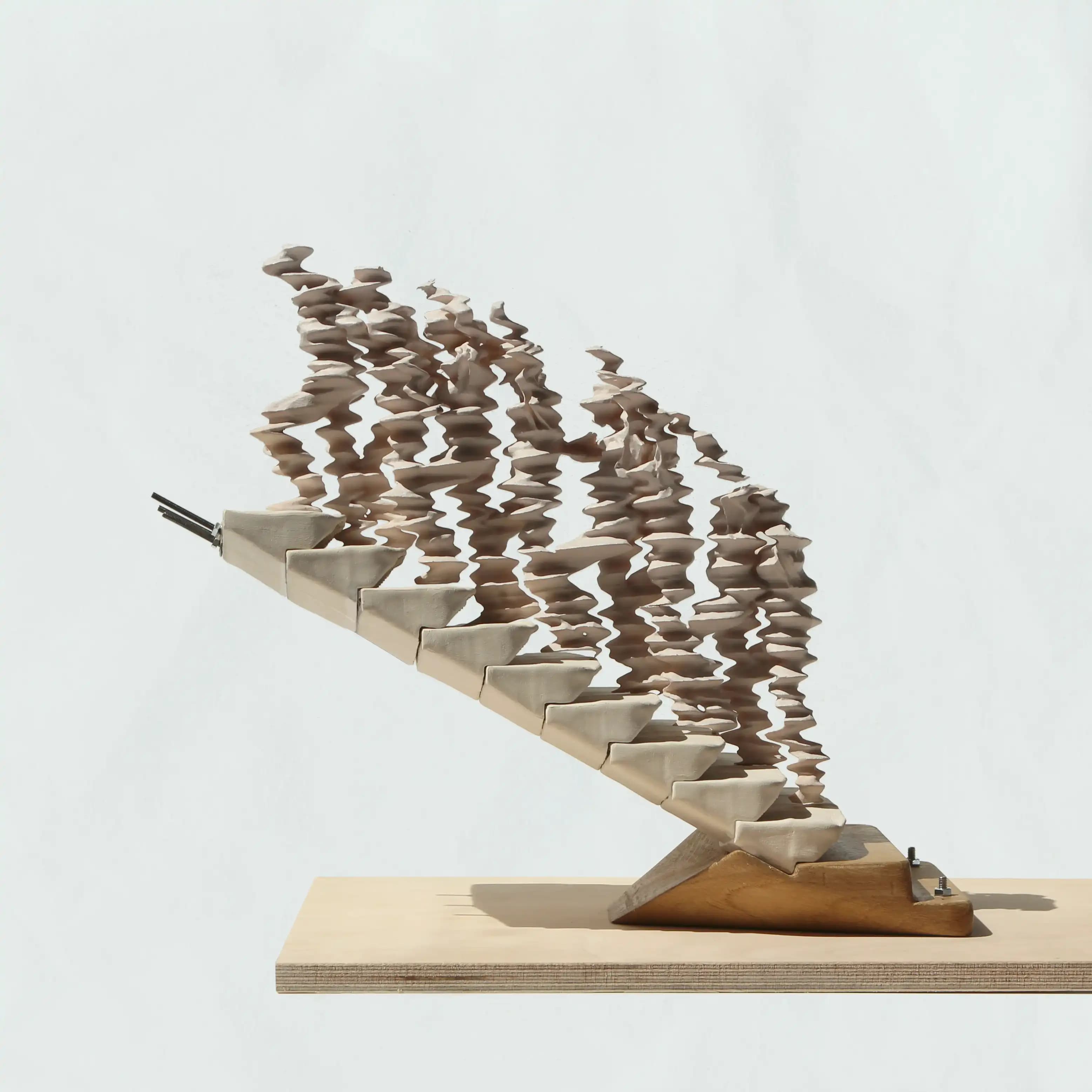
    3D Printing Insights: Apply workflows for experimental structures and complex lattices in 3D printing.

Methodology

This workshop is to model a small architectural pavilion. During a first part dedicated to tutorials about Geometry Nodes and Tissue the participants will understand the principles behind polyhedral complexes and form-finding combined with Tissue’s tessellation. Working on an individual exercise they will produce complex organic structures working on both its structural layout and surface articulation.

During the workshop we will work with Blender, using Geometry Nodes together with the Tissue add-on in order to combine the flexibility of procedural nodes together with non-destructive Tissue tools such as Polyhedral Wireframe and Tessellation. We will understand how to procedurally manipulate polyhedral complex geometries using fields in Geometry Nodes, deploying some basic form-finding strategies. In addition to that, using Tissue, we will understand the importance of a clean topology for further manipulation of complex geometries.


This workflow can benefit architects working on experimental structures and designers working with complex lattices for 3D printing.

Students will learn the basic principles of Geometry Nodes in Blender. In addition to that, thanks to a combination of form-finding strategies and parametric modeling using the Tissue add-on they will also understand how to obtain functional and appealing architectural objects.


Course Content

7 Lessons

Important Notes

  • 01
    Total sessions: 2 Sessions
  • 02
    PAACADEMY will provide a certificate of attendance.

Course gallery

Highlight gallery

Extra Images

Software & tools

BlenderTissue add-on

Student projects

Polyhedral Pavilion - Arthur Vilarinho

@paacademy

Polyhedral Topologies in Blender
Project

Polyhedral Pavilion - Arthur Vilarinho

Aug 13, 2024

About this work

Stunning works by our student Arthur Vilarinho developed during the “Polyhedral Topologies in Blender” workshop led by Alessandro Zomparel...

Blender
PAACADEMYPolyhedral Topologies in Blender
View project→

Instructors

Alessandro Zomparelli
2 Courses5.0

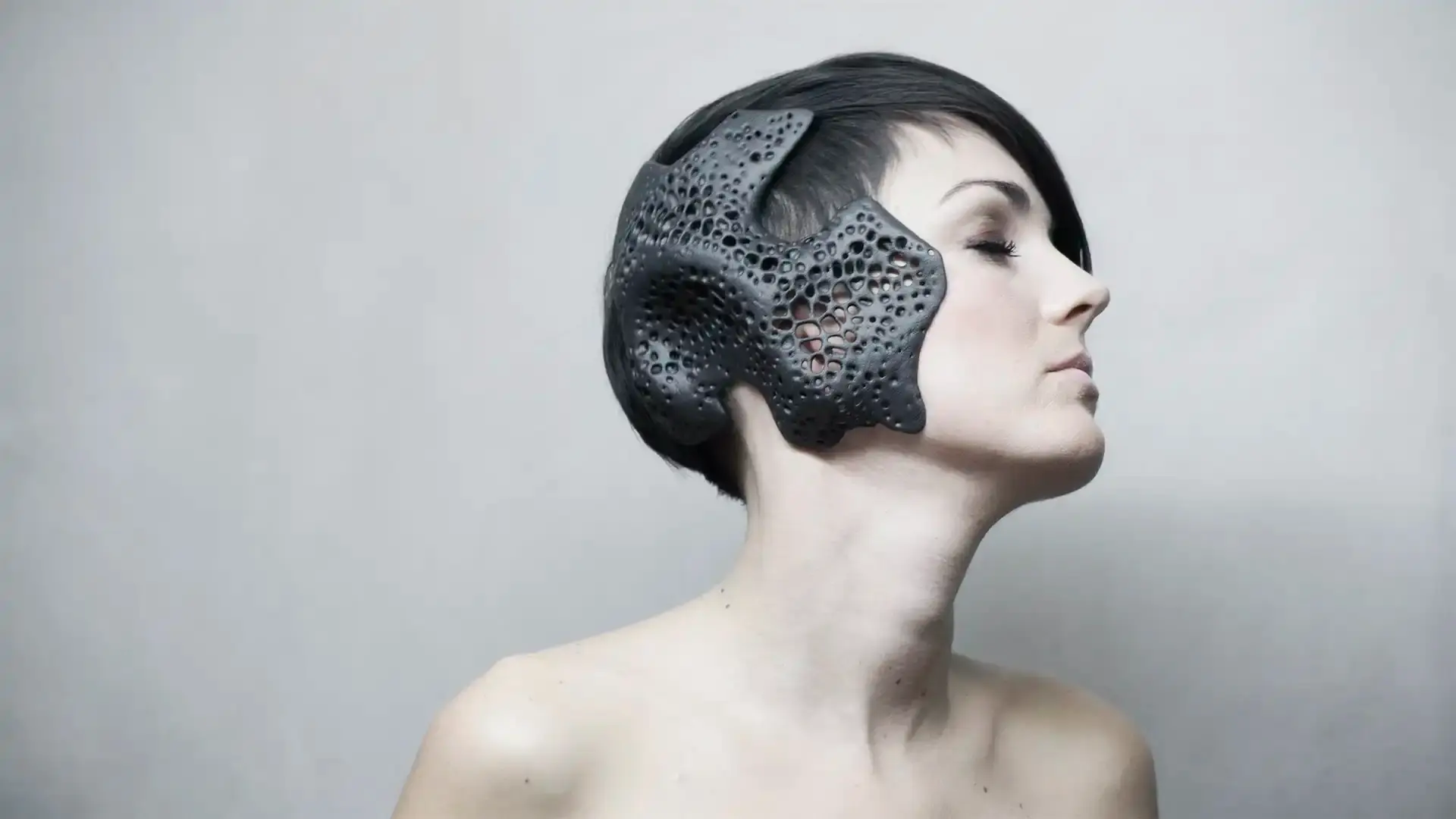
Alessandro Zomparelli is a computational designer, and his background in Engineering and Architectural fields drove him to explore the opportunities of 3D printing technologies at different scales, from architecture to the human body. Since 2011, he has been a member of Co-de-iT, contributing to the Reefs project, and has taught numerous international computational design workshops. In 2012, he co-founded MHOX, a generative design studio with a focus on body extensions, exploring the blurred boundary between body and design, and creating both fashion and medical products.


Between 2016 and 2020, he taught at the Academy of Fine Arts in Bologna and the Istituto Marangoni in Milan. From 2020 to 2023, he joined the CREATE group as a research fellow, focusing on architectural geometry and digital fabrication. Since 2023, he has been working as a Computational Design Engineer at Ai-build, helping in the development of cutting-edge solutions for robotic 3D printing.


He is known for developing open-source Blender add-ons like Tissue, which are aimed at simplifying computational design workflows and making them more accessible to the general user. He also collaborated on different computational design projects from architecture to wearable products and taught in several international programs.

Add to favorites (5)Buy as gift
Share link

Reviews

Purchase or enroll in this course to leave a review.
5.0avg·1 Reviews
1 Comments
smejkal
smejkal

Perfect, I really loved it!

Nov 30, 2024
    5 / 5Course rating
    Feb 10 & 11, 2024Course dates
    50 SeatsAvailable seats
    7 LessonsTotal content
    CertificateUpon completion
    All levelsDifficulty
    8 HoursTotal duration
    14:00 - 18:00Session hours
    Saturday · SundaySchedule
    LifetimeAccess