



Project
Dynamic Patterned Footwear
May 5, 2025
About this work
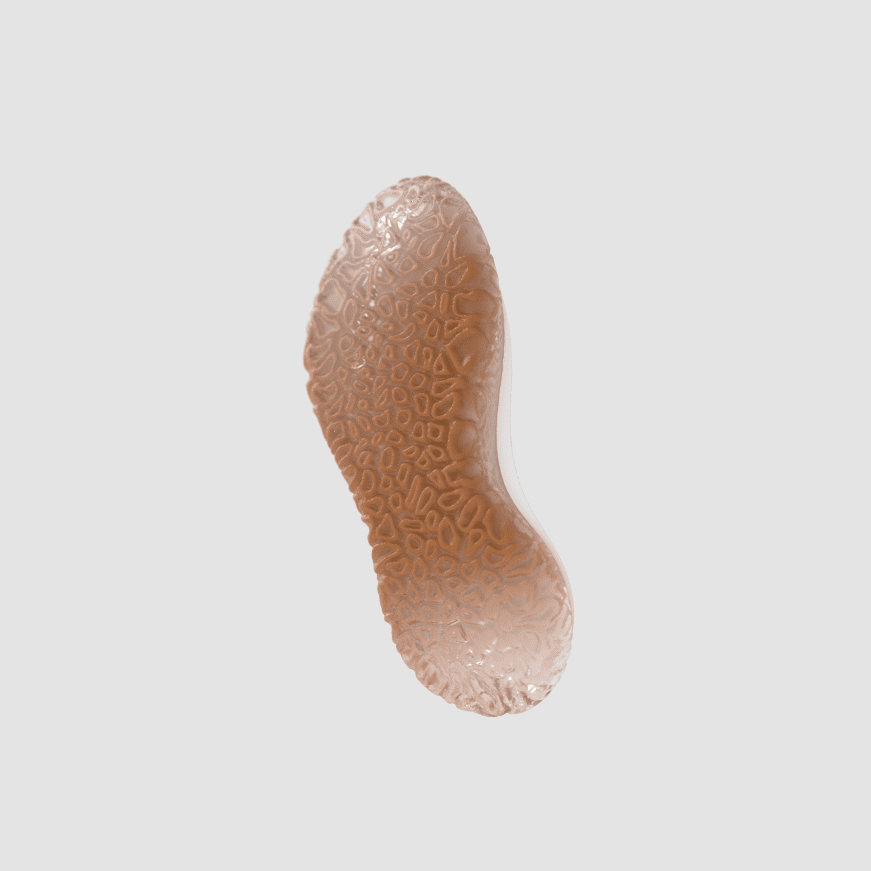
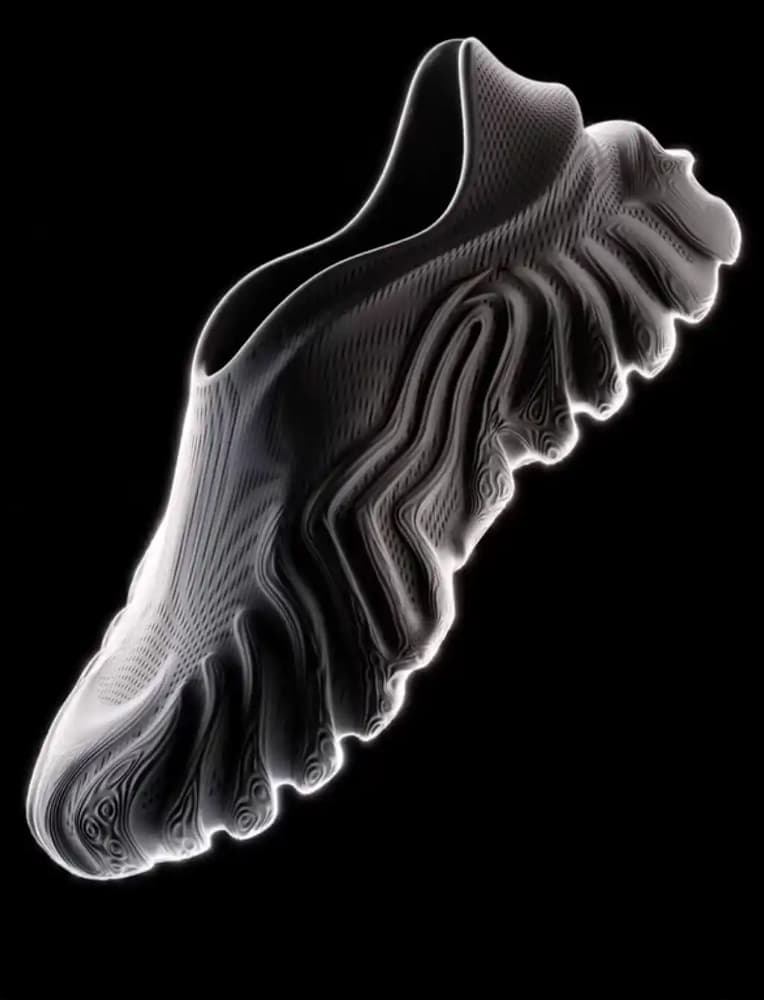
A Voronoi pattern wraps the surface of the shoe like an organic skin, evoking the clustered suction cups of an octopus.
View project
We value your privacy.
We use strictly-necessary cookies to keep you signed in and the service operational, and analytics cookies to understand how the site is used. With your consent, we also use preference and marketing cookies. You can change your choice anytime; see our Cookie Policy or Privacy Policy.
This workshop focuses on using Houdini for procedural design of performance-driven patterns in Footwear and Industrial Design, from CAD processing to prototyping.
Instructor
Contexts, operators, and attributes within Houdini
Interoperability between CAD and Mesh workflows
Concepts for Algorithmic Design
Processing and exporting geometry for Additive Prototyping
Procedural material creation
Rendering in Houdini / Karma
May 5, 2025
About this work
A Voronoi pattern wraps the surface of the shoe like an organic skin, evoking the clustered suction cups of an octopus.

Instructor
David is a multidisciplinary Computational Design Leader from the PNW working across a broad spectrum of disciplines including Footwear, Apparel, Consumer Goods, Automotive, Medical, and Architectural Industries. He has delivered Advanced Computational Design, strategy, and training for companies such as Nike, FILA, PUMA, General Motors, EQLZ, Harry’s Razors, and more. He has over a decade of experience with a variety of products and projects in the market as evidence to the efficacy and broad applicability of his approach, methodology, creativity, and design thinking capabilities. He has built a variety of tools, workflows, and processes, used both internally and externally, for several of these companies. Originally an Architectural Designer, David holds a Master of Architecture from the University of Southern California. He worked in the highrise and supertall domains with projects in Jakarta, the Philippines, China, as well as domestically in Los Angeles and greater Seattle areas. He leveraged Computational Design broadly in the Architectural industry on projects ranging from 1000+ foot tall towers, both built and speculative work for competitions, small installations, key architectural features, and many others. David has a personal interest in biomimicry, generative and emergent systems, and bio-algorithmic design. He seeks to leverage advanced Computational Design to drive innovation in pursuit of realizing high-performance, creative, and sustainable solutions to the profound ecological and social challenges of our time. David is currently an independent Computational Designer and guest lecturer at the University of Washington MArch program.
 Alessandro CusanoAug 18, 20265.0out of 5
Great for Houdini beginners! The explanations are clear and comprehensive, and I absolutely loved David's approach to working and teaching
 Guest OidXRWApr 19, 20265.0out of 5
Very well organized and very useful! Thank you. I learned a lot!
Marzio AssisiMay 5, 20255.0out of 5Super helpful! Thank you!
Rares ManolacheMar 25, 20255.0out of 5Amazing workshop! Learned a lot!
Guest tlxCKcMar 24, 20255.0out of 5David shares a lot of knowledge, techniques, and covers a ton of ground in Houdini.

Great for Houdini beginners! The explanations are clear and comprehensive, and I absolutely loved David's approach to working and teaching
Very well organized and very useful! Thank you. I learned a lot!
Super helpful! Thank you!
Amazing workshop! Learned a lot!
David shares a lot of knowledge, techniques, and covers a ton of ground in Houdini.
 01Additive Footwear Design: FDM and ResinKedar Benjamin€136.00
 02Structural EvolutionNolan Kim€125.00
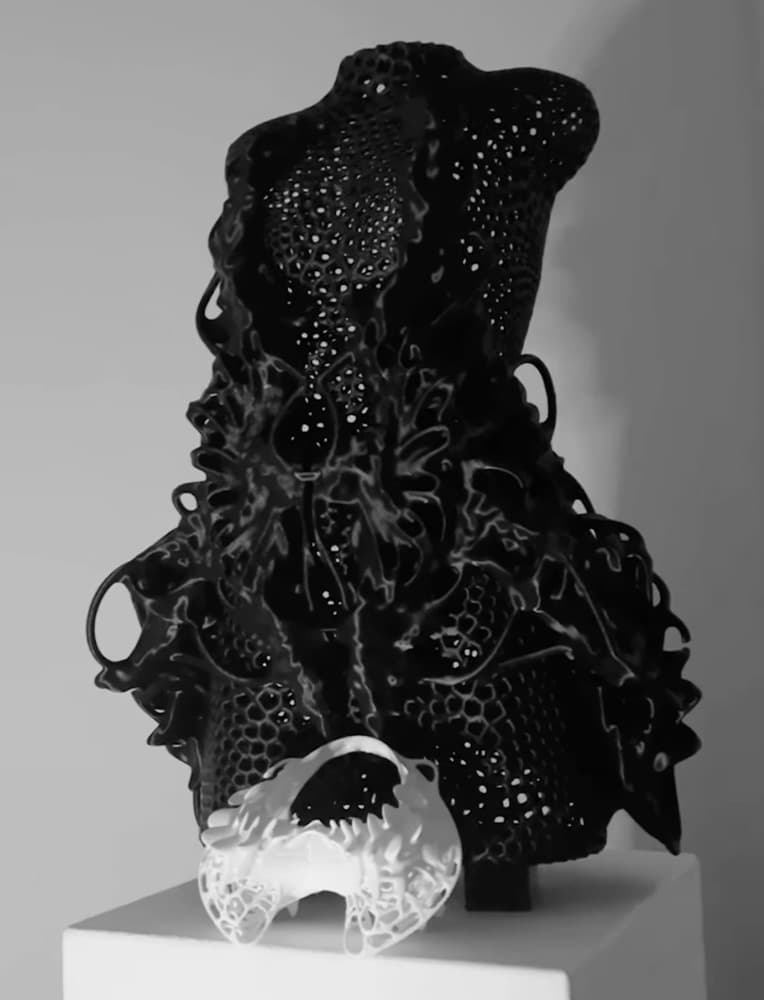 03Dynamic Wearables for Fashion DesignRJ Weaver€102.00
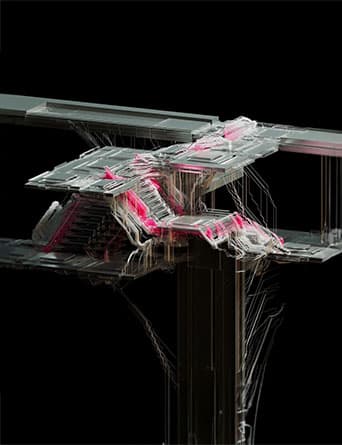 04Spatial Fragmentations 2.0 - Procedural Modelling with HoudiniMümün Keser€105.00
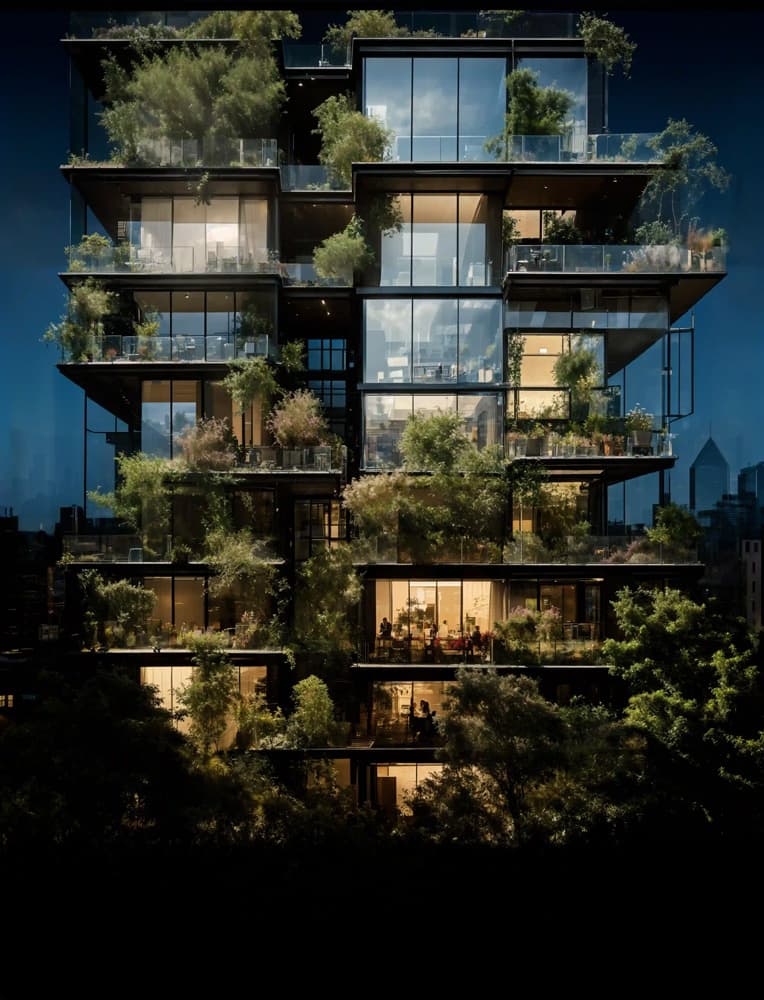 05Generative Architecture with AI (SD+FLUX)Fredy Fortich€136.00
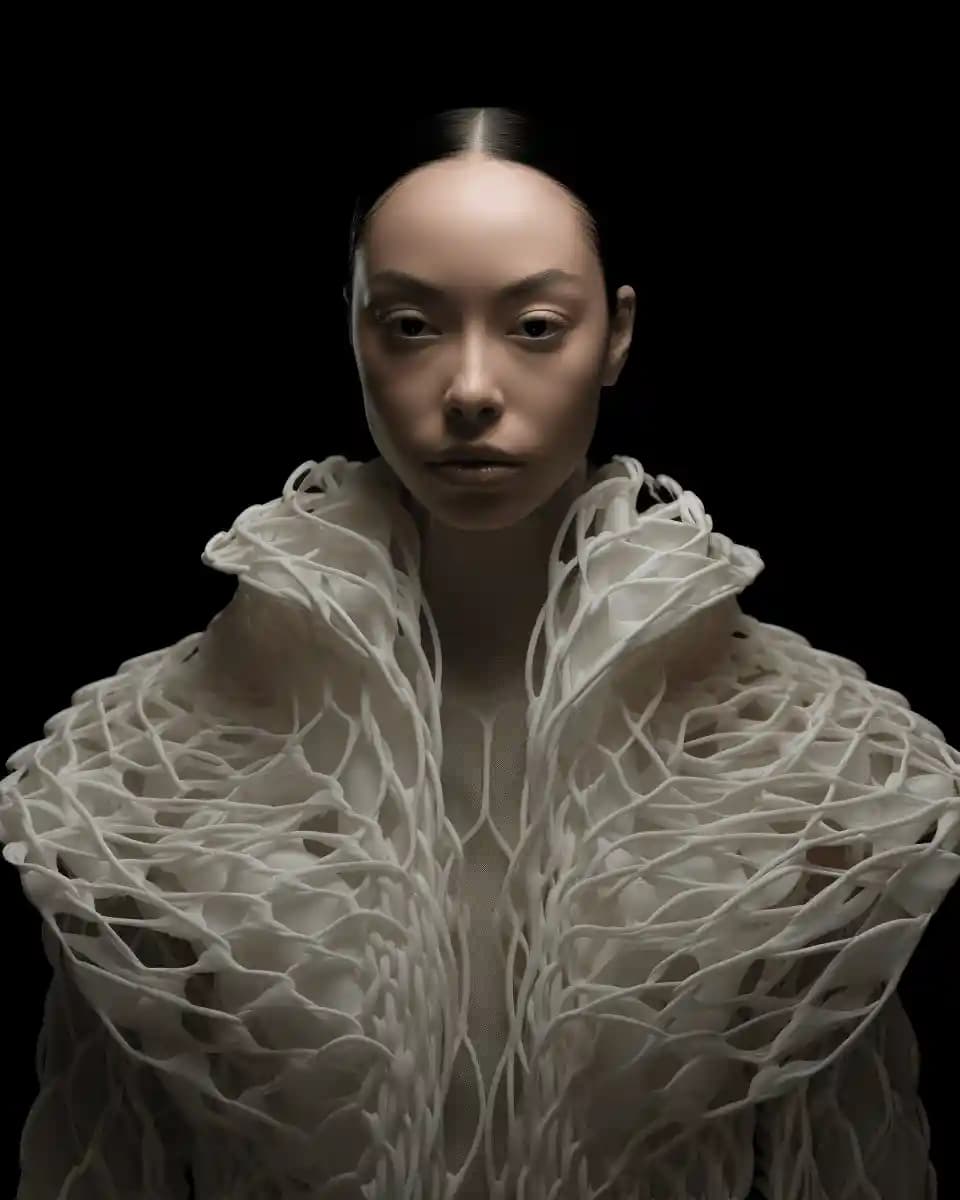 06Body Architecture 3.0Filippo Nassetti€90.00