


Article
The most important development in architectural AI may no longer be image generation. For several years, the dominant conversation around artificial intelligence in architecture has revolved around visual production: generating concepts, transforming sketches into renders, producing material variations, or accelerating visualization. Those applications remain useful, but GPT-6 Astra points toward a more consequential change. Instead of simply producing an answer to an architect's prompt, an AI system can increasingly operate across software, files, research sources, code, and multi-step professional workflows.
OpenAI introduced GPT-6 Astra on September 3, 2026, describing it as its most capable broadly deployed model and highlighting advances in computer use, browsing, software engineering, cybersecurity, science, and professional work. The company also describes Astra as capable of carrying complex tasks from an initial instruction through to finished documents, spreadsheets, presentations, and other outputs.

For architecture, engineering, and construction, this changes the technological question. The issue is no longer simply whether AI can help design a building. The more important question is whether AI can begin operating the interconnected systems through which buildings are researched, designed, analyzed, documented, and delivered.
That shift from assistant to operator could be one of the most significant changes to architectural workflows since the transition from CAD to BIM.
From Generative Tool to Operational Agent
Traditional generative AI generally follows a simple model:
Human instruction → AI response → Human action
An architect asks for a façade concept, receives several options, evaluates them, and then takes the next step manually. Agentic AI introduces another layer:
Human objective → AI planning → tool interaction → execution → evaluation → iteration
This distinction is technically important.
OpenAI says Astra is designed for computer use and complex, multi-step professional tasks. It can work with software and digital environments rather than being restricted to a conversational interface. The model's published capabilities include producing structured documents, presentations, spreadsheets and analyses while adapting to changing requirements.
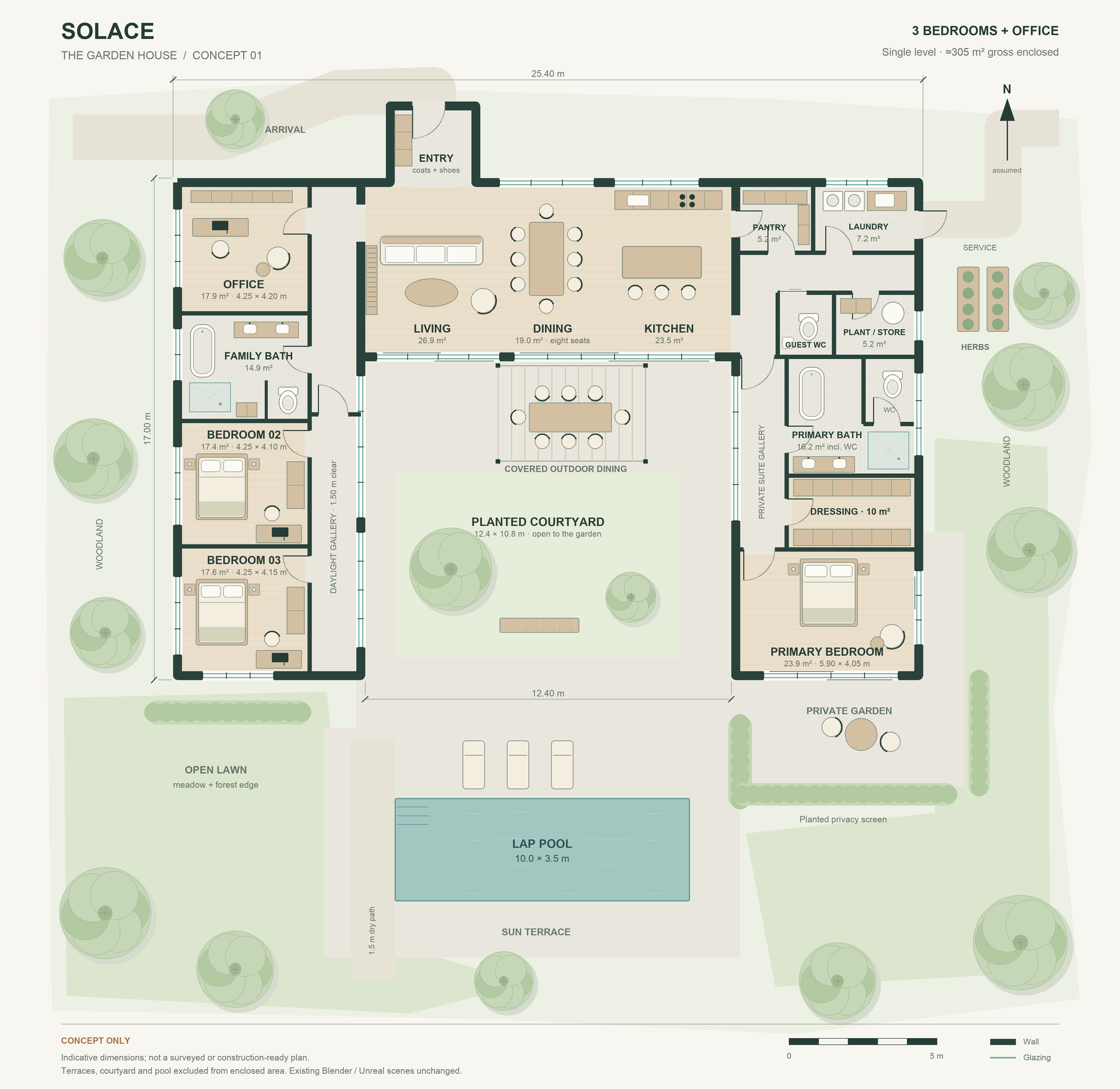
Imagine a housing project with a brief requiring 25,000 square meters of gross floor area, a maximum height of eight storeys, specified setbacks, minimum daylight targets, preserved mature trees, and a particular apartment mix. A conventional AI assistant might explain how to approach the problem.
An operator-style AI could potentially:
1. Read the project brief.
2. Extract numerical constraints.
3. Search relevant planning information.
4. Inspect an existing project file.
5. Write or modify a computational-design script.
6. Generate alternative massing configurations.
7. Launch approved analysis tools.
8. Compare results.
9. Identify options that fail specified criteria.
10. Prepare a report and presentation.
The architect is no longer interacting with AI only through text. The AI becomes part of the project's operational infrastructure. That is a much bigger deal.

Architecture Already Has the Infrastructure for This
The irony is that architectural practice has been moving toward machine-readable workflows for decades.
BIM models contain structured building information. Parametric platforms encode geometric relationships. Grasshopper definitions establish rules. Revit schedules expose data. Energy-analysis software generates measurable performance results. Structural systems operate through numerical models.
The industry therefore already possesses much of the digital infrastructure required for agentic workflows. What has historically been missing is a flexible intelligence layer capable of moving between these systems.
Consider a simplified computational-design loop:
Parameters → Geometry → Simulation → Evaluation → Parameter adjustment
Today, a designer frequently performs several of those transitions manually. An agentic system could potentially manage the loop. For example, an architect might establish:
- maximum building height,
- minimum floor area,
- daylight threshold,
- embodied-carbon target,
- structural material limit,
- circulation requirements,
- site preservation constraints.
The AI could then coordinate iterations between modelling and analysis tools. This does not mean the machine suddenly becomes an architect. It means that the iteration infrastructure becomes partially automated. And that distinction matters.

The Real Opportunity Is Not Geometry
There is a temptation to evaluate Astra by asking whether it can generate better architectural forms. That is probably the wrong benchmark.
Architectural software has already become extraordinarily capable at producing geometry. Grasshopper, Dynamo, BIM platforms, CAD systems and simulation tools can generate thousands of alternatives. The bottleneck is increasingly evaluation and coordination.
A design option is not valuable merely because it looks interesting. It needs to satisfy a network of requirements involving planning, structure, circulation, energy, cost, accessibility, construction, fire safety, environmental performance, and client expectations.
This is where agentic AI could have greater impact. Astra could theoretically connect a design option to multiple forms of evidence and help determine why one option performs better than another.
The workflow could become:
Generate → analyse → compare → explain → revise
rather than simply:
Generate → render → admire → repeat
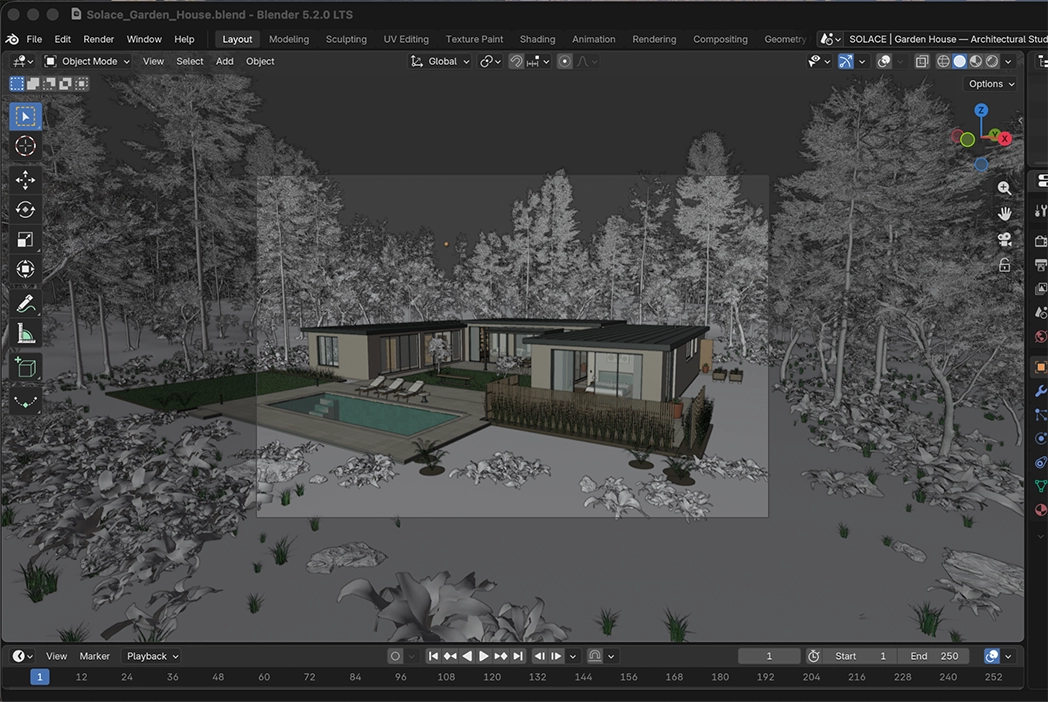
BIM Could Become an AI Operating Environment
The implications for BIM are particularly significant.
A BIM model is not simply a three-dimensional representation. It is a database containing relationships between building elements, materials, systems, spaces, quantities, specifications and documentation.
The difficulty is that BIM information is distributed across multiple levels of the project. An AI operator could potentially query this information in natural language. Instead of manually searching through schedules, a project architect might ask: Which façade assemblies currently exceed the project's embodied-carbon target?
The system could potentially identify the relevant assemblies, retrieve their properties, compare them against the project threshold, and generate a summary. A more advanced workflow might ask: Identify façade options that reduce embodied carbon without decreasing daylight performance below the project target.
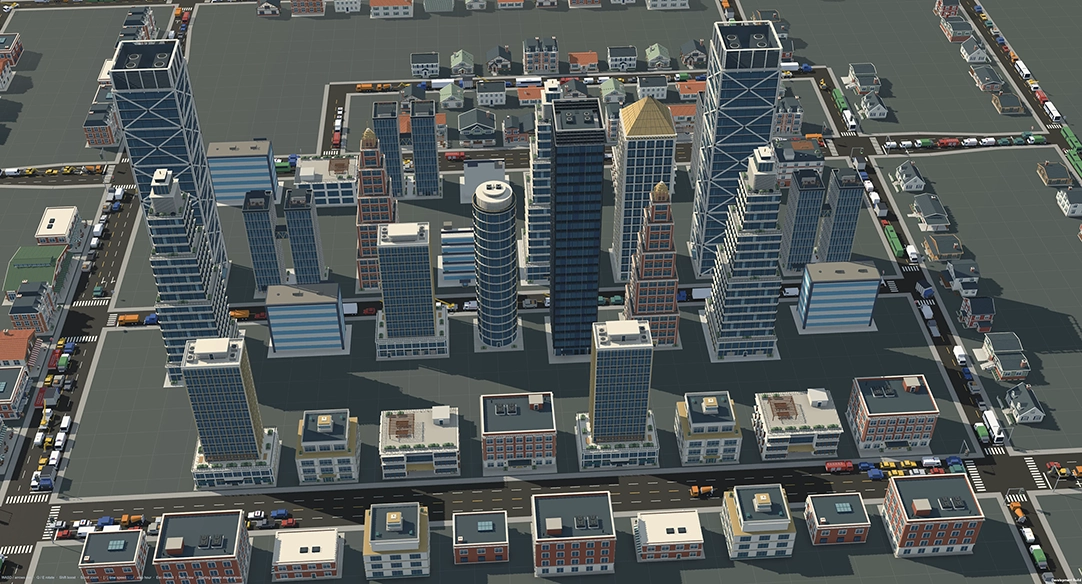
That is no longer a conventional chatbot interaction. It is a multi-stage computational task. The AI would need to understand the question, identify relevant project data, invoke appropriate analytical processes, interpret the results, and present a conclusion. The architecture office begins to resemble an information-processing system rather than a collection of individual software applications.
The Long-Context Problem Becomes a Design Problem
Large architectural projects contain enormous quantities of information.
A single project may accumulate:
- thousands of drawing revisions,
- consultant correspondence,
- planning documents,
- meeting minutes,
- specifications,
- BIM changes,
- structural calculations,
- environmental reports,
- client decisions,
- site observations,
- material substitutions,
- and unresolved issues.
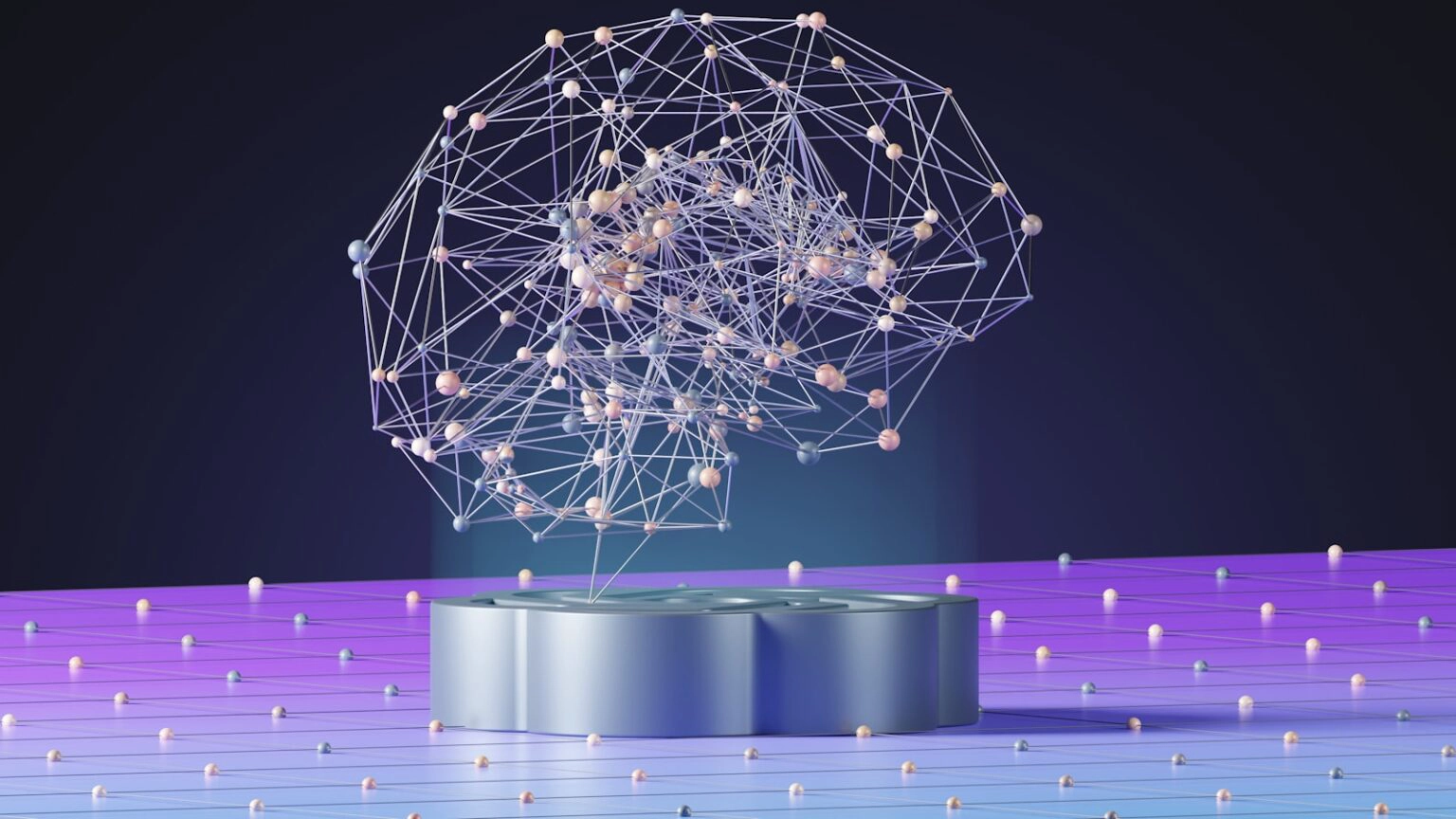
One of the potentially important technical advantages of Astra is its large context capacity and ability to work across long-running tasks. OpenAI's API materials list a context window of approximately 1.05 million tokens for GPT-6 Astra.
But context size alone does not solve architectural information management. A million-token context is not equivalent to understanding a building. The difficult problem is context selection. Which information matters? Which version is authoritative? Which consultant's instruction superseded an earlier decision? Which drawing revision is current? Which planning requirement applies to the specific site?
An AI system that retrieves irrelevant or outdated information can produce a technically polished but fundamentally incorrect answer. Therefore, future architectural AI systems need more than larger context windows. They require robust information architectures with:
- version control,
- document provenance,
- source ranking,
- permissions,
- structured metadata,
- audit trails,
- and explicit uncertainty.
In other words, the AI problem becomes partly an information-management problem.
The Critical Weakness: Automation Does Not Equal Reliability
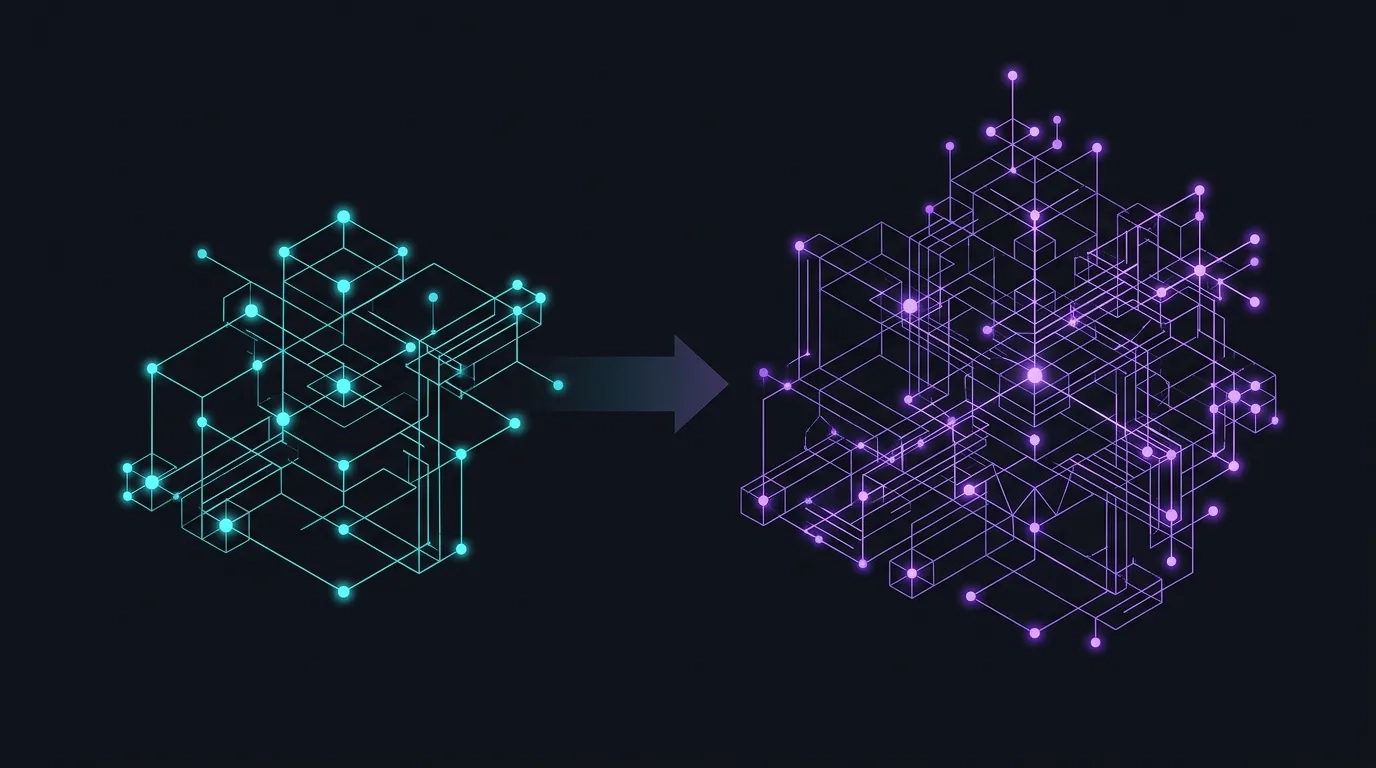
This is where the enthusiasm surrounding agentic AI needs to be restrained. Astra's ability to execute tasks is precisely what makes errors more dangerous. A conversational AI producing a wrong answer is inconvenient. An AI agent producing a wrong answer and then acting on it is considerably more serious.
Imagine an agent incorrectly interpreting a planning constraint. It could then generate a massing option based on the error, run analyses on that geometry, prepare a report, and produce a presentation.
Every subsequent stage could appear internally consistent. The result might be completely wrong while looking impressively professional. This is a classic problem in automated systems: error propagation. If one early assumption is incorrect, downstream processes can amplify rather than correct it. The architectural workflow therefore needs checkpoints. A robust agentic system might require:
Input validation → task planning → permission check → execution → verification → human approval
Cybersecurity Changes the Equation
Astra's capabilities also introduce an uncomfortable contradiction. The same computer-use and coding abilities that make an AI valuable to architects can make it dangerous when improperly controlled.
OpenAI says Astra is its first model to reach the Critical cybersecurity capability level under its Preparedness Framework. The company says the model can, with appropriate tools and access, identify previously unknown vulnerabilities and develop ways to exploit them across well-protected systems without a person guiding every step.
For AEC companies, this matters because architectural organizations are increasingly digital. Project environments can contain:
- proprietary BIM models,
- client information,
- infrastructure data,
- building-security information,
- contracts,
- financial information,
- credentials,
- construction documentation, and sensitive planning material.
Connecting a powerful agent to such systems creates a new attack surface. OpenAI says Astra's deployment includes stronger isolation, monitoring, checkpoint encryption and additional controls around harmful cyber activity. Yet technical safeguards should not be interpreted as a substitute for organizational governance.
An architecture firm should never assume that because an AI platform provides security features, unrestricted access is therefore appropriate. The correct approach is least privilege. The agent receives only the permissions required for a specific task. It should not automatically have access to every project folder, every BIM model, every financial document and every external communication channel.

The Black Box Problem
There is another technical concern: explainability. Architects are accustomed to examining drawings, models and calculations. A design decision can be traced through visible representations. AI agents introduce a different situation.
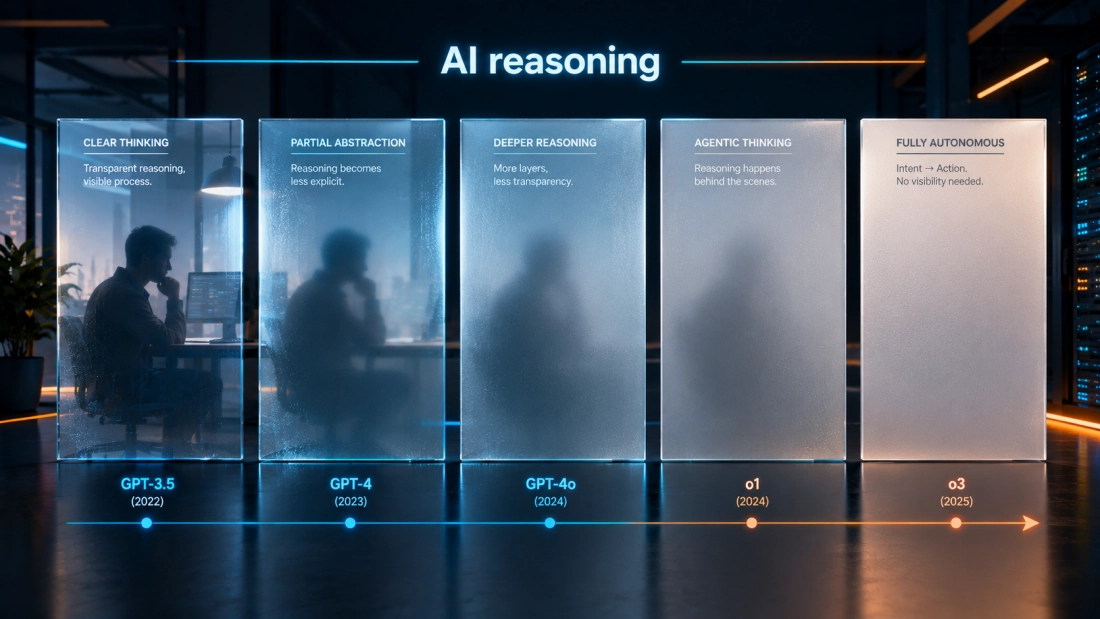
An agent may perform dozens or hundreds of intermediate actions before producing an output. The final document may not reveal which sources were consulted, which assumptions were made, or why one option was selected over another.
Recent reporting around Astra has highlighted concerns about monitoring highly capable agentic behavior. For AEC, traceability should become a basic requirement. An AI-generated recommendation should ideally be accompanied by:
Source → assumption → computation → result → decision
That chain is essential in professional environments where decisions can have legal, financial, environmental, and safety consequences.
Architects Become Workflow Designers
If Astra and similar systems mature, architectural education may need to change as well. The future architect may need less emphasis on manually performing every repetitive digital operation and more expertise in designing computational workflows. This does not mean abandoning architectural fundamentals.
Quite the opposite. Architects will need stronger understanding of:
- building performance,
- data structures,
- computational logic,
- BIM interoperability,
- AI limitations,
- model validation,
- automation governance,
- and system thinking.
The architect increasingly becomes the person who defines what should be automated and what should remain human. That is a professional responsibility, not merely a software skill.
What Should Actually Be Automated?
The answer is not "everything." A sensible division could be:
Highly suitable for automation
- Document classification
- Information retrieval
- Spreadsheet analysis
- Drawing-set comparison
- Preliminary code research
- Repetitive data entry
- Script generation
- Design-option comparison
- Report preparation
- Project-status summaries
Suitable with strong supervision
- Parametric design iterations
- Environmental optimization
- Cost comparisons
- BIM modifications
- Specification analysis
- Planning assessments
- Design coordination
Poor candidates for unrestricted autonomy
- Final regulatory submissions
- Structural safety decisions
- Fire-safety decisions
- Contractual commitments
- Construction changes with safety implications
- Final planning interpretations
- Client commitments
- Any decision where professional liability cannot be delegated
This distinction is critical. AI can automate operations more easily than it can automate responsibility.

The Operator Will Not Replace the Architect, but It May Replace Some Architectural Work
The uncomfortable conclusion is that AI does not need to replace architects to significantly transform the profession. It only needs to automate enough of the surrounding work.
If an architect currently spends 40 percent of the working week searching documents, preparing reports, transferring information, debugging scripts, coordinating files and producing repetitive documentation, an agent capable of reducing that workload could fundamentally change the economics of practice.
The profession may become smaller in some areas and more productive in others. Junior roles could be particularly affected because many entry-level tasks involve exactly the kinds of structured, repetitive activities AI agents are increasingly capable of performing. That creates an educational challenge.
Architecture schools traditionally teach students by gradually exposing them to professional processes. If AI performs many of the routine processes, students may need to reach higher levels of conceptual and technical understanding earlier. Otherwise, firms risk producing graduates who can operate software but cannot critically evaluate what the software produces.

The Architectural Office as a Human-AI System
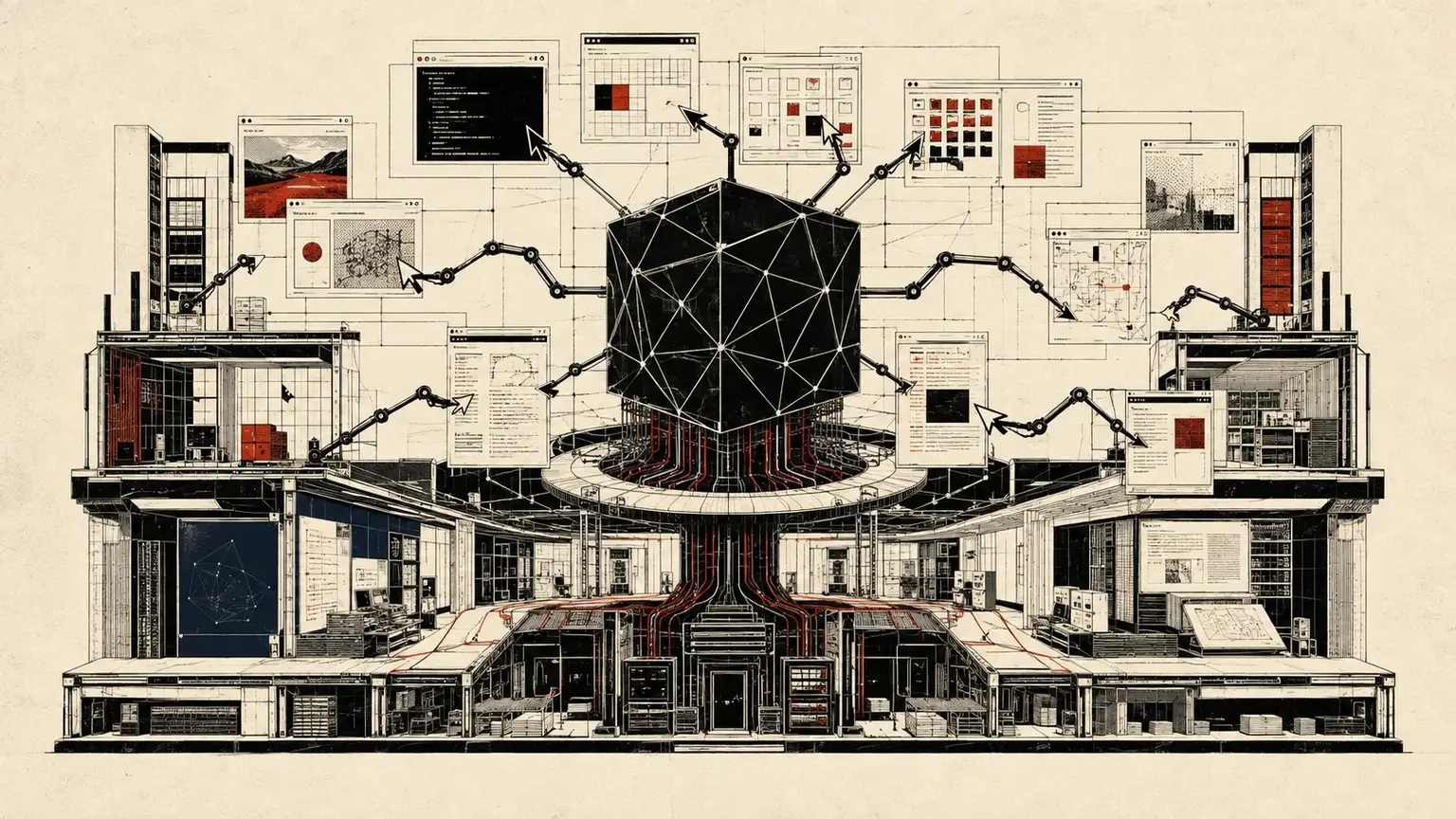
The biggest conceptual shift created by GPT-6 Astra is therefore not another generation of generative design. It is the emergence of the AI-operated workflow. The architectural office could evolve into a network in which:
Humans establish objectives.
AI agents coordinate information.
Software performs specialized analysis.
Simulation engines generate evidence.
Humans evaluate consequences and make decisions.
That model is fundamentally different from simply asking ChatGPT to write a paragraph about architecture. It also changes the definition of digital literacy. Knowing how to use Revit, Rhino, Grasshopper, or another platform may no longer be sufficient. Professionals will increasingly need to understand how these platforms can be orchestrated by intelligent systems.
From Tool User to System Architect
GPT-6 Astra marks an important transition in the development of professional AI. Its significance for architecture does not primarily come from its ability to produce better images or write faster code. It comes from its ability to connect reasoning, computer interaction, software, research, and execution into longer workflows.
OpenAI's own description positions Astra as a model for complex end-to-end professional work, while its cybersecurity classification demonstrates just how powerful these systems are becoming. That combination should provoke both excitement and caution.
The architecture profession has spent decades digitizing its tools. The next phase may involve digitizing the coordination between those tools.
The resulting office will not necessarily have fewer architects. It may have fewer people performing repetitive information-transfer tasks and more professionals directing complex human-machine systems. But the critical distinction remains: Automation can execute a workflow. It cannot automatically determine whether the workflow is worth executing. That judgment remains architectural.
And perhaps this is where the most important role of the architect survives: not as the person who performs every operation, but as the person who understands the purpose behind them, defines the constraints, challenges the results, and ultimately decides what deserves to become architecture.


.jpg&w=3840&q=75)



_22f146.webp&w=3840&q=75)
.webp&w=3840&q=75)