Crit Week Survival Pass: Save 20% on Pro Yearly plan with code CRITWEEK. Ends in → 01:53:35Ends in → 01:53:35

PAACADEMY
Sign In
PAACADEMY
BundlesMembershipBusiness
Become ProSign In
Loading

PA.ACADEMY

Online EdTech platform · Est. 2016

Shaping the next generation of designers, architects, and makers through computational tools and immersive education.

Reach out

[email protected]

Platform

CoursesMembershipsBundlesProjectsInstructorsSoftwaresBoardsBlogFree coursesEarnCertificatesReviews

Company

AboutBusinessBecome an InstructorContactFAQSupportChangelogWe're Hiring

© 2026 PAACADEMY. All rights reserved.

Privacy PolicyCookie Policy
Loading bundle
CoursesArchitectural DesignParametric Design as a Catalyst for Social Innovation - Studio Nuru Karim
Full Access Workshop Jul 30 – Sep 3, 2021 6 Sessions (24 Hours) 104 views
Add to favorites (5)

Parametric Design as a Catalyst for Social Innovation - Studio Nuru Karim

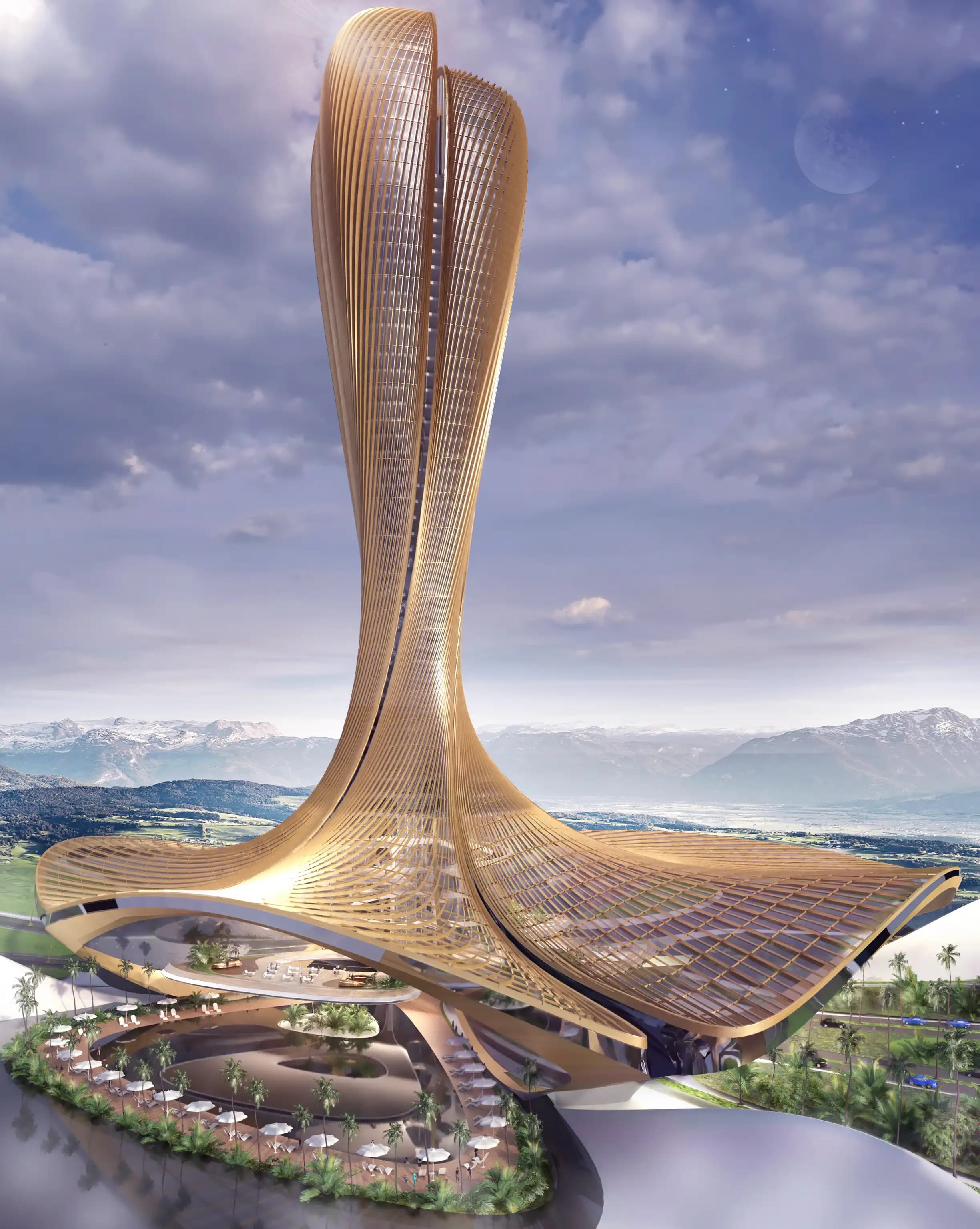
This workshop explores how computational design can create resilient, sustainable environments to drive social change and innovation.

OverviewCourse contentImportant notesGalleryInstructorsReviews

Instructors

Team behind this course

View curriculum
Nuru Karim
Verified Account

2 courses·5.0

Roberto Arguelles
Verified Account

2 courses·4.0

Aditya Jain
Verified Account

2 courses·5.0

About this workshop

The world is currently facing extreme weather conditions. Issues such as climate change and global warming are at the forefront of several discussions, dialogue, and policies involving stakeholders and representations from civil society across the globe. “Parametric Design as a Catalyst for Social Innovation” by PAACADEMY explores the role of computational design towards the creation of resilient sustainable environments serving as a catalyst for social change & innovation.

What you will learn

  • 01

    Basics of parametric design principles.

  • 02

    Strategies for sustainable water harvesting.

  • 03

    Integrating solar energy solutions.

  • 04

    Methods for urban agriculture.

Methodology

The Design Studio would include the following verticals:


Vertical 01

Water – Harvest


Vertical 02

Solar – Generate


Vertical 03

Food – Grow


Vertical 04

Education – Learn


  1. Lectures 
  2. Tutorials 
  3. Research / Studio Work
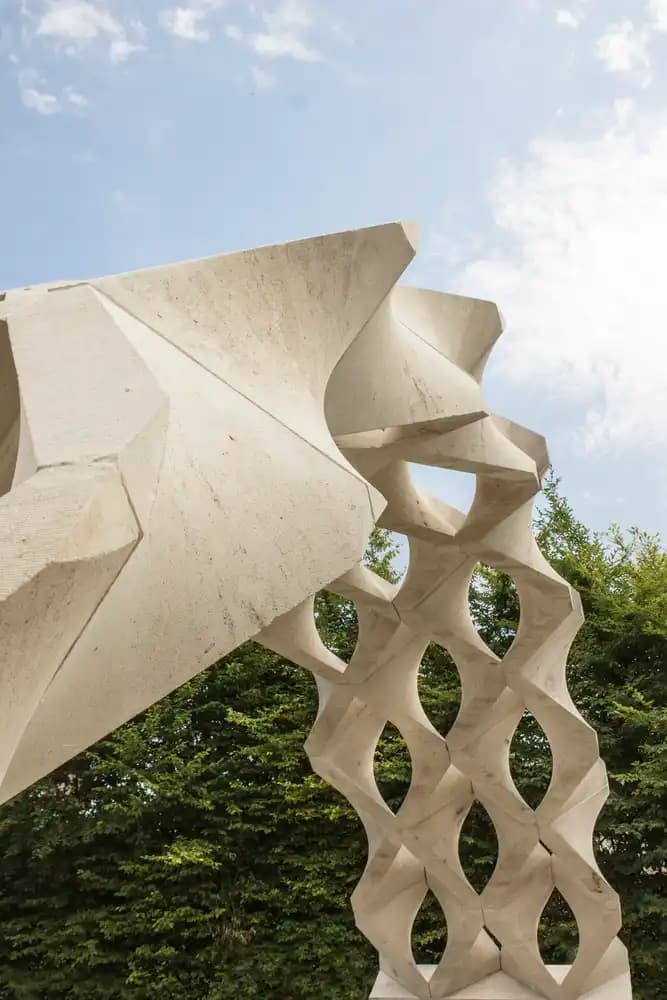
  4. 3D Printing 


Course Content

7 Lessons

Important Notes

  • 01

    Week 1

  • 02

    Welcome and introduction

  • 03

    Lecture : Introduction to Studio Objective and role of computational thinking / parametric design (0.45 Hrs)

  • 04

    Introductory Tutorials – Rhinoceros 3D (1.25 Hr) / Grasshopper 3D (2.0 Hrs)

  • 05

    Week 2

  • 06

    Grasshopper Workshop 01

  • 07

    Tutorials 01 (2 Hrs)

  • 08

    Assignment 01 (2 Hrs)

  • 09

    Week 03

  • 10

    Introduction : Studio Project (0.45 Hr)

  • 11

    Setting a Design Research Agenda (0.30Hrs)

  • 12

    Grasshopper Workshop 02

  • 13

    Tutorials (2.45 Hrs)

  • 14

    Week 04

  • 15

    Studio Lecture : Scales and intent of application wrt to studio verticals ( 0.30 Hrs )

  • 16

    Continued : Grasshopper Workshop ( 3.30Hrs )

  • 17

    Week 05

  • 18

    Continued : Preliminary Review / Studio Work (3.25 Hrs)

  • 19

    Tutorials : 3D Printing ( Design optimisation for 3D printing ) ( 0.45 Hrs )

  • 20

    Week 06

  • 21

    Final Presentations & Jury with special guests – 4 Hrs

Course gallery

Highlight gallery

Extra Images

Software & tools

Rhinoceros 3DGrasshopper 3D

Instructors

Nuru Karim
Nuru Karim
2 Courses5.0

Nuru Karim, Founder & Principal Nudes received his Masters in Architecture and Urban-ism from the Architectural Association [AADRL] London, United Kingdom in 2006. His undergraduate studies include travel and education in the metropolis of Mumbai [KRVIA-gold medallist] and Montreal [McGill University]. He has worked for Zaha Hadid Architects in 2005 on a host of institutional projects both in competition/ schematic design and design development stages.

Roberto Arguelles
Roberto Arguelles
2 Courses4.0

Robertos's experience comprises methodologies and techniques associated with generative design and digital fabrication for urban, architectural and industrial design, as well with media arts. His work consist on research, teaching and project collaborations in México, Spain, USA, India and the Philippines with firms like DUNN lightweight architecture, GG Architects, NUDES in the Classroom and The Bittertang Farm.


He founded XenoLab in 2019 to further his research and works, focusing in the morphogenetic potential of the digital technologies applied in design, fabrication and analysis, in order to search for new means and alternatives to achieve complexity.


In 2021 he becomes part of the organizing team for Digital Futures in Spanish, commited for the open and free education in the arts, architecture and design around the world, specially in the Spanish-Speaker sphere.


In 2022 he joined Kinetica Group llc. computational design team, developing solutions for digital fabrication and production, through the creation of generative algorithms for optimization and automation processes.


In 2024 he joins the academic and research team of the degree in architecture at the Tonalá University Center of the University of Guadalajara (U de G), as well as the Monterrey Institute of Technology and Higher Education (ITESM), where he teaches architectural design and digital technologies for design and manufacturing.

Aditya Jain
Aditya Jain
2 Courses5.0

Aditya Jain is an Architect, Computational Designer, and Generative Artist, passionate about using algorithmic methods and digital fabrication technologies to address various social, cultural, and environmental issues. His work focuses on combining innovation with sustainable design practices, particularly through the use of 3D printing and logic-based design techniques.


Aditya earned his MS in Architecture: Design Computation from Georgia Tech, where he developed his skills in automating tasks, optimizing workflows, and analyzing building systems within the AEC industry. His research at Georgia Tech explored the integration of computational design approaches with rural architecture and additive manufacturing (ceramics). As a Graduate Teaching Assistant, Aditya helped guide students in digital design, fostering both technical proficiency and creative thinking.


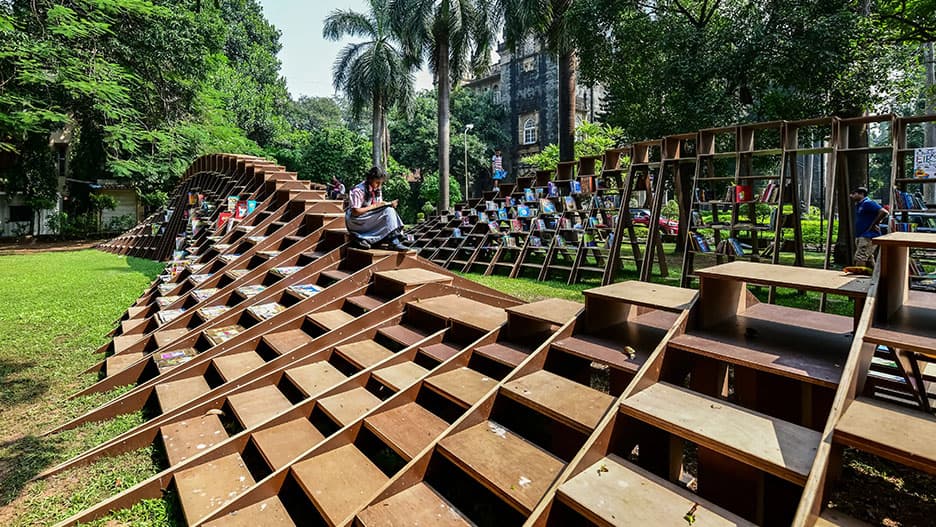
Currently, Aditya is a Digital Design Specialist at Branch Technology, where he specializes in advancing design automation and developing innovative solutions that streamline processes involving robotic fabrication and digital manufacturing. Before Branch, he worked as an Associate Architect and Designer at NUDES in Mumbai. There, he contributed to a variety of projects, including the Bookworm Pavilion, Cardboard Cafe, and the Ismaili Jamatkhana, as well as some winning competition entries and research initiatives. His approach to design emphasized bottom-up construction processes and scalability, with a strong commitment to sustainability.


He has also tutored and mentored on several educational platforms, inspiring the next generation of designers in computational design and generative art. Aditya's career has been defined by a continuous focus on innovation, creating both digital and physical projects using advanced design and fabrication techniques. 

Add to favorites (5)

Reviews

Purchase or enroll in this course to leave a review.
5.0avg·1 Reviews
1 Comments
Yagmur
Yagmur

Great pacing and clear explanations!

Jun 16, 2025
    5 / 5Course rating
    Jul 30 – Sep 3, 2021Course dates
    50 SeatsAvailable seats
    7 LessonsTotal content
    CertificateUpon completion
    All levelsDifficulty
    6 Sessions (24 Hours)Total duration
    15:00 - 19:00Session hours
    Friday · FridaySchedule
    LifetimeAccess