Article
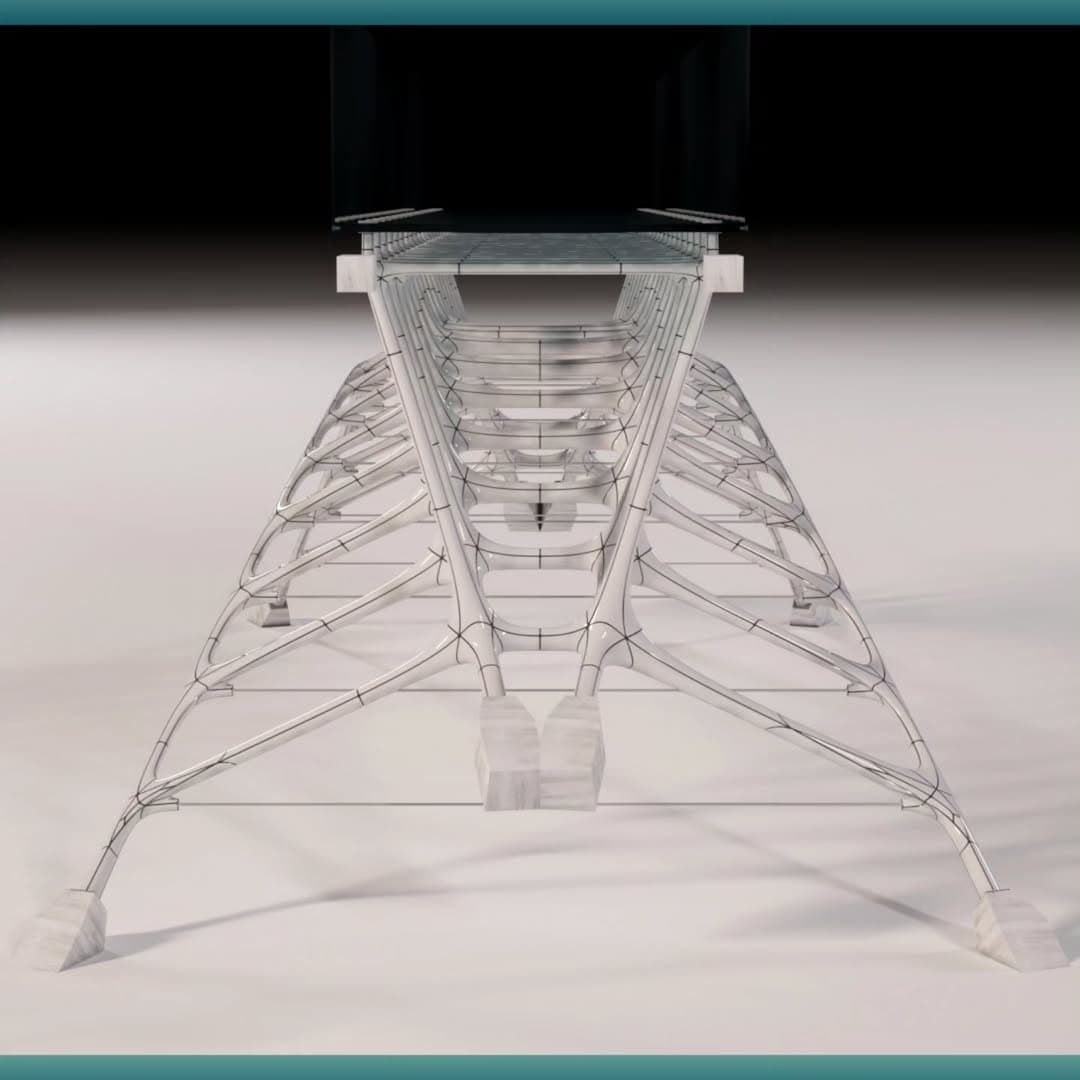
As long as humans have existed, technology has been used to improve our ability to do things. We can see this improvement with the use of drafting tables and CAD systems. Now, the design industry is experiencing a major change as we utilize both Generative Design (GD) and Cognitive Architecture principles together.
The evolution of design automation to the basic human-machine partnership has developed through several stages of cooperation and is now so complex as to require collaboration beyond simple automation. The methods employed incorporate artificial intelligence that can interpret complicated layouts using multiple factors such as psychological condition, energy performance, and environmental characteristics, and translate these into new designs that are unprecedented in their optimization. Artifacts created using such automation have greatly transformed traditional approaches to design by forcing a fundamental re-evaluation of human creativity as it relates to artificial intelligence's digitally advanced capabilities.
Algorithmic Paradigms and the AI Framework in Generative Architectural Design
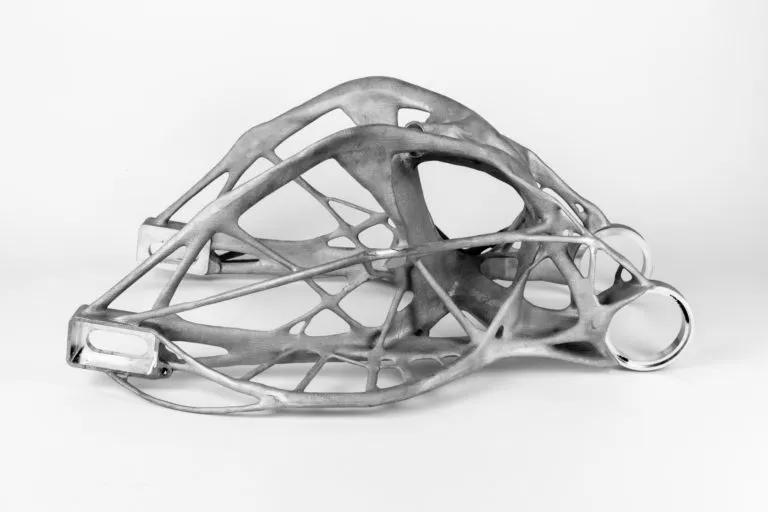
Generative Design represents an established and developed methodology that uses advanced AI and computational techniques and optimally guides the development of architecture as a method for finding form.
Primarily utilising a heuristic approach to efficiently explore and evaluate the complexity of potential outcomes within the large, multi-dimensional Architecture Solution Space, Generative Design achieves optimal results that may not be possible through iterative design processes utilising more traditional design techniques. This approach leverages a range of techniques and methods developed for multi-objective optimisation and high-dimensional dimensionality reduction, and many Generative Design Processes employ Metaheuristic methods that are evolved forms of Heuristic Methodologies.
Where to Begin Your Generative Architecture Design Journey
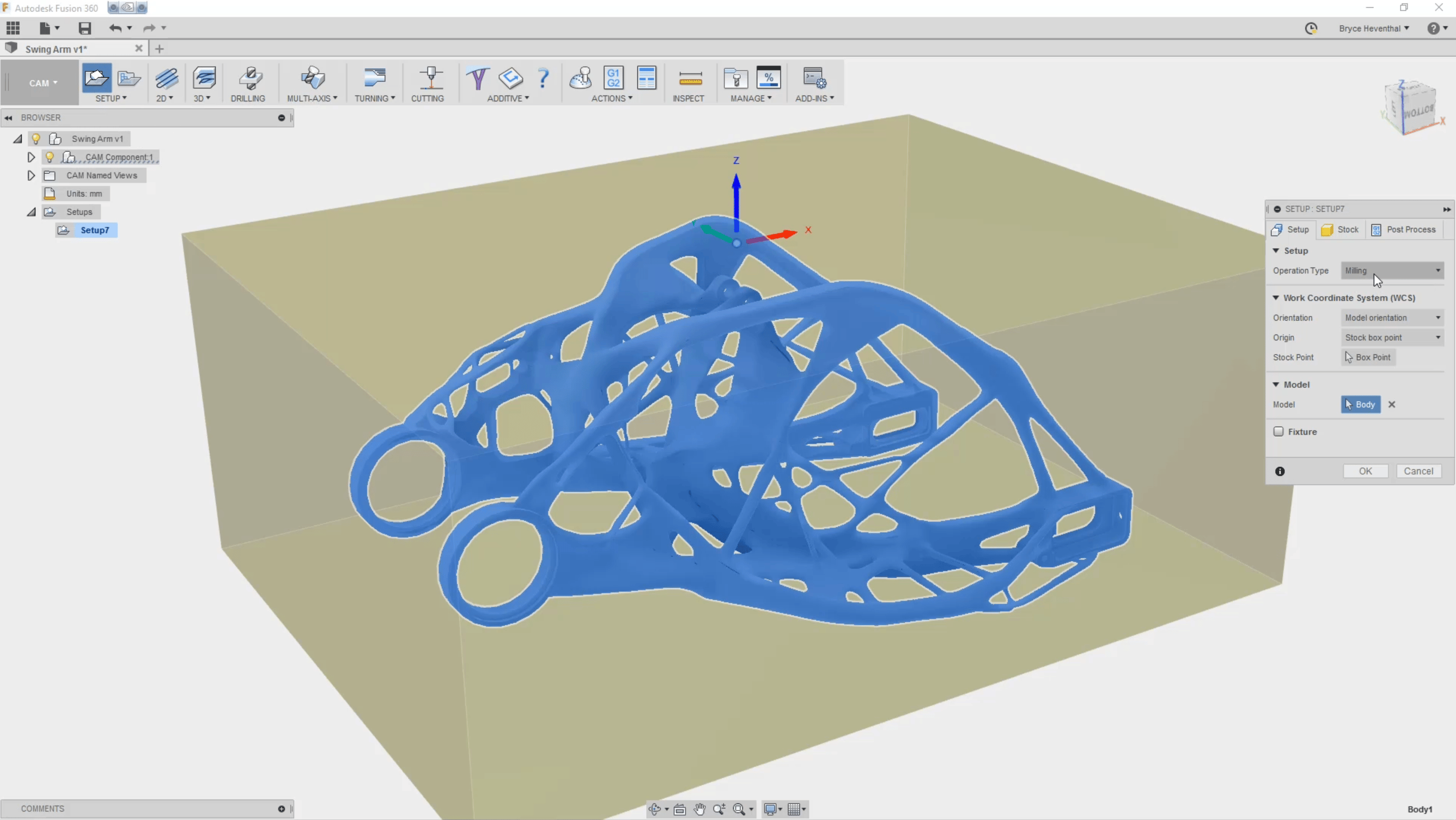
The ideal starting point for engaging with generative architectural design highly depends on your existing expertise in digital design tools. If you have extensive knowledge working with CAD, BIM, or parametric modeling applications (notably Rhino and Revit), your transition should be seamless. To do so, you will need to establish proficiency in the specific plug-ins and advanced generative capabilities built into these digital design programs (AutoCAD or Revit’s Generative Design Module).
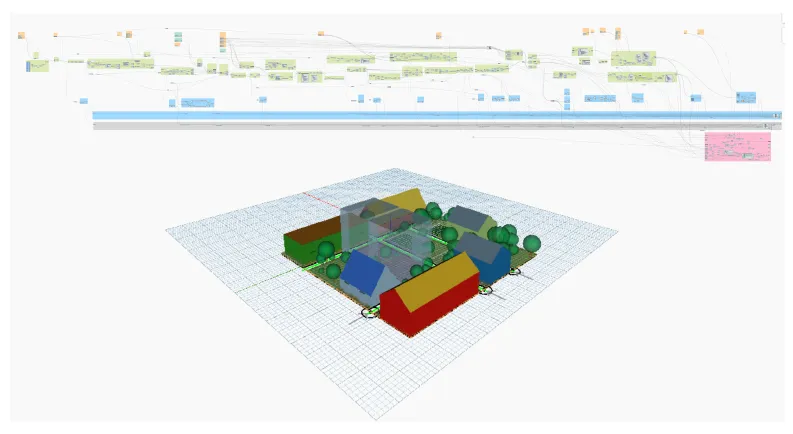
Defining Generative Design: From Form to Function
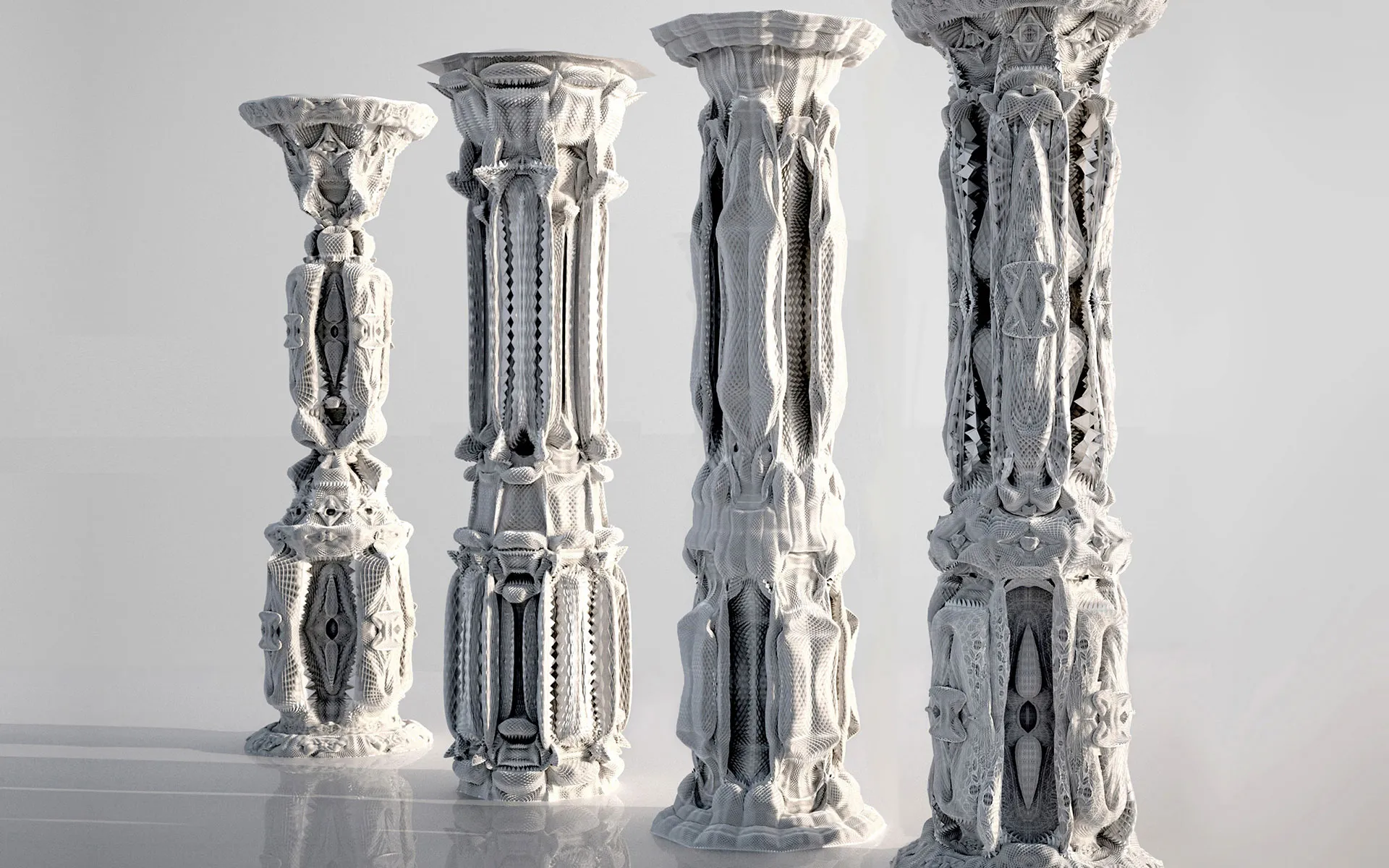
Generative design is a computational approach that uses algorithms to generate new designs based on input performance expectations and constraints. Generative design enables designers to quickly and easily explore a large number of possible options, reducing the number of iterations required to arrive at an optimal solution.
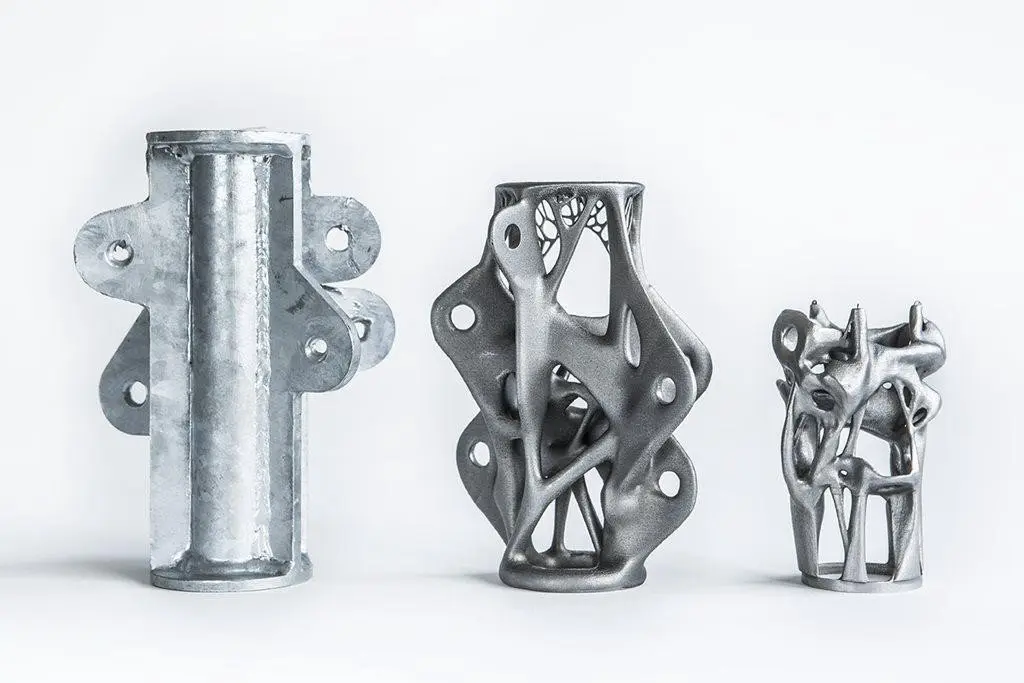
Through generative design, designers can build a logical framework that represents how their design intent translates into a set of relationships among variables. For example, generative design can use Evolutionary Computing (EC) and Metaheuristic (MH) techniques to map the designer's suggested values for various parameters, including the aspects of their designs that relate to material use and structural properties, as well as the feasibility of producing the designs using one or more methods.
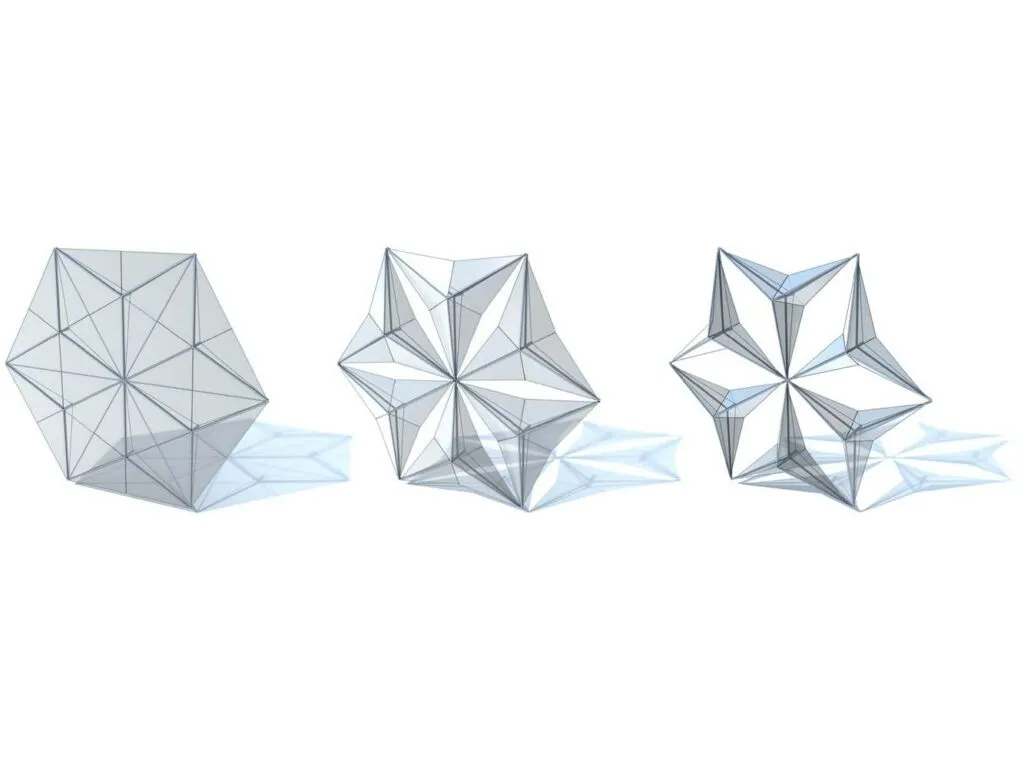
![Generative Design produced various iterations of the required polyhedron form by rat[LAB] Studio © [LAB] Studio](/storage/media/Rat-Lab-form-evolution.webp)
The cycle of Generate-Evaluate-Evolve, which is employed by the generative design algorithm, enables the discovery of the relationships of the parameters that will provide the greatest benefit in reducing time and cost to final design. By utilizing generative design techniques, designers can make data-driven design decisions based on data about material properties and design feasibility.
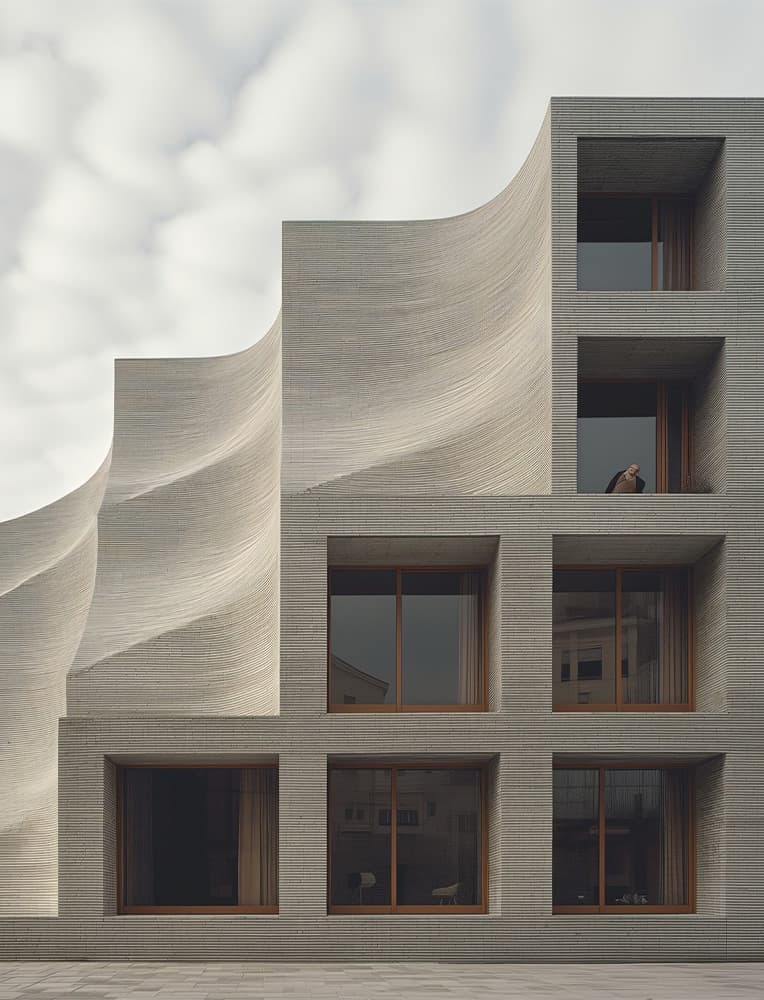
The range of successful applications of generative techniques within today's architectural practice shows how this method can be applied to produce built forms with a variety of characteristics through the algorithmic generation of new designs. In addition to creating space for the design of complex polyhedra, rat[LAB] Studio has utilized generative methods to create complex geometric shapes, such as the continuously curving wall of the Heydar Aliyev Center in Baku, designed by Zaha Hadid Architects. Both examples demonstrate the potential to maximize material efficiency through the use of generative design to achieve structural stability across irregularly shaped surfaces.
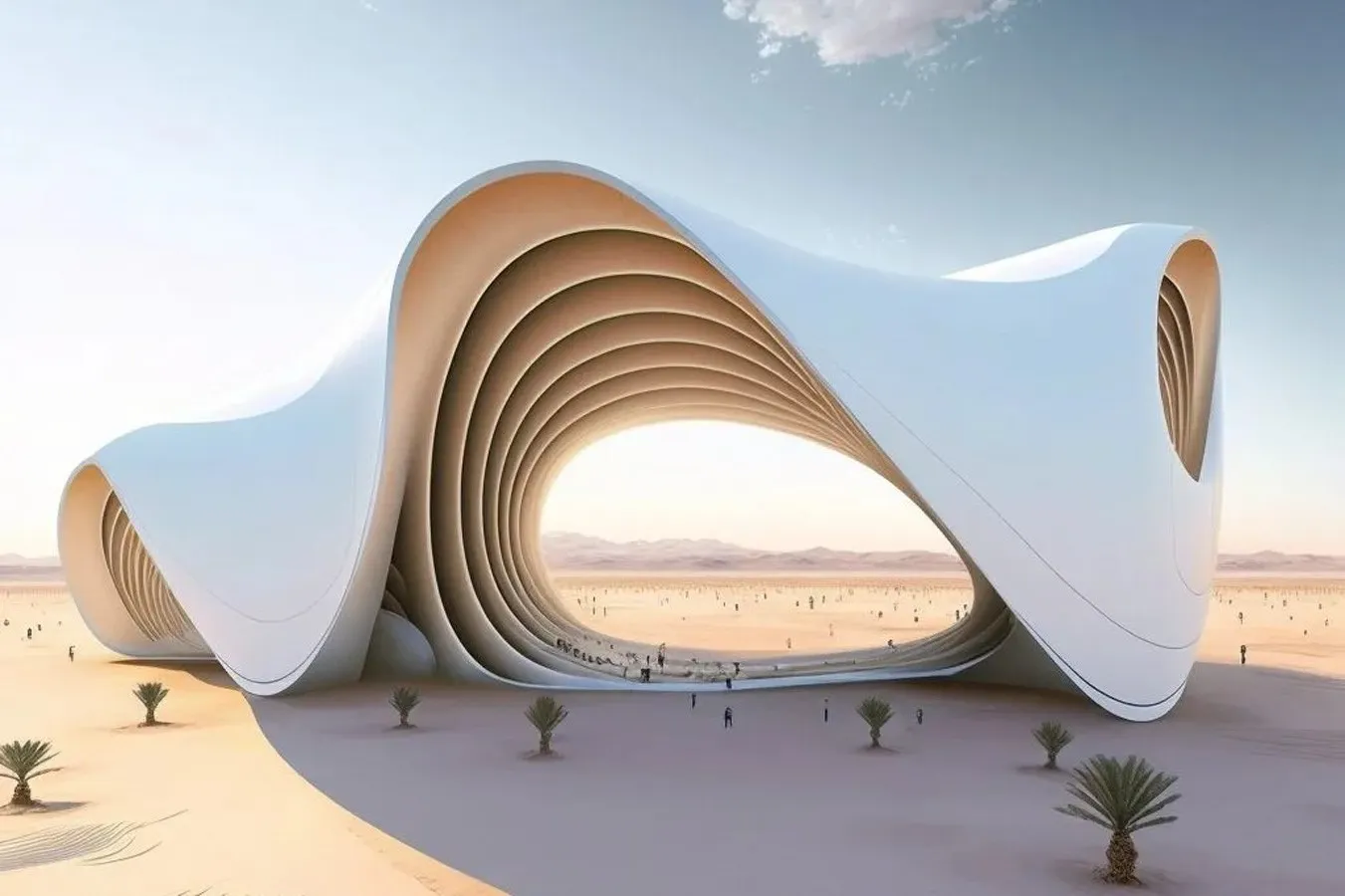
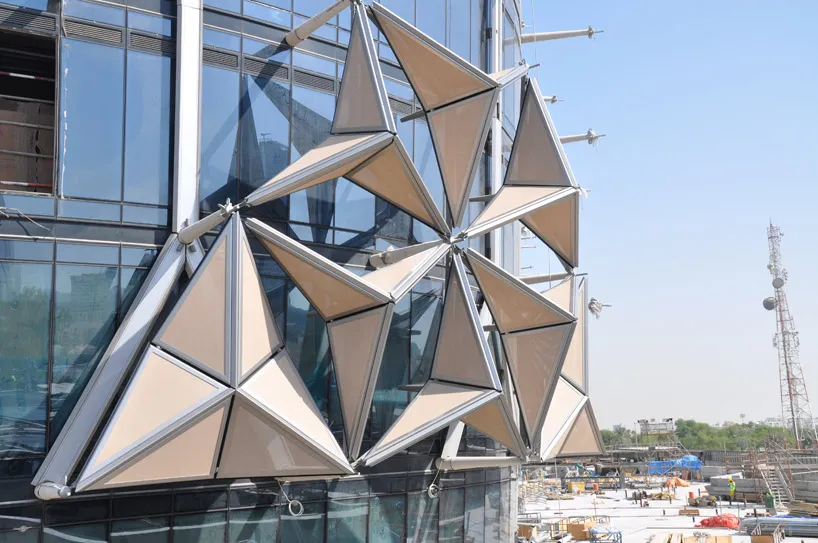
Through the use of generative techniques, it is possible to create structures that respond to their environment. The Al Bahar Towers, designed by Aedas Architects, illustrate this possibility with their dynamic façade that utilizes generative patterns to produce a shading system.
This shading system reduces solar heat gain and glare on the interior by adjusting to the position of the sun in the sky. In this context, the façade acts as a dynamic interface linking shape and form to energy and thermal comfort parameters. Rather than just a decorative element, the façade is a performance-driven component of the overall architectural concept.
Cognitive Architecture: Designing for the Mind
Cognitive Architecture expands the focus by addressing how the physical environment influences thought, emotion, and well-being. It combines concepts drawn from psychology and neuroscience, along with environmental measurements in lighting patterns, sound quality, and airflow, among others, to create input data for the creation process. Deep learning models trained on these can model how people could react emotionally and cognitively, even before construction begins.
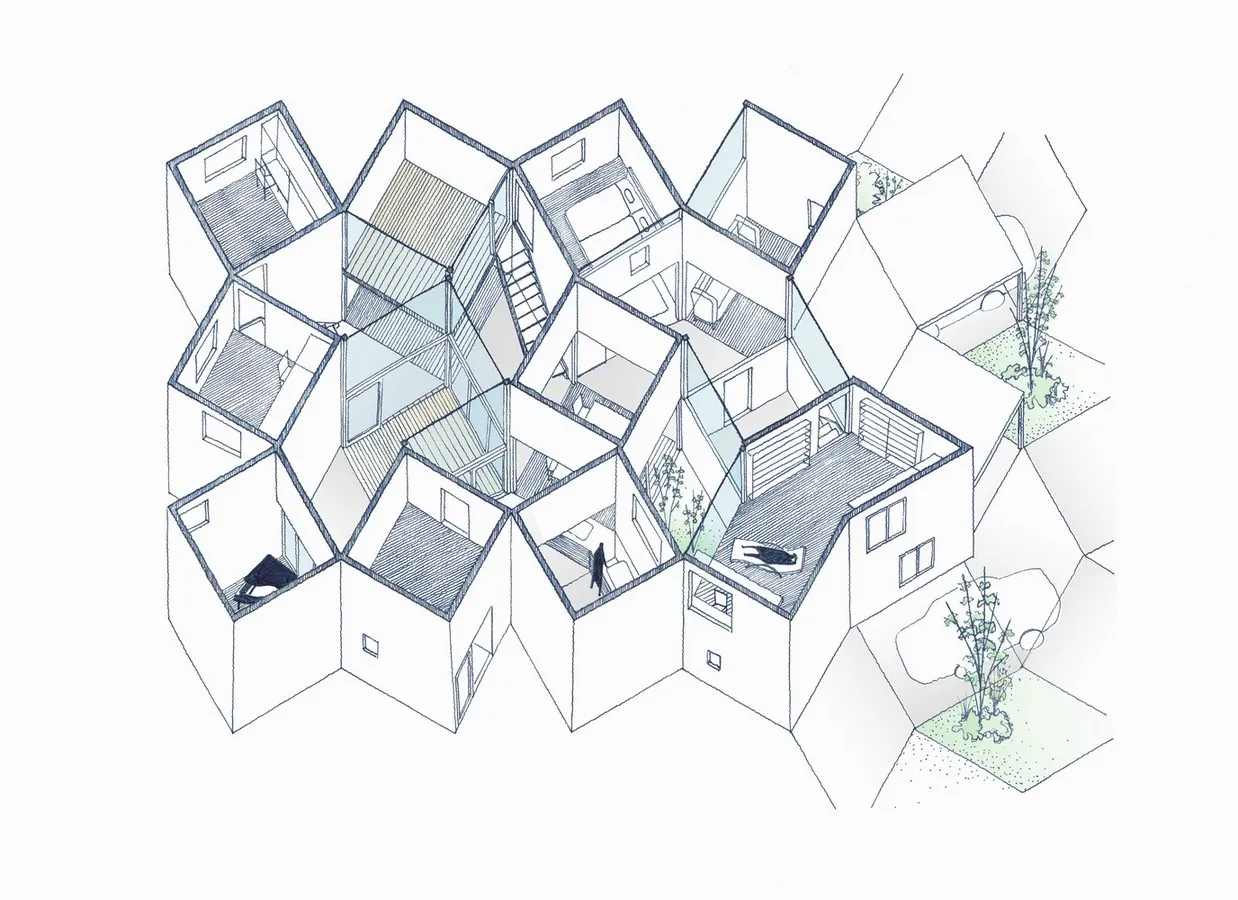
One instance of this emphasis can be seen in how effective workplaces were designed for optimal health by Eco-Design-focused architects, such as PLP Architecture, which designed The Edge in Amsterdam, one of the most eco-friendly buildings in the world. PLP's architects used generative systems to analyse an integrated set of technical and human-centered parameters.
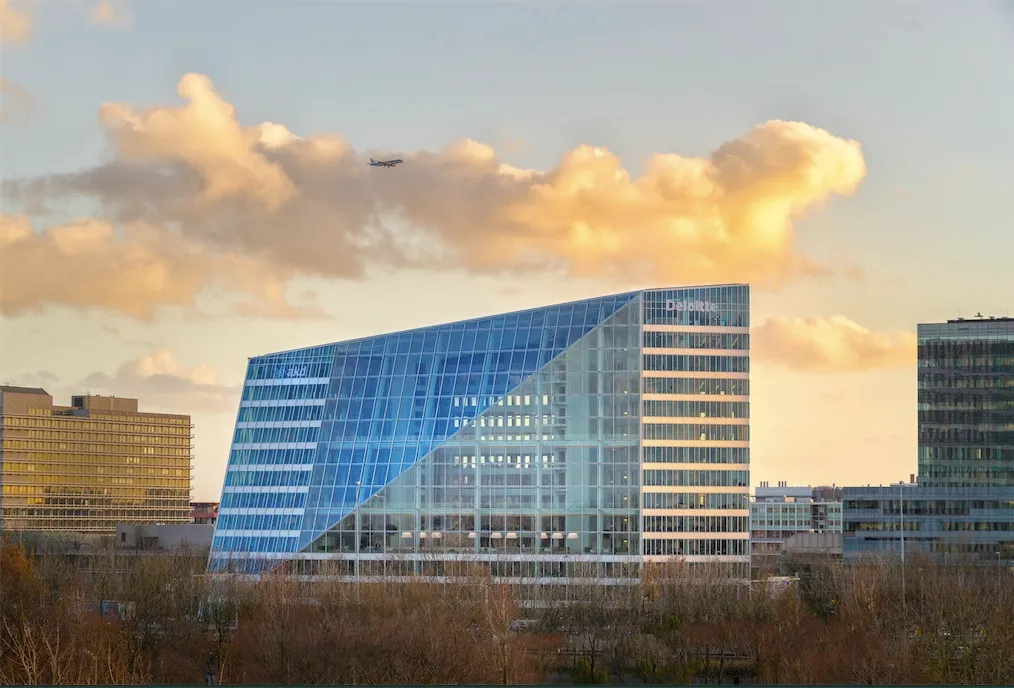
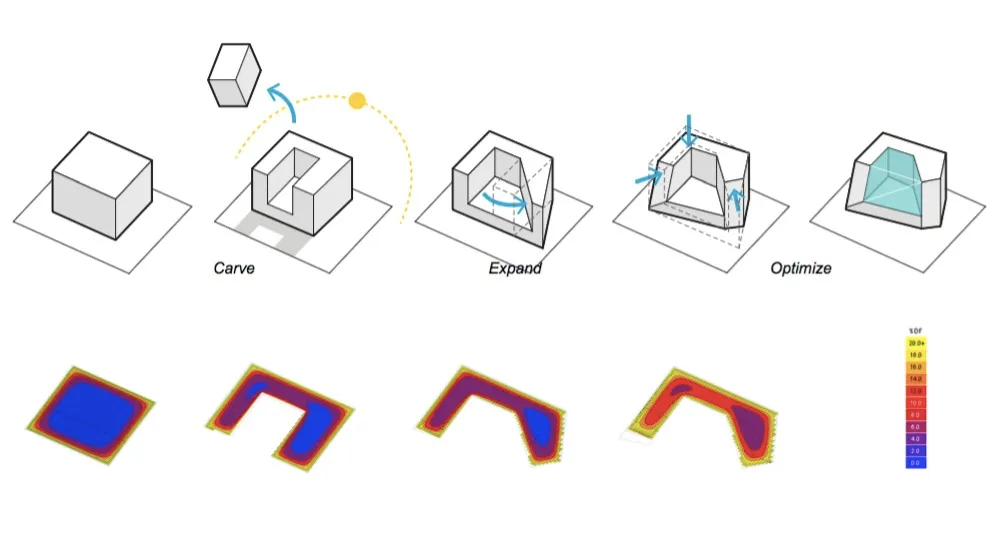
PLP architects parameterised The Edge, which is also based on cognitive goals of employee well-being, activity level, and perceived comfort. PLP architects used generative algorithmic techniques to optimize and inform the layout of the interior spaces and the dynamic glass facade of The Edge, as an example of a "living laboratory. Through these techniques, The Edge combines and capitalises on the synergies between the form, orientation, and spatial quality of the building to provide a human environment with the highest levels of health and productivity by seamlessly translating complex environmental and behavioural logics into an extraordinary human experience.
The Hybrid Design Intelligence and Authorship
The collaborative efforts between Generative Design and Cognitive Architecture exemplify a Hybrid Design Intelligence. Within this partnership, the analytical capability of a machine (generative design) is informed by the human sense of morality and artistry (cognitive architecture). The new ways in which we view this collaborative effort will lead us to re-evaluate what the term creative act means.
The introduction of generative tools creates an entirely different model of creativity. The examples of design contained within this document provide insight into the symbiotic relationship that exists between technical requirements (thermal performance/load distribution) and experiential requirements (visual comfort/emotional connection) that can be established functional through advanced computational processes.
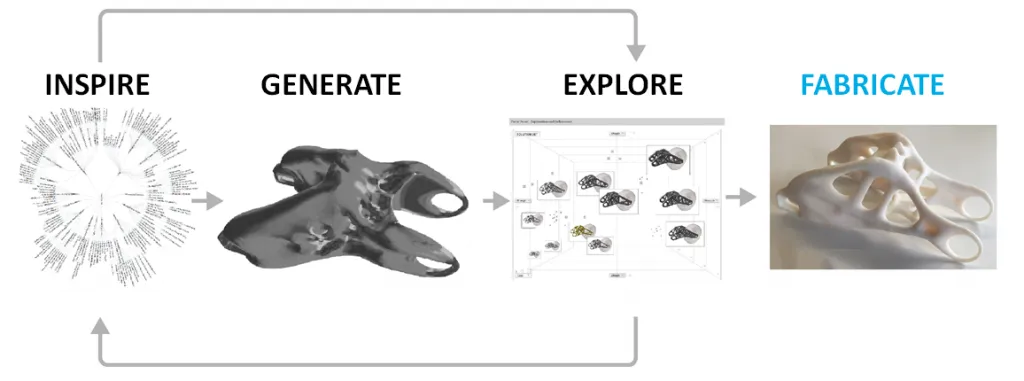
This new way of thinking about design says very clearly that architecture in the digital age is not just about the aesthetics of the future but about the control and improvement of the experience of people within the place through advanced computational means. Architectural design in the years ahead will not replace designers but will enable them to fully utilize and control this new form of collaborative design intelligence.
The Ethical Horizon: Towards Self-Evolving Structures
The combination of Generative Design and Cognitive Architecture paints a picture of a future built environment that is self-evolving, rather than static. We envision a system that will allow for real-time adjustments to architectural design through architecture that contains embedded sensors and AI technology, continually optimizing performance against predicted models for climate and occupant activity.
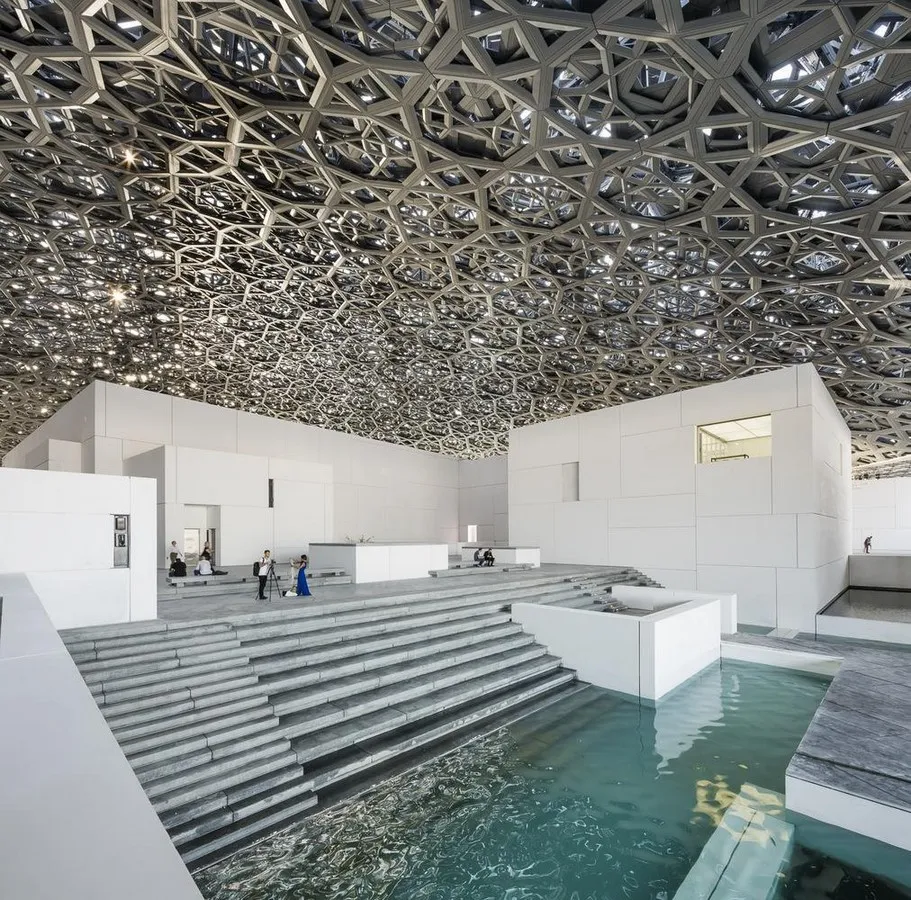
In this hyper-personalized experience of architecture, biological data (i.e., an individual's stress level and neuro-response) will be incorporated into the algorithm for generating spatial configurations, allowing environments to "self-tune" to optimize lighting, temperature and spatial acoustics to correspond to the cognitive and emotional state of each user in real-time.
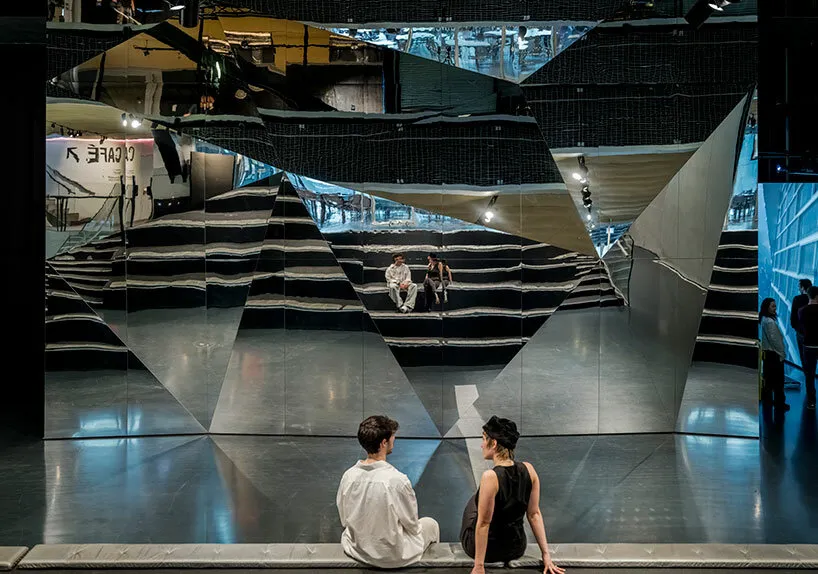
Therefore, the emergent nature of this future necessitates the proactive engagement with ethical questions about who will have access to the data utilised to create these spaces, and how much of a role can architecture play in the psychological experience of individuals. Therefore, the ultimate responsibility of the human designer would be to provide moral and philosophical constraints upon this emerging design intelligence, so that efficiency and personalisation serve to promote human freedom and social equity, rather than to displace it.


.jpg&w=3840&q=75)

_47afe8.webp&w=3840&q=75)

.webp&w=3840&q=75)