Article
A New Era of Footwear Innovation
Imagine a sneaker that molds to your foot like a second skin, its sole a lattice of organic curves so precise it feels like walking on air. This isn’t a distant fantasy—it’s the reality of computational design in the footwear industry today, February 26, 2025. What began as a niche experiment has blossomed into a full-fledged revolution, merging cutting-edge technology with the timeless craft of shoemaking. By harnessing algorithms, parametric modeling, and digital fabrication, designers are no longer bound by the limitations of traditional methods. Instead, they’re scripting the future of what we wear on our feet, one data-driven stitch at a time.
.webp)
Tools and Triumphs of Design
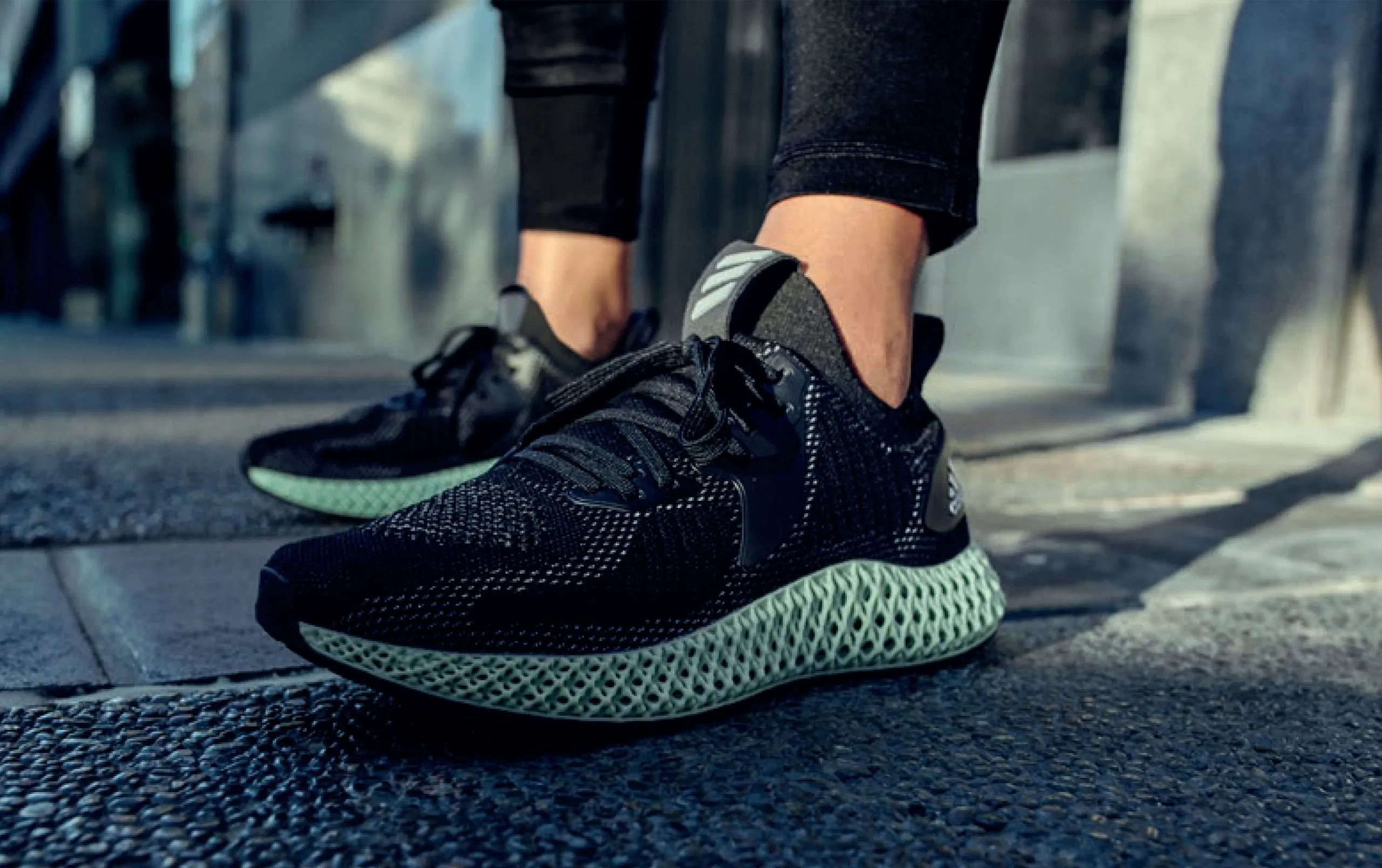
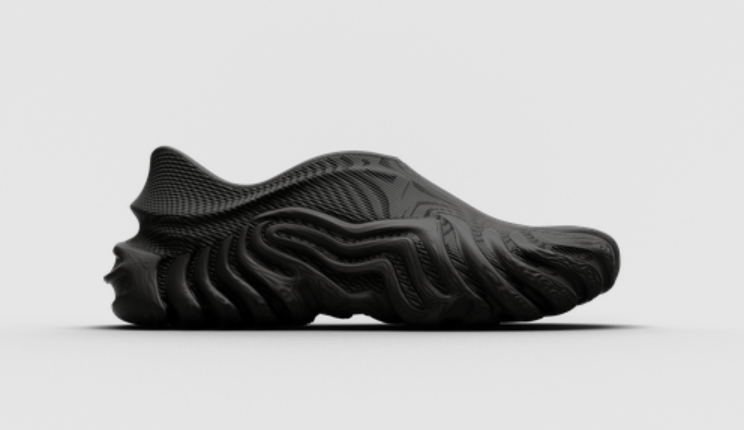
In the spirit of innovation that defines our era, computational design leverages tools like Grasshopper3D, Houdini, and AI platforms to create footwear that’s as functional as it is breathtaking. Picture Adidas’s Futurecraft 4D, its midsole a symphony of 3D-printed lattices optimized for energy return, or Kedar Benjamin’s Basilisk, the world’s first AI-designed shoe, a testament to how algorithms can birth bold, sculptural forms. This isn’t just about aesthetics—though the results are undeniably striking. It’s about precision, sustainability, and a new frontier of personalization that’s reshaping how we think about design.
From Data to Reality
The process starts with data: foot scans, pressure maps, or biomechanical simulations feed into algorithms that generate structures—think Voronoi patterns or minimal surfaces—tailored to specific needs. Visionaries like Luis Bugin, whose parametric explorations have redefined sneaker ergonomics, and Arturo Tedeschi, a pioneer in computational workflows, elevate this craft, turning raw data into wearable art. These designs are then brought to life through additive manufacturing, slashing prototyping time and material waste. Major brands like New Balance, guided by computational design directors like Onur Yuce Gun, are optimizing performance with soles that adapt to runners’ strides, while startups like Zellerfeld push the envelope with fully 3D-printed shoes born from parametric workflows. The result? Footwear that’s lighter, stronger, and greener, all while looking like it stepped out of a sci-fi dream.
Sustainability and Scalability
Sustainability, a buzzword in 2025, finds a powerful ally here. Computational design minimizes excess by calculating exact material needs, pairing seamlessly with biodegradable polymers or recycled filaments. Meanwhile, customization—once a luxury—becomes scalable as algorithms tweak designs for individual fit without slowing production. But it’s not without challenges: the steep learning curve of software and the upfront costs of 3D printing can daunt smaller studios. Yet, as tools democratize and skills spread, the barriers are crumbling, paving the way for a future where your shoes might be designed by you via AR and AI in real-time.
.webp)
Bridging Disciplines
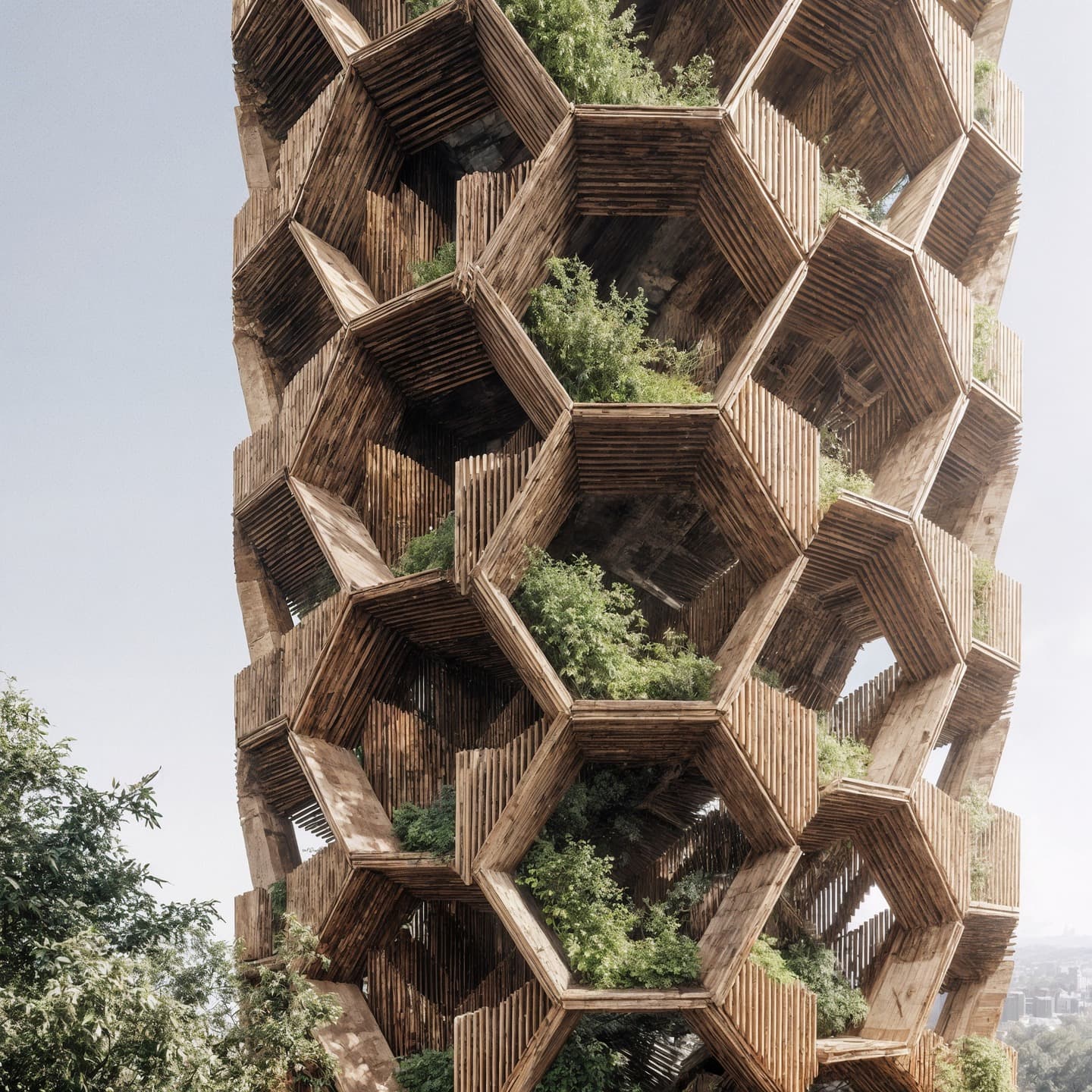
This fusion of tech and craft echoes the ethos of both architecture and fashion, disciplines long intertwined. Just as parametric design redefined skylines, it’s now sculpting soles—elegant, efficient, and endlessly inventive. For designers, this is a call to evolve to master the tools that will define tomorrow’s footwear landscape.
.webp)
And for those ready to step into this dynamic field, platforms like PAACADEMY offer a gateway. Their workshops bridge the gap between concept and creation, equipping designers with the skills to harness computational design for footwear innovation. What follows is a look at how they’re shaping the next generation of creators.
Footwear Design Courses
PAACADEMY is leading the charge in computational design education, offering a suite of workshops tailored to footwear innovation. Below are detailed descriptions of their footwear-focused courses as of February 26, 2025, complete with instructor biographies to highlight the expertise behind each offering.
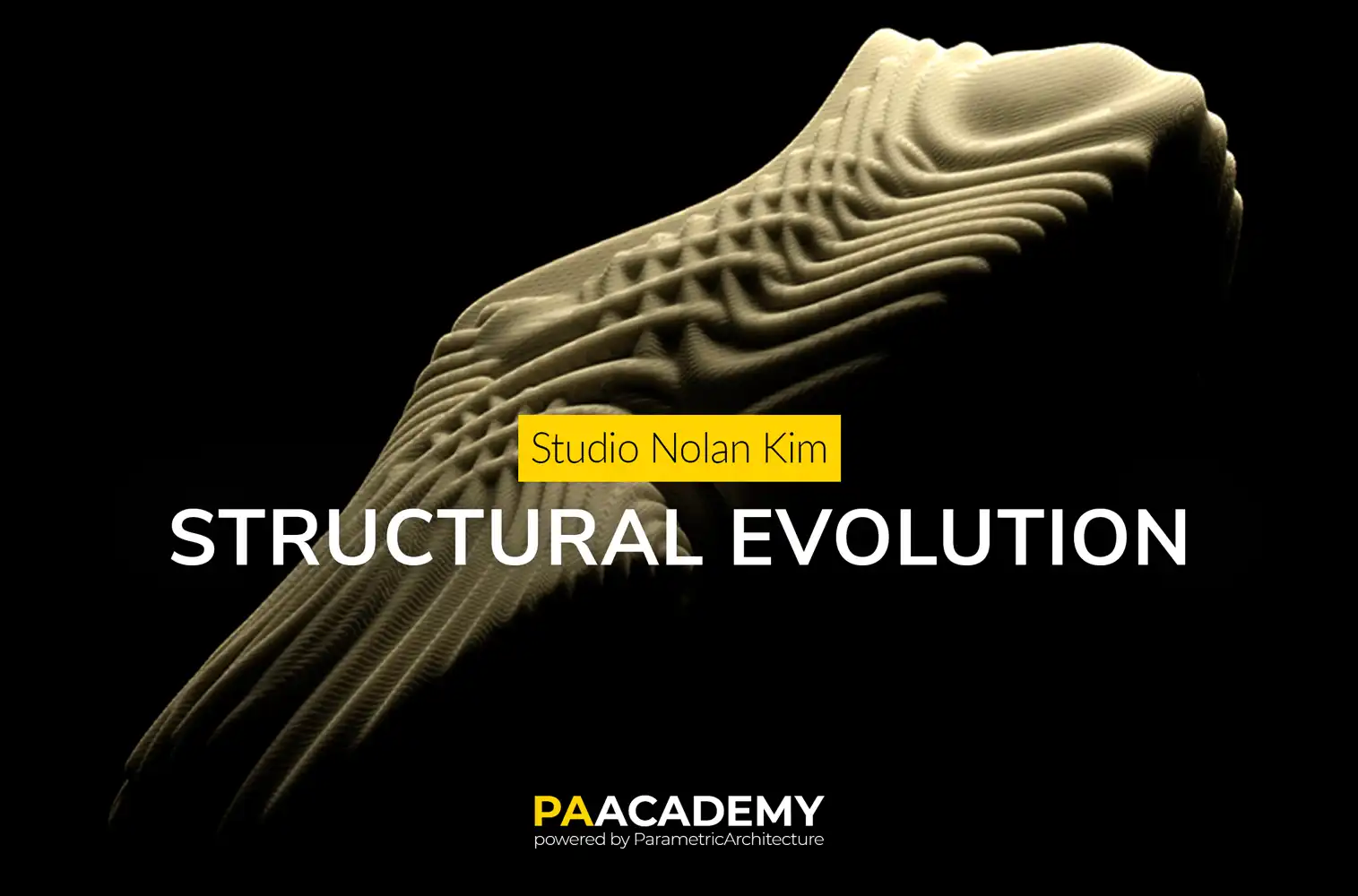
1. Structural Evolution – Studio Nolan Kim
Course Details: This workshop takes participants on a decade-long journey through the evolution of parametric structures in footwear, spotlighting milestones like New Balance’s Voronoi experiments and Adidas’s 4D beam designs. Using Rhino and Grasshopper3D, students master the three phases of structural design—organizing substructures, generating geometry, and advanced manipulation—while building parametric workflows inspired by real-world innovations.
Instructor: Nolan Kim
Instructor Biography: Nolan Kim is a computational designer whose work reimagines everyday products through complex geometries and additive manufacturing. Drawing inspiration from nature and procedural patterns, Kim’s early projects explored 3D-printed geometries for long-distance running performance. He later led computational design initiatives at Desktop Metal, applying his expertise to automotive components, sports products, and industrial tools. His approach blends aesthetics with function, making him a trailblazer in parametric design.
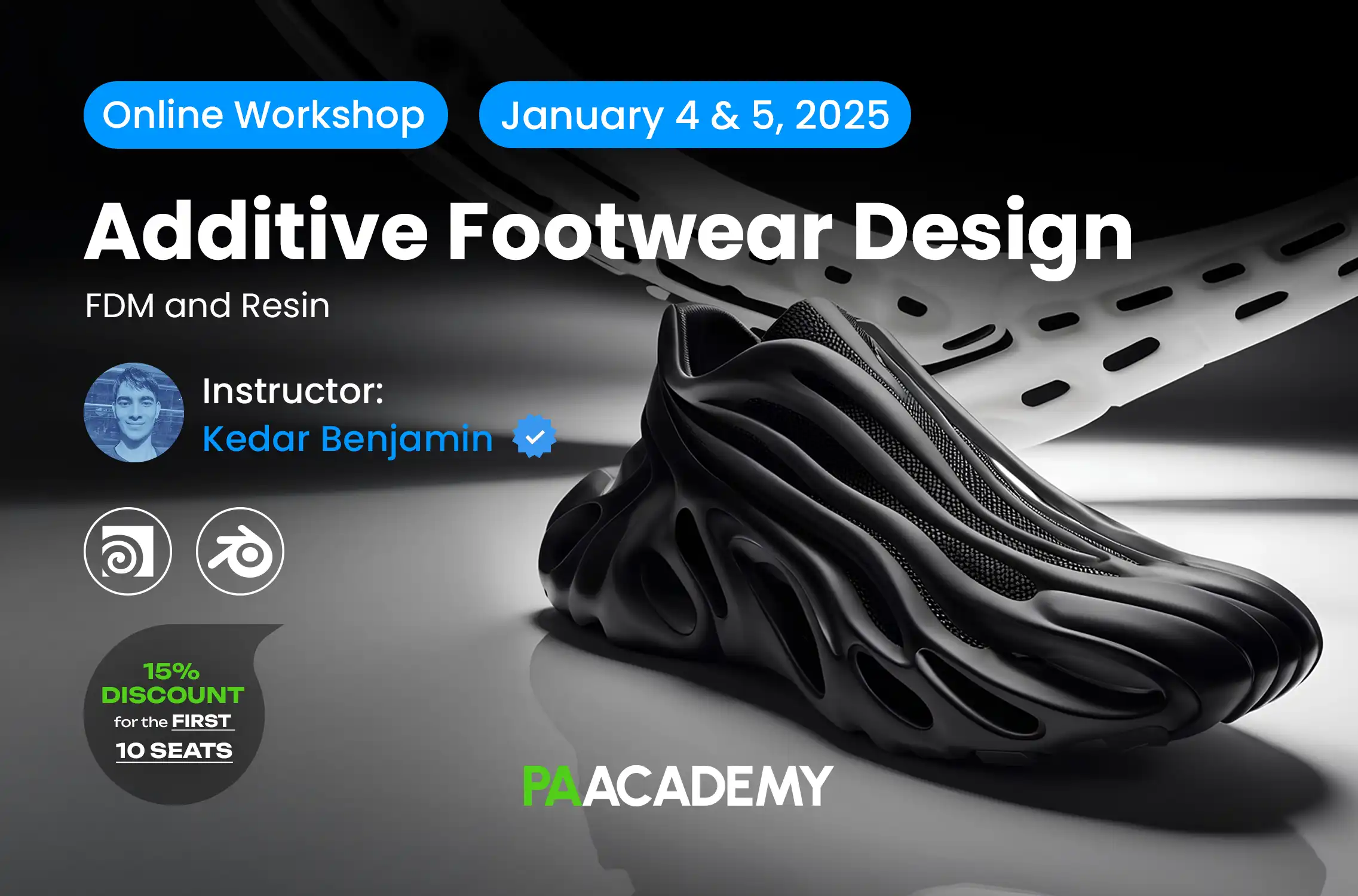
2. Additive Footwear Design: FDM and Resin
Course Details: This workshop dives into procedural modeling with Houdini and Blender to create 3D-printable shoes optimized for FDM and resin printing. Participants start by designing a simple FDM-ready shoe, then advance to lattice structures for resin (SLA, DLP) or powder (MJF, SLS) printing, learning to balance manufacturing constraints with creative freedom. The course culminates in submissions to Zellerfeld’s Auto Check for real-world feedback, spotlighting techniques from instructor Kedar Benjamin’s groundbreaking Basilisk shoe.
Instructor: Kedar Benjamin
Instructor Biography: Kedar Benjamin, aka Benjometry, is a computational designer and DFAM (Design for Additive Manufacturing) expert with a background in industrial design. With five years of Houdini experience and two years as an independent footwear designer, Benjamin made history in 2022 with Basilisk, the world’s first AI-designed 3D-printed shoe, printed by Zellerfeld. His teaching spans CD: Next and Designmorphine, where he shares workflows that fuse AI, procedural tools, and manufacturing precision.

3. Procedurally Performant Patterns
Course Details: This workshop explores Houdini-based workflows for crafting performance-driven patterns in footwear and industrial design. Students learn to create intricate, efficient designs that balance aesthetics and functionality, preparing them for real-world applications. This course builds on procedural techniques, making it ideal for advanced designers looking to push boundaries.
Instructor: David Burpee
Instructor Biography: David is a multidisciplinary Computational Design Leader from the PNW working across a broad spectrum of disciplines, including Footwear, Apparel, Consumer Goods, Automotive, Medical, and Architectural Industries. He has delivered Advanced Computational Design, strategy, and training for companies such as Nike, FILA, PUMA, General Motors, EQLZ, Harry’s Razors, and more. He has over a decade of experience with a variety of products and projects in the market, as evidence of the efficacy and broad applicability of his approach, methodology, creativity, and design thinking capabilities.
4. Footwear Design Bundle
This comprehensive package combines Additive Footwear Design: FDM and Resin with two additional workshops, Structural Evolution and Procedurally Performant Patterns. It’s a discounted, all-in-one dive into computational tools and additive manufacturing, offering a broad skill set for footwear innovation. Check this link to learn more.

.jpg&w=3840&q=75)