.webp&w=3840&q=75)
Article
Mariana Cabugueira is a Portuguese architect and a designer who works in digital and physical domains. She holds a Master's in Architecture and Urbanism from Lisbon's FAL School and the Politecnico di Milano. She also has a Master's in Architectural Design Research from the Architectural Association - DRL in London.
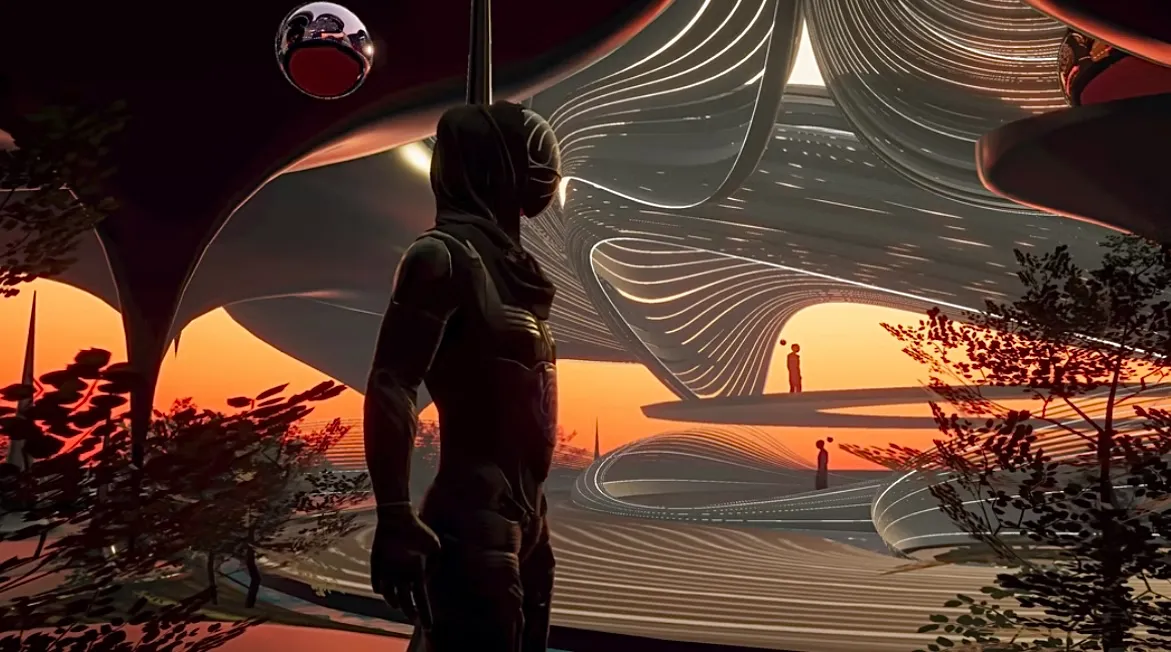
Having a background in computational design, she is one of the most captivating voices at the nexus of architecture and metaverse design. Mariana has built a portfolio that spans luxury high-rises, competition-winning desert campuses, and metaverse cities. Her profession is characterized by experimental spatial notions and parametric systems that were also highlighted in her studies.
Cabugueira established her own design firm, MC Studios, in 2022 to investigate the intersection of wellness technologies, XR (extended reality), metaverse design, and architecture. Creating spatial experiences is the foundation of the studio's hybrid practice philosophy.
From Zaha Hadid Architects To Beyond
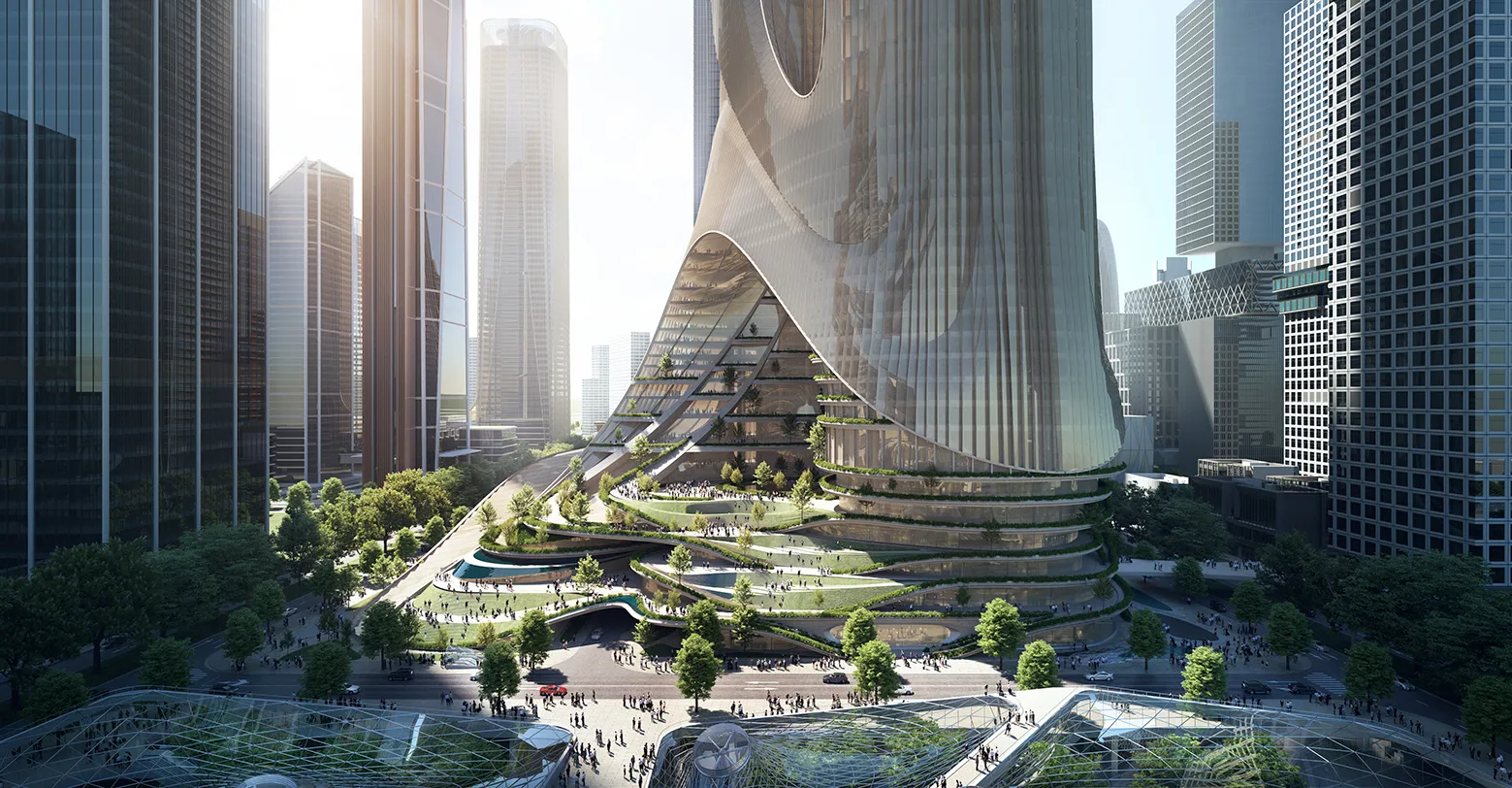
She joined Zaha Hadid Architects (ZHA), where she worked on a number of well-known international projects, including Navi Mumbai International Airport (India) and Tower C in Shenzhen Bay Super HQ (China).
She also worked with Begum Aydinoglu and Juan Carlos Naranjo on the Nucleus – Hyperloop Desert Campus proposal, which made it to the YAC competition shortlist. The idea, which attracted significant attention for its sustainability-driven parametric design, suggested a robust, solar-adaptive campus in the Nevada desert.
Notable Projects and Recognitions
She received the coveted DigitalFUTURES Portuguese Award in 2023 in recognition of her creative contributions in the field of architecture and design. Her standing as a worldwide thought leader in hybrid architectural practice was cemented by this honor.
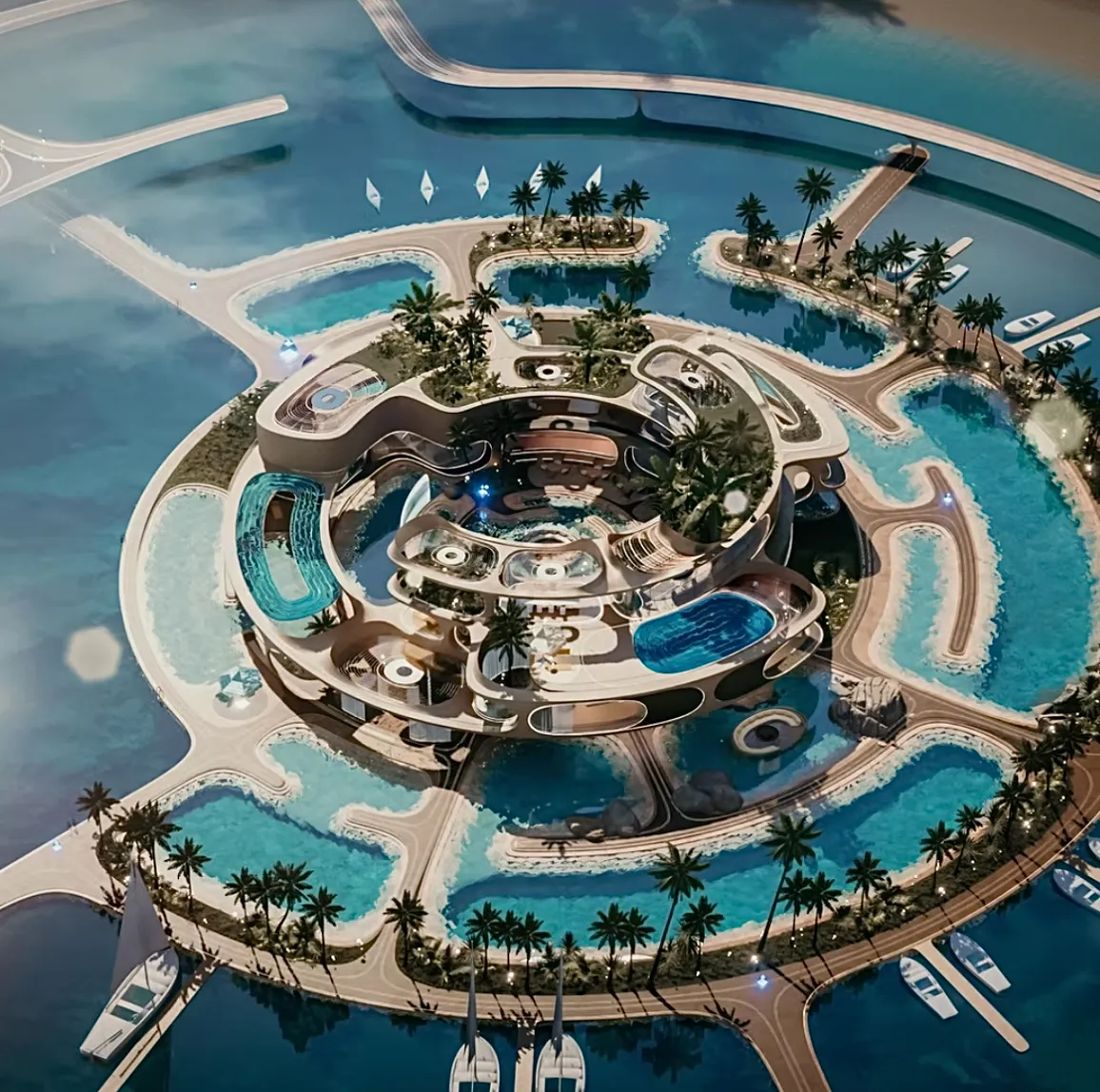
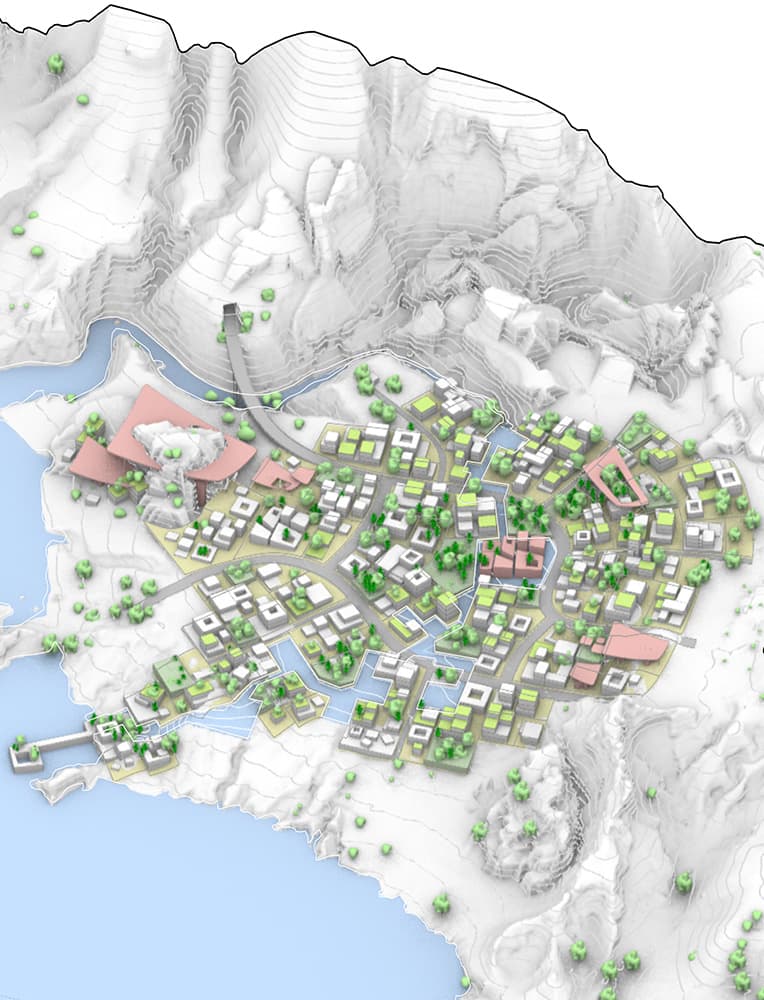
Mariana oversaw the creation of Wiami, an astonishing metaverse metropolis modeled after Miami's urban DNA, in her capacity as Lead Architect and Art Director of Wilder World. Every element, including the interiors and skyline, has been gamified, procedurally generated, and optimized for virtual interaction. Wiami is a social platform that uses blockchain, decentralization, and digital twin technologies to challenge conventional urban planning methods.
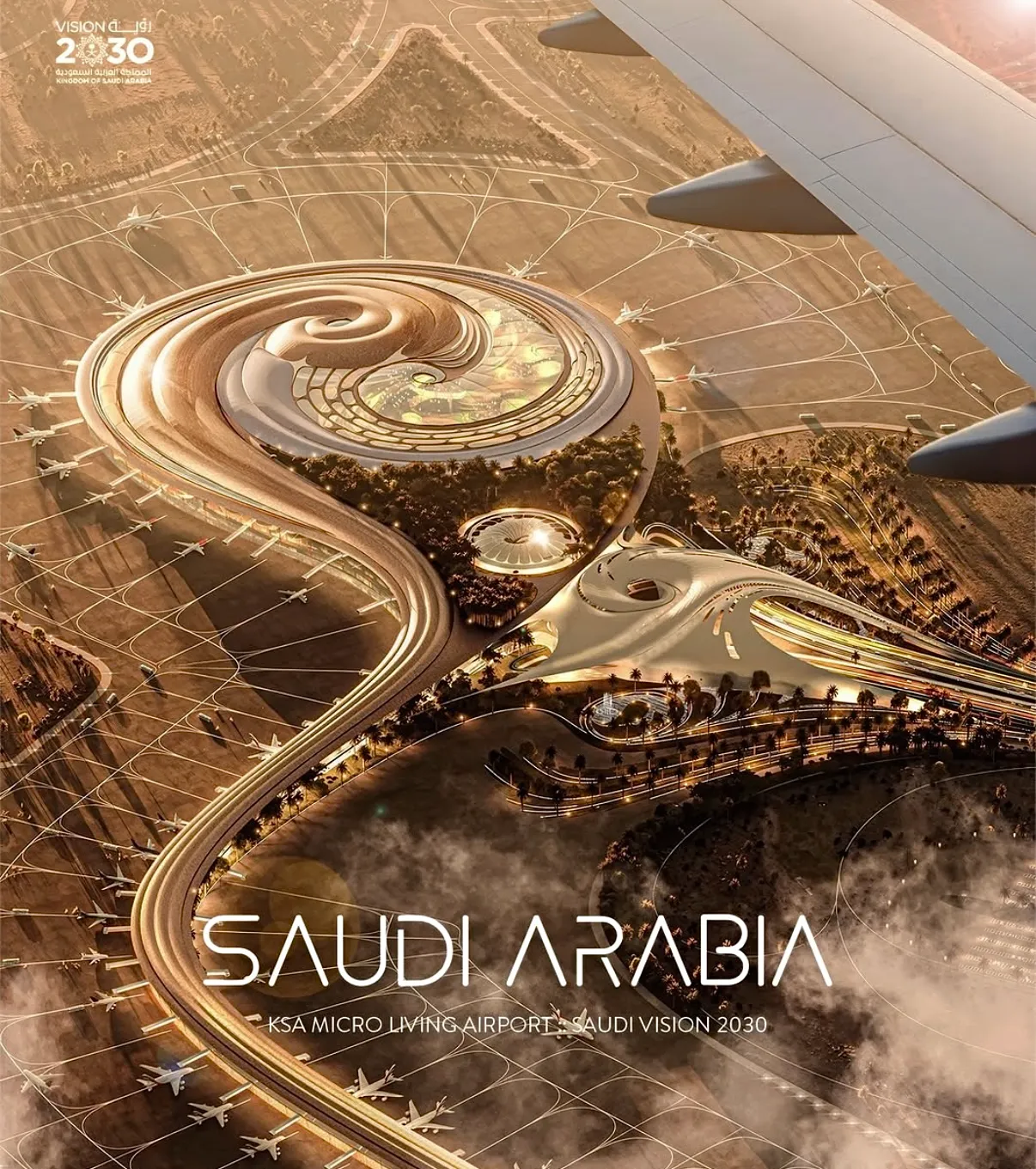
A key element of Saudi Arabia's Vision 2030 program is Mariana Cabugueira's KSA Micro-Living Airport concept. The idea incorporates a system of small, flexible living spaces right into the structure of the airport, marking a groundbreaking combination of extended reality and physical architecture.
With the use of immersive XR technologies, AI-led spatial computing, and parametric modeling, the design produces a fluid, user-centric space that is suitable for seniors, families, business travelers, and digital nomads. With its modular housing, working, and social areas, the plan offers a smooth transition between travel and relaxation and serves as a model for the travel infrastructure of the Gulf region going forward.
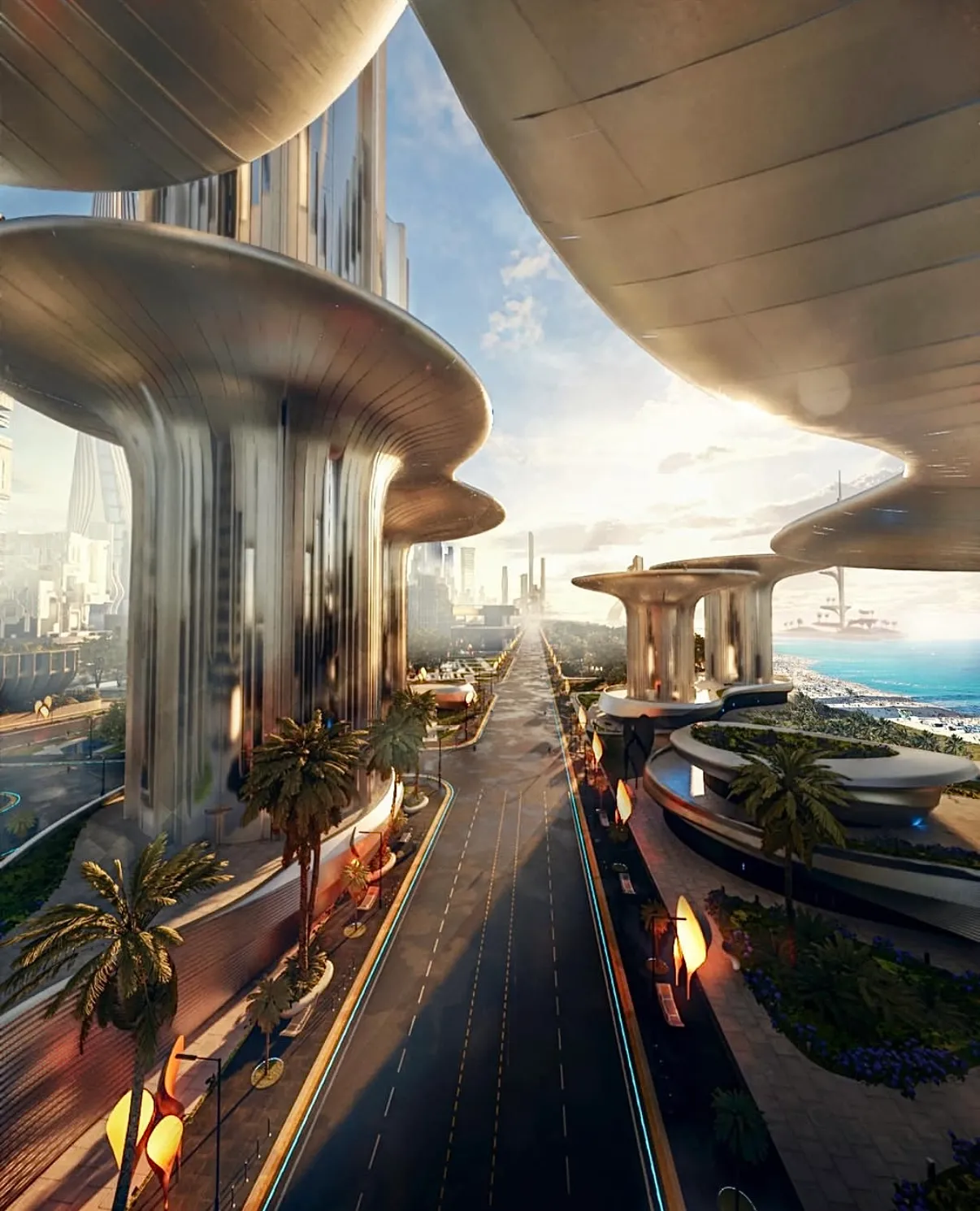
Philippines NEXT combines storytelling, environmental education, and extended reality into a cohesive spatial experience. The project was commissioned to her studio by Architects and Designers X, which is a huge floating XR refuge situated in the Western Pacific Ocean.
With a structural height of 26 meters and an area of 48,000 square meters, this platform uses virtual exploration between people and nature. The project offers third-person gaming where users can kayak, watch birds, take virtual lessons, and engage in art or photography sessions. It is built in Unreal Engine and tailored for pixel-streamed experiences via browser and Oculus 3.
However, the initiative has a significant environmental purpose in addition to its focus on digital immersion. Through interactive narrative and spatial empathy, it promotes pro-environmental behavior and increases knowledge of concerns such as habitat destruction, rising sea levels, and shifting migration patterns in Southeast Asia.
Fundamentally, Philippines NEXT makes use of the healing potential of virtual nature, which associates natural settings with lower stress levels, happier moods, and better emotional control. The sanctuary has been under continuous construction since 2022. It is a potent illustration of Cabugueira's hybrid design philosophy, which combines architecture, XR, and neuro-design to create digital worlds that are emotionally charged.
Mariana Cabugueira's Design Philosophy
Mariana Cabugueira envisions a future where people come first and the digital and real worlds coexist in a fluid, unafraid way. Her conviction in organic and adaptable shapes is influenced by parametric design. Spatial computing is at the core of her work.
She creates environments that flow like living things, whether they are digitalised, a metaverse city, or an airport taking influence from nature. She combines virtual spaces with real-world architecture in her hybrid practice. Her projects are interactive experiences designed to improve cognition.
Mariana employs digital resources and guides the next generation in creating structures and realities through her worldwide lectures.
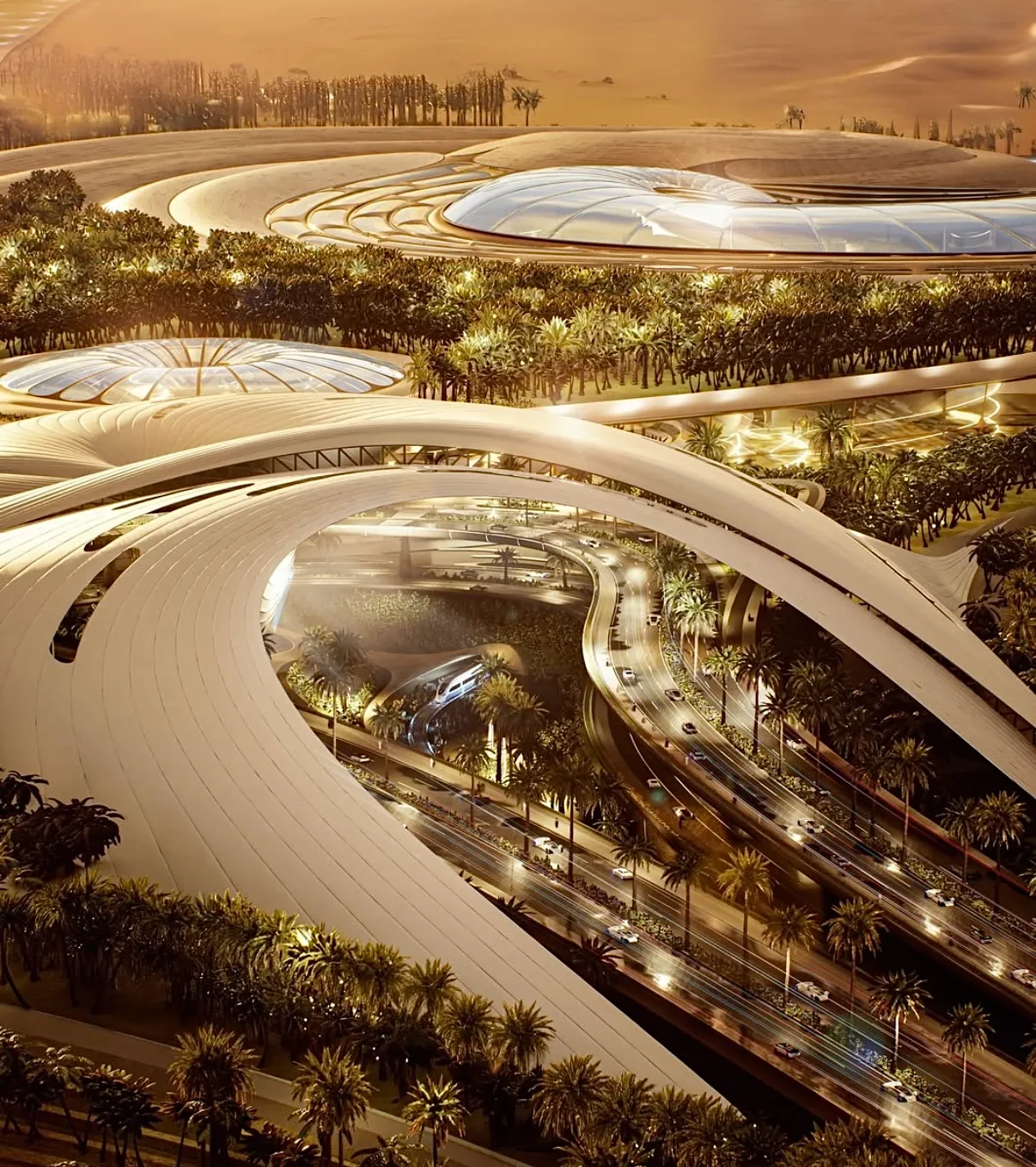
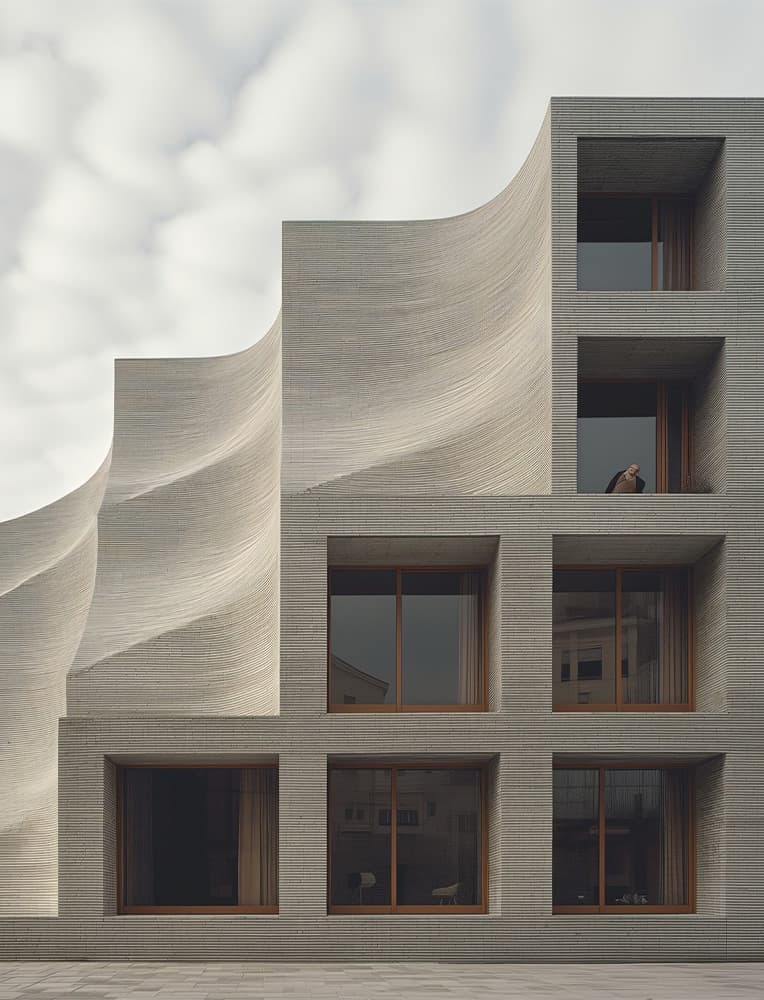
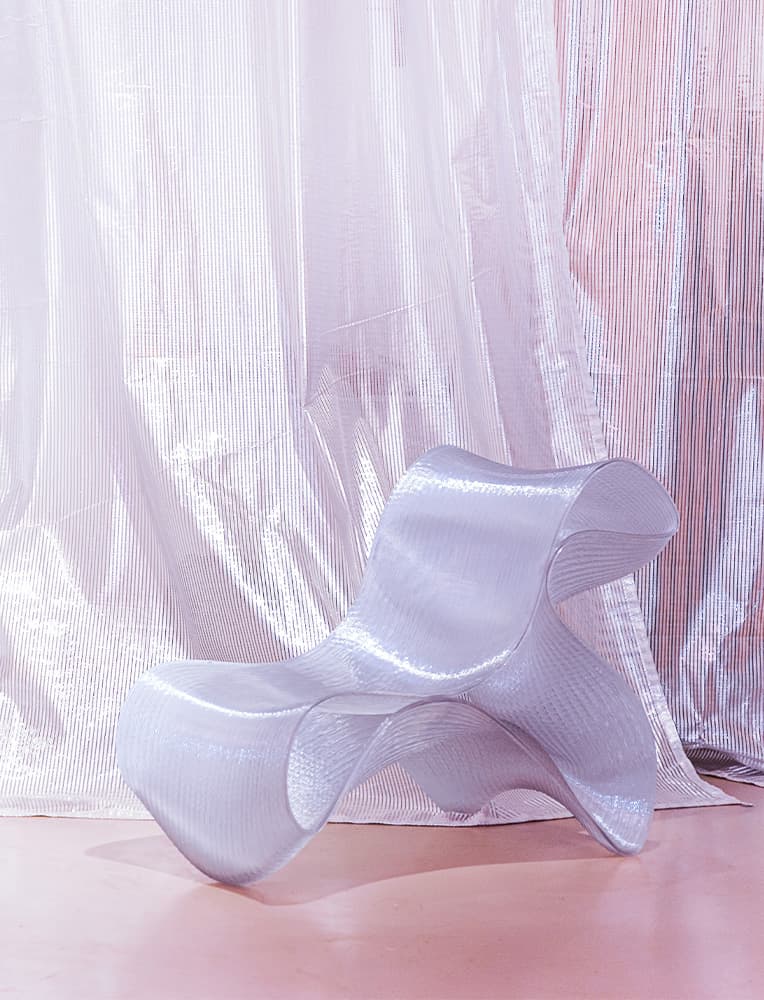
PAACADEMY’s workshop on Meta-Fluid Studio provides a space to consider how the physical world might function. In the program, designers work together to create a virtual metropolis using code and flowing geometry rather than real-world materials. Participants collaborate in small groups; some are tasked with creating particular meta-typologies, such as concert venues, while others are setting out the larger urban structure. The studio uses Maya and Unreal Engine to teach technologies as part of a broader investigation. The method is exploratory and firmly based on the notion that the future of architecture may lie somewhere between the city and the screen.
Images courtesy of Mariana Cabugueira.

.jpg&w=3840&q=75)