Article
Nowadays, there are all kinds of words merging with each other: Virtual reality, augmented reality, or mixed reality. There is also one term floating around that makes it all more confusing: Extended reality. It’s becoming increasingly important to understand what each of these terms means. But what are all those terms? Let’s clarify.
Extended Reality (XR)
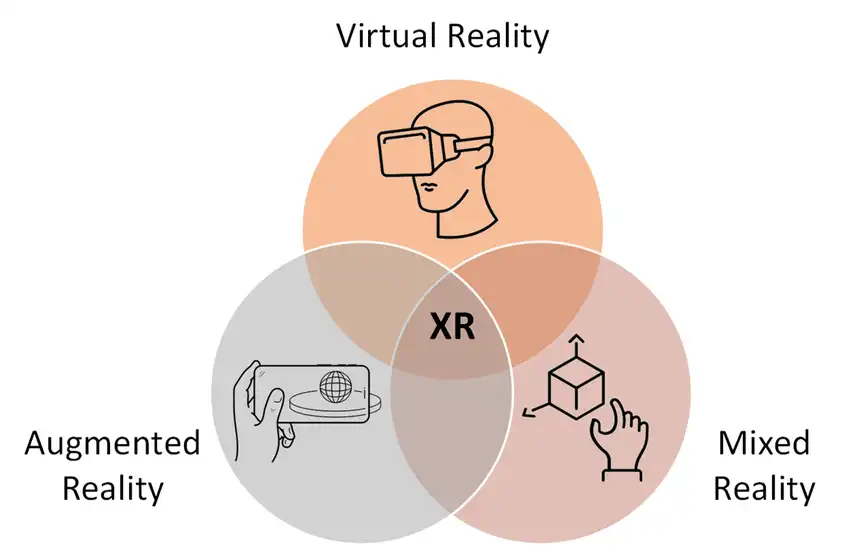
This term is an umbrella term that generalizes immersive technologies such as AR (Augmented Reality), VR (Virtual Reality), and MR (Mixed Reality). It’s an easy way to categorize these emerging fields that are rapidly growing and evolving. I have already provided the acronyms to make this comfortable for both of us, you valuable readers. Let’s dive into those terms now.
Augmented Reality (AR)
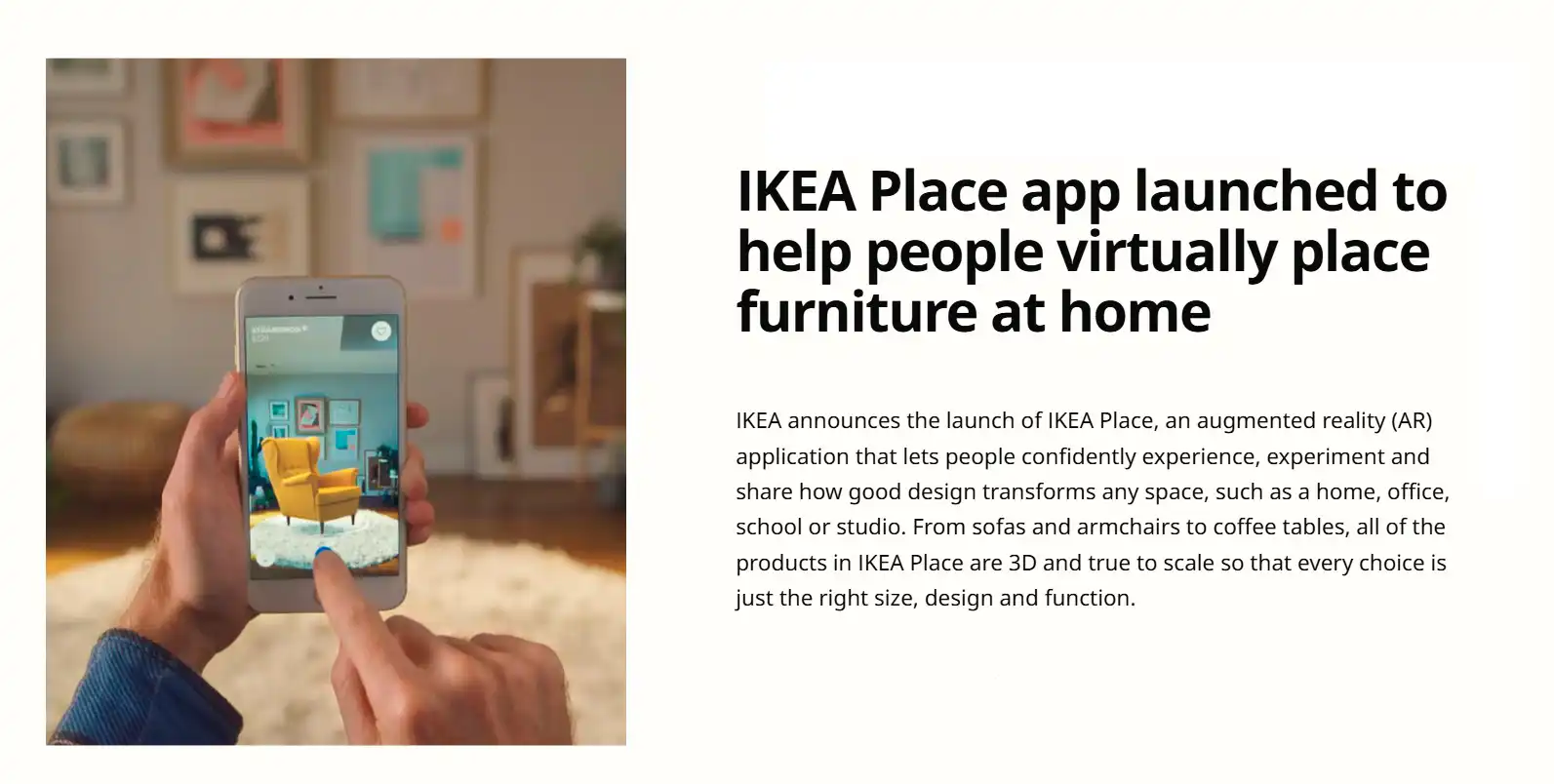
Augmented Reality consists of the real world and digital elements. This fusion allows us to interact with both the physical and virtual world simultaneously. You can pick your new favorite wall color, curtains, furniture, decorations, or kitchen! It’s revolutionizing industries from retail to education and beyond. One of the best examples of Augmented Reality is the app from IKEA, which lets you see how furniture would look in your home before buying it.
Another example of AR is an app called ARki: Room Planner. It provides architects with useful tools such as styling, decorating, real-time sketching, and automatic capture of floor plans. By using this app, designers can work more efficiently and make better decisions with their clients in mind. This improves communication with clients, speeds up the approval process, and enables a better spatial understanding of architectural designs before physical work begins. The ease and effectiveness of this tool have made it a favorite among professionals in the design industry.

ARki App: Room Planner
Mixed Reality (MR)
We have our real world, at least for now. As technology continues to evolve, the lines between the real and virtual worlds are blurring more every day. We are also creating digital worlds. Mixed Reality technology allows one and only real-world and virtual environments to coexist and interact. It is a blend of humans, computers, and the real environment. Remember the dog filter you were putting on your face in 2016? Yes, this is a perfect mixed reality example. It's an easy way to understand how digital elements can be overlaid onto the real world.
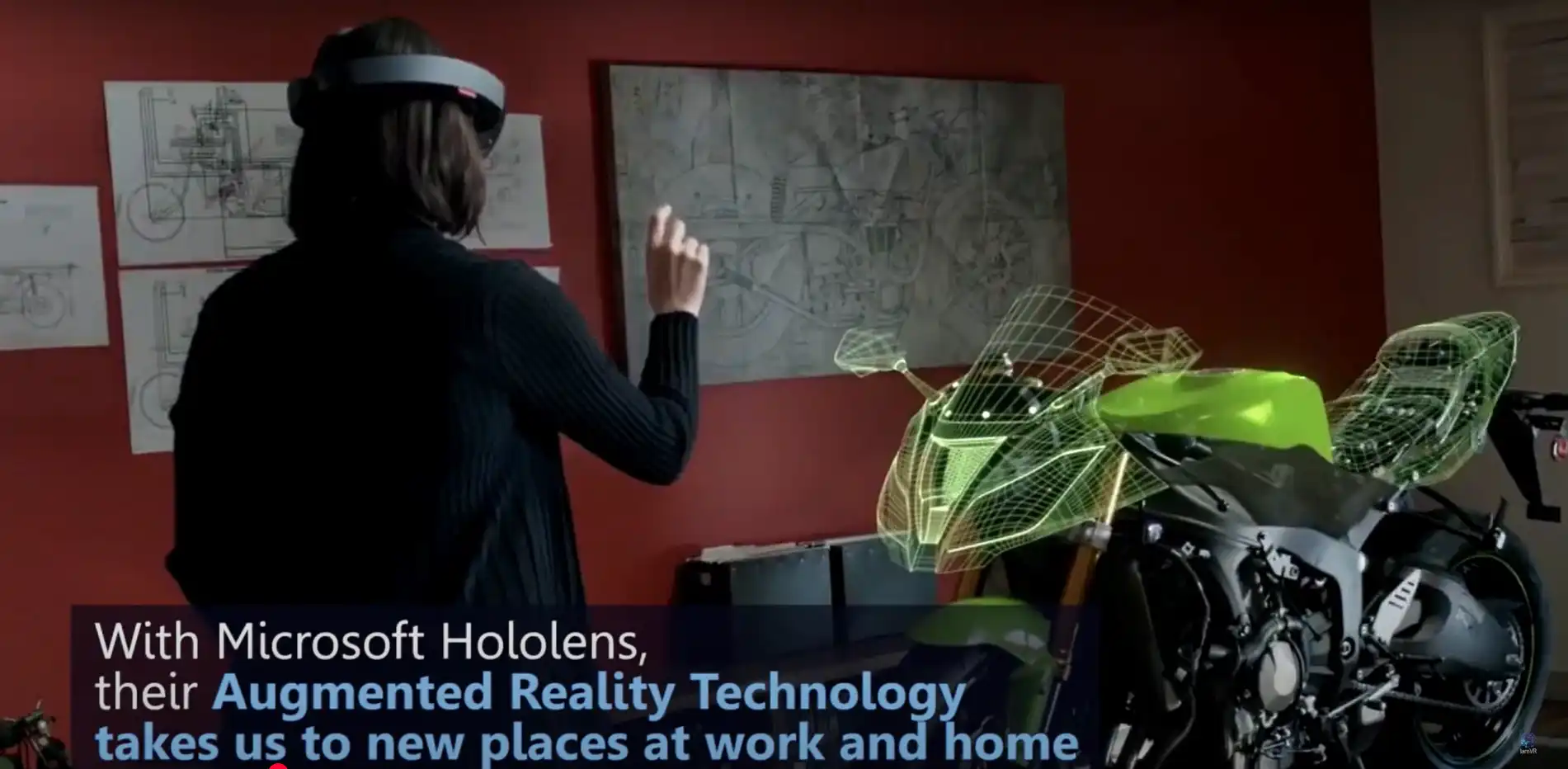
Another example of this technology is HoloLens by Microsoft. This glass allows designers and architects to design, make changes, visualize, and experience their work in the real environment. HoloLens helps bridge the gap between design and construction by visualizing projects before they're built, saving time and resources in the process.
Virtual Reality (VR)
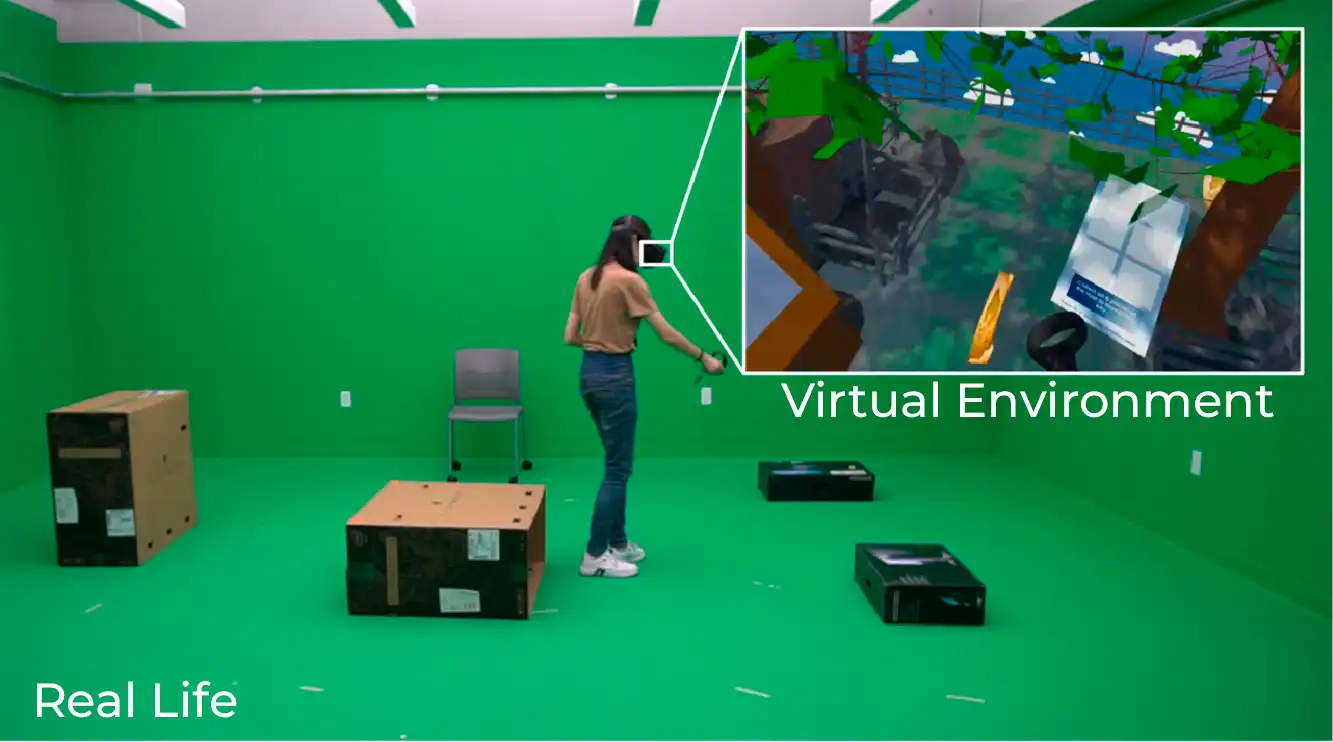
VR technology is a fully immersive one. It allows users to disconnect from the real world and experience a simulated digital environment. A digitally designed computer-generated environment blocks out the real world and replaces it with a simulated one. y using VR headsets and controllers, users are transported into entirely new worlds, where they can interact with their surroundings in meaningful ways.
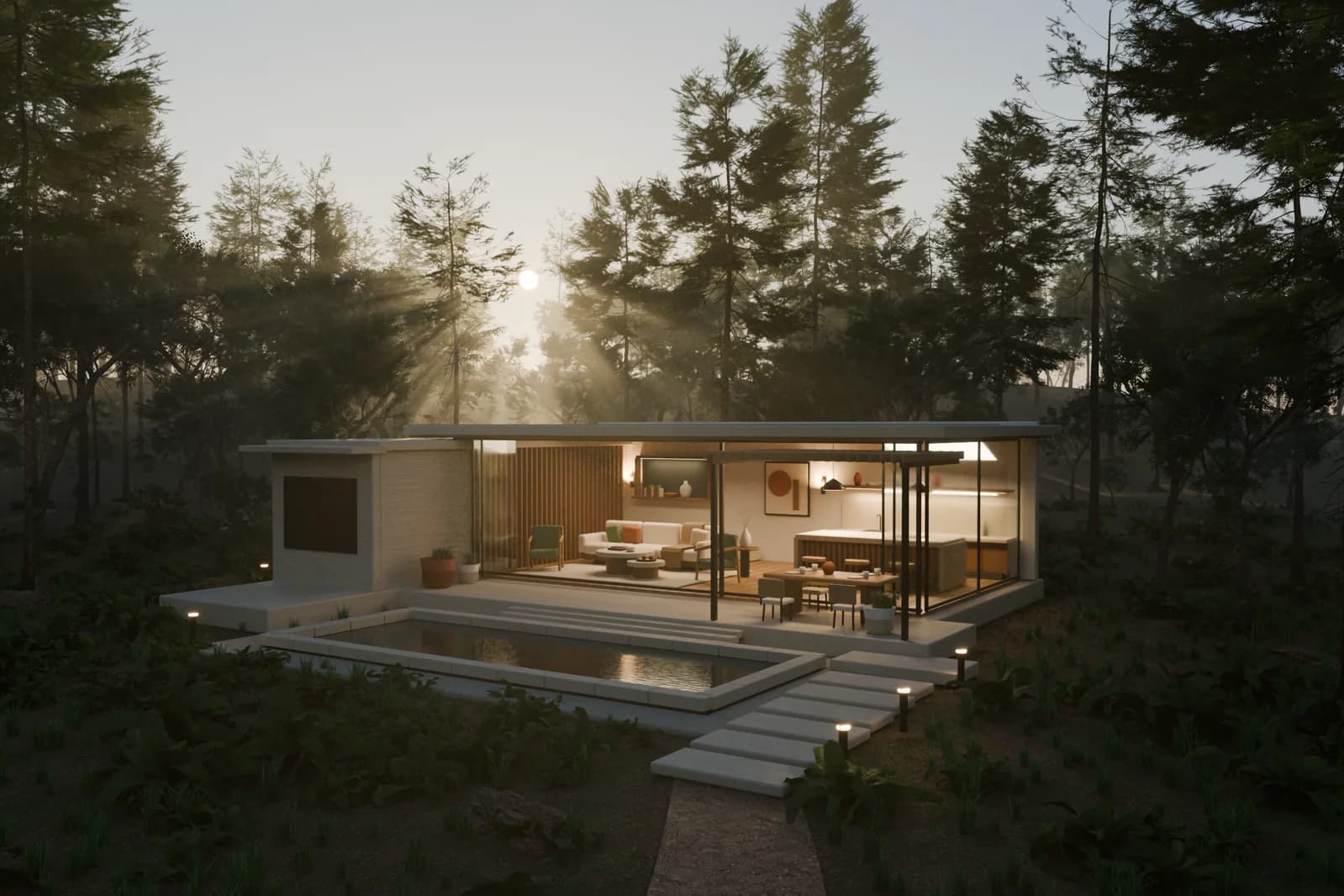
V-Ray Vision is the perfect example of transforming your 3D designs into virtual reality experiences. The moment you start V-Ray Vision, you can reach your 3D files from Revit, Rhino, or Sketchup and generate an interactive link. V-ray Vision offers fast results and allows iterations. You can experience the light and shadow changes in a blink of an eye.
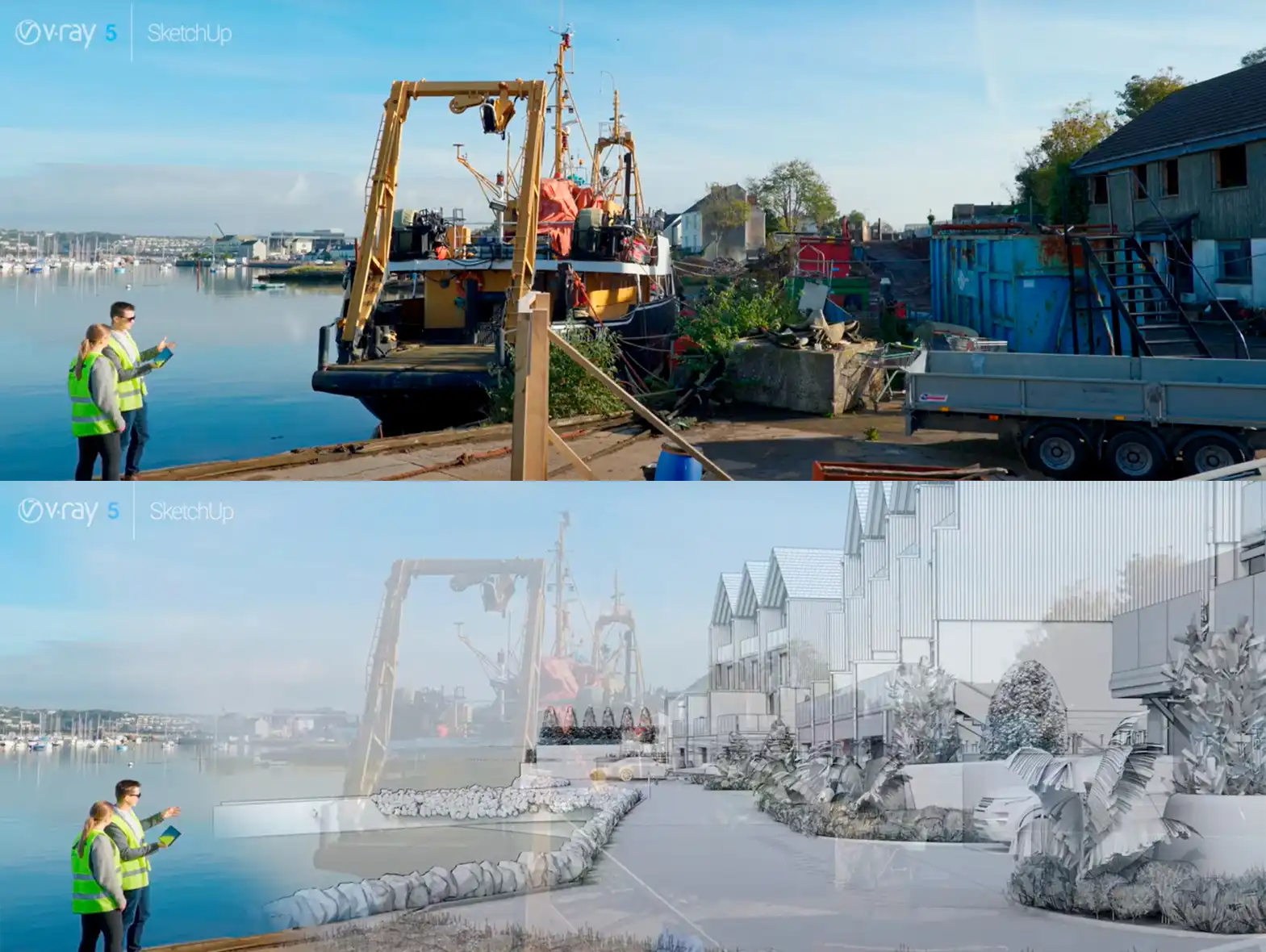
V-Ray Vision in Action
Extended Reality (XR) covers all the immersive technologies available. XR enables experiences that are engaging and provide real-world applications across a range of sectors. It can be used as a generic term that includes Augmented Reality, Mixed Reality, and Virtual Reality. Augmented Reality is a view of the physical world with an overlay of digital elements. The real world still exists. Mixed Reality is where the real world and digital world can interact with each other. It combines both Augmented Reality and Virtual Reality. On the other hand, virtual reality is a completely digital world that exists separately.
Now that we know the difference between XR, AR, MR, and VR, here is a new concept to introduce: Metaverse.
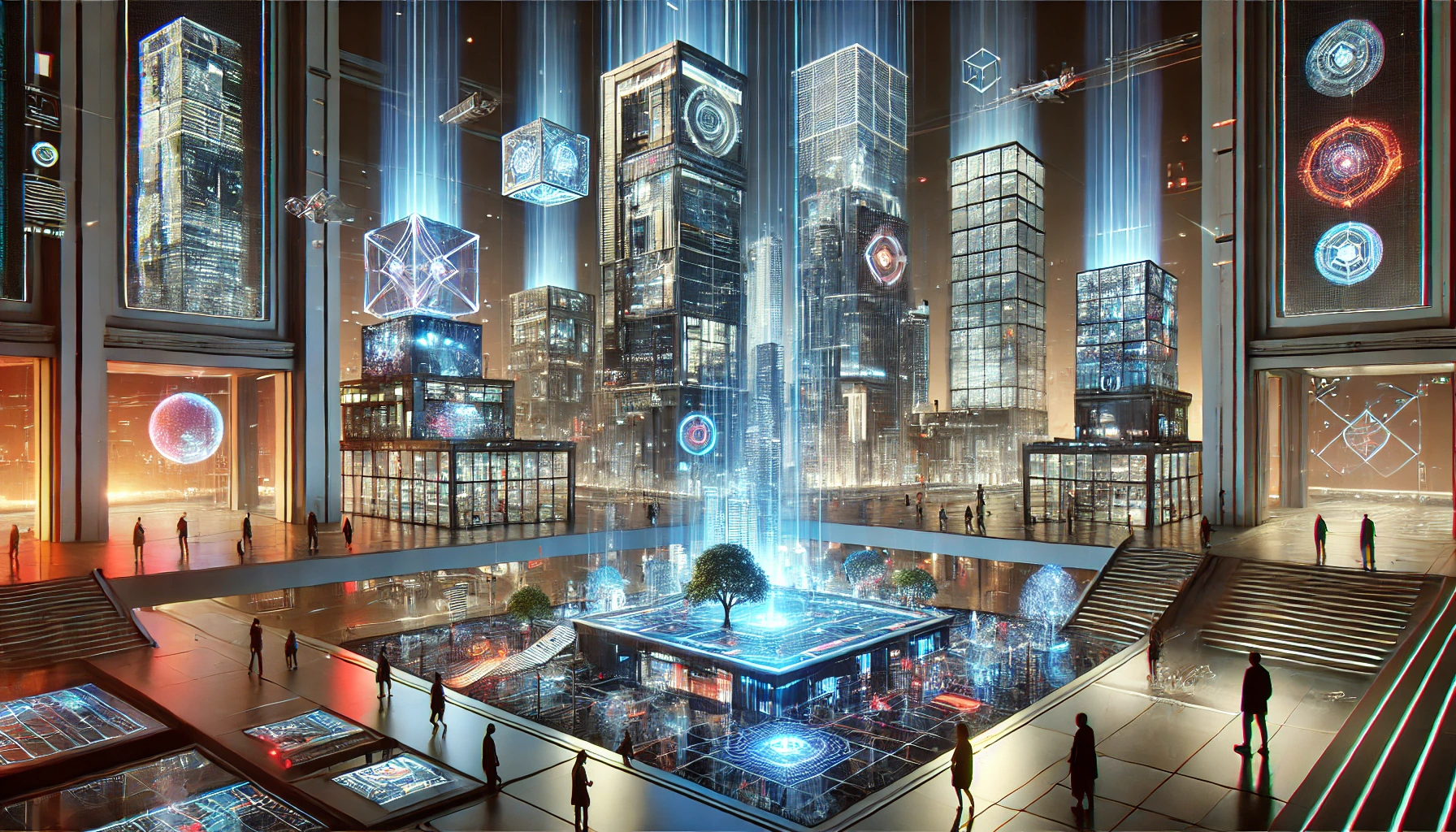
What is Metaverse?
Metaverse, as the name implies, is a universe, an environment that is beyond the real world where users can interact and immerse themselves in virtual experiences. The concept goes beyond just virtual reality; it’s an entire digital ecosystem where people can live, socialize, and explore. It is an alternate dimension where you create your own avatar, build up friendships, and spend time with your virtual friends! With virtual reality technology, wherever your best friend is, you can meet in this universe and go shopping together. It is an eligible concept for movies, science fiction, or the gaming industry. But what does this mean for architects and designers? Could the Metaverse offer a new way of experiencing architecture?
What is the new frontier for architects and designers in Metaverse?
While Extended Reality offers a wide range of immersive technologies, Metaverse pushes the boundaries even further. It provides a digital universe where creativity has no limits, and architects can design in ways that have never been possible. Architects and designers are now freer than ever to create a built environment where everything is digital. They will not need to put their creativity aside to match the physical materials and construction limits. They can play around with experimental and futuristic designs and create virtual user experiences that push the boundaries of what architecture can look like in a digital world.
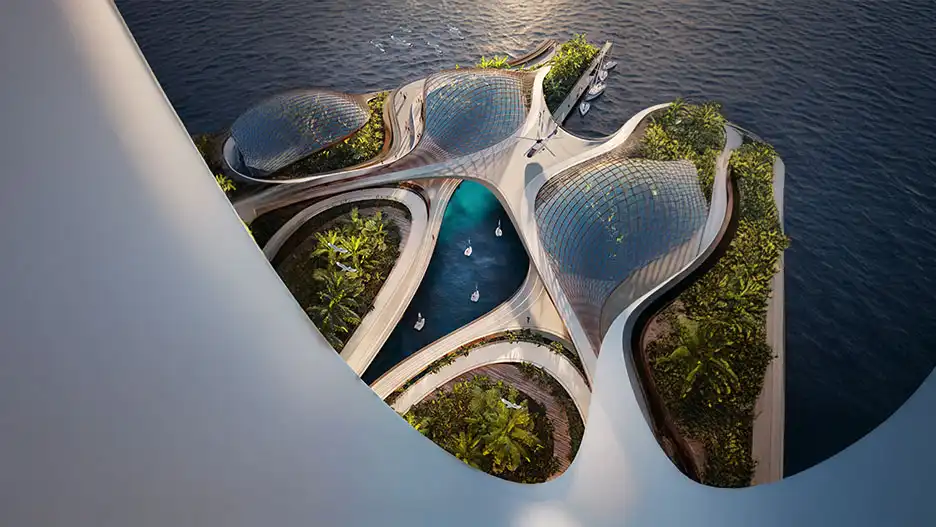
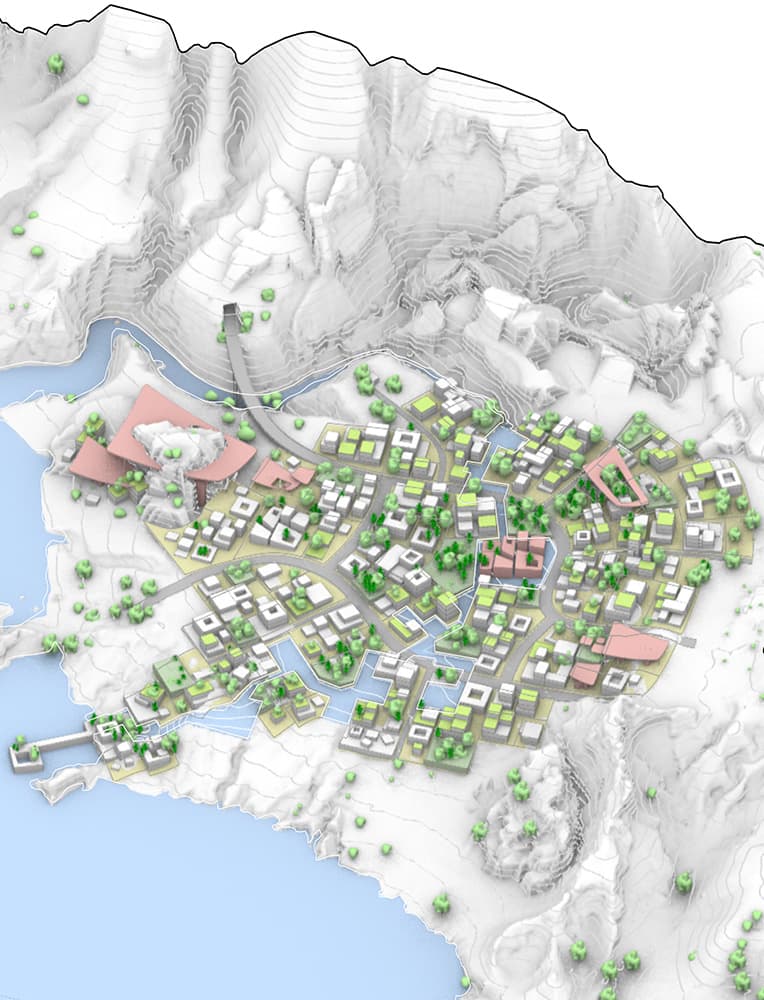
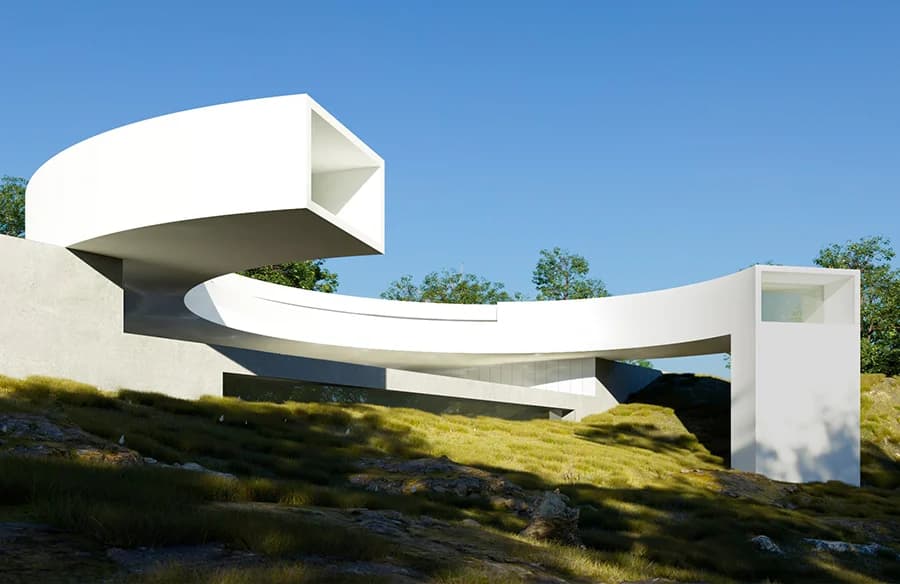
Meta Fluid Studio PAACADEMY
Meta Fluid Studio
As PAACADEMY, we have various courses for architects and designers to utilize Extended Reality technologies. These courses are designed to help participants learn how to incorporate new technologies into their workflows. Creators of the new era can step into digitalization with Sculpture Synergy in VR and Design in Virtual Reality courses by PAACADEMY. As a creator, you can learn how to achieve fluid and futuristic structures in virtual cities with the Meta Fluid Studio course series.
Now that we know the difference between these terms, we can choose the technology that is most suitable for what we would like to achieve. There are plenty of opportunities to use extended reality for our benefit.
-
Author: Şevval Mumcu

.jpg&w=3840&q=75)